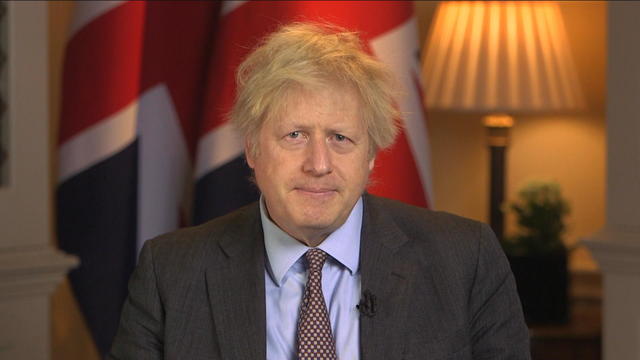
Transcript: Boris Johnson on "Face the Nation"
The following is a transcript of an interview with U.K. Prime Minister Boris Johnson that aired Sunday, February 14, 2021, on "Face the Nation."
Watch CBS News
The following is a transcript of an interview with U.K. Prime Minister Boris Johnson that aired Sunday, February 14, 2021, on "Face the Nation."
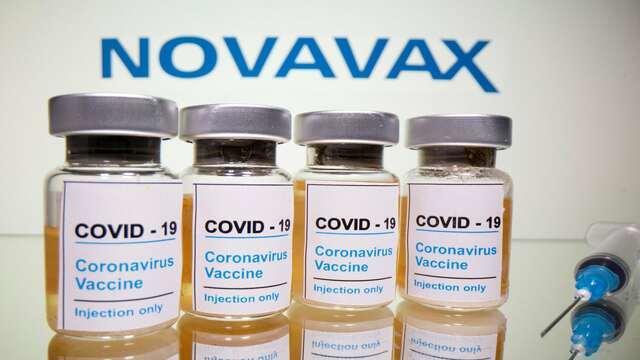
Novavax has announced that its coronavirus vaccine is nearly 90% effective and also works against the more contagious variant discovered in the U.K. And China has warned Taiwan that any move towards independence will mean war. CBS News' Ian Lee joins Anne-Marie Green on "CBSN AM" with those and other headlines from around the world.
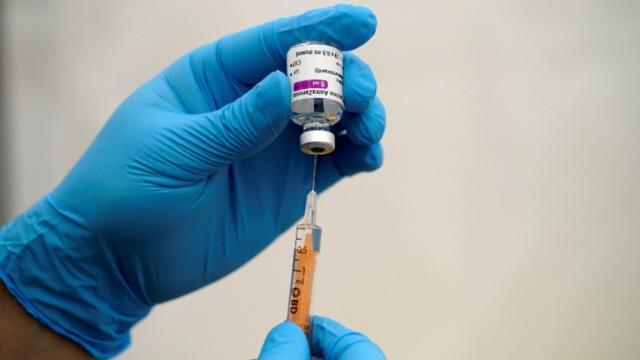
The United Kingdom has become the first European country to surpass 100,000 coronavirus deaths as shortfalls from European vaccine manufacturers pits the country against the European Union for the supply. The E.U. is threatening to prevent companies like Pfizer and AstraZeneca from exporting any vaccine orders until its own citizens receive doses, which also creates issues for developing nations in dire need of vaccinations. CBS News' Charlie D'Agata joins CBSN AM to discuss.
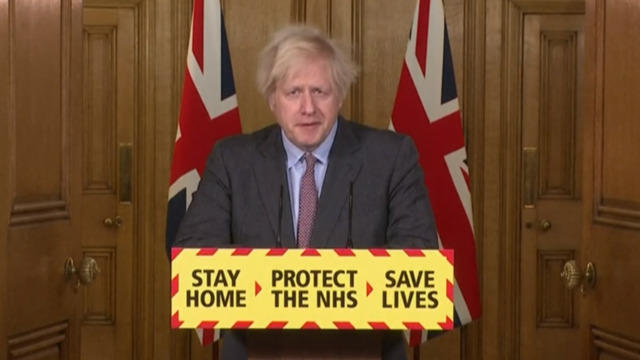
Strict new lockdown measures are sparking backlash in Europe as countries seek to stem the spread of a mutant variant of the virus first identified in the U.K. Charlie D'Agata reports.
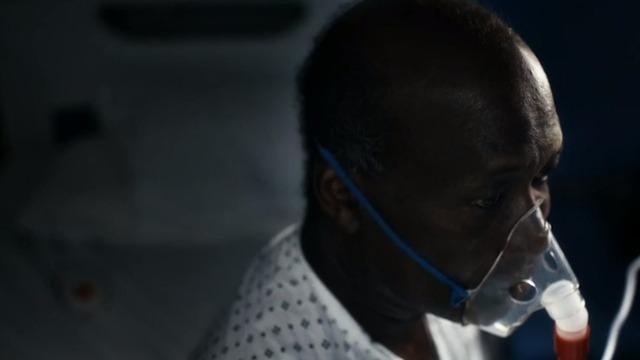
CBS News senior foreign correspondent Elizabeth Palmer reports from London on the global impacts of the ongoing coronavirus pandemic.
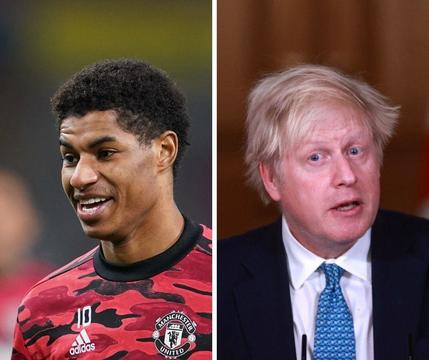
"We MUST do better. This is 2021," the Manchester United star said.

World leaders have condemned the protests at the U.S. Capitol Wednesday night. British Prime Minister Boris Johnson called the scene disgraceful and called for a peaceful transfer of power. Holly Williams reports.
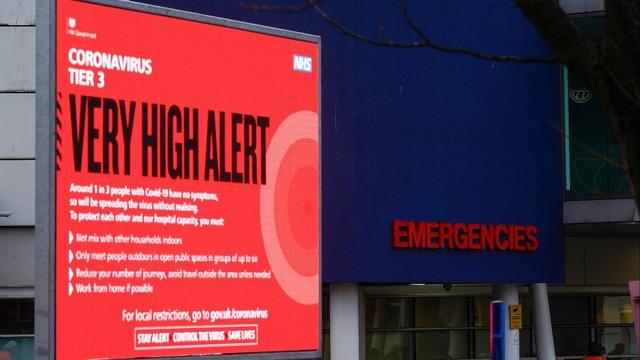
The U.K. has entered a nationwide lockdown for the third time as a new variant to COVID-19 spreads across England. Also, a top government official in Singapore acknowledged that data from the country's contact-tracing program can be accessed by police for criminal investigations, and Mexico's president offered WikiLeaks founder Julian Assange political asylum. CBS News foreign correspondent Roxana Saberi joins CBSN AM from London with those stories.
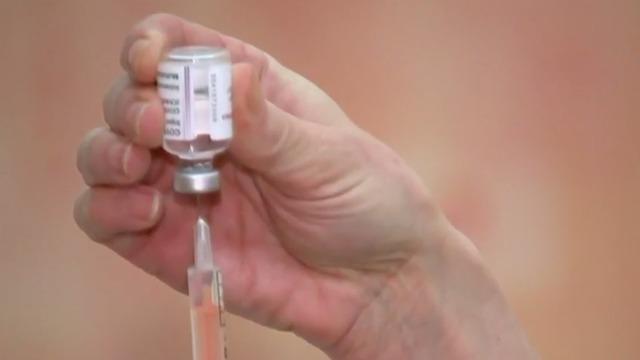
On the day Britain became the first to roll out the new Oxford-AstraZeneca vaccine, Prime Minister Boris Johnson returned the nation to national lockdown, closing all schools to combat spiraling coronavirus cases and hospitalizations. As Charlie D'Agata reports, a dangerous new strain of coronavirus from South Africa is causing concern among scientists.
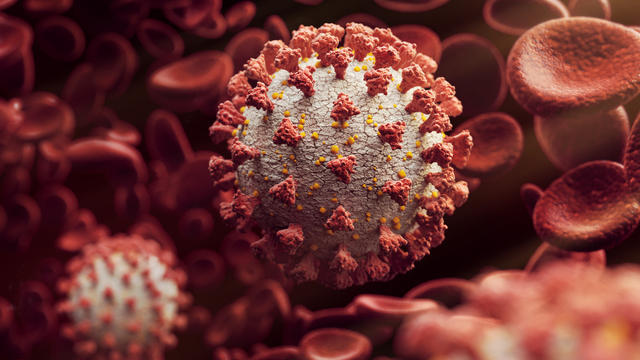
As more Americans get sick with COVID-19, health officials are reporting that a man in New York has contracted a potentially more transmissible variant of the coronavirus first identified in the U.K. Dr. John Moore, professor of microbiology and immunology at Weill Cornell Medical College at Cornell University, joins CBSN to discuss the latest news surrounding the new variant and the lagging U.S. vaccine rollout.
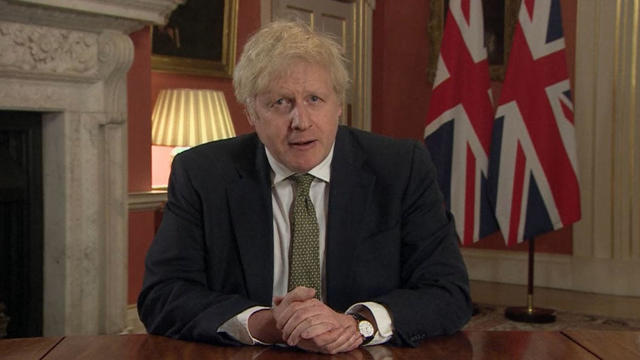
The new restrictions will close all schools and in-person dining.
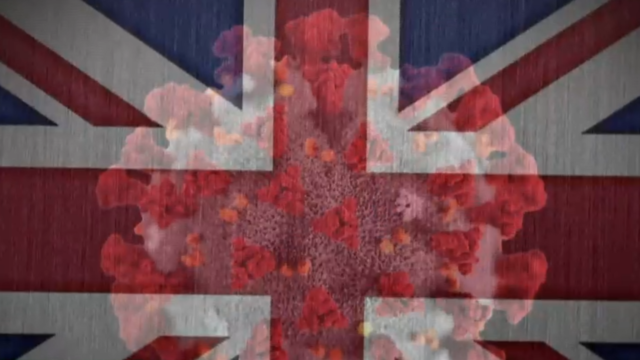
The United Kingdom is battling an acute outbreak, recording more than 50,000 new coronavirus infections a day over the past six days. The new COVID variant is up to 70% more contagious.
Prime Minister Boris Johnson on Monday announced that the United Kingdom will be put back under strict lockdown orders as a new strain of COVID-19 rapidly spreads. CBS News foreign correspondent Elizabeth Palmer joins CBSN's Tanya Rivero from London with the details.

The split leaves the EU smaller and the U.K. freer but more isolated in a turbulent world.

A new coronavirus strain is spreading across the U.K. as the country implements its latest pandemic lockdown and prepares to roll out the Oxford-AstraZeneca vaccine. The new measures come as the country prepares to leave the European Union. CBS News senior foreign correspondent Charlie D'Agata joins CBSN from London to break down the latest on the coronavirus and Brexit.
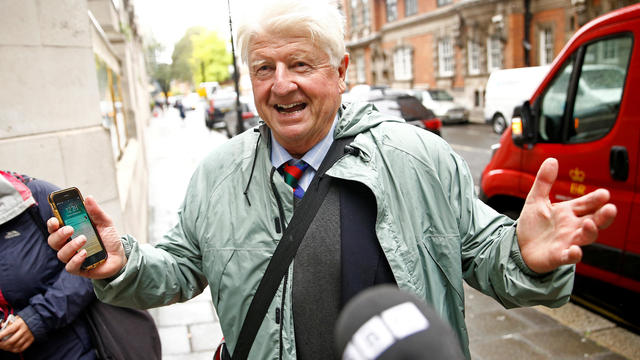
Stanley Johnson says he's in the process of "reclaiming" his French identity.
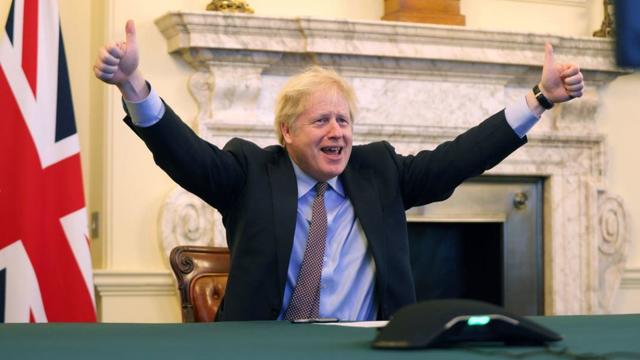
With just over a week until the U.K.'s final split from the European Union, the British government said the "deal is done."
Britain and the European Union have reached agreement a post-Brexit trade deal after months of contentious negotiations. The deal comes almost four years after Britain voted to leave the European bloc. CBS News foreign correspondent Roxana Saberi joined CBSN's Tom Hanson to discuss the latest.
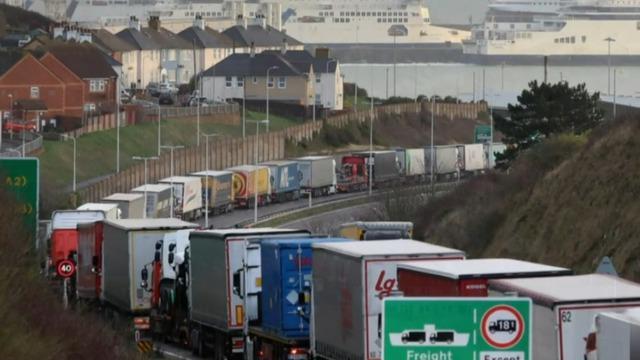
Britain and the European Union have agreed on a trade deal that could help avoid economic chaos at the end of the year, when the U.K. is no longer bound by E.U. trade regulations. CBS News foreign correspondent Roxana Saberi joins CBSN with the latest from London.
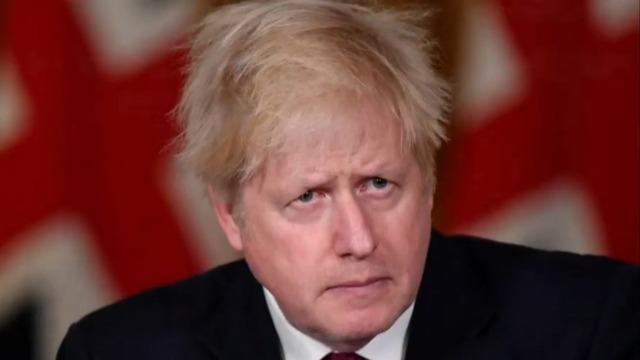
Many countries are enforcing new travel restrictions on the U.K. amid concerns over a new, highly transmissible strain of the coronavirus. London and other parts of the country are back in strict lockdowns to prevent escalating spread.CBS News correspondent Imtiaz Tyab joins CBSN from London with the latest.

British Prime Minister Boris Johnson is imposing new stay-at-home orders ahead of Christmas now that a new coronavirus strain has been found spreading in the country. Many other nations are imposing travel bans on the U.K. in an attempt to keep the strain out. CBS News correspondent Ian Lee joins CBSN from London with more on the situation.
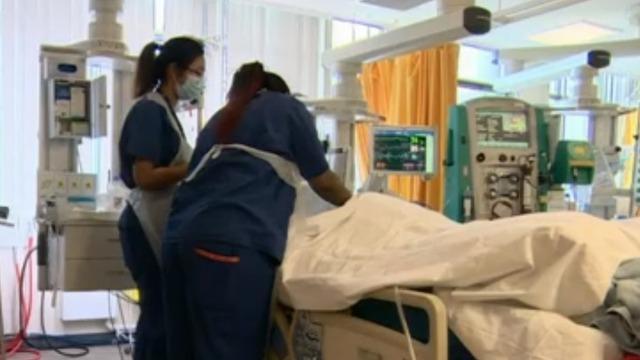
Countries around the world are banning or restricting travel to and from the U.K. after a new, highly-transmissable COVID strain has gripped that country. Some 18 million people are now facing a Christmas in lockdown as the government there tries to fight the spread. Foreign correspondent Imtiaz Tyab reports.
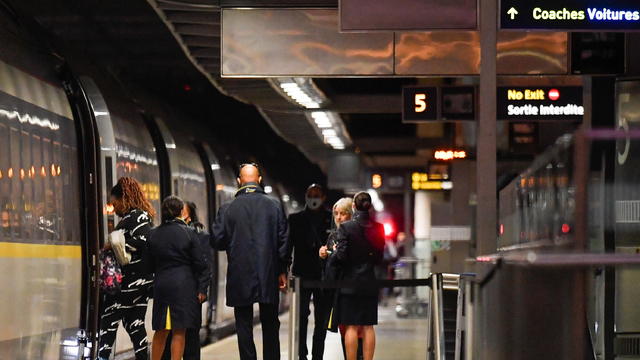
At least six European countries have said flights will cease — if they haven't already — while France and Belgium have also banned train travel.
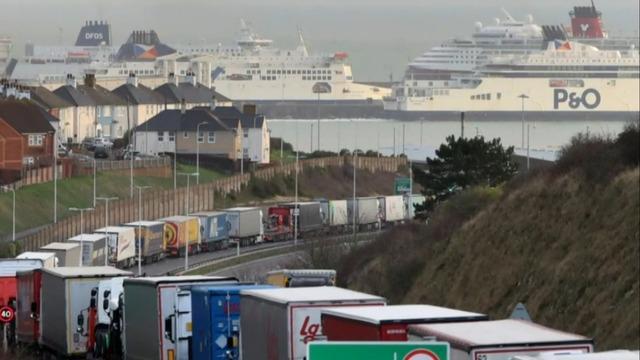
European Commission President Ursula von der Leyen says a trade deal between the E.U. and U.K. is closer than ever. CBS News senior foreign correspondent Elizabeth Palmer joins CBSN to break down what the outstanding issues are and what could happen if there is no agreement.

Researchers say 92% of glaciers near the Alps could be lost by 2100 because of climate change. Brexit talks resume before the December 31st deadlines. The Duke and Duchess of Cambridge embark on a royal train tour. And a WWII-era bomb was defused in Frankfurt, Germany. CBS news foreign correspondent Chris Livesay joins "CBSN AM" from Rome with today's global headlines.