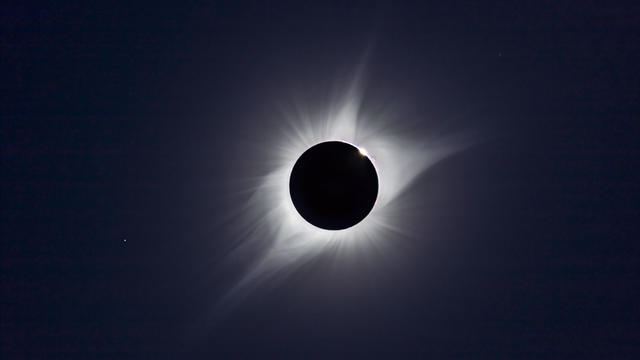
April 8 total solar eclipse will be last one visible from U.S. until 2044
The total solar eclipse on April 8, 2024, will be the last one to be visible from the contiguous U.S. until 2044.
Watch CBS News
The total solar eclipse on April 8, 2024, will be the last one to be visible from the contiguous U.S. until 2044.
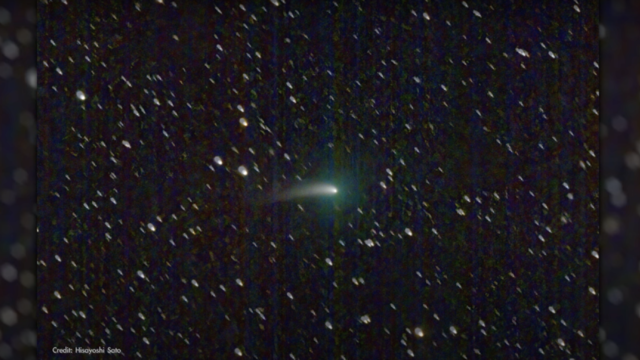
The comet C/2022 E3 (ZTF) is believed to have traveled billions of miles from the most distant region of the solar system — and this will likely be the only time it's visible from Earth for thousands of years.
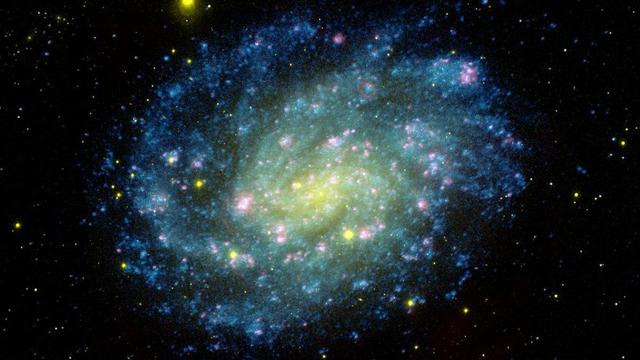
NASA shared a photo of a mesmerizing galaxy 7 million miles away lit up in the bright colors of Brazil, Pelé's home nation.

The year's final SpaceX launch put an Israeli Earth-imaging satellite into orbit.
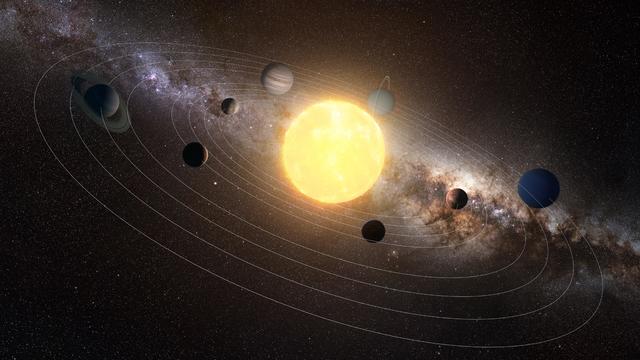
The astronomical phenomenon gave skywatchers a good view of Mercury, Venus, Mars, Jupiter and Saturn with the naked eye.
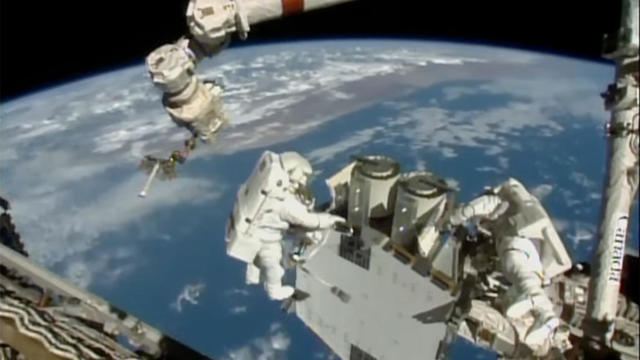
The new roll-out solar arrays will help make up for age-related degradation in the International Space Station's original solar wings.
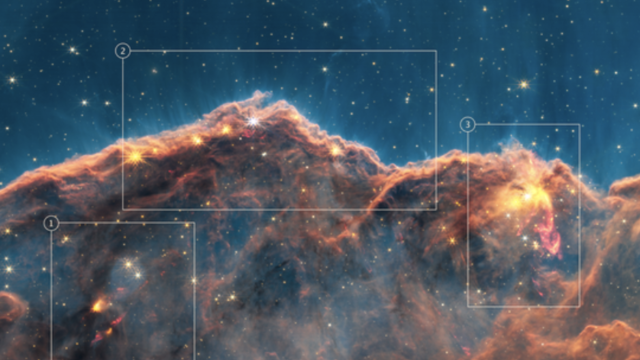
NASA was able to capture a "gallery of objects ranging from small fountains to burbling behemoths" deep in space: "It's like finding buried treasure."
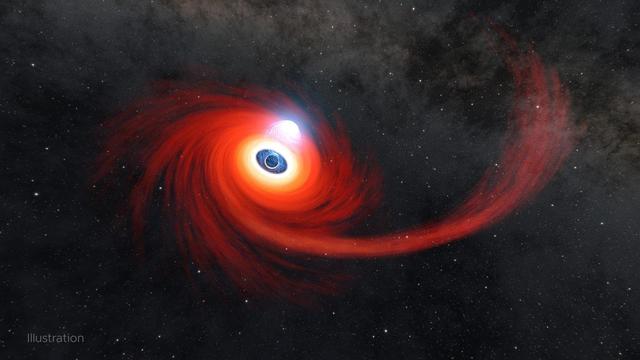
The tidal disruption event provided astronomers with an "unprecedented view" of how a corona is formed and evolves.

InSight recently sent back one last selfie after four years of exploring the red planet.

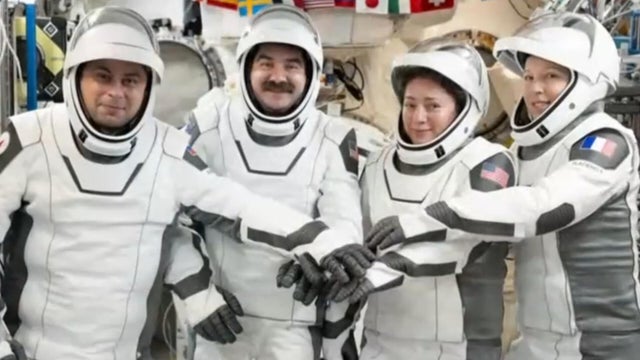
The Russians say a replacement Soyuz can be launched if one suffering from a coolant leak is unflightworthy.

SpaceX pushed reusability to new heights while launching another batch of Starlink internet satellites.

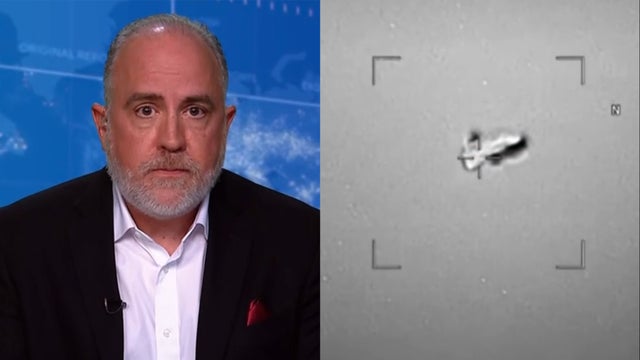
But there's no evidence so far of alien life, the Defense Department said Friday.

The SWOT satellite will monitor water height around the world to shed light on the impacts of climate change.

The Russian Soyuz crew ferry ship docked at the International Space Station remains relatively healthy despite a major coolant system leak.

It's not yet known what caused the leak, or whether the Soyuz is still flight worthy.