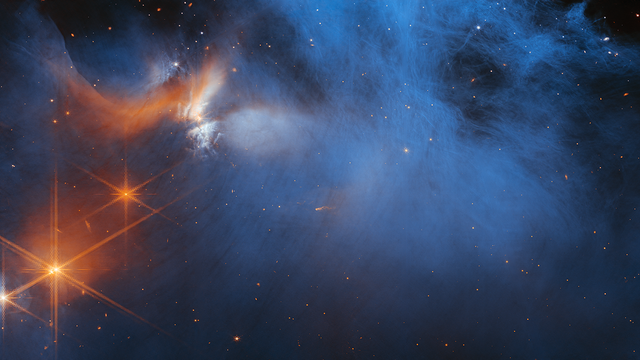
NASA gets best look yet at the "deepest, coldest ices" in space
The icy ingredients studied in a molecular cloud 500 light-years away provide a "spectral snapshot" of the origins of space bodies.
Watch CBS News
The icy ingredients studied in a molecular cloud 500 light-years away provide a "spectral snapshot" of the origins of space bodies.
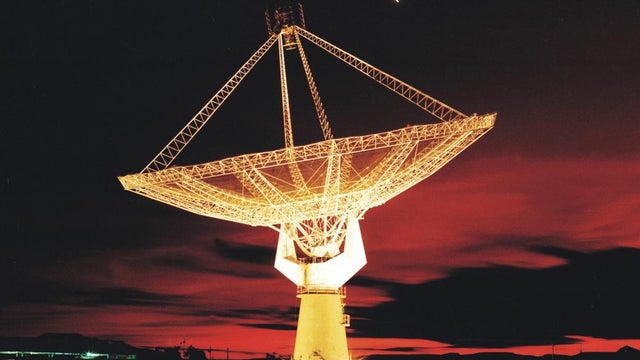
Researchers have captured a radio signal from the most distant galaxy to date.
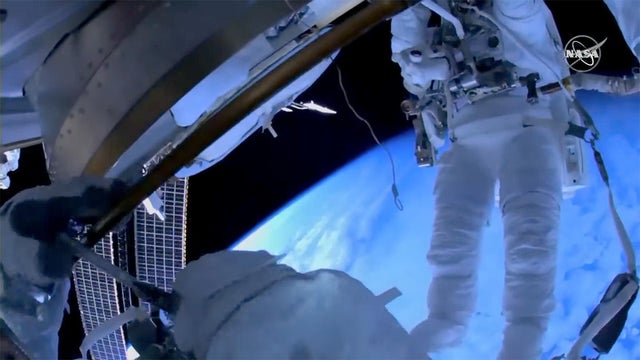
Spacewalks in low-Earth orbit face a small but very real threat from debris and and micrometeoroids whizzing by at extreme velocities.
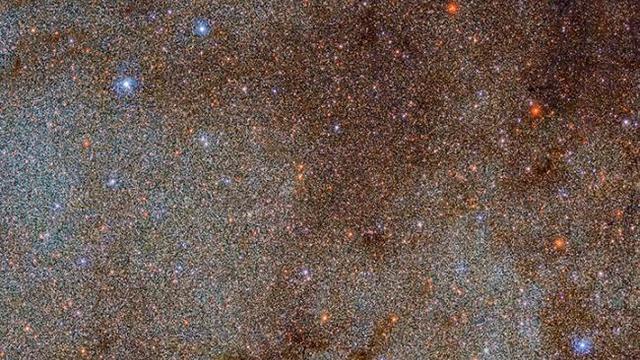
Stunning images released by the National Science Foundation show the most expansive slice of the galaxy to date produced by a single camera.
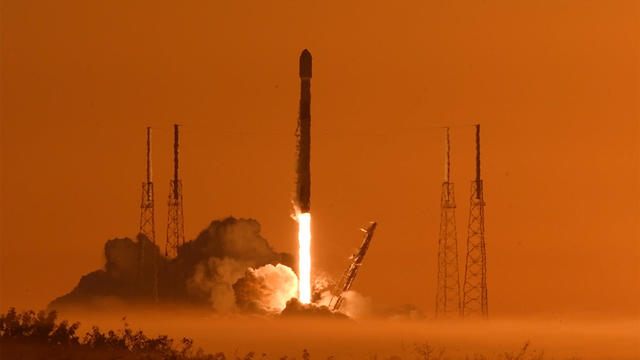
The latest GPS satellites feature three times greater accuracy and eight times better jam-proofing.
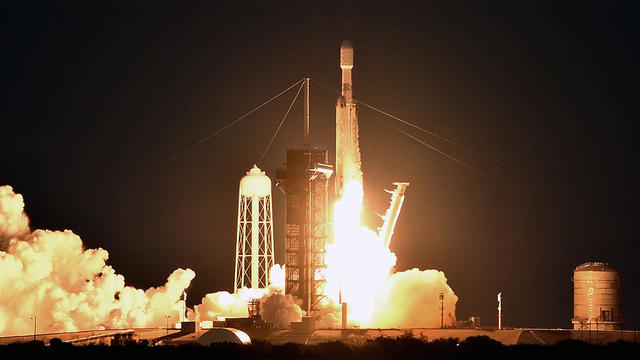
The Falcon Heavy chalked up an apparently flawless climb to space in its second national security mission.
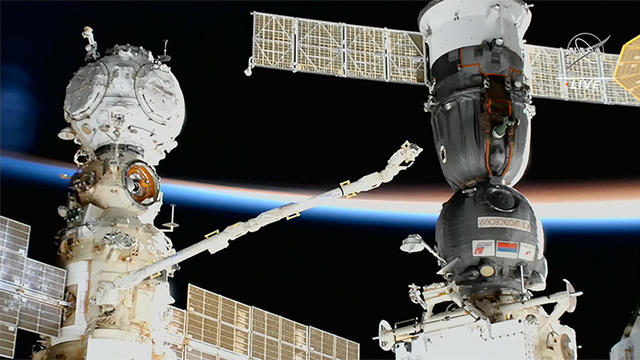
The crew of the damaged Soyuz MS-22 will spend several extra months in space and return to Earth in a replacement ship.
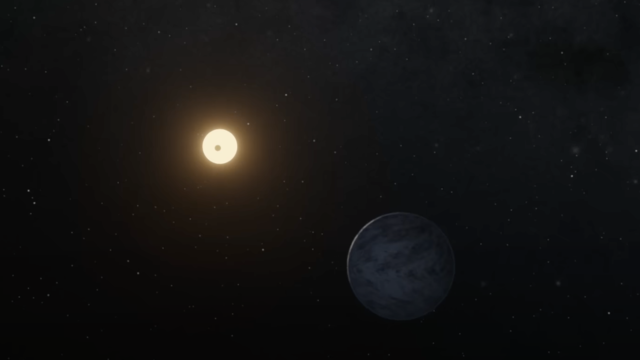
A habitable zone is an area just the right distance from a star so water can exist on a planet's surface and the conditions are neither too hot nor too cold for life.
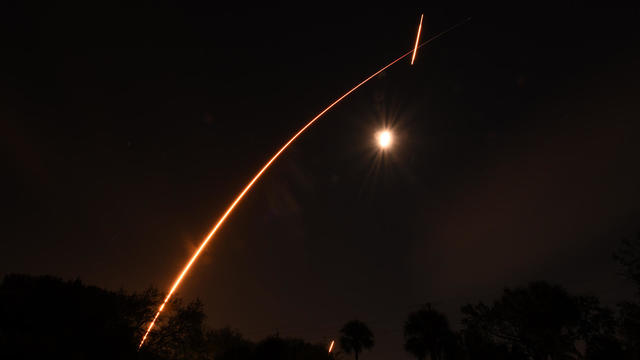
It was the second Falcon 9 launch helping OneWeb recover from a post-Ukraine break with Russian rockets.

Nine small satellites were lost in the mishap in what was the rocket's first launch with customer payloads on board.
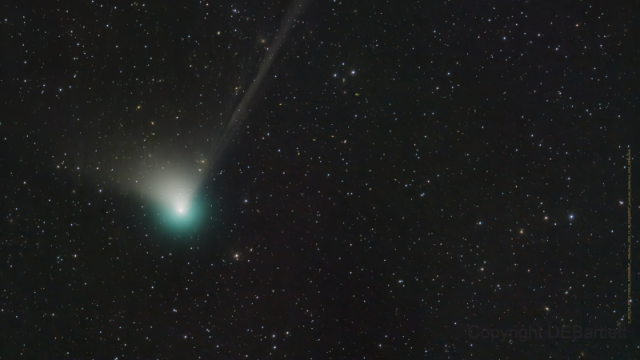
C/2022 E3 (ZTF) hasn't been visible on Earth since the last ice age. Here's how to see it yourself.

Cunningham was one of three men who served on the first human test flight of the Apollo spacecraft, a mission that helped pave the way for astronauts to walk on the moon for the first time just months later.
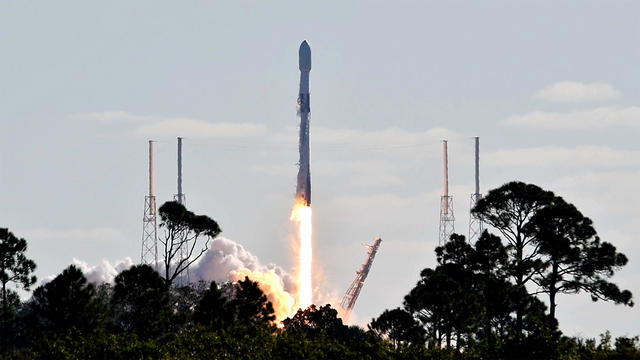
SpaceX offers low-cost rideshare missions to provide access to space for smaller satellite operators.
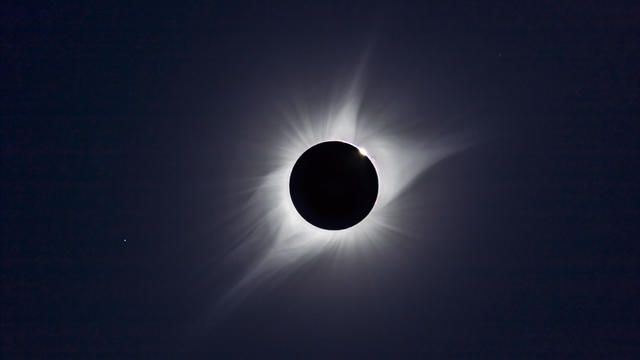
The total solar eclipse on April 8, 2024, will be the last one to be visible from the contiguous U.S. until 2044.
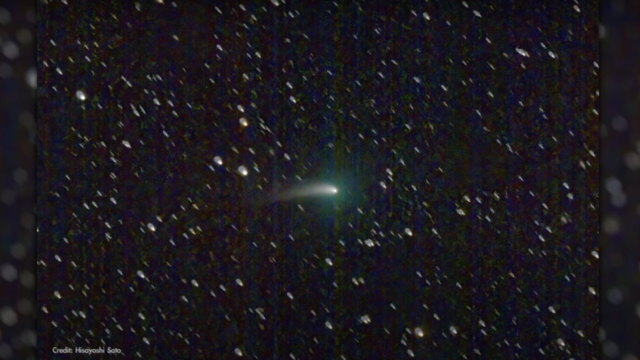
The comet C/2022 E3 (ZTF) is believed to have traveled billions of miles from the most distant region of the solar system — and this will likely be the only time it's visible from Earth for thousands of years.