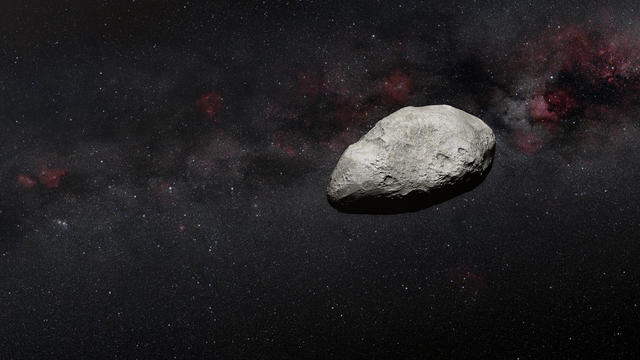
New algorithm spots its first "potentially hazardous" near-Earth asteroid — and it's 600 feet long
The algorithm will eventually be used at the Vera C. Rubin Observatory, a survey telescope being built in Chile.
Watch CBS News
The algorithm will eventually be used at the Vera C. Rubin Observatory, a survey telescope being built in Chile.

The final Antares 230+ rocket will send a Cygnus cargo ship to the space station with 8,300 pounds of equipment and supplies.
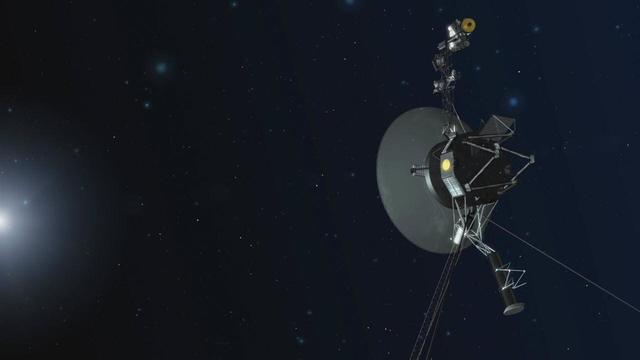
NASA has heard a "heartbeat" from its Voyager 2 spacecraft after a wrong command accidentally cut off communications.

Former President Donald Trump sought to move the command's headquarters to Alabama in his final days in office.

The reentry assist, a world first, meant teams were tasked with guiding Aeolus through part of its descent, from an altitude of 320 kilometers to 120 kilometers, before burning up in Earth's atmosphere.
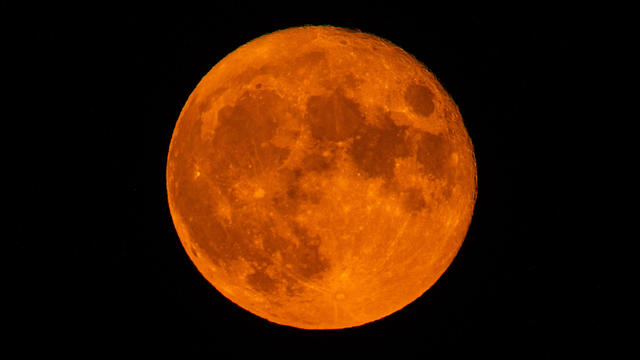
August features a pair of supermoons. The second supermoon will be a rare blue moon.

Making only its seventh flight, the triple-core Falcon Heavy put on a spectacular overnight show with dramatic side-by-side booster landings.
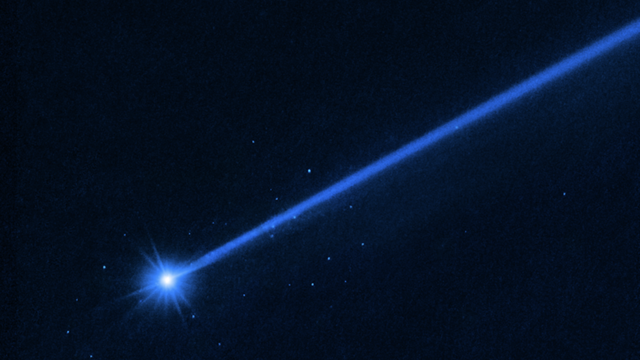
NASA said that redirecting an asteroid could lead to "a cluster of threatening boulders heading in our direction."

The blackouts could come days after a series of plasma clouds burst from the sun, which triggered a minor solar radiation storm.

It was a "text-book launch" for the rocket carrying the Chandrayaan-3 spacecraft on its lunar mission, with the next big test less than 2 months away.

The ViaSat-3 was expected to provide space-based internet access to customers in the western hemisphere starting this summer.

The company is implementing a fix to prevent hydrogen leaks like one that destroyed a Centaur upper stage in a test failure.
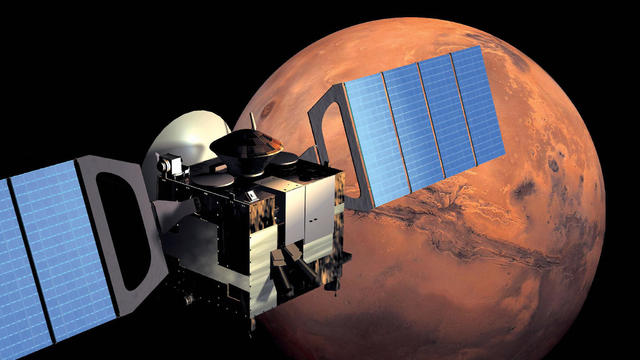
The minimum distance between Mars and Earth is about 34 million miles, according to NASA.
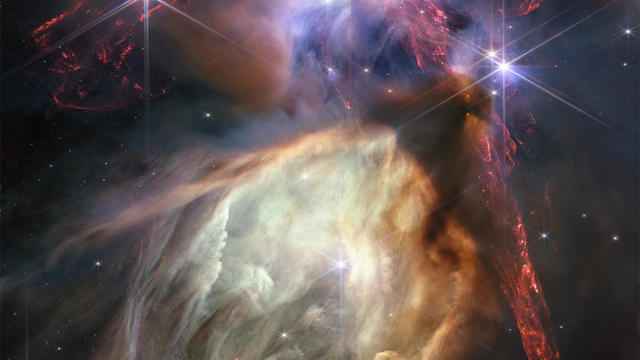
The stellar nursery in the Rho Ophiuchi cloud complex features about 50 young stars, all similar to Earth's sun or smaller.

The forecast for the aurora borealis has changed.