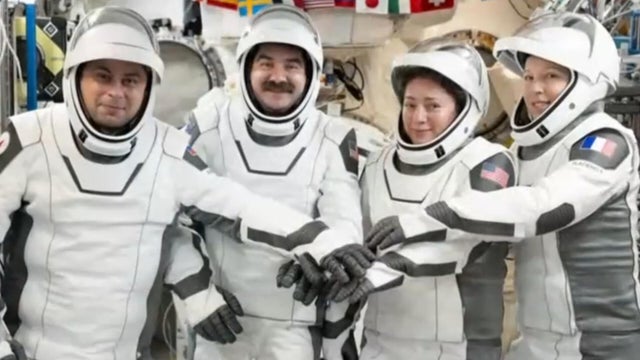
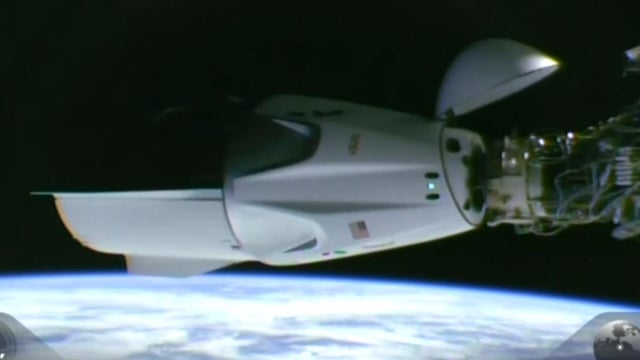
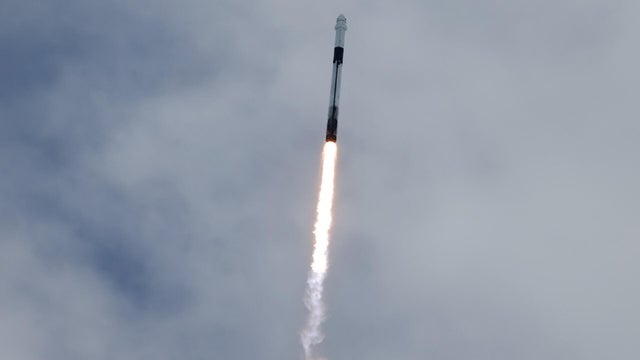
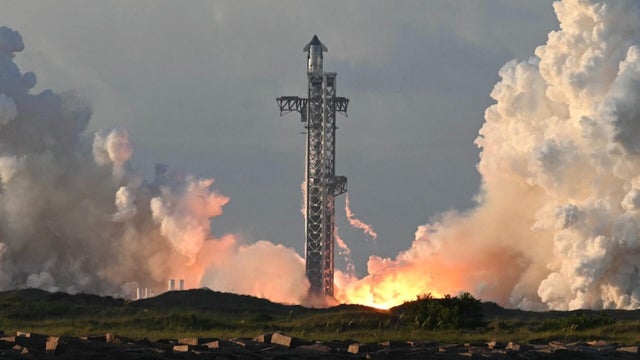
Boeing's Starliner with crew on board cleared for second launch try
If the first piloted test flight goes well, NASA hopes to certify the Starliner for regularly scheduled service starting next year.
Watch CBS News
If the first piloted test flight goes well, NASA hopes to certify the Starliner for regularly scheduled service starting next year.
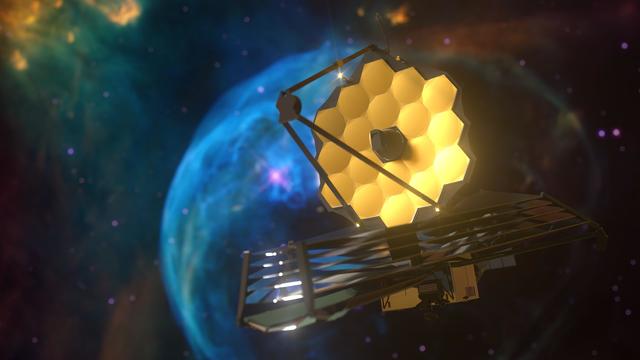
The galaxy was spotted as astronomers and scientists studied what's known as "Cosmic Dawn."

Scientists used decades-old images to track changes on the planet's surface.

Engineers are confident the leak will not worsen in flight, and even if it does, the Starliner can safely launch June 1.
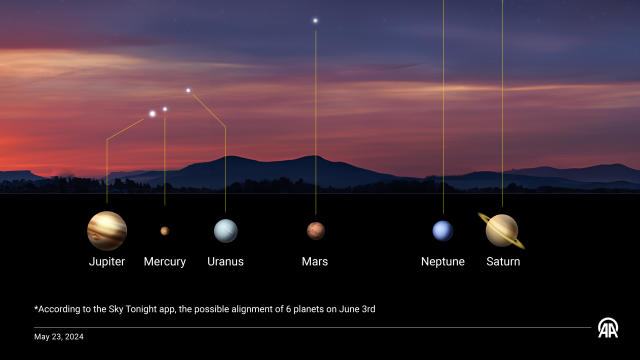
The orbits of six planets will bring them to the same side of the sun to create a "planetary parade" in early June.
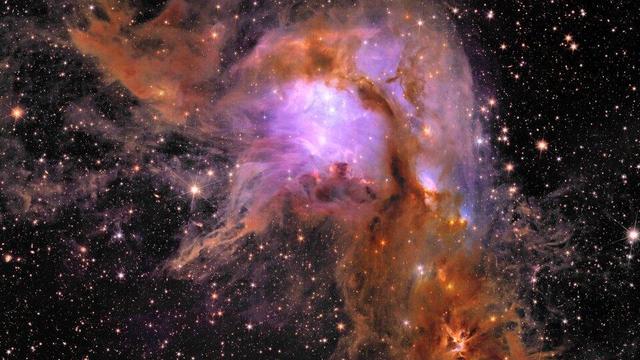
Shining galaxies, a purple and orange star nursery and a spiral galaxy are among the new images.

NASA managers have ordered additional reviews of a small helium leak in Boeing's Starliner spacecraft to make sure it can be safely launched as is.
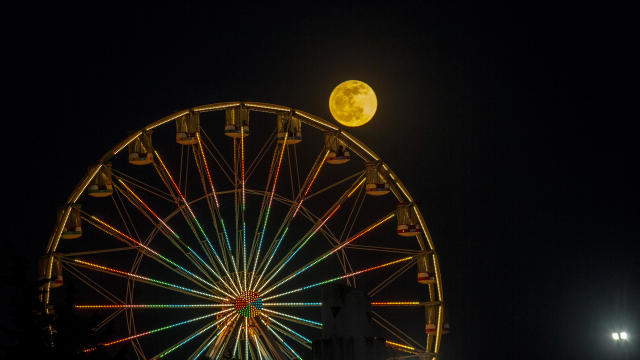
May's full moon will peak on Thursday morning, but the Flower Moon already appears full.
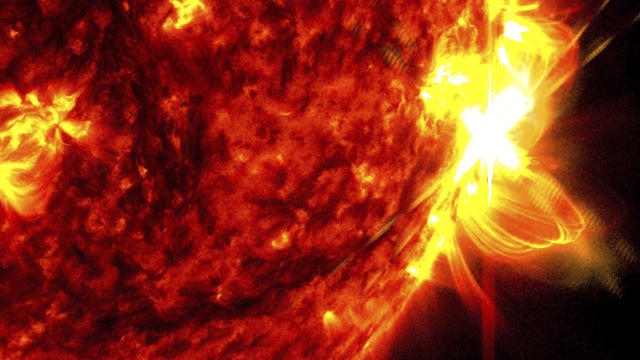
New research indicates the sun's magnetic field originates much closer to the surface than previously thought, a finding that could help predict extreme solar storms.

NASA ruled out a planned Saturday launch of Boeing's Starliner to allow more time for analysis of a small, but persistent helium leak in the ship's propulsion system.
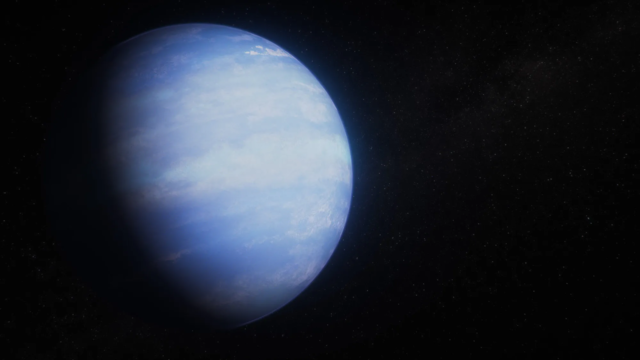
Studying the atmosphere of a "puffy" exoplanet about 200 light-years from Earth may have unraveled a confounding cosmic mystery.
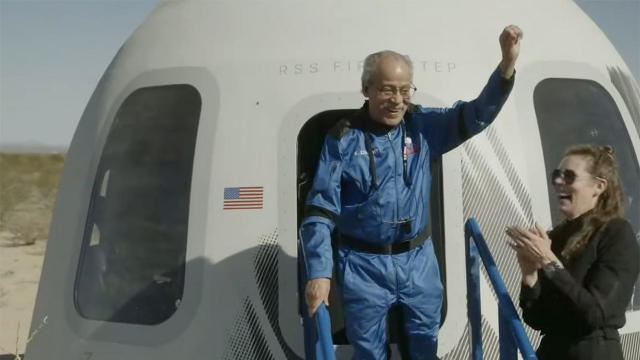
Ed Dwight trained to become the first African American astronaut but was never asked to join NASA. He finally flew into space on Sunday.

Ongoing work to resolve a persistent helium leak has pushed the first piloted Starliner flight back at least four more days, to May 25.

The large explosion of energy and light from the sun comes just days after Earth was slammed with the biggest geomagnetic storm in more than 20 years.

WASP-193b is 50% larger than Jupiter — the largest planet in our solar system — but seven times less massive because of it's extraordinarily low density.