SpaceX launches 33rd cargo delivery mission to the International Space Station
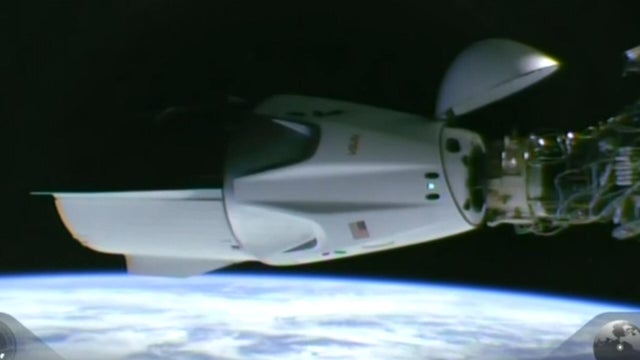
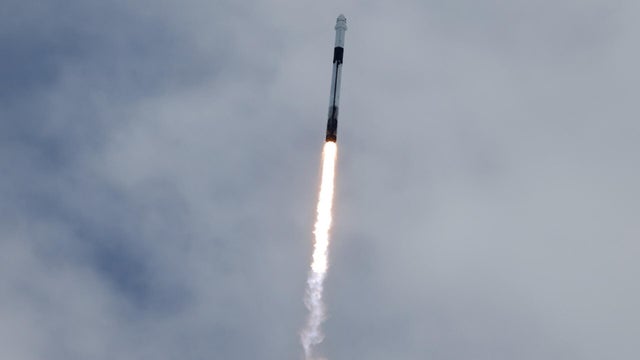
SpaceX sent up a Dragon capsule loaded with 2.5 tons of equipment and supplies, along with an add-on thruster kit to help maintain the lab's altitude
Watch CBS News
SpaceX sent up a Dragon capsule loaded with 2.5 tons of equipment and supplies, along with an add-on thruster kit to help maintain the lab's altitude
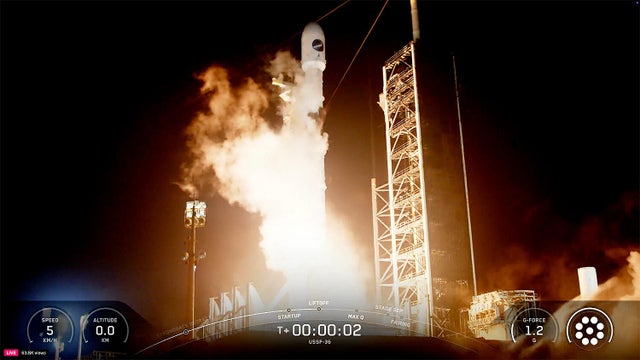
During its secretive mission, the X-37B will test new laser communications gear and a "quantum" navigation sensor.
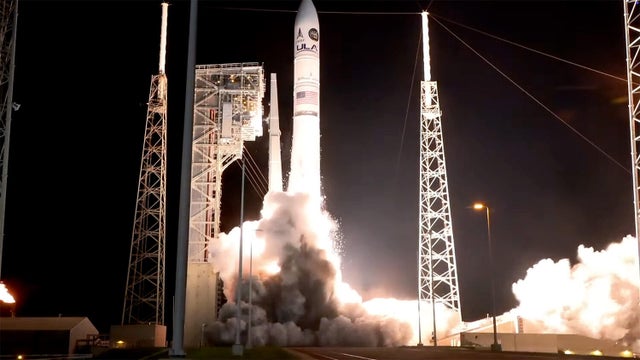
ULA's Vulcan is replacing the company's workhorse Atlas 5 rocket and the already-retired Delta 4 family of launchers.
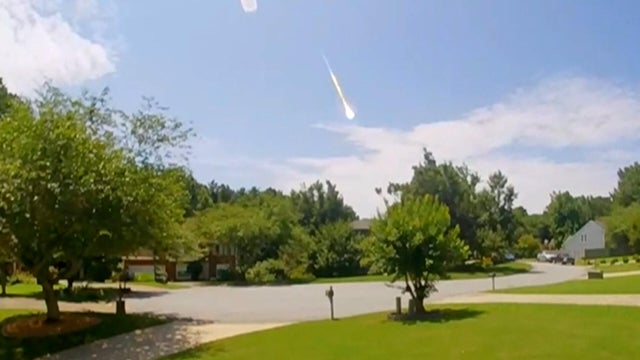
A mysterious fireball blazed across the sky in broad daylight on June 26, sparking hundreds of siting reports in Georgia and South Carolina.
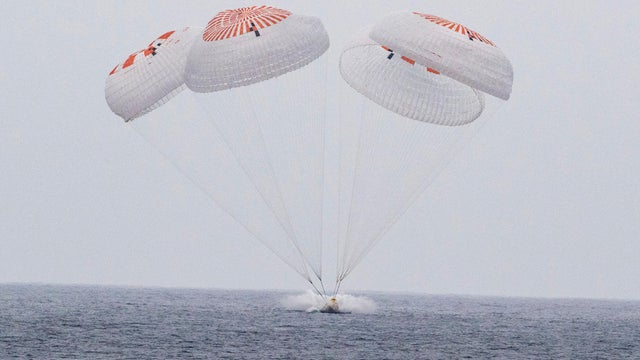
The splashdown off San Diego closed out a 148-day mission for two NASA astronauts, a Japanese flier and a Russian cosmonaut.
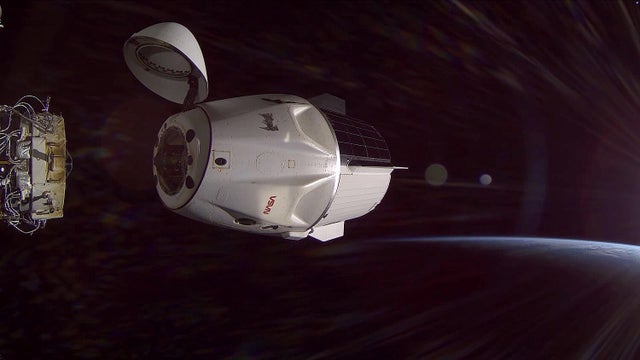
Crew 10 is the first NASA-sponsored crew that will land in the Pacific Ocean. All previous NASA Crew Dragon flights ended with splashdowns off the Florida Gulf coast or the Atlantic Ocean.
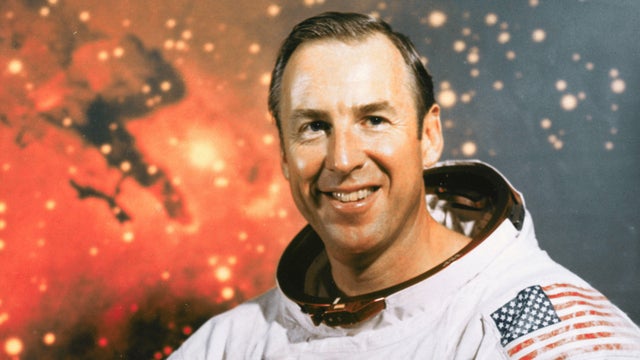
Astronaut Jim Lovell circled the moon on Apollo 8 and helped bring Apollo 13 home safely despite a mishap far from Earth.
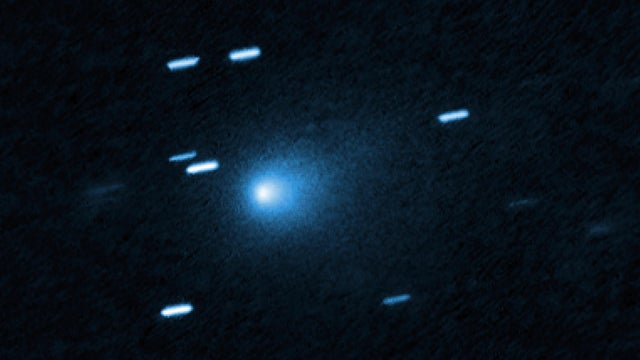
Discovered last month by a telescope in Chile, the comet known as 3I-Atlas is only the third known interstellar object to pass our way.
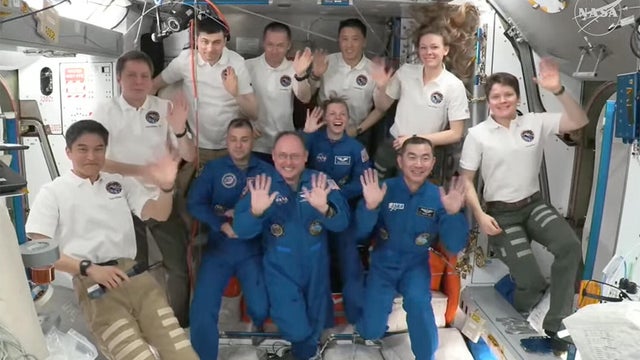
The arrival of Crew 11 clears the way for four other station fliers to return to Earth next week after a 145-day stay in space.
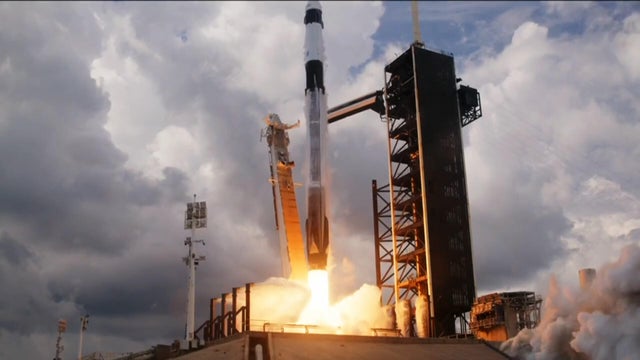
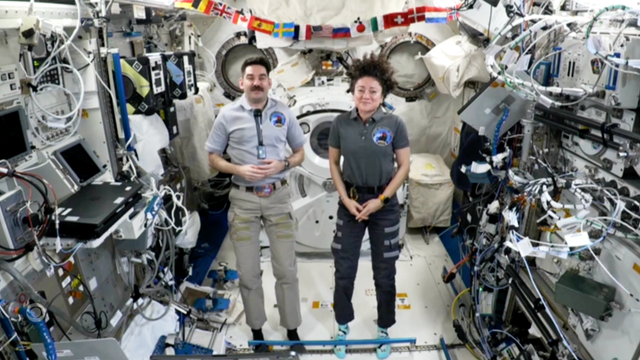
The three-man one-woman crew plans to spend at least six months and possibly longer aboard the International Space Station.
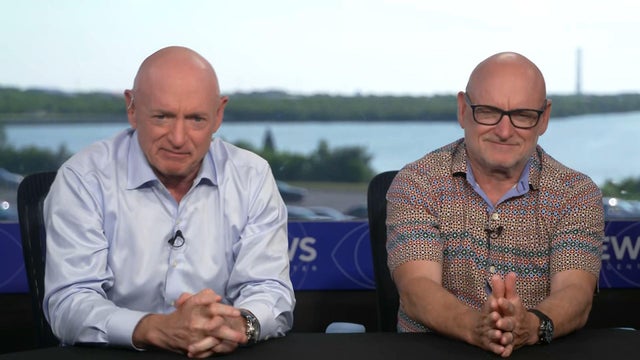
Mark and Scott Kelly, twin brothers and former NASA astronauts, spoke to "CBS Mornings" about how the agency is set to lose 20% of its workforce, the SpaceX flight and more.
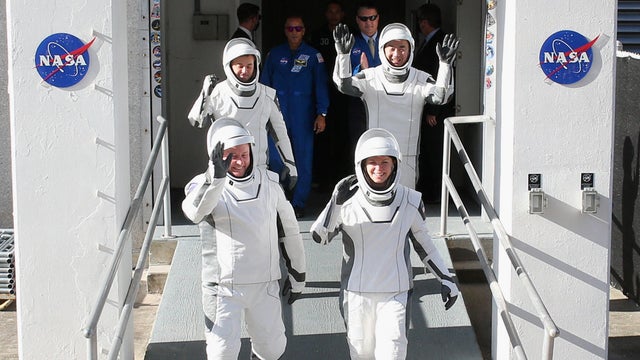
The Crew 11 flight includes three fliers headed for space after reassignments in the wake of problems with Boeing's Starliner capsule.
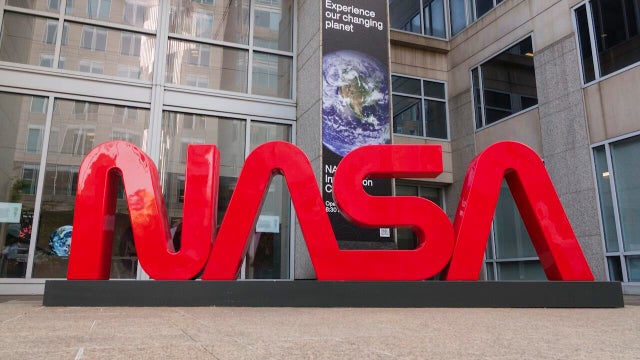
About 3,870 employees have applied to depart NASA over two rounds through the Trump administration's deferred resignation program, the agency disclosed.
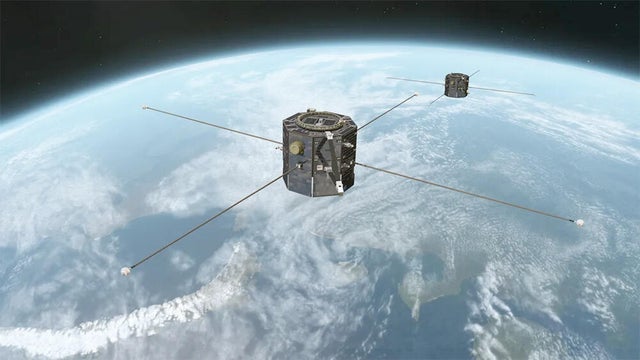
Along with launching two NASA probes, the SpaceX Falcon 9 rocket carried five other satellites into orbit with goals ranging from basic science to technology development.
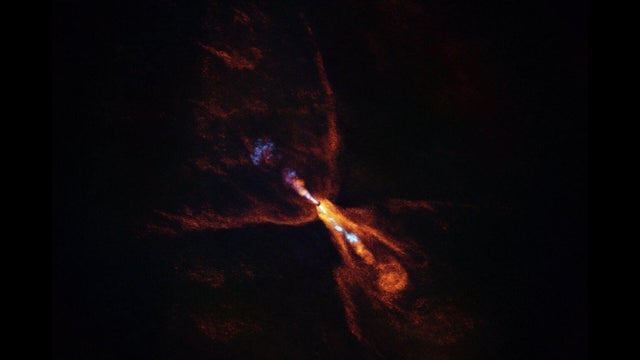
Astronomers have discovered the earliest seeds of planets forming around HOPS-315, a baby star located 1,300 light-years away.