NASA hopes to return Crew 11 to Earth next week over medical issue
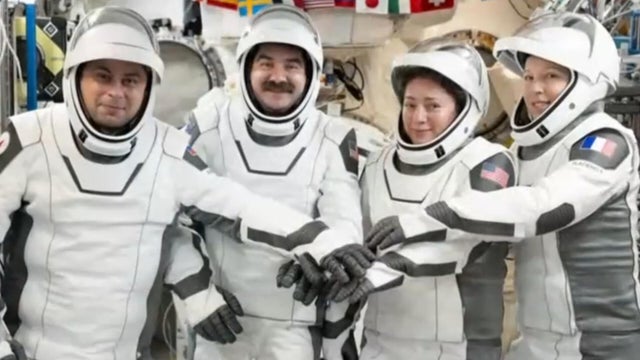
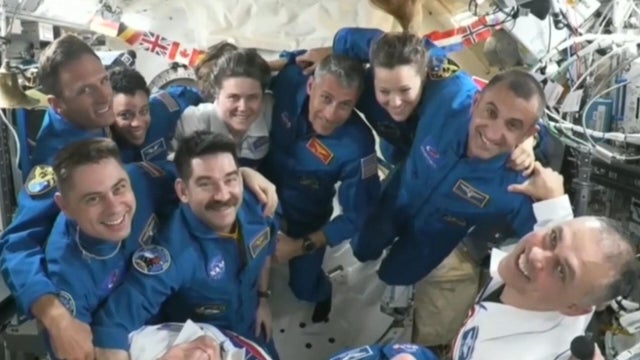
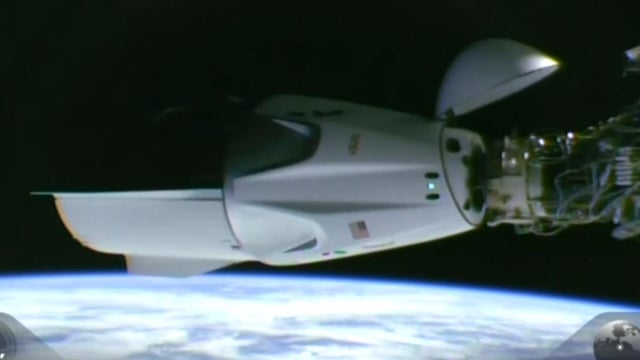
NASA officials reported Thursday that an unidentified member of Crew 11 was dealing with "a medical situation" that would require the crew to return to Earth sooner than anticipated.
Watch CBS News
NASA officials reported Thursday that an unidentified member of Crew 11 was dealing with "a medical situation" that would require the crew to return to Earth sooner than anticipated.
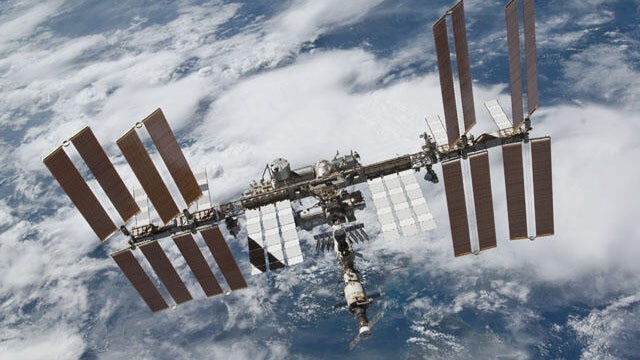
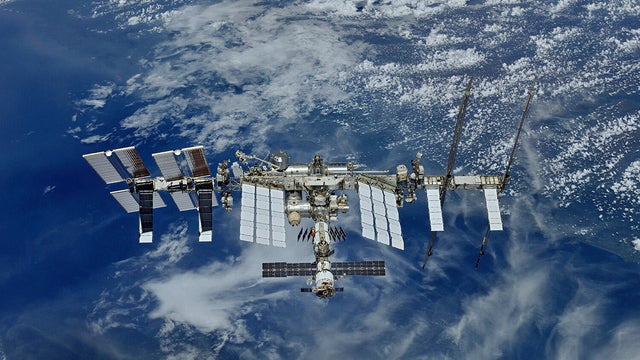
A planned spacewalk outside the International Space Station was scrapped because of what NASA called a "medical concern" with an unidentified crew member.
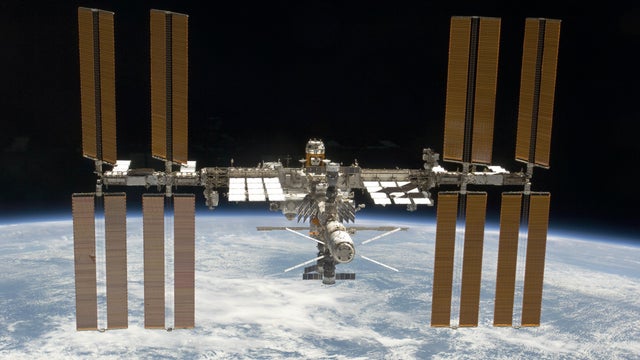
NASA said the unidentified astronaut is "stable," but the agency is considering all options, including a possible early return to Earth for Crew 11
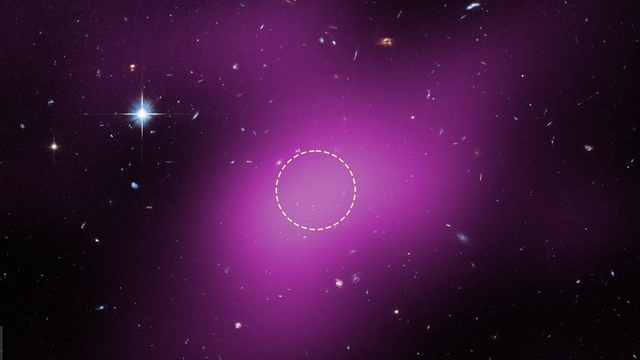
The hydrogen cloud is a remnant of the universe's early formation, NASA said in a news release.

NASA is gearing up to send four Artemis astronauts on looping test flight around the moon in 2026.
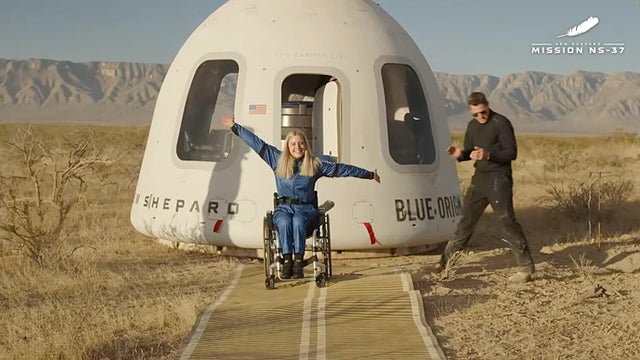
German engineer Michaela Benthaus is the first person with a significant physical handicap to reach space.

President Trump withdrew Isaacman's nomination for NASA administrator in April, before nominating him again in November.
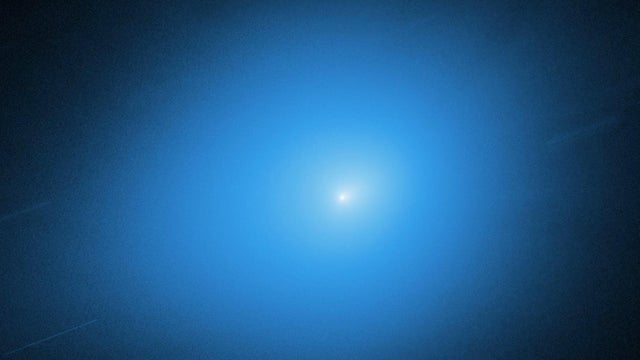
NASA continues to aim its space telescopes at the visiting ice ball, estimated to be up to 3.5 miles in size.

Super-Earth TOI-561b is about 40 times closer to its host star than Mercury is to the sun.
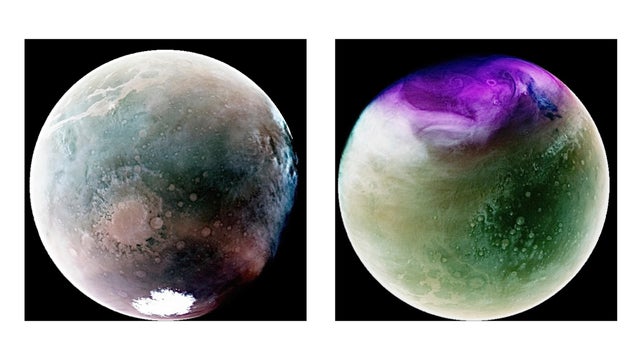
NASA has lost contact with a spacecraft that's been orbiting Mars for more than a decade.
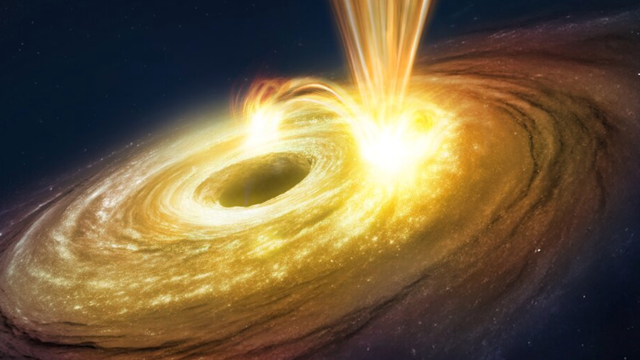
The European Space Agency said that the black hole inside the spiral galaxy NGC 3783 has the mass of 30 million suns.

Russian Soyuz crews are now spending eight months aboard the space station instead of six to stretch supplies and lower costs.
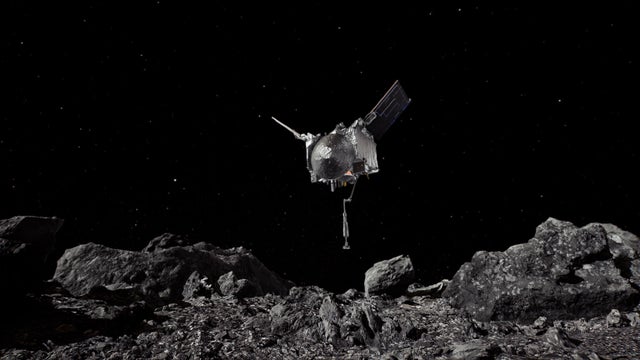
Samples collected from the asteroid Bennu are continuing the shed light on the origins of the solar system and how life developed on Earth, scientists say.
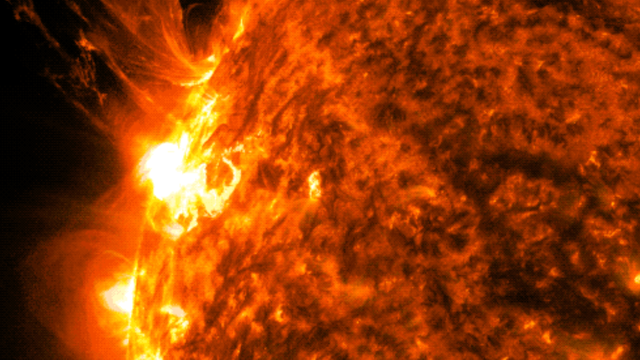
Solar flares and other activity can disrupt radio communications, power grids and navigation signals, according to NASA.
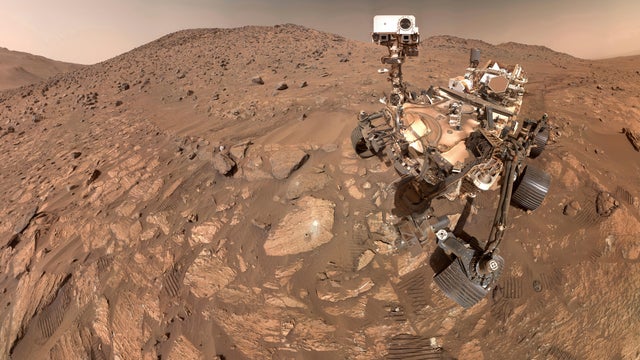
Researchers have documented 55 instances of "mini lightning" over two Martian years by eavesdropping on the whirling wind recorded by NASA's Perseverance rover.