6 U.S. service members killed in Iranian strike in Kuwait, Pentagon says
The first U.S. casualties of the war with Iran occurred among American personnel based in Kuwait.
Watch CBS News
The first U.S. casualties of the war with Iran occurred among American personnel based in Kuwait.
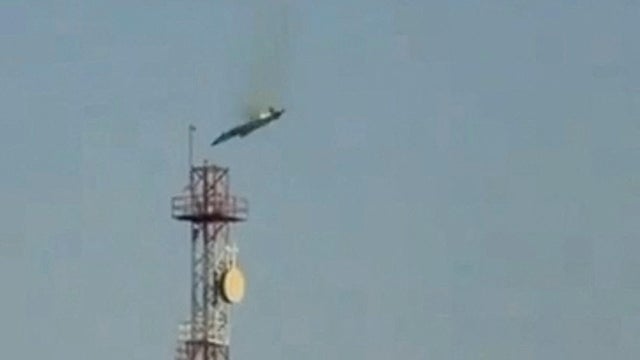
Three American fighter jets were "mistakenly shot down by Kuwaiti air defenses," CENTCOM said in a statement Monday, as the war with Iran continued for a third day.
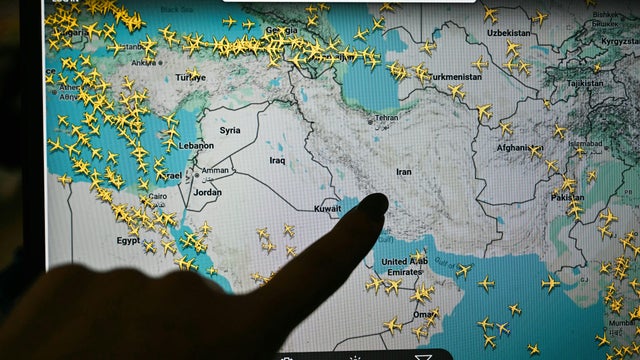
Air travel chaos intensified as the war with Iran stretched into a third day — keeping airspace and airports in the Middle East closed and leaving travelers stranded.
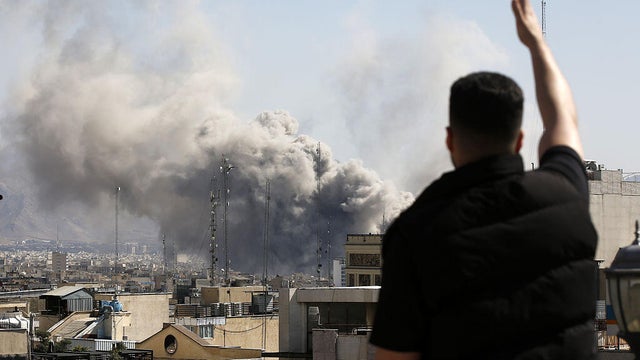
The U.S. military says three troops have been killed in the war with Iran, as President Trump says the operation is proceeding "ahead of schedule." Follow live updates.
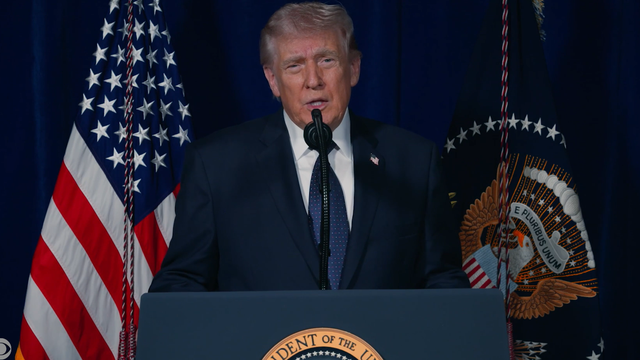
"Sadly, there will likely be more before it ends. That's the way it is. Likely be more," President Trump said after mentioning the three U.S. service members killed in the operation.
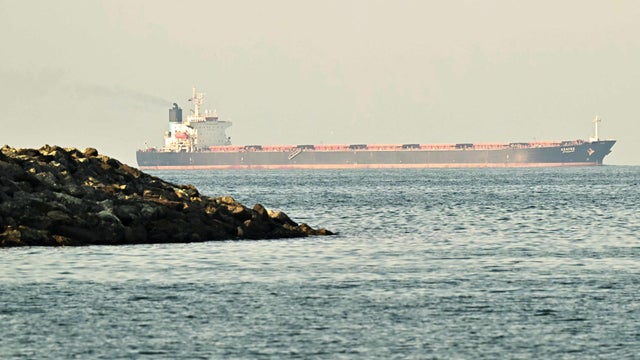
Oil prices rose sharply when market trading began late Sunday over concerns that the supply from Iran and elsewhere in the Middle East would slow or grind to a halt.
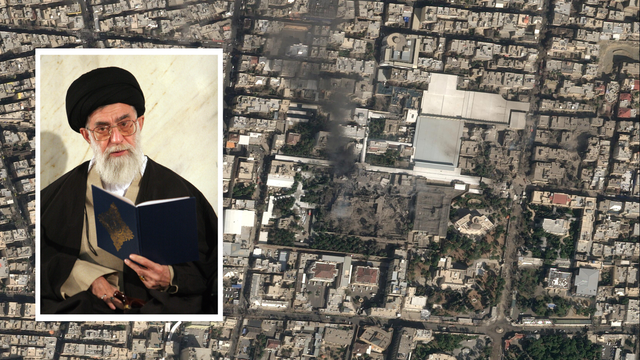
President Trump said that "heavy and pinpoint bombing" of Iran would "continue, uninterrupted throughout the week or, as long as necessary."
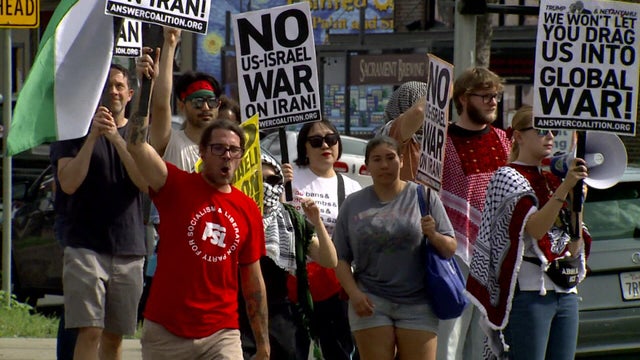
Anti-war demonstrators mobilized in Sacramento on Saturday to voice their opinions about the deadly strikes in Iran.
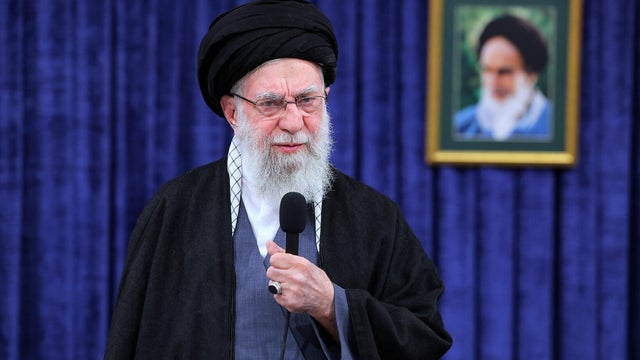
President Trump posted on social media that Iranian Supreme Leader Ayatollah Ali Khamenei had been killed after a massive U.S. and Israeli military operation Saturday.
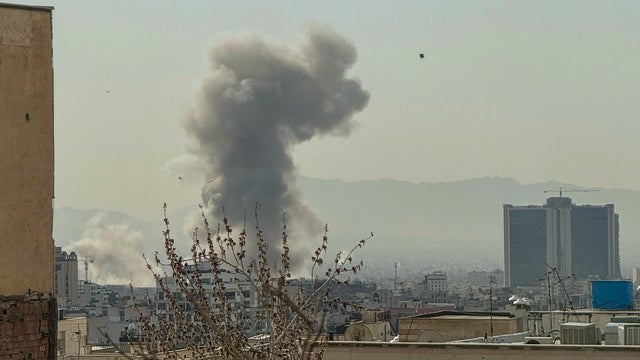
Trump ally Sen. Lindsey Graham said the operation would be "violent, extensive and I believe, at the end of the day, successful."
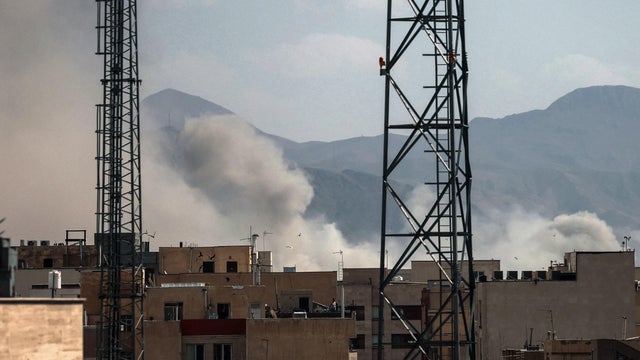
The Israel Defense Ministry said in a statement that it launched the strike because it was expecting "a missile and drone attack" from Iran "in the immediate future."
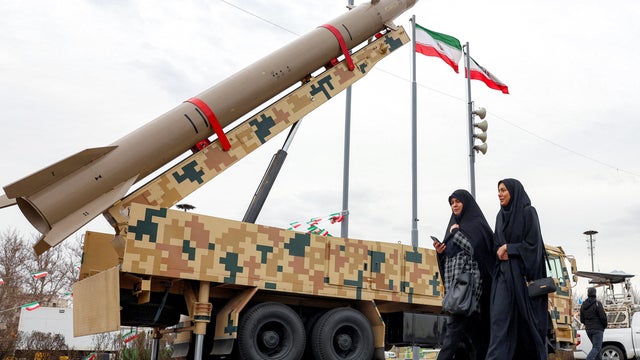
Trump says he won't let Iran to build a nuclear weapon, and Iran says it doesn't intend to, but as talks resume, experts see war as more likely than a deal.
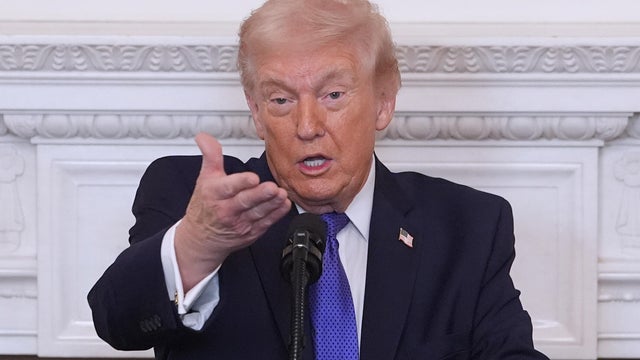
"I guess I can say I am considering that," President Trump told reporters when asked about the possibility of a limited strike on Iran.
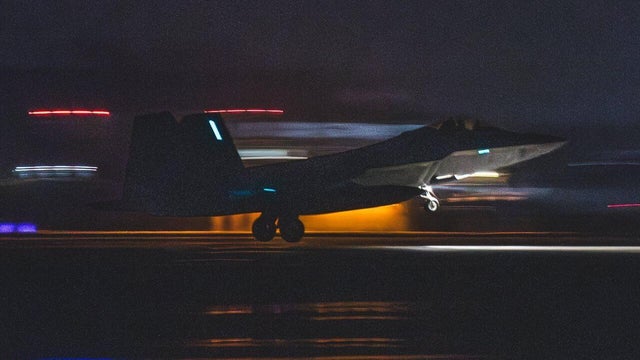
As Trump pressures Iran, he's spoken of an "armada" heading for the Mideast, but there's another massive movement of American fire power in the air.
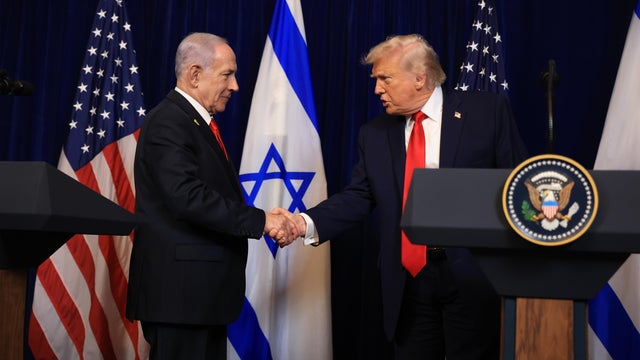
President Trump met with Israeli Prime Minister Benjamin Netanyahu in December at Mar-a-Lago with Mr. Trump saying the U.S. would support strikes if no deal was made with Iran.
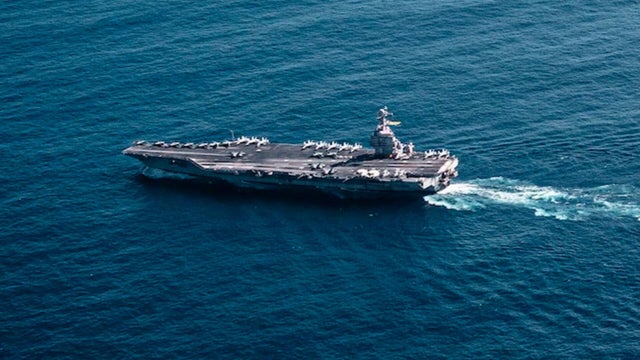
The USS Gerald R. Ford aircraft carrier and its escort ships are expected to head to the Middle East, three U.S. officials told CBS News, as U.S.-Iran tensions simmer.
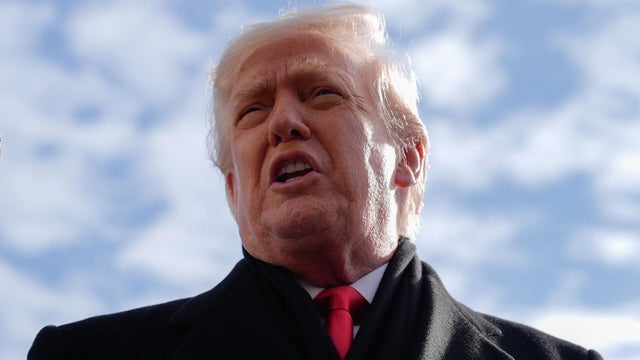
Suggesting Iran could suffer the same fate as Venezuela, Trump warns Tehran to negotiate a new nuclear agreement, or face "major destruction."
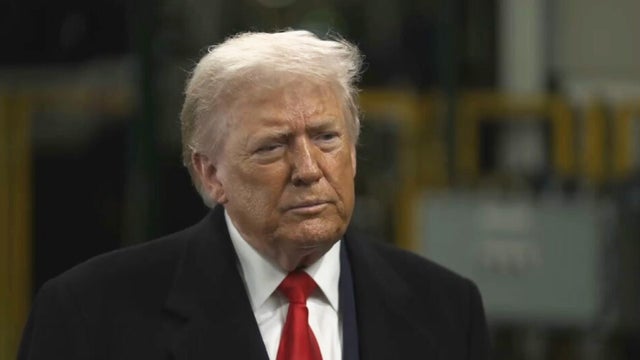
"We don't want to see what's happening in Iran happen," President Trump said in an exclusive interview that aired Tuesday on "CBS Evening News."
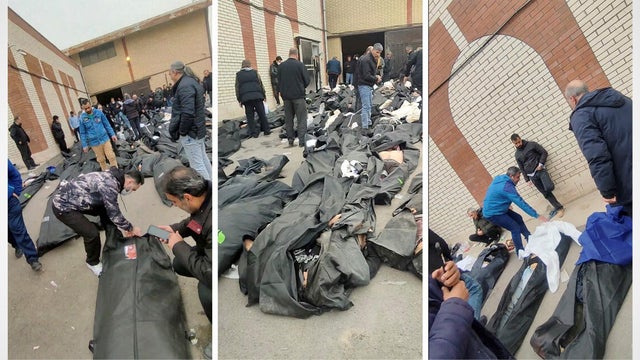
Information trickling out of Iran suggests a far deadlier crackdown on protesters than previously reported.

President Trump appeared to lay out his red line of action on Friday when he warned that if the Iranian government began "killing people like they have in the past, we would get involved."
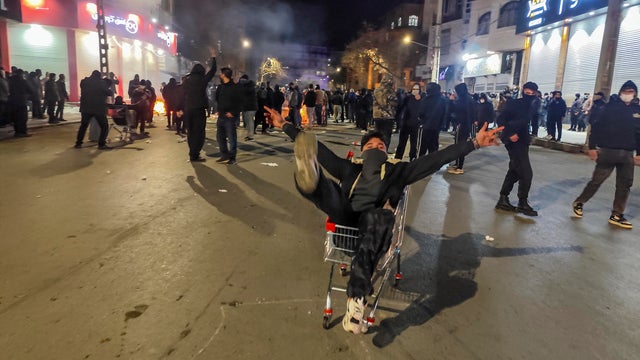
As Iran struggles to quell protests that have reportedly killed almost 40 people, its new army chief says Tehran is ready for a military confrontation.
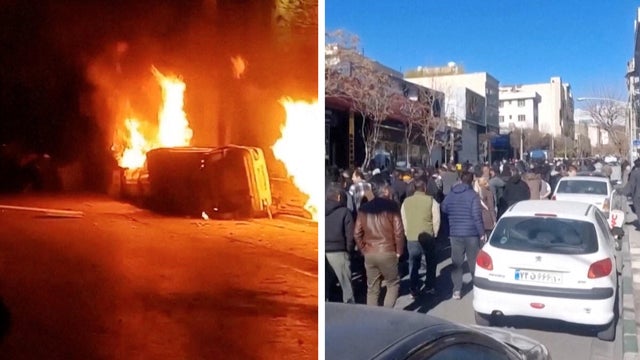
As U.S.-Iran tension soars, Trump warns violence against protesters could bring an American intervention: "We are locked and loaded and ready to go."
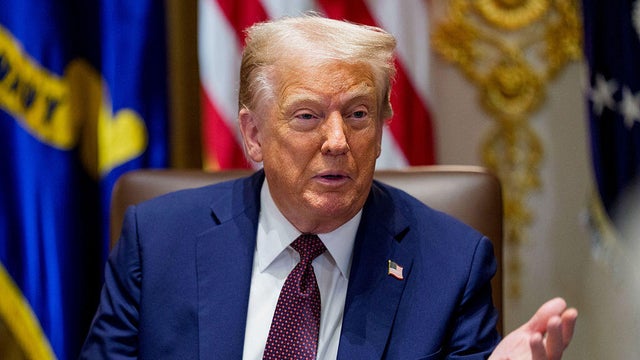
President Trump has touted himself as a Nobel-worthy peacemaker. Here's what some foreign policy analysts say about the disputes he cites.

Israel drops all war-time restrictions, freeing people to return to their lives under a ceasefire with Iran, but uncertainty over the impact of 12 days of war leaves room for anxiety.
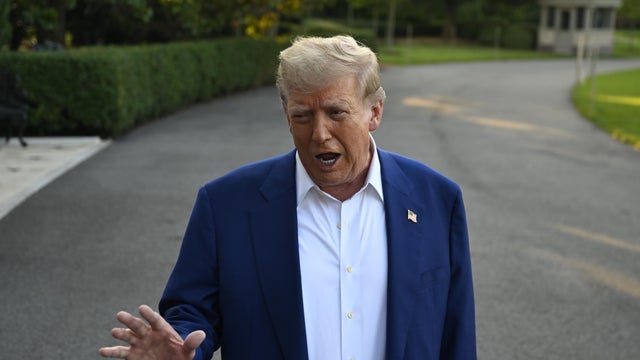
President Trump accused Israel and Iran of violating a ceasefire, but then said it was "in effect" after a phone call with Israel's leader.