Perseid meteor shower reaches peak viewing on Wednesday night
The Perseid meteor shower is the best viewing all year, according to NASA.
Watch CBS News
The Perseid meteor shower is the best viewing all year, according to NASA.
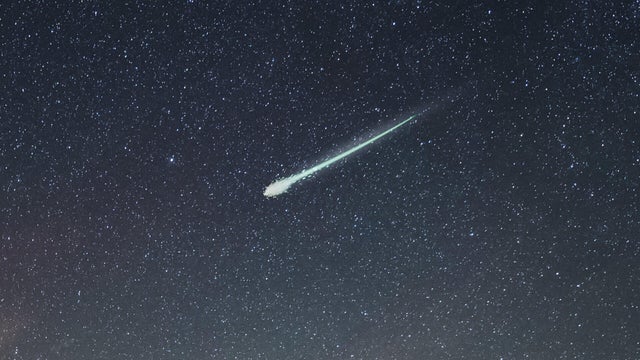
The peak of this year's Perseid Meteor Shower is August 12th and 13th.
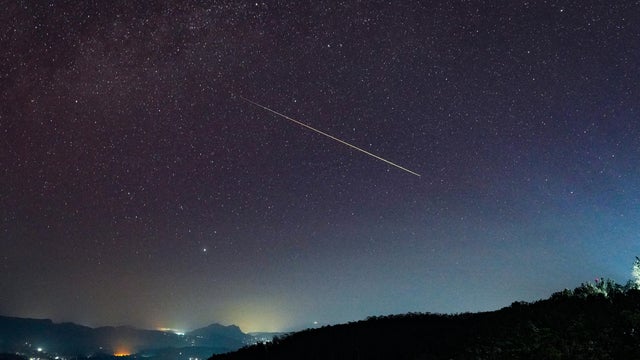
The Perseids meteor shower begins this week and is expected to offer one of the best astronomy shows of 2025.
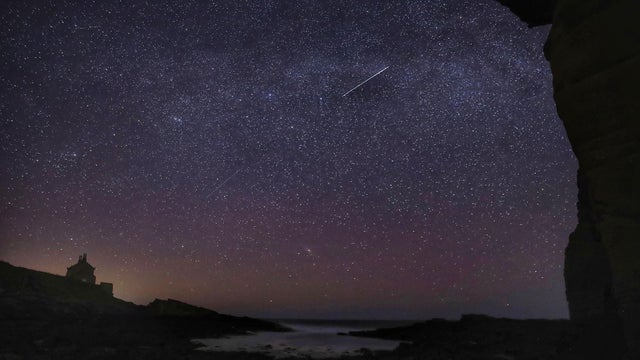
During the peak of the Lyrid meteor shower, 10 to 20 meteors could be seen per hour, NASA says.
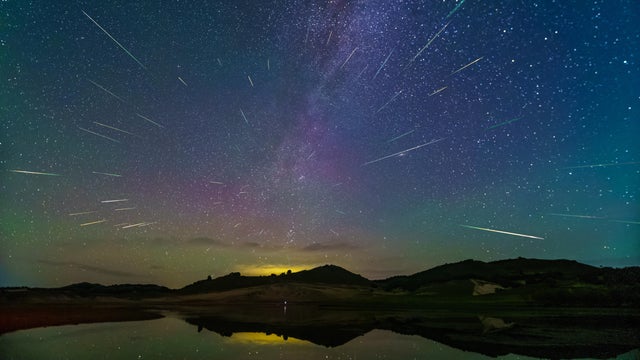
The Perseid meteor shower peaked in the night skies of Sunday into Monday, giving astronomy fans one of the best shows of 2024 as they looked to the skies.
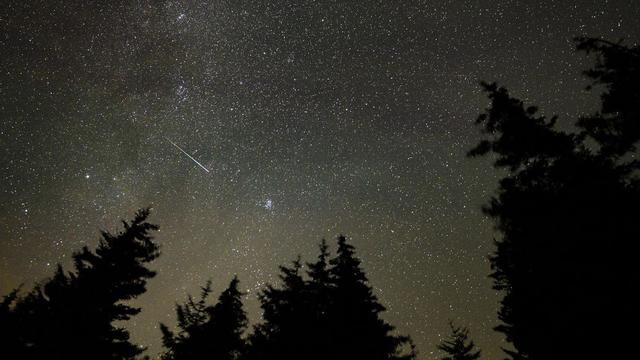
Two meteor showers are expected to flash across night skies around the same time this week.
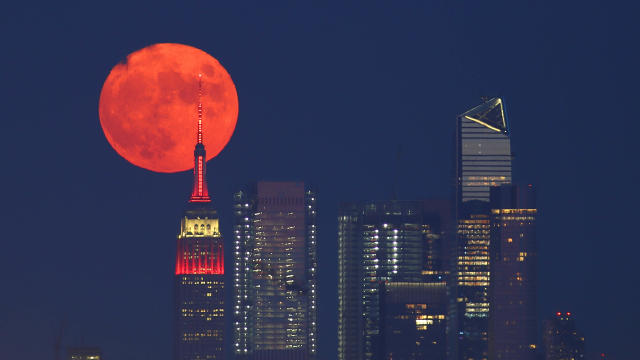
The full moon, also known as the Thunder Moon, will last three days, peaking on Sunday morning.
People across the eastern U.S. and in parts of Canada saw a dazzling light show on Wednesday night, as a fireball entered the atmosphere and burned up.
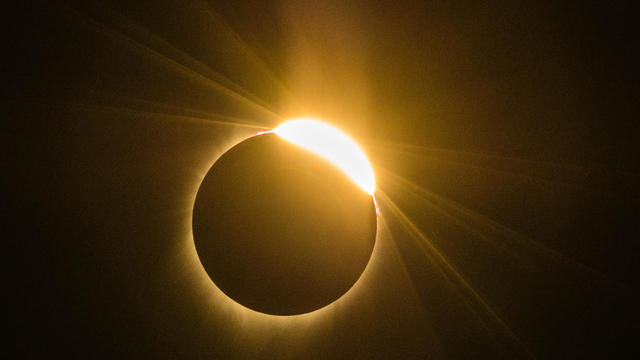
Astronomy fans can enjoy celestial events throughout 2024, looking to the sky to see full moons, meteor showers and a total solar eclipse. Here are the key dates to mark on your calendar.
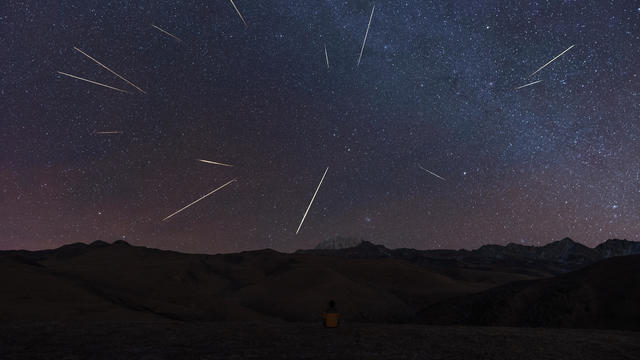
The year's best meteor shower, the Geminids, peaks this week.
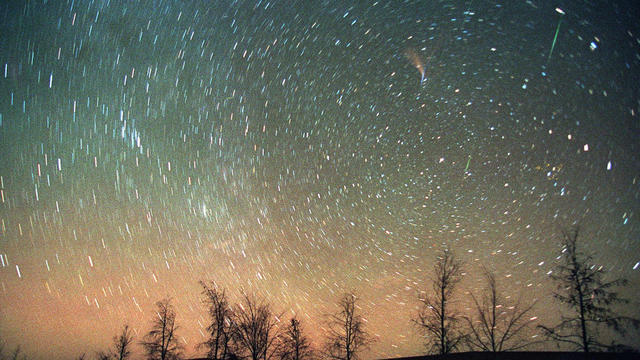
The Leonid meteor showers are fast – streaking by at 44 miles per second, according to NASA. Still, some stargazers can see them at their peak this week.
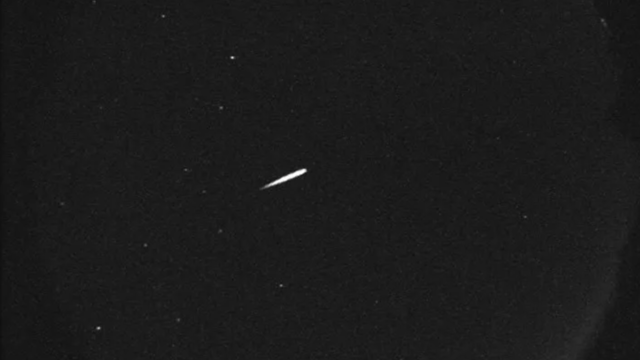
The Orionids are known for their brightness and speed, traveling at about 41 miles per second.

The annual Perseid meteor shower reaches its peak this weekend.
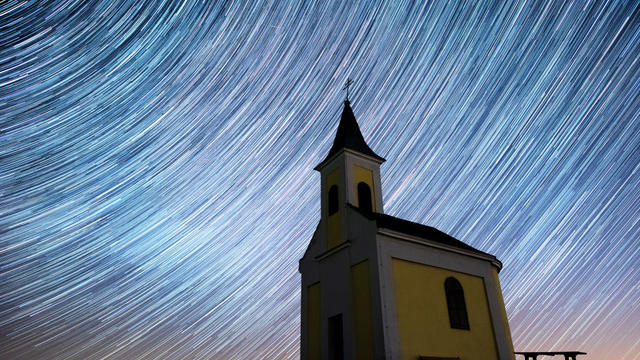
The Lyrids have lit up the sky for the past 2,700 years and potentially dozens of meteors could be seen per hour.
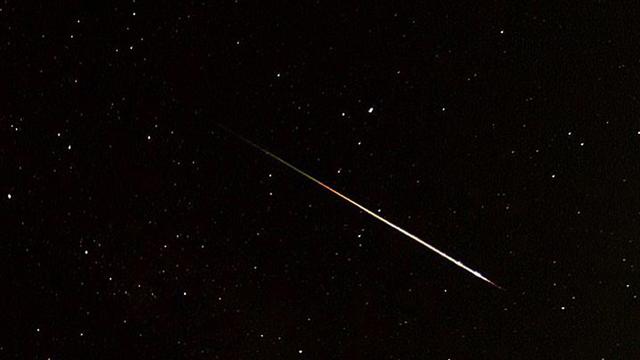
The meteor shower was visible to some in the Pittsburgh region.

The Tau Herculids meteor shower was visible to some in the Pittsburgh region.
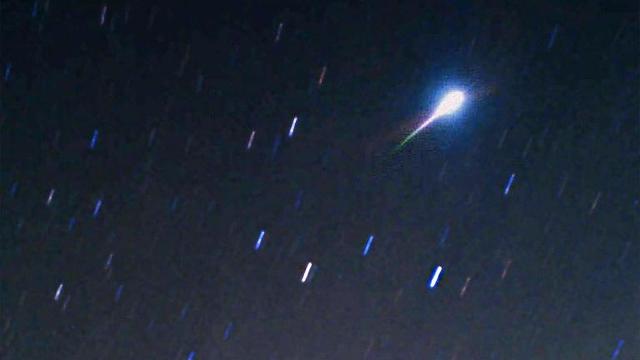
The night sky could be lit up.
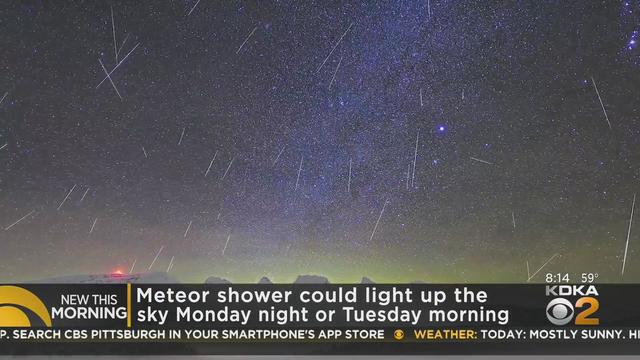
NASA are forecasting a possible meteor shower that could be seen all across North America.
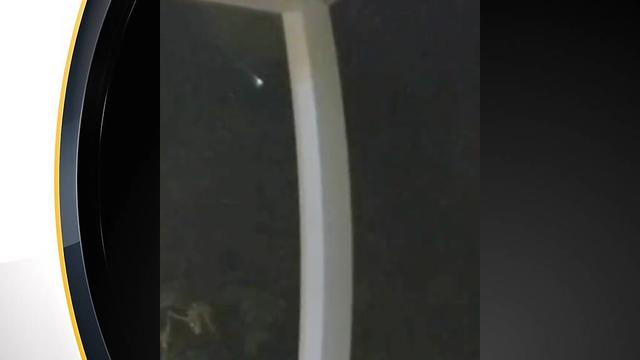
Several reports poured in about a green fireball or meteor streaking across the sky in western Pennsylvania on Tuesday evening.
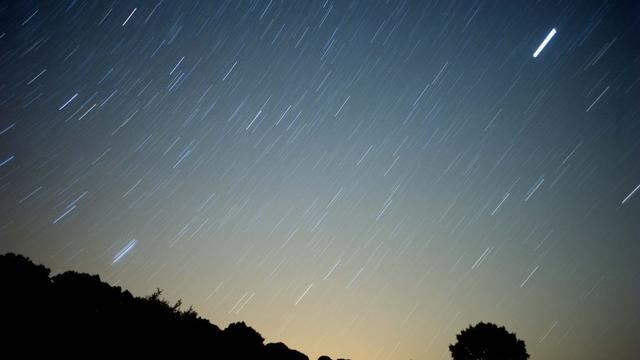
In the early morning hours on Tuesday, the Leonid meteor shower will send shooting stars across the sky.

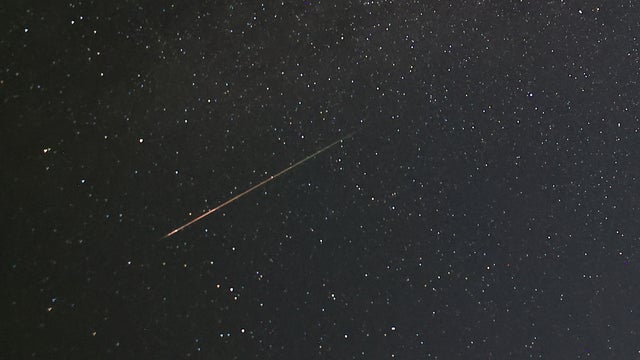
Citizen astronomers captured stunning images of the Perseid meteor shower's peak last night.

The Lyrid Meteor Shower is set to "peak" before sunrise on Wednesday morning.

There hasn't been a meteor shower to light up the sky since early January, and this one will be visible around the globe.
The Orionid Meteor Shower will peak on Monday and Tuesday with sprinkling remnants of Halley's Comet.
The Orionid meteor shower, originating from bits and pieces of Halley's Comet, is expected to hit its peak by next week.