Vance says "still TBD" if Trump will sign a U.S.-Iran deal
The vice president says the U.S. and Iran are "very close" to a deal, but are "not there yet." Meanwhile, the U.S. struck Iran, which retaliated against a U.S. base.
Watch CBS News
The vice president says the U.S. and Iran are "very close" to a deal, but are "not there yet." Meanwhile, the U.S. struck Iran, which retaliated against a U.S. base.
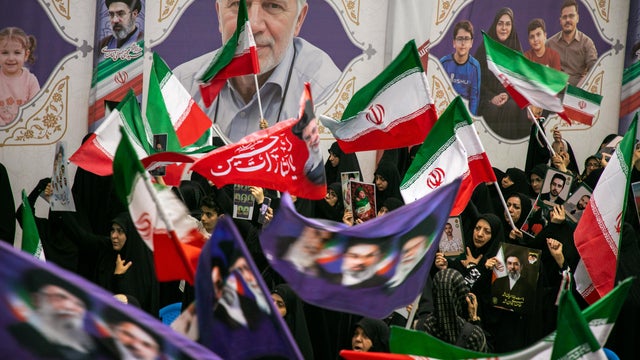
As Iran accuses the U.S. of a "grave violation" of the fragile ceasefire, Rubio says a deal is still possible despite the latest clash.
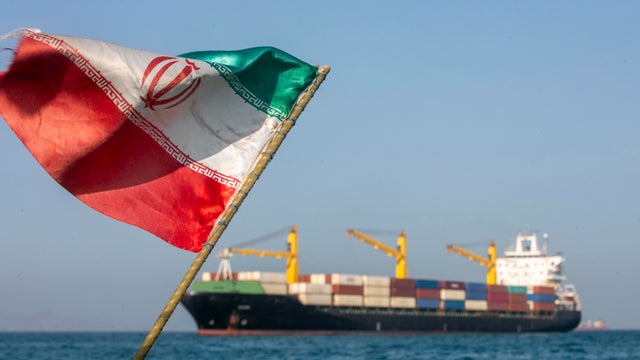
There is broad commitment on the principles of a deal, a senior Trump administration official said, and the administration feels positive about where things stand.
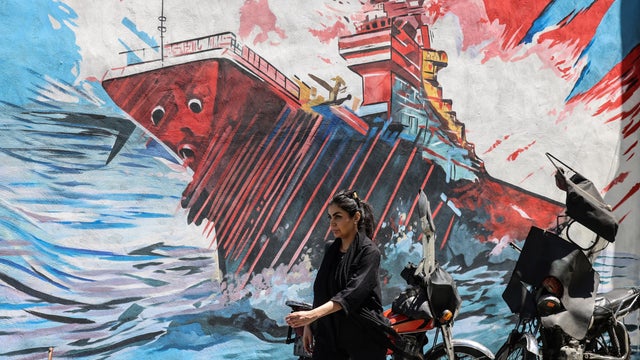
Iran warns any new U.S. attacks will bring a "bad result," as President Trump acknowledges the ceasefire is faltering and violence flares in Lebanon.
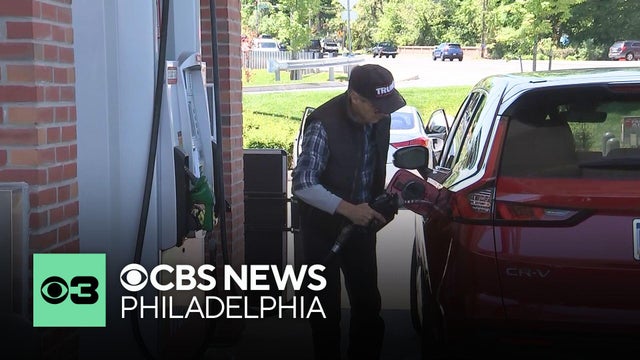
With gas prices surging because of the Iran war, some Philadelphia-area drivers say they plan to drive less.
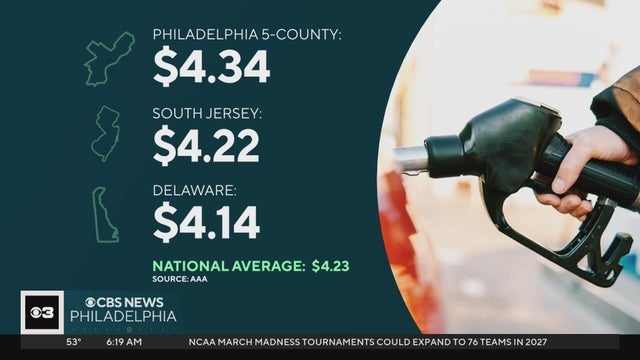
Gas prices have seen a significant uptick over the past two days across the Delaware Valley, where the average price per gallon is well over $4. In the Philadelphia 5-county area, the average cost is up to $4.34 on April 29, more than 10 cents higher than the national average, according to AAA.
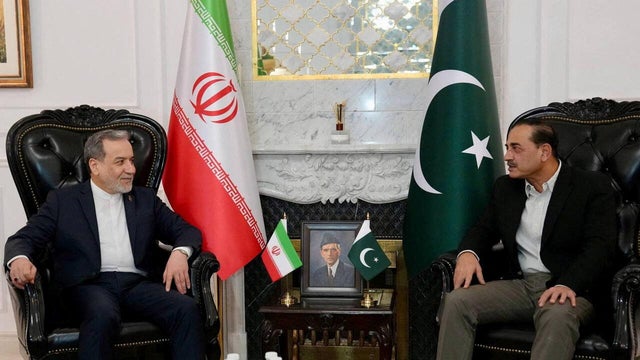
Iranian Foreign Minister Abbas Araghchi returned to Islamabad on Sunday, where he participated in talks focused on ending the war with the U.S., Iranian state media reported.
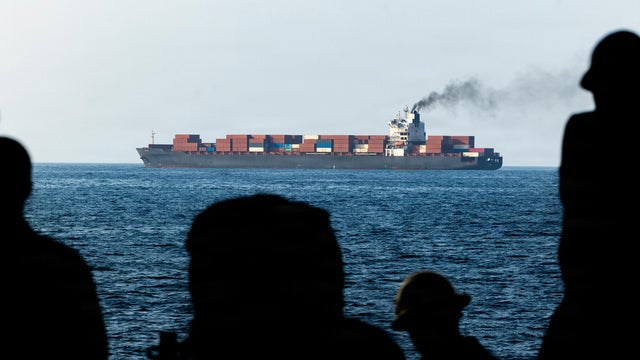
Iran renews attacks in the Strait of Hormuz after Trump says he's extending a ceasefire indefinitely, as thousands more U.S. forces head for the region.
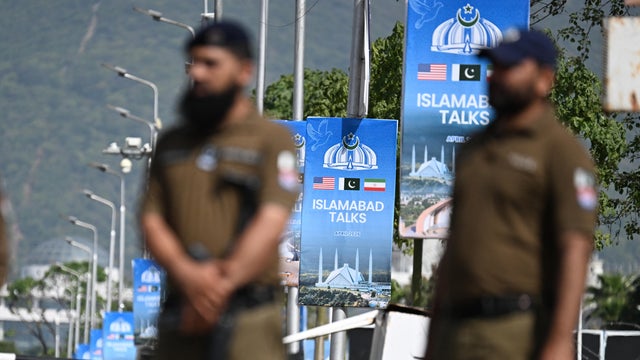
With a two-week ceasefire set to expire and Iran balking at the resumption of peace talks, President Trump said he would be extending the deadline to allow for Iran to "come up with a unified proposal."
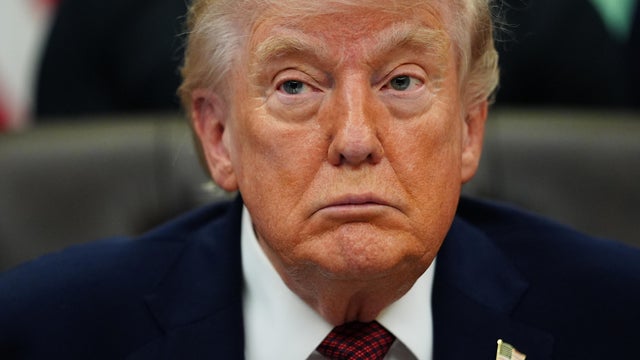
President Trump says he sent a U.S. delegation to Pakistan for another round of peace talks with Iran Monday but Tehran says it doesn't plan to participate.
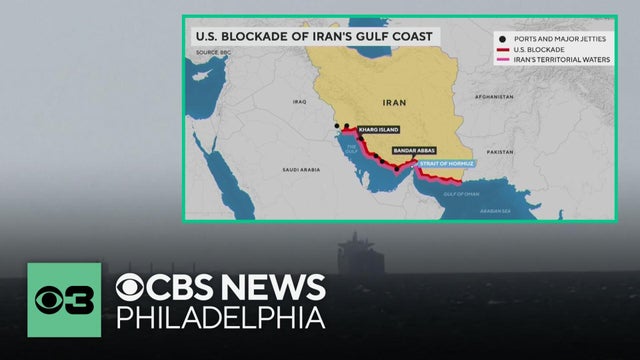
Less than a day after reopening, the Strait of Hormuz — a crucial waterway for oil exports out of the Persian Gulf — has once again been closed by Iran. CBS News' Shawna Mizelle reports.
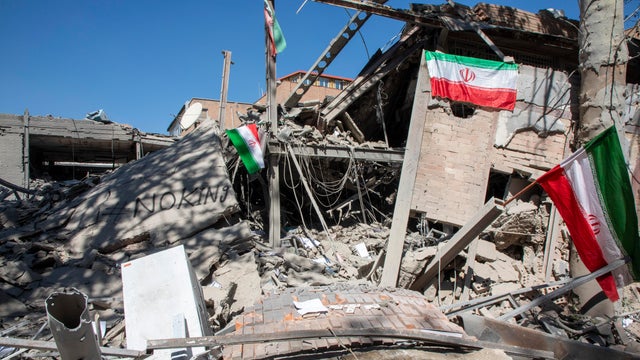
President Trump announced that the U.S. and Iran had agreed to a two-week ceasefire that was contingent on the reopening of the Strait of Hormuz.
President Trump set an 8 p.m. deadline for Iran to accept a deal to reopen the Strait of Hormuz, a critical waterway for the world's oil trade. Meanwhile, the Iranian regime called on young people to form human chains around the country's power plants. Liz Crawford has the latest from the Pulse Desk.
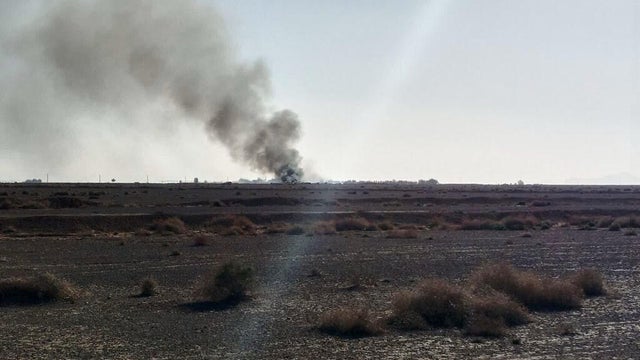
President Trump hailed the rescue of a U.S. airman who was missing almost two days inside Iran — and threatened to hit power plants if Iran doesn't reopen the Strait of Hormuz.
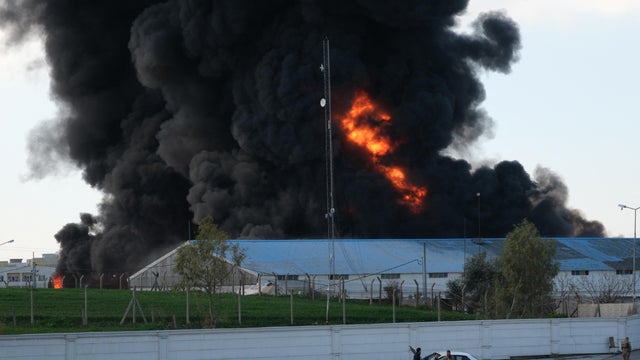
President Trump warned the U.S. "hasn't even started destroying what's left in Iran," and previewed that strikes on bridges and power plants could be next.
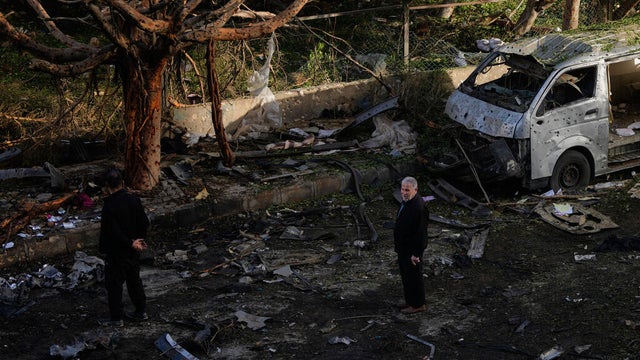
Trump says he expects the U.S. war with Iran to end within several weeks despite unrelenting attacks from both sides and Iran's iron grip on the Strait of Hormuz.
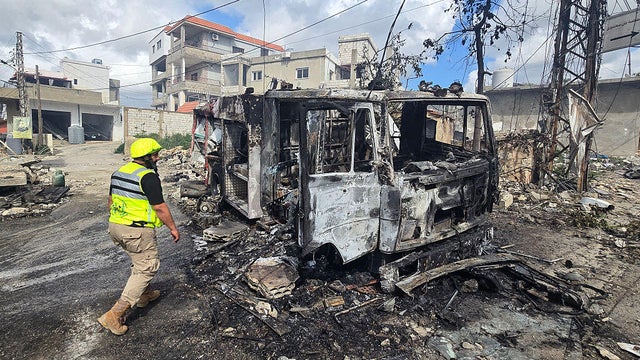
Energy markets remain volatile as President Trump threatens Iran with an invasion to seize its oil while also suggesting a deal could soon end the war.
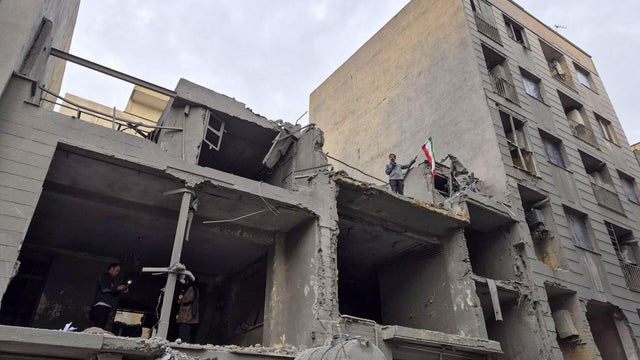
Israel says it killed Iran's top security official Ali Larijani, as America's European allies reject President Trump's demands for help in the Strait of Hormuz.
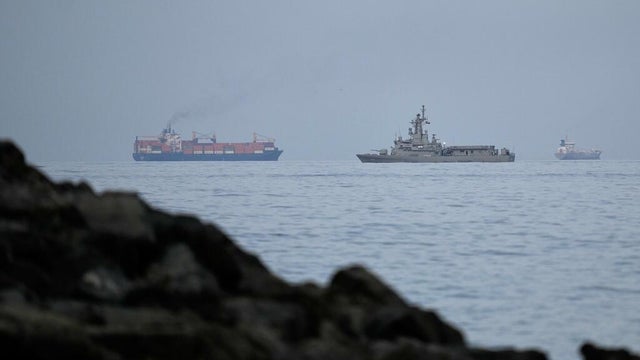
With oil markets paralyzed by the U.S.-Iran war, the Trump administration says it could escort ships through the Strait of Hormuz — a massive undertaking that experts say could already be in the preparatory stages.
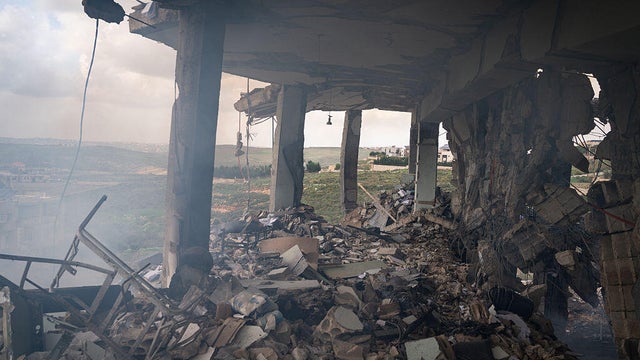
The war, which shows no signs of ending soon, has disrupted oil exports from the region, driven fuel prices far higher worldwide and upended global air travel.
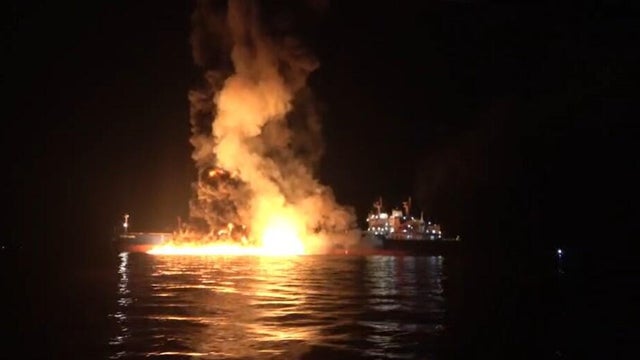
Iran's relentless attacks on Gulf states and infrastructure appear to be overshadowing interventions by the U.S. and its allies aimed at easing energy prices.

President Trump says he'll end the war soon, when he wants to, as Iran hits ships in and near the Strait of Hormuz and warns U.S.-linked banks will be next.