Tips from a sleep expert: how to prepare your child for back-to-school
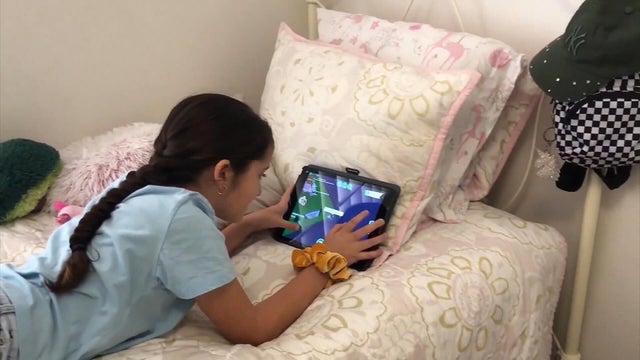
Parents should start preparing their children now to adjust to a school schedule, according to one sleep expert.
Watch CBS News
Parents should start preparing their children now to adjust to a school schedule, according to one sleep expert.
If your child is still on a summer sleep schedule, now's the time to start adjusting before they return to school. Dr. Indira Gurubhagavatula, a sleep physician at Penn Medicine, tells our Jan Carabeo some key tips for a smooth transition to the school year.
Summer can mean disrupted sleep because of heat, travel and nighttime events. Health reporter Stephanie Stahl shares some strategies for managing sleep and getting your circadian rhythm back on track.

New research from Thomas Jefferson University could identify a new way to improve poor sleep and reduce the risk of Alzheimer's disease — and fruit flies are at the center of the study. CBS News Philadelphia's Stephanie Stahl reports.

The Artemis II astronauts are participating in a variety of studies about how space travel affects physical and mental health.
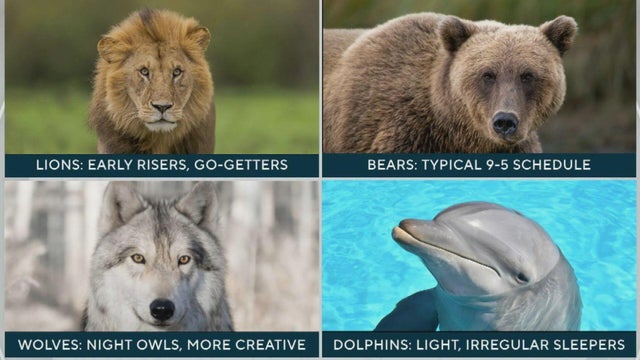
About 35% of adults in a recent study reported getting less sleep than they needed, a habit that can have serious health impacts.

March is National Sleep Awareness Month, and over 35% of adults are not getting enough sleep — a factor that can cause weight gain and other poor health conditions. Wakisha Bailey chats with Dr. Thanuja Hamilton, a New Jersey-based sleep medicine specialist, for tips on improving sleep — and why some couples should consider a "sleep divorce."
After years of being misdiagnosed, Mary Schneider is raising awareness about narcolepsy and other sleep disorders.
A Pennsylvania hotel has taken the No. 1 ranking on a list of the best hotels in the nation for sleep.
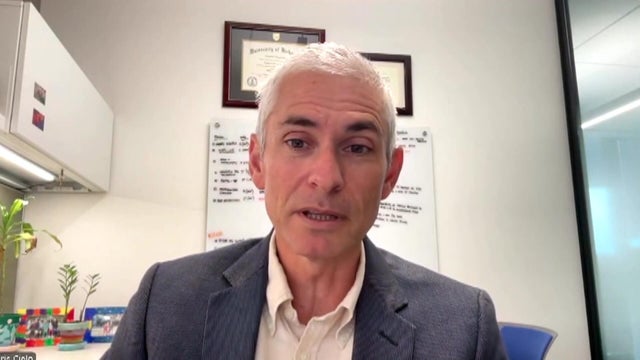
Back-to-school means getting back on a regular sleep schedule, which isn't so easy after a summer of fun.

Back-to-school means getting back on a regular sleep schedule, which isn't so easy after a summer of fun. Stephanie Stahl reports more on getting back to bed on time.
Back-to-school means getting back on a regular sleep schedule, which isn't so easy after a summer of fun. Stephanie Stahl reports more on getting back to bed on time.
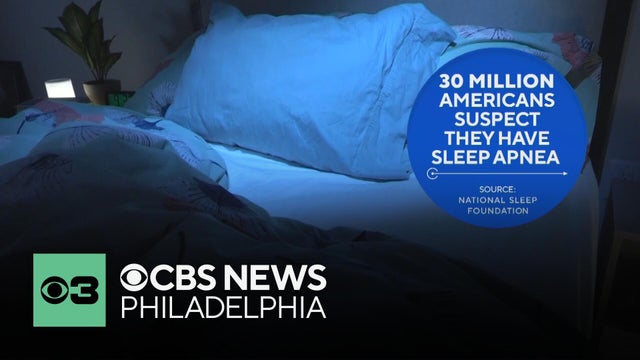
A new survey reveals many Americans suffer from a potentially dangerous sleep disorder and aren’t getting the treatment they need. Stephanie Stahl reports on this new information.
A new survey from the National Sleep Foundation finds 6 in 10 Americans aren’t getting enough sleep and experts say it’s taking a toll. Stephanie Stahl reports.

Researchers are discovering that "springing ahead" each March for daylight saving time is connected with serious negative health effects.
Prioritizing sleep is a new trend among many young adults embracing what's called sleepmaxxing. Stephanie Stahl reports on how it works.
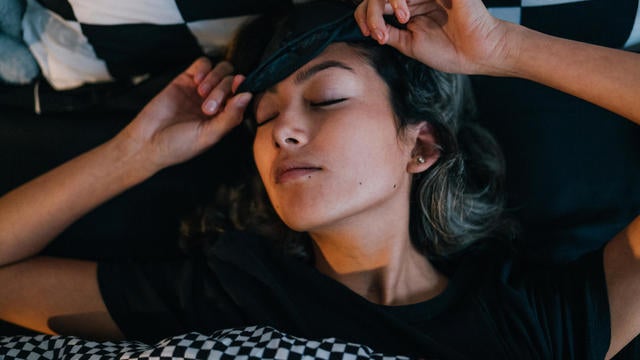
Sleep optimization, or "sleepmaxxing," is a popular trend among a younger demographic, but experts share a few words of caution.

Tired from your Thanksgiving feast? You're not alone. But is it the tryptophan in turkey that leads to our food comas? Here's what experts say.
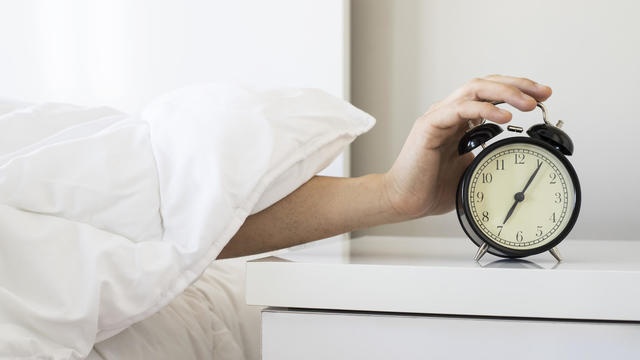
Daylight saving time for 2024 is here, which means we lost an hour of sleep as we "spring forward." Here's how to deal with the time change, according to experts.

Cameron Diaz isn't alone — more Americans are choosing separate bedrooms, a practice known as "sleep divorce," as a way to prioritize sleep.
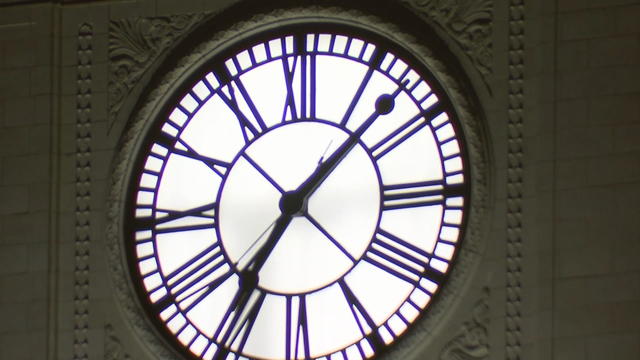
CBS News Philadelphia went to Love Park to get people's opinion on daylight saving time.
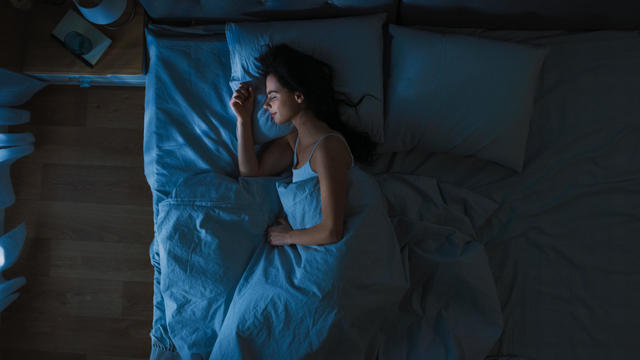
It's not just a tummy ache that can keep you up at night — experts say your sleep schedule and gut microbiome have a relationship we're gaining a better understanding of.
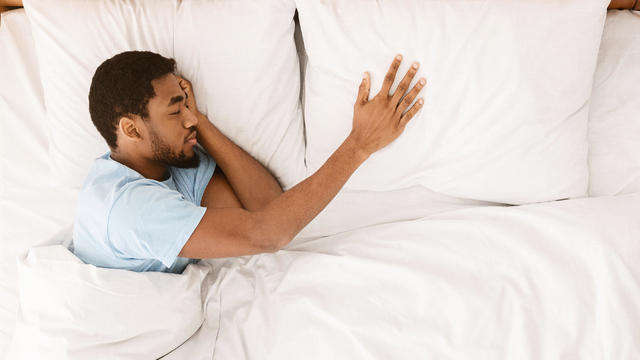
A new survey from the American Academy of Sleep Medicine shows how many Americans opt for a "sleep divorce," the practice of sleeping separately from your partner.
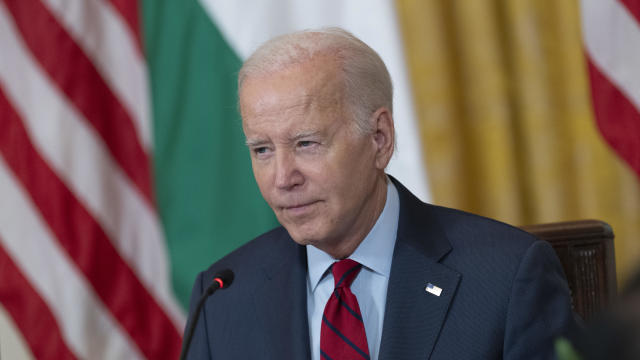
President Biden uses a CPAP machine for sleep apnea. Here's what to know about the sleeping disorder, which affects roughly 30 million Americans.
In a 2022 survey, nearly a third said they'd experienced sleep disturbances since COVID began. That's down from 56% the year before, a phenomenon described as "COVID-somnia."