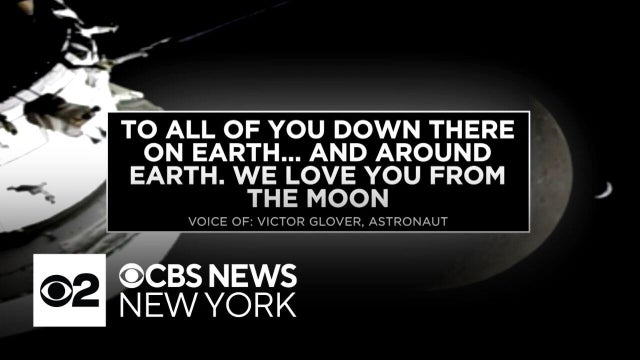
Artemis II completes historic lunar flyby
The crew set a record for human travel from Earth and became the first to see the far side of the moon with the naked eye. CBS News New York's Dick Brennan has the latest on the mission.
Watch CBS News
The crew set a record for human travel from Earth and became the first to see the far side of the moon with the naked eye. CBS News New York's Dick Brennan has the latest on the mission.
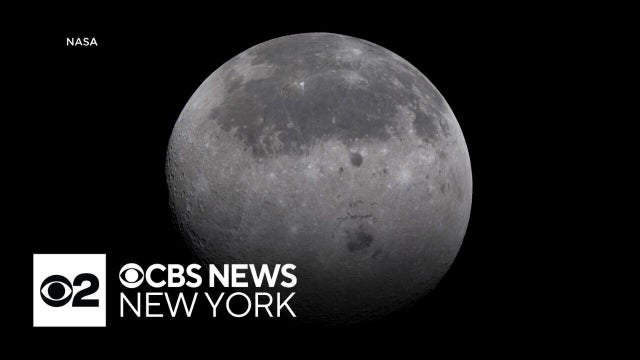
Dr. Michael Shara of the American Museum of Natural History explains how this mission will shape the future of space travel.
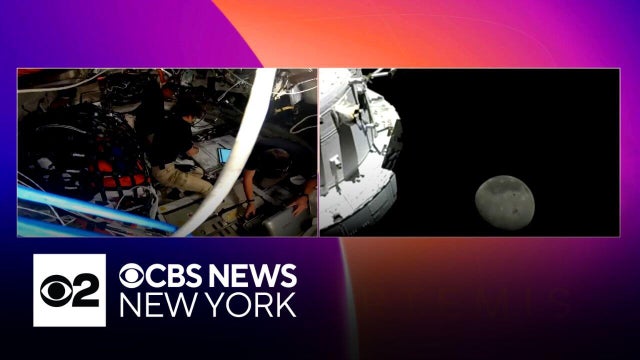
The astronauts will soon conduct a lunar flyby that will make them the first humans to see some parts of the far side of the moon with the naked eye. CBS News New York's Cristian Benavides has the story.
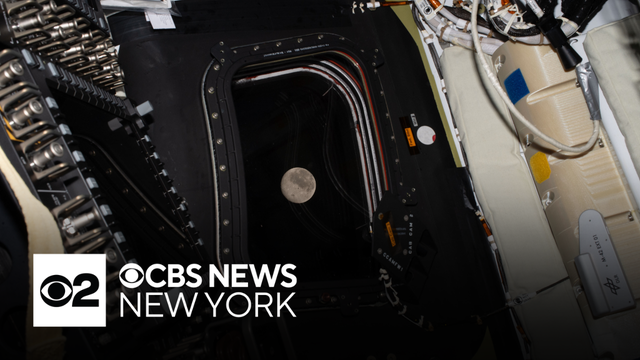
The crew of the Artemis II entered the lunar sphere of influence overnight, meaning the pull of the moon is stronger than the pull of Earth. By Monday night, it will make its closest approach to the moon. CBS News' Mark Strassmann reports.

The crew of Artemis II has entered a new phase of its mission as they head to the far side of the moon, where they will lose contact with NASA for a period of time. CBS News' Bradley Blackburn reports.
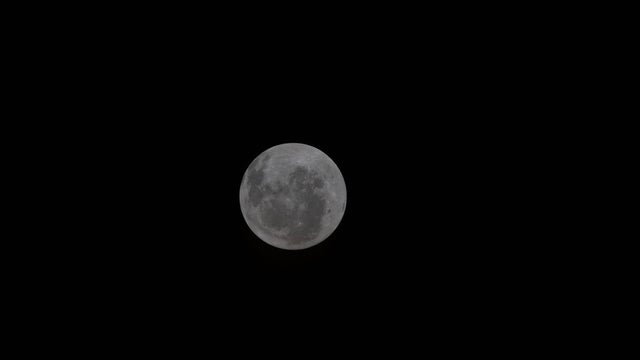
The crew of NASA's Artemis II mission captured a new image of the far side of the moon, which the agency released Sunday.

The Orion capsule will reach the far side of the moo at 2:45p .m., surpassing the Apollo 13 record for the farthest distance humans have ever traveled from Earth. CBS News New York's Allen Devlin reports.
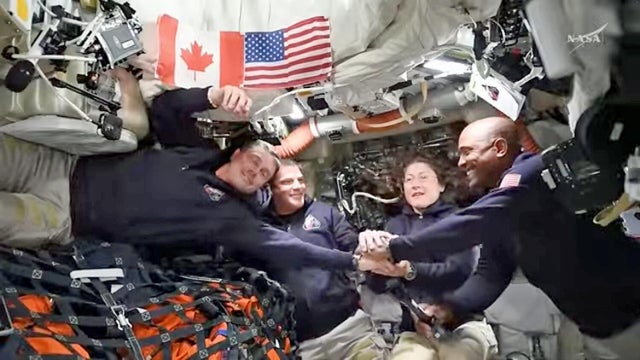
Amid ongoing toilet trouble, the Artemis II astronauts reflected on the wonder of sailing through deep space to the moon.
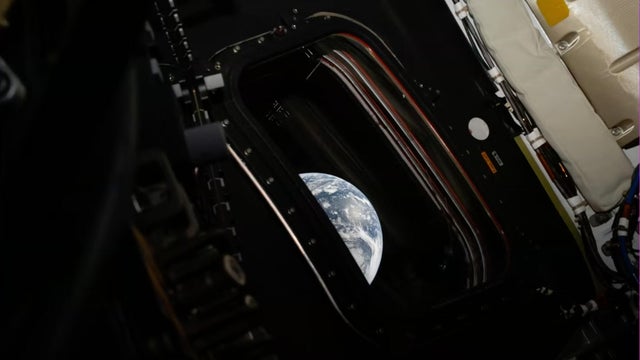
The photo shows the entire planet, as well as the Northern and Southern lights.
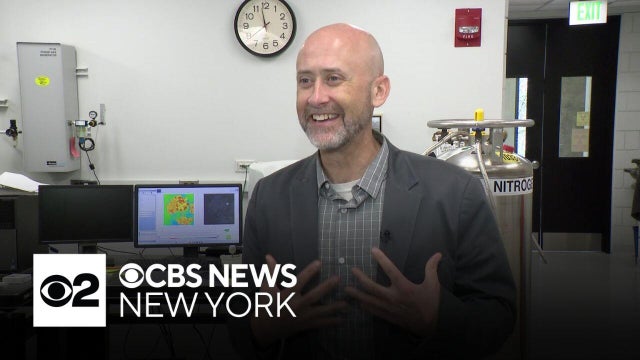
Stony Brook University professor Timothy Glotch is one of 10 scientists selected to shape research plans for NASA's next Artemis missions. CBS News New York's Jennifer McLogan reports.
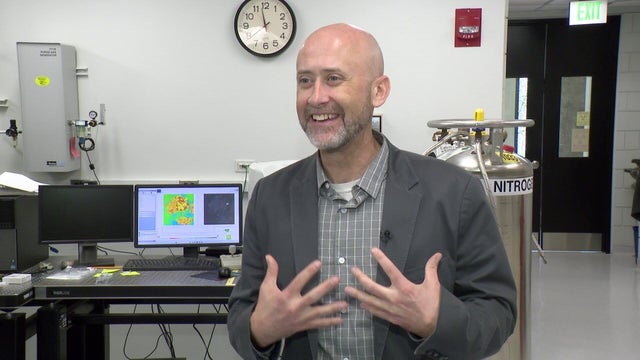
Stony Brook University professor Timothy Glotch is one of 10 scientists selected to shape research plans for NASA's next Artemis missions.
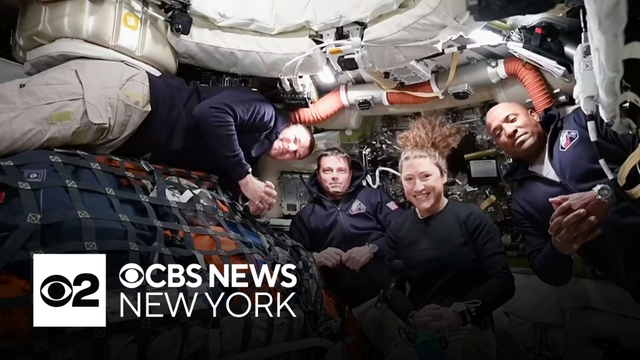
The crew on board Artemis II is on their way to the far side of the moon after spending 25 hours in Earth's orbit. CBS News' Jarred Hill reports.
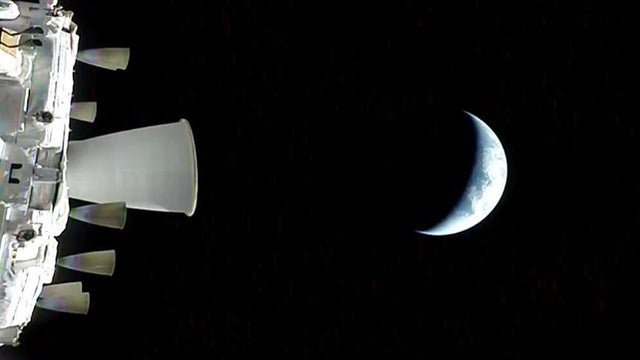
The engine firing provided a slingshot-like boost to the Orion capsule, speeding it to 24,500 mph, the velocity needed to break free of Earth's gravitational clasp for a trek to the moon.

During this entire nine-and-a-half-day mission around the moon, NASA is closely watching each step. CBS News New York's Bradley Blackburn reports.

With Wednesday's successful launch behind them, the astronauts are ready to tackle the next phase of the mission. CBS News New York's Cristian Benavides has the story from Kennedy Space Center.
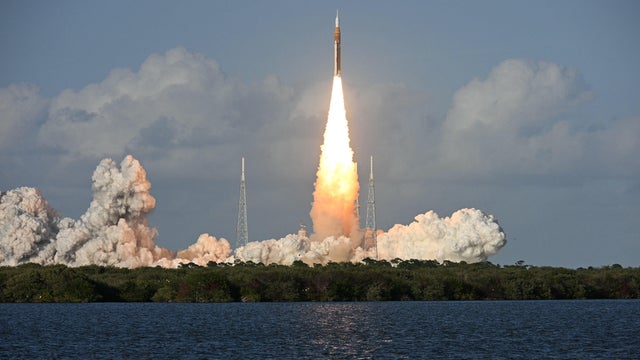
NASA's Artemis II astronauts launched on a nine-and-a-half-day mission around the moon and back.
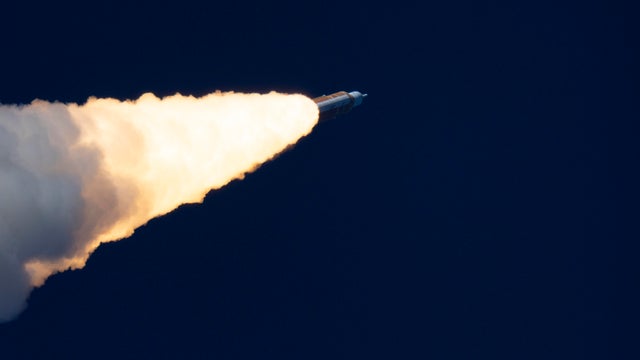
NASA's Artemis II astronauts will spend about 24 hours orbiting the Earth and running checks on their spacecraft and life support systems before heading to the moon.

NASA's first crewed mission in over 50 years is on its way to the moon. The Artemis II crew lifted off from Kennedy Space Center on Wednesday afternoon. Cristian Benavides and Adi Guajardo report.
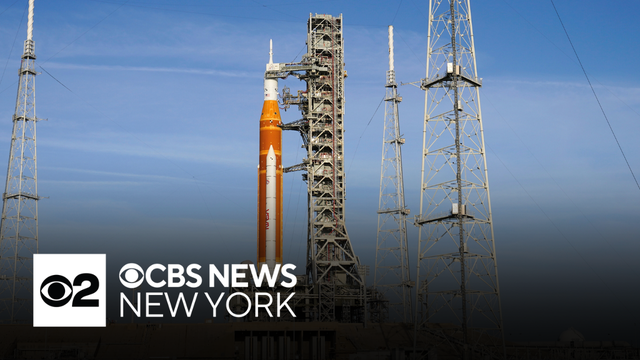
NASA's Artemis II mission aims to send four astronauts on a nine-and-a-half-day journey around the moon and back. The launch window at the Kennedy Space Center opens at 6:24 p.m. Wednesday.
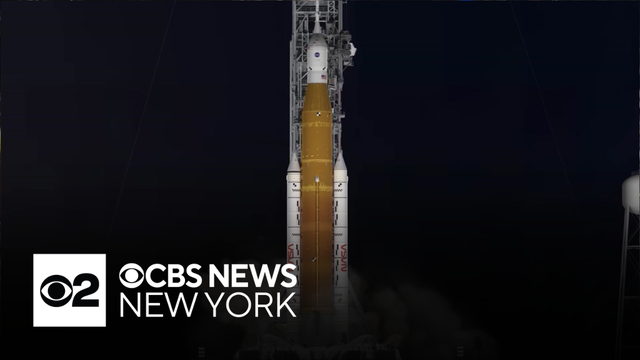
NASA is set to launch the Artemis II rocket for their historic lunar mission. Franklin Institute's Chief Astronomer Derrick Pitts gives a deeper dive on what to expect.
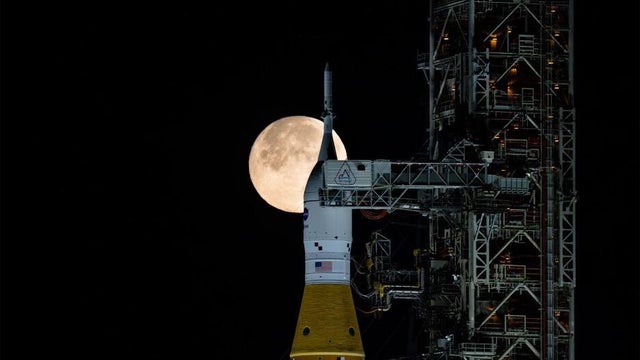
NASA launched four astronauts on a historic nine-day trip around the moon and back. Here's everything to know about the Artemis II mission.
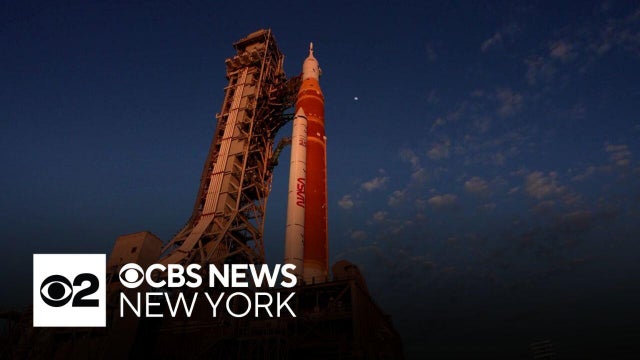
The countdown is on to NASA's Artemis II mission to the moon. CBS News New York's Dick Brennan reports.
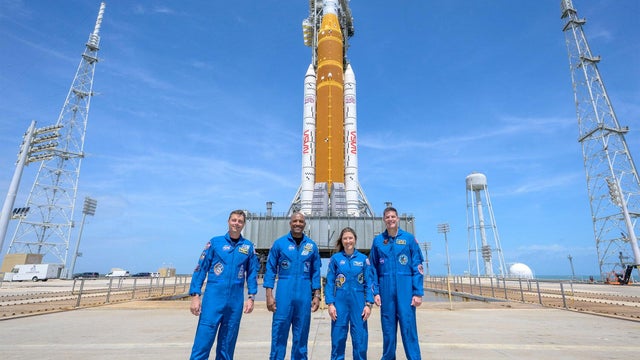
Forecasters continue to predict an 80% chance of favorable weather on Wednesday for the launch of four astronauts on a flight to the moon.
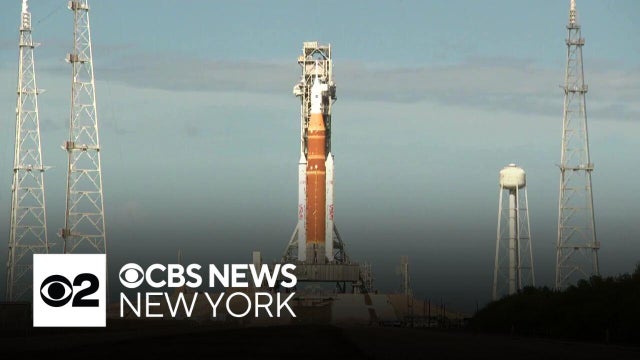
All eyes will be on the Kennedy Space Center in Florida on Wednesday as the first crewed moon mission in 50 years gets ready to take flight. CBS News New York's Vanessa Murdock reports.
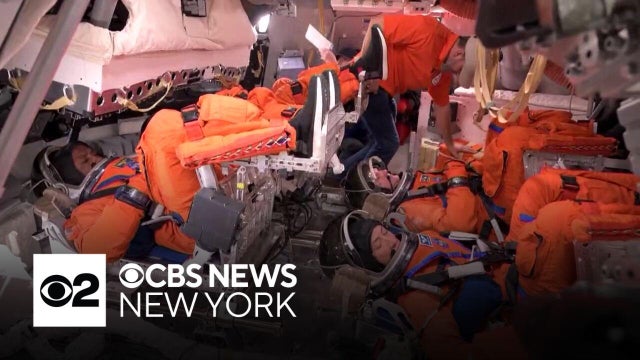
The first human lunar trip in more than 50 years is scheduled for Wednesday evening at Kennedy Space Center in Florida. CBS News New York's Kristine Johnson reports.