Trump admin launches tariff refund portal. Here's what to know.
A federal agency on April 20 opened a portal that lets businesses apply for a refund for Trump tariffs struck down by the Supreme Court.
Watch CBS News
A federal agency on April 20 opened a portal that lets businesses apply for a refund for Trump tariffs struck down by the Supreme Court.

Minnesota farmers are facing a number of challenges before spring planting begins.
Two dozen states filed a lawsuit challenging President Trump's legal authority to impose new global tariffs.
Sen. Amy Klobuchar is bringing Sean Sayverson whose small Moorhead Brewery has been hit hard by tariffs, and Rep. Pete Stauber is bringing YouTuber Nick Shirley.
The U.S. Supreme Court struck down a key part of President Trump's economic plan late last week: tariffs. But the president fought back, slapping a 15% global tariff on imported goods.

President Trump will likely use his State of the Union address on Tuesday to sell his economic agenda. The Supreme Court struck down a key part of his plan on Friday. But the president fought back, slapping a 15% global tariff on imported goods. So where does that leave Minnesota business owners and customers? Susan-Elizabeth Littlefield takes a closer look in this edition of Price Check.
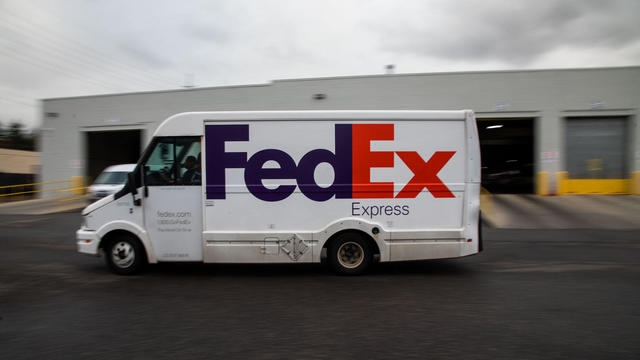
FedEx sued the Trump administration over its tariffs on Monday, asking for a "full refund" of all payments it made to the government under a set of tariff policies that were ruled illegal by the Supreme Court.
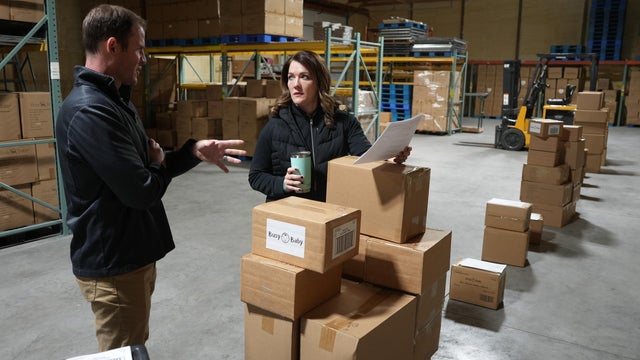
Businesses could be owed nearly $150 billion in refunds after the Supreme Court struck down tariffs imposed under the International Emergency Economic Powers Act.
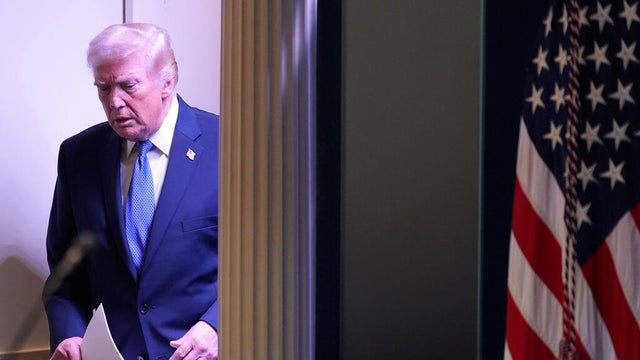
President Trump signed an order that will impose 10% tariffs on imports from all countries, just hours after the Supreme Court struck down a different set of sweeping global tariffs.
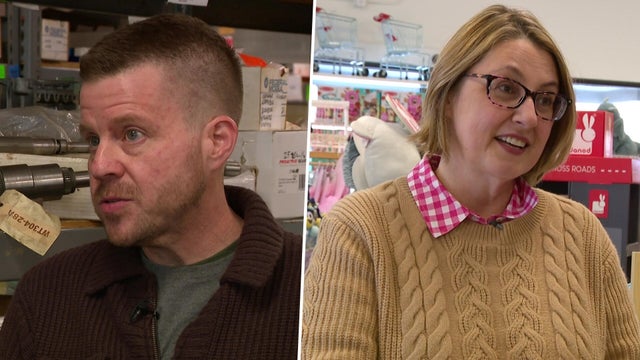
A major setback for President Trump's tariffs has left Minnesota businesses and shoppers in limbo.
The U.S. Supreme Court on Friday ruled that President Trump's import tariffs are illegal. He fought back with a new 10% global tax, using a different power instead. Some economists fear the changes could lead to even more economic uncertainty. WCCO's Adam Duxter explains how the trade wars have made a mark across Minnesota businesses.
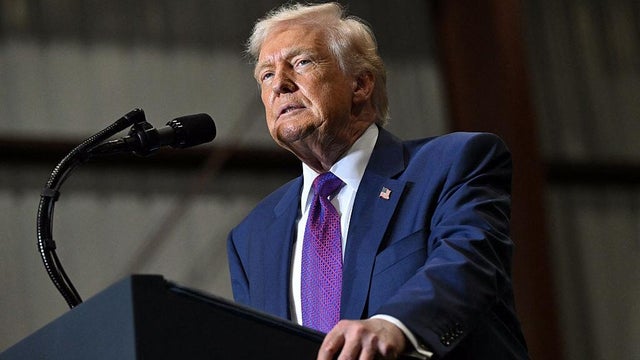
The Supreme Court on Friday ruled President Trump does not have the authority to unilaterally impose sweeping tariffs under a federal emergency powers law.
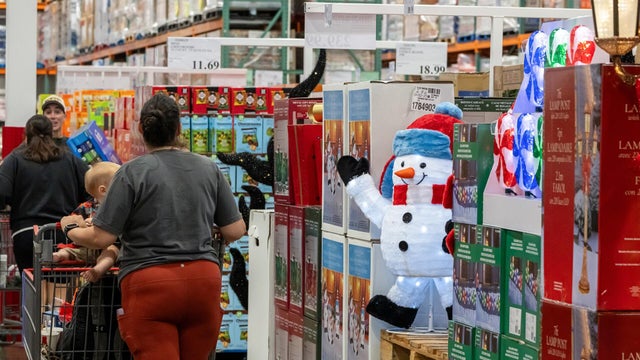
Economic growth blew past forecasts in the third quarter despite ongoing concerns about jobs, tariffs and inflation.

President Trump exempted foods like beef and bananas from his sweeping country-by-country tariffs on Friday.
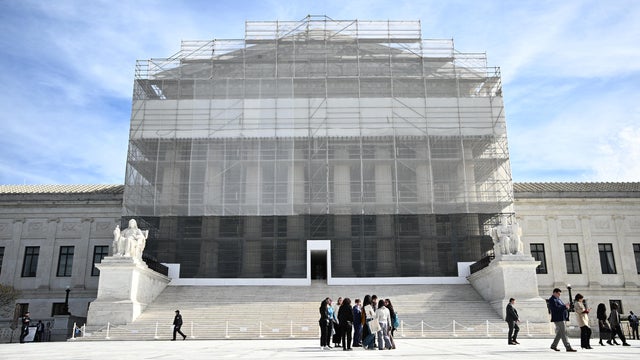
The Supreme Court heard arguments Wednesday over whether a federal emergency powers law authorizes President Trump's most sweeping tariffs.

As Minnesota farmers wrap up fall harvest, many are celebrating a soybean deal with China.
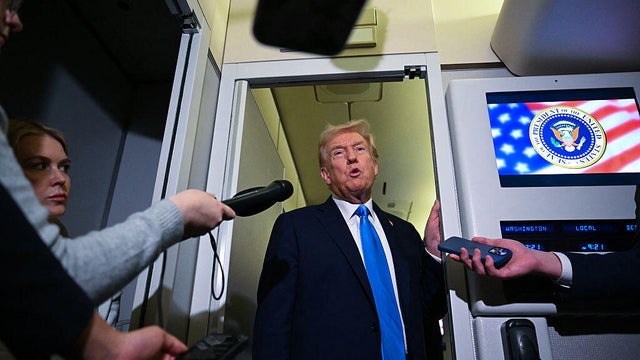
The move comes even though Ontario's leader said the anti-tariff ad would be halted beginning Monday.
Minnesota is home to 26,000 soybean farmers and 60% of their crop is sent overseas. Now, experts say top competitors, like Brazil and Argentina, are capitalizing on the U.S. loss.

Soybeans are Minnesota's top agricultural export, but the largest buyer of U.S. beans isn't buying — and Gov. Tim Walz is placing blame squarely on President Trump's tariffs.
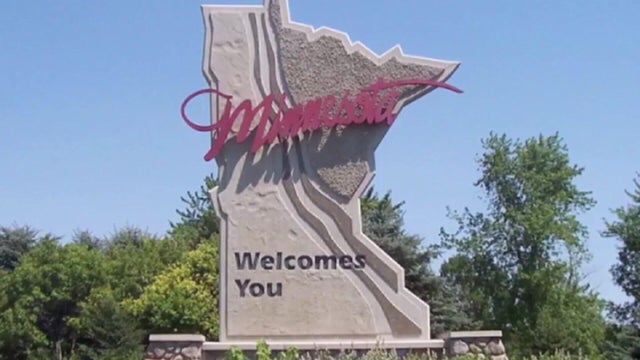
For many hospitality and tourism businesses across Minnesota, the summer of 2025 was more bust than boom.
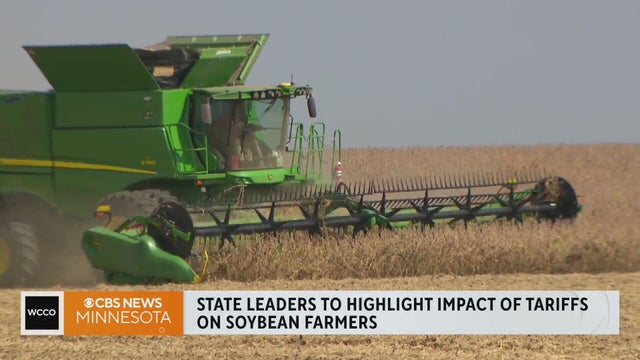
Minnesota's top agriculture export is soybeans — but recent tariffs on China are causing purchases to plummet, plus more of the day’s top stories.
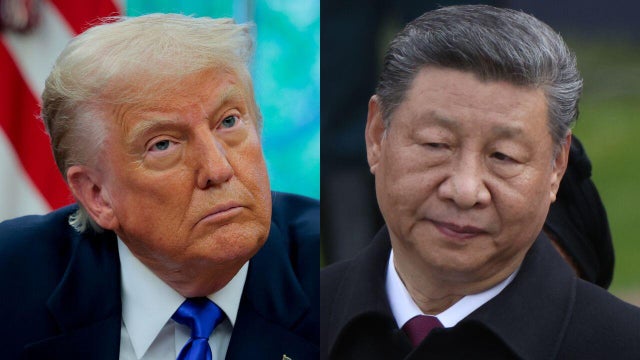
President Trump said Friday he will impose an additional 100% tariff on imports from China starting next month — marking a significant escalation in the U.S.-China trade war.
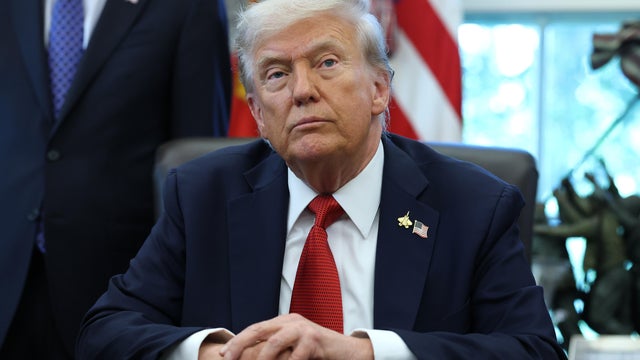
President Trump is vowing to retaliate if China enforces stricter curbs on exports of materials used in electronics, defense weapons and high-tech products.

One of the big buyers of Minnesota soybeans isn’t paying up this year. In fact, China isn’t purchasing any of the crop grown in the U.S. right now. Caroline Cummings takes us to a farm in Faribault to see the real-world impact.
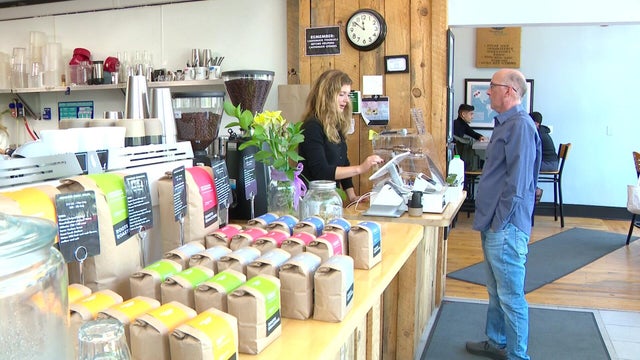
"Now that prices are changed, we're in a wait-and-see. Do people start drinking less? Do people start going out less? What happens to traffic counts? Does this still financially work? It's a big unknown," said Peter Poire-Odegard, who owns Roots Roasting in St. Paul.