Why do we jerk awake while falling asleep?
It takes 15 to 20 minutes for most adults to fall asleep. During that period, an odd sensation can occur which about seven out of 10 of us experience: bedtime twitches.
Watch CBS News
It takes 15 to 20 minutes for most adults to fall asleep. During that period, an odd sensation can occur which about seven out of 10 of us experience: bedtime twitches.

When you drift off to sleep tonight, don't worry if your body suddenly twitches. It's a strange feeling, but about 7 out of every 10 people experience it. Why do we jerk awake while falling asleep? Susan-Elizabeth Littlefield has the startling answer.

The American Academy of Sleep Medicine says 54% of Americans think they just don't get enough sleep, and many go through the day in a fog.

It's ironic that in a place and time meant for rest — our beds — anxiety-inducing thoughts prevent its purpose.

Right as people get comfortable at night in bed, discomfort can begin in their minds. Suddenly they're stuck on a thought and struggling to sleep. Odds are you've been there before. WCCO'S Jeff Wagner learned how to help you quiet your mind.
Busy week have you catching up on sleep during the weekend? That may be good for your heart health, according to new research.

Dr. Chester Wu, a psychiatrist and sleep medicine specialist, says that a good night’s sleep starts in the morning.
New research out of Australia shows exercise is at the heart of sleep quality.
Daylight saving time for 2024 is here, which means we lost an hour of sleep as we "spring forward." Here's how to deal with the time change, according to experts.
With daylight saving time approaching, should parents give kids melatonin gummies to help them sleep? A doctor shares what to know about the supplement and possible side effects.

Are you an early bird or a night owl? Most people know that answer right away, but why is it that some people enjoy getting up early while others like to hit the snooze? Good Question.

The "sleepy girl mocktail," made mainly of tart cherry juice and magnesium powder, is gaining attention on social media for its supposed sleep benefits. Here's what doctors say about the ingredients.

Lack of sleep quantity and quality can lead to mental and physical health problems.

New research shows chronically snoozing your morning alarm may not be a bad habit after all.
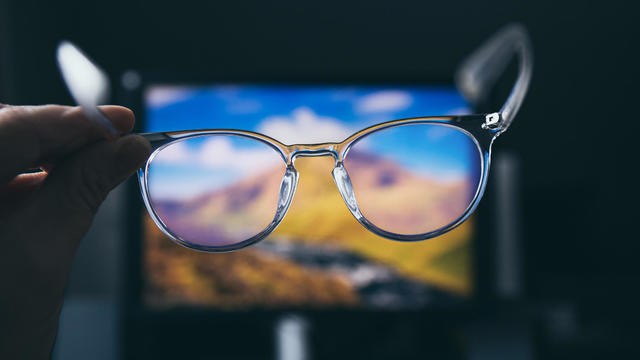
Blue light from computer screens and smartphones stimulates eyes and can cause sleep problems — but a new analysis finds blue light blocking glasses may not be much help.

Many struggle to sleep at night, and it's often not their fault. That's led to a trend called "sleep divorce," in which couples stop sharing a bed.

For National Napping Day, a sleep expert shares tips for getting the most out of your nap.

Clocks "spring forward" an hour on Sunday, March 12. Here's how to make the shift smoother on your sleep.

Many agree that having a pet at our side makes our days better. And for some, the nights, too.

The average person dreams two hours per night. You might not remember it -- but that might be because you're not supposed to.