Minneapolis City Council set to pass rideshare ordinance Thursday
Uber and Lyft have threatened to pull their services from Minnesota’s largest city if they pass a sweeping rideshare ordinance on Thursday.
Watch CBS News
Uber and Lyft have threatened to pull their services from Minnesota’s largest city if they pass a sweeping rideshare ordinance on Thursday.
Last week, a Minneapolis City Council committee advanced a proposal that would guarantee minimum pay for rideshare drivers — a revived effort after Frey vetoed a similar measure last summer.
Just hours from now, we could learn whether Uber and Lyft will leave Minnesota's largest city, and maybe even the entire state. Both rideshare services are vowing to hit the road if a driver pay raise gets approved. WCCO's Allen Henry is on the road with the details.
A Minneapolis City Council committee on Tuesday advanced a proposal that would guarantee minimum pay for rideshare drivers — a revived effort after Mayor Jacob Frey vetoed a similar measure last summer.
An ordinance would set a minimum wage for Uber and Lyft drivers in Minneapolis — a move both rideshare companies have spoken out against.
The future of your next rideshare in Minneapolis could be determined on Tuesday.
Both Uber and Lyft have spoken out against it and threatened to stop operations in the Twin Cities if it passes.
The group is fighting for better pay and safety protections, and to stop account deactivations.
If you need a ride to or from the Minneapolis-St. Paul International Airport Thursday, you may have to ditch the apps and call a friend, drive yourself, or take the Metro Transit Blue Line.
Minneapolis city council members re-introduce a similar measure in hopes of getting drivers better pay.
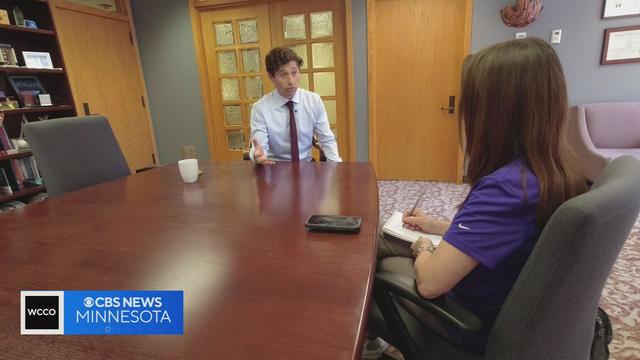
It seems like a win-win, rideshare companies won't leave Minneapolis and drivers get a bit of a pay bump. But not everyone is happy with Mayor Jacob Frey's move.
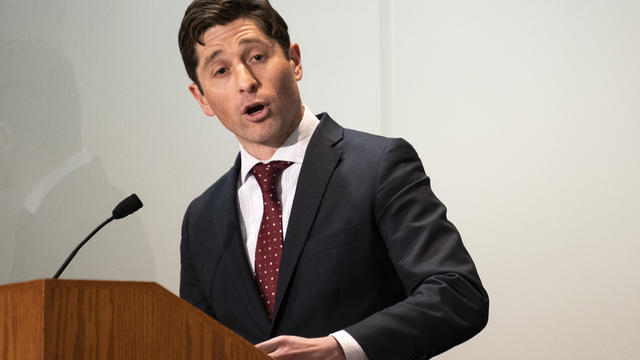
Minneapolis Mayor Jacob Frey has vetoed a measure that would set a minimum wage and ensure other protections for rideshare drivers in the city.
The Minneapolis City Council voted Thursday to pass an ordinance creating a minimum wage for rideshare drivers.
Gov. Tim Walz vetoed a similar measure passed by state lawmakers earlier this year after Uber and Lyft threatened to pull their services.
It comes just days after Uber and Lyft threatened to pull their services from the city if the measure passes.
Uber and Lyft are threatening to stop service in Minneapolis if a proposed ordinance passes this week. Allen Henry has a look at what the ordinance would do, and how other areas passed similar laws without losing service.
State lawmakers tried to do the same this legislative session, but Gov. Walz vetoed it when Uber and Lyft threatened to pull their services if the measure became law.
Uber and Lyft drivers are one step closer to earning a minimum wage in the city of Minneapolis.
Drivers for rideshare companies like Uber and Lyft could soon be entitled to minimum compensation for miles and minutes driven in the city of Minneapolis.
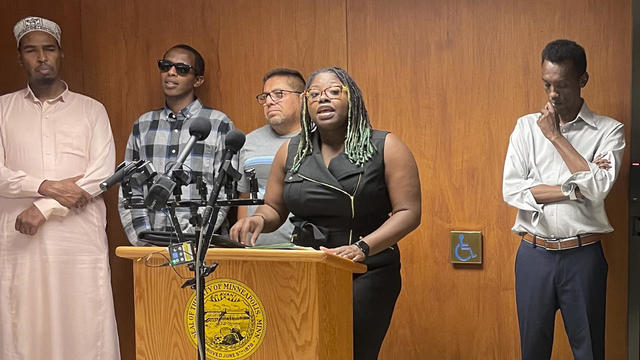
Drivers for Uber, Lyft and other rideshare companies could get a minimum wage in Minneapolis next year.

Court documents say Shevirio Kavirion Childs-Young, 20, along with others, engaged in a series of violent carjackings and armed robberies that targeted Uber and Lyft drivers during the fall of 2021.
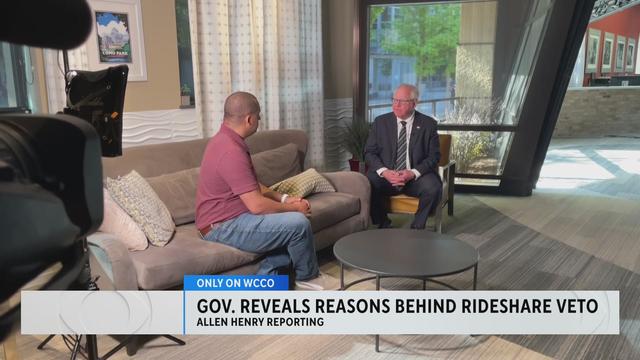
Tim Walz vetoed a bill that would have raised wages for rideshare drivers. WCCO’s Allen Henry sat down one-on-one with Walz to hear why he needed to pump the brakes on this progressive measure.

The legislation would have given Uber and Lyft drivers a pay increase and job protection. Walz issued an executive order Thursday creating a task force to issue recommendations for rideshare legislation next year.
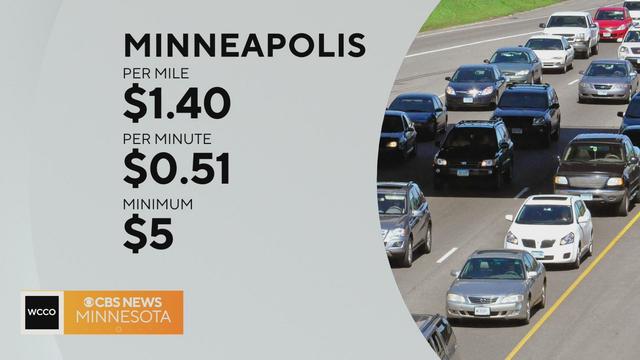
It would require compensation of at least $1.45 per mile and 34 cents per minute for rides in the seven-county Twin Cities metro area, with a 20-cent decrease in the mileage rate elsewhere in the state.
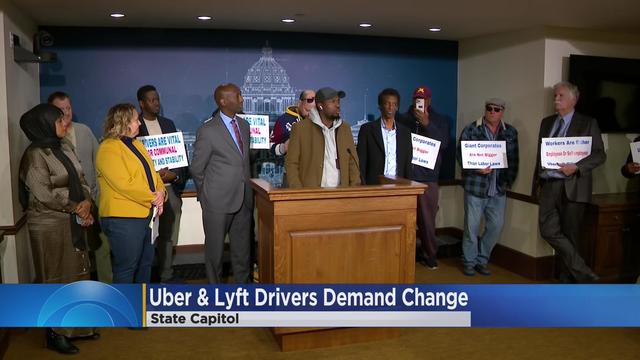
Uber and Lyft drivers spoke out at the State Capitol today demanding better pay and transparency from their employers. The drivers say they provide the car, the gas, the maintenance, and pay for insurance, but say the majority of the money goes to the company.