CBS News poll finds few feel shutdown is worth it
Americans are concerned about the effect of the shutdown on the economy, amid unease about jobs and inflation.
Watch CBS News
Americans are concerned about the effect of the shutdown on the economy, amid unease about jobs and inflation.
The federal government shutdown is already hitting home for thousands of Minnesotans. From postponed paychecks, to closed national parks, the fallout is growing.
Minnesota officials and advocates on Wednesday warned that without extension of a federal tax credit that lowers health insurance premiums — which are at the center of a dispute in Congress over government funding — thousands could see health care costs spike.
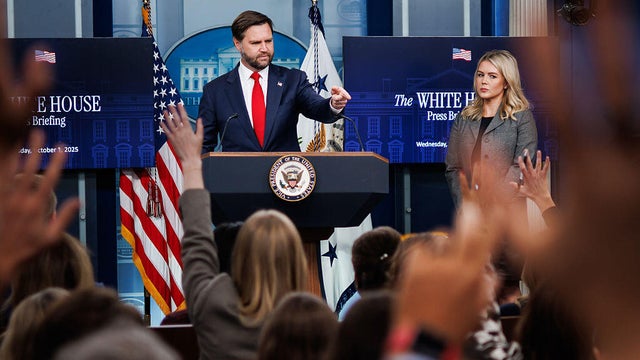
The first government shutdown in nearly seven years got underway as Republicans and Democrats remained at an impasse over 2025 funding.
Democrats and Republicans are blaming each other for the government shutdown that began Wednesday at midnight. It means stopping paychecks for hundreds of thousands of federal workers.
More than 18,000 federal civil workers are furloughed in Minnesota, not including military personnel. Minnesotans who work for the federal government may be expected to show up to work if they're considered essential, like TSA agents.
Democrats and Republicans in Washington remain at odds over how to fund the government. Even though it may feel a world away from Minnesota, a shutdown would hit close to home.
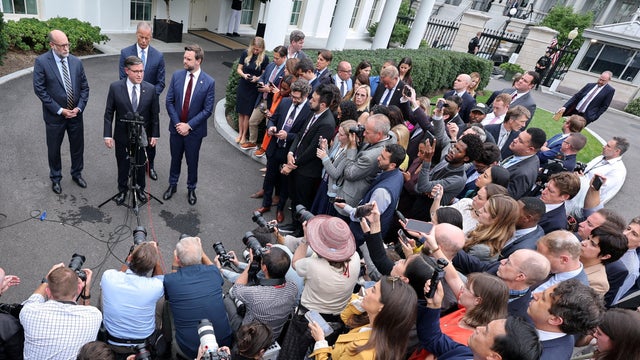
Congressional leaders met with President Trump at the White House as Washington barrels toward a 2025 shutdown.
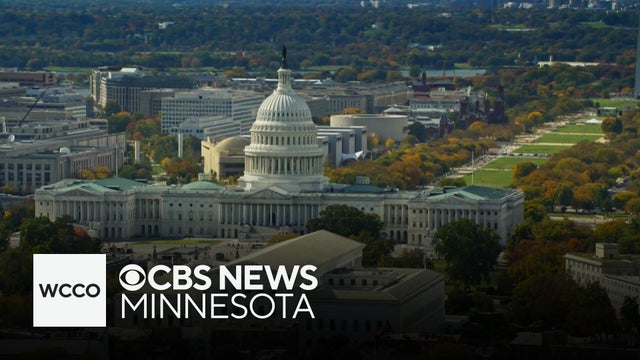
Most of the 20,700 federal workers in Minnesota will be furloughed and won’t get paychecks if Congress can’t reach an agreement to keep funding the government by Wednesday.
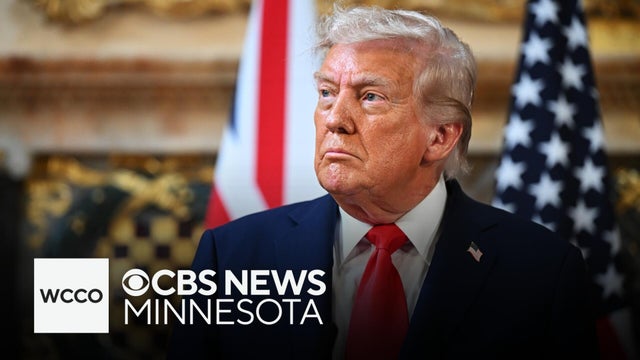
President Trump will meet with top congressional leaders on Monday. It's a rare high-level sitdown with leaders from both sides. Maria Lisignoli has the latest details.
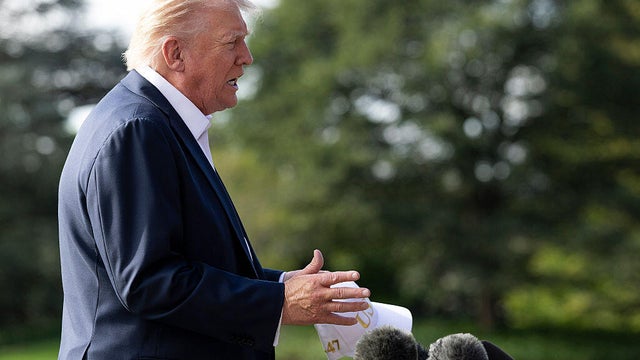
Lawmakers are facing a deadline of midnight Tuesday, when the 2026 fiscal year begins, to reach a deal to keep the government funded.
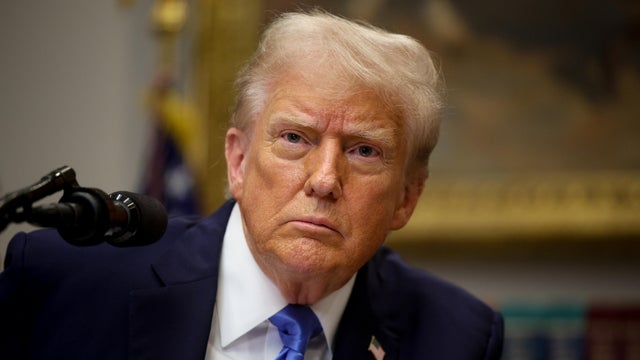
The Trump administration is raising the stakes as Congress faces a looming deadline to pass a government funding bill.
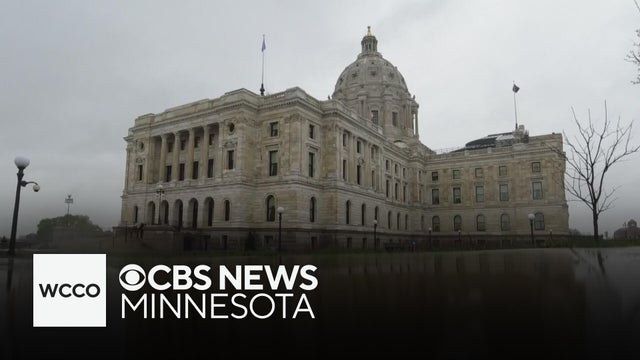
Minnesota state workers are on notice of a potential partial government shutdown next month if lawmakers don't get the rest of the next two-year budget done.

Jeff Wagner has the latest headlines and updates from WCCO.com.
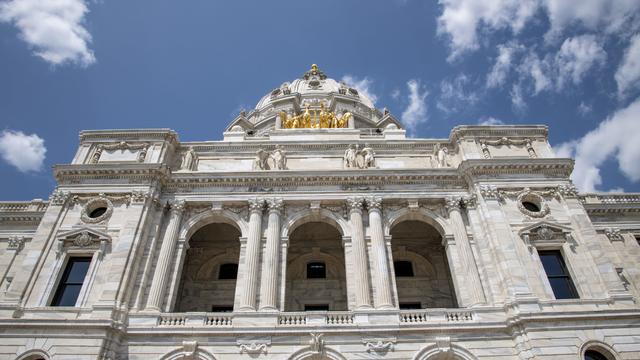
If the budget standoff continues through the end of this month at the Minnesota Capitol, there will be a state government shutdown on July 1 — the first time that's happened since 2011.
It was less of a sprint and more like a slow walk to the end of session on Monday, the constitutional deadline for the Minnesota Legislature to wrap up its work for the year. As WCCO's Caroline Cummings explains, it was clear days ago that a special session would be inevitable.

Federal funding cuts to mental health resources is leaving some Minnesotans in a lurch, unsure of whether or not they'll continue to have access to therapeutic and social services.
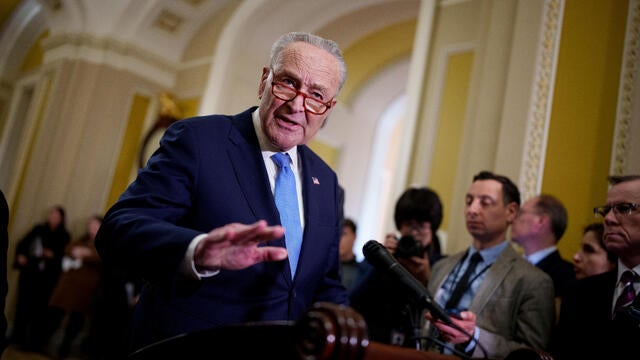
The Senate on Friday passed a Republican-led stopgap measure to keep the government funded ahead of a midnight deadline.

Friday, Minnesota veterans protested outside GOP offices ahead of a potential federal government shutdown.
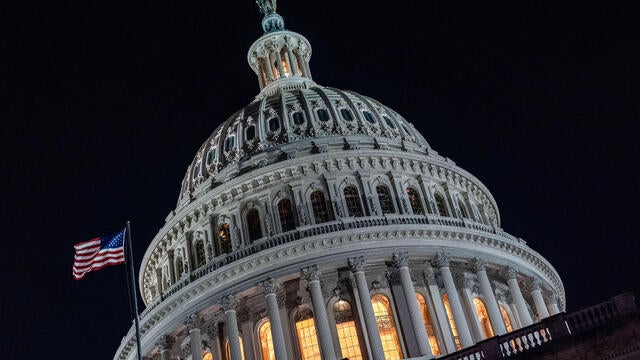
Republicans have put forward a budget proposal that would keep the federal government from shutting down this Sunday, but Democrats are opposed because of sharp budget cuts. Esme Murphy looks at how a shutdown would affect Minnesotans.
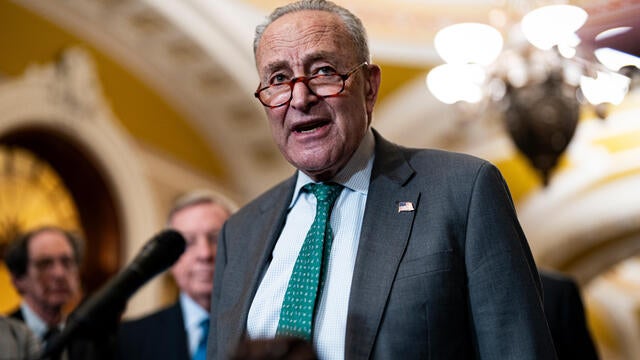
The Senate plans to take up a House-passed bill to fund the government through September beginning on Friday, which needs the support of Democrats to move forward.
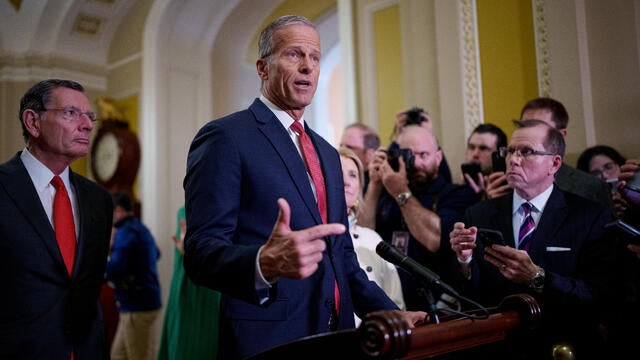
Congress is staring down a deadline to fund the government by the end of the week, as the familiar threat of a shutdown looms over Washington.
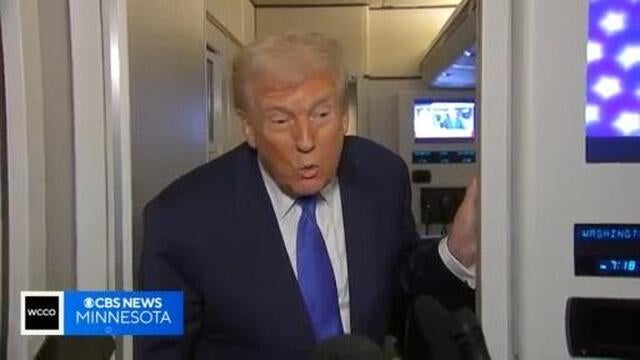
Wall Street opened lower on Monday after President Trump didn't rule out a potential recession during an interview over the weekend. It comes as Congress has to pass a budget by the end of the week to avert a partial government shutdown.
President Trump is downplaying concerns about the possibility of a recession, but also not ruling it out.
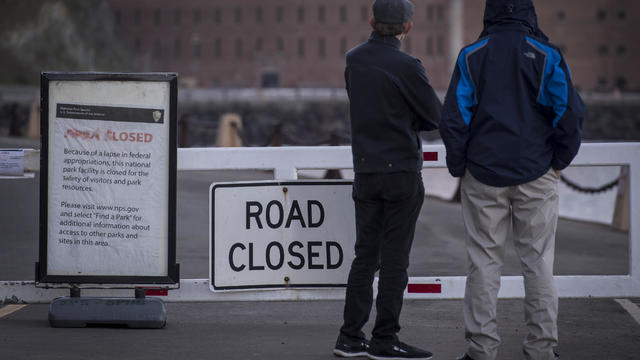
The U.S. government faced the threat of a shutdown if Congress didn't pass a spending bill before Dec. 21, 2024. Here's a look at the potential impact.