Workers lost $71 million in wages across Minnesota hospitality sector during Operation Metro Surge, analysis shows
Operation Metro Surge depleted $71 million in wages from Minnesota's hospitality and leisure industry, placing pressure on workers in one of the state's lowest-paid sectors, according to a new analysis.
The research by North Star Policy Action analyzed data for the first three months of 2026 and concluded that the sector lost 4,600 jobs and 3.8 million working hours.
"Operation Metro Surge drained tens of millions of dollars from a key sector of local economies, slashed hours for workers who kept their jobs, and devastated an entire industry," said Jake Schwitzer, the executive director of North Star Policy Action.
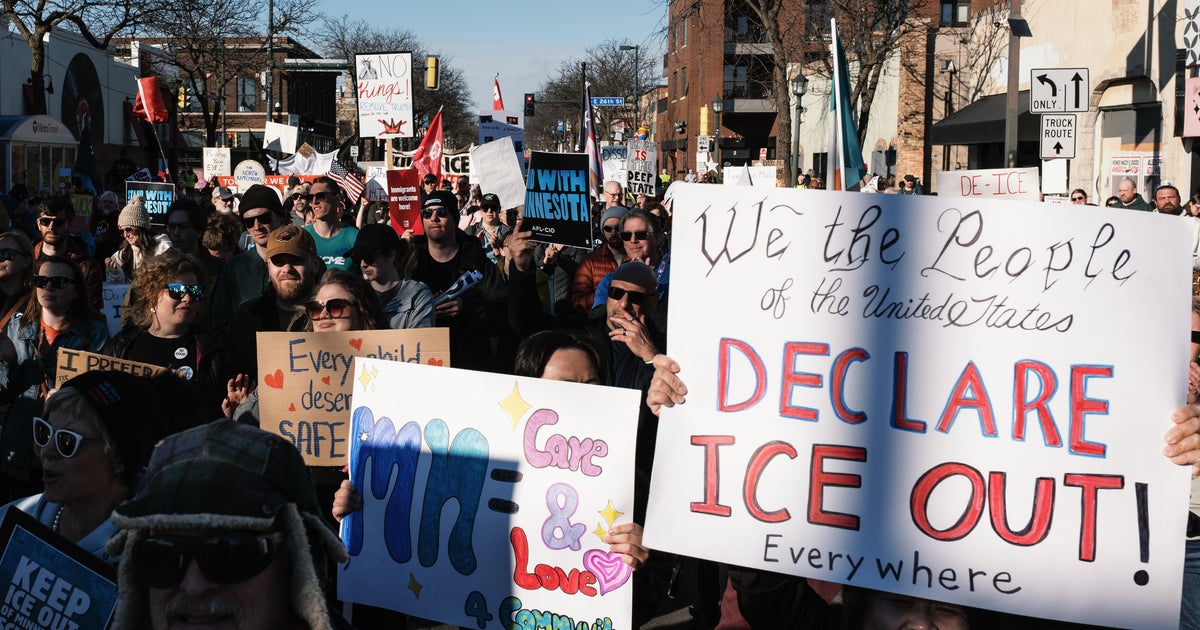
Business owners have said some workers have vanished or were afraid to leave home, and foot traffic was down amid the immigration crackdown.
The research showed that January 2026 saw the lowest number of working hours in the industry since December 2022.
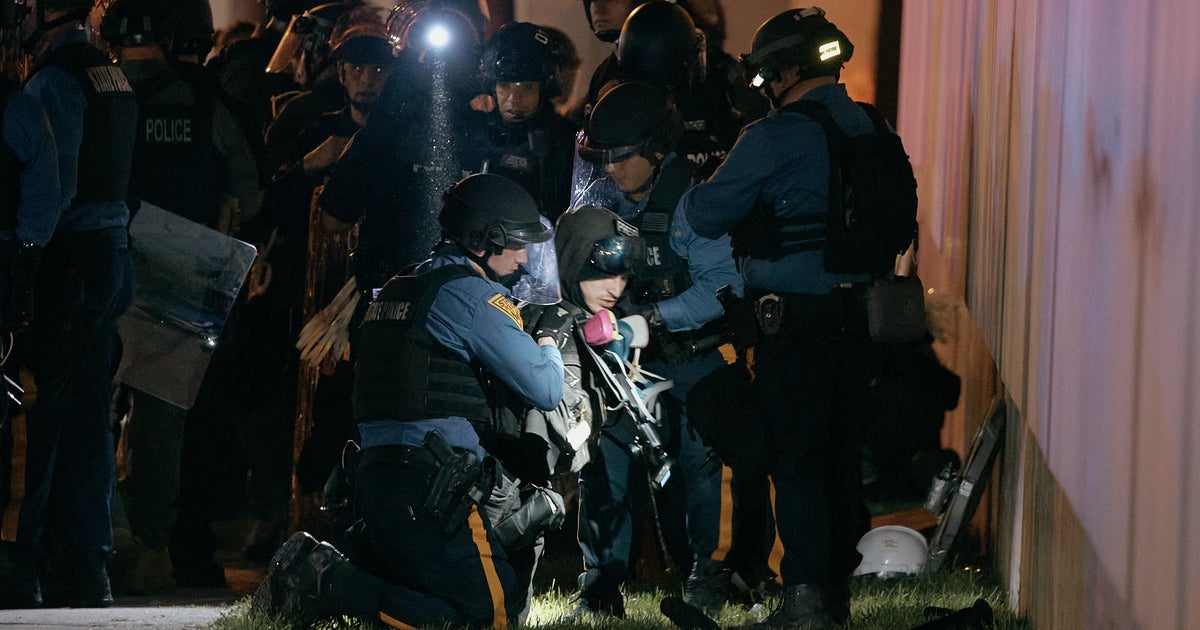
Thousands of federal agents descended upon the Twin Cities as part of a directive to go after the "worst of the worst" immigrants, though CBS News analysis of government numbers showed that less than a quarter of the people arrested during the surge were convicted criminals.
The City of Minneapolis released data showing restaurants across the city lost $81 million and workers lost $47 million in wages. Hotels lost $4.7 million in revenue from cancellations extending through the summer.
North Star Policy Action says the Minnesota leisure and hospitality industry was the most deeply impacted sector across the state, and recovery has remained slow. The sector also represents 8.7% of the state's workforce and is on average one of the lowest-paid industries, with most employees working paycheck-to-paycheck.
A bill meant to provide aid for businesses impacted by Operation Metro Surge stalled at the state Capitol after Republicans pointed to a widespread general strike in January.