Minnesota Capitol security committee holds first meeting since deadly lawmaker shootings

A special Capitol security panel convened Wednesday for the first time since the deadly attacks on Minnesota lawmakers and their families sent shock waves around the state.
The Advisory Committee on Capitol Area Security, by law, is to meet quarterly and is tasked with assessing safety issues and proposing recommendations to the Minnesota Legislature and the governor to enact changes. Its scope is solely the 140-acre Capitol complex, which includes 15 buildings and 25 parking facilities.
But the backdrop to their Wednesday meeting couldn't be ignored. The assassination of House Speaker Emerita Melissa Hortman and her husband Mark and attempted killings of Sen. John Hoffman and his wife Yvette put a spotlight on safety for lawmakers, staff, lobbyists and everyone who works in and around the Capitol.
"We continue to grieve their loss and we will never be the same," Rep. Kelly Moller, DFL-Shoreview, said through tears.
Separately, last month, there was a security breach inside the Capitol building when officers found a naked man inside the Senate chamber after hours.
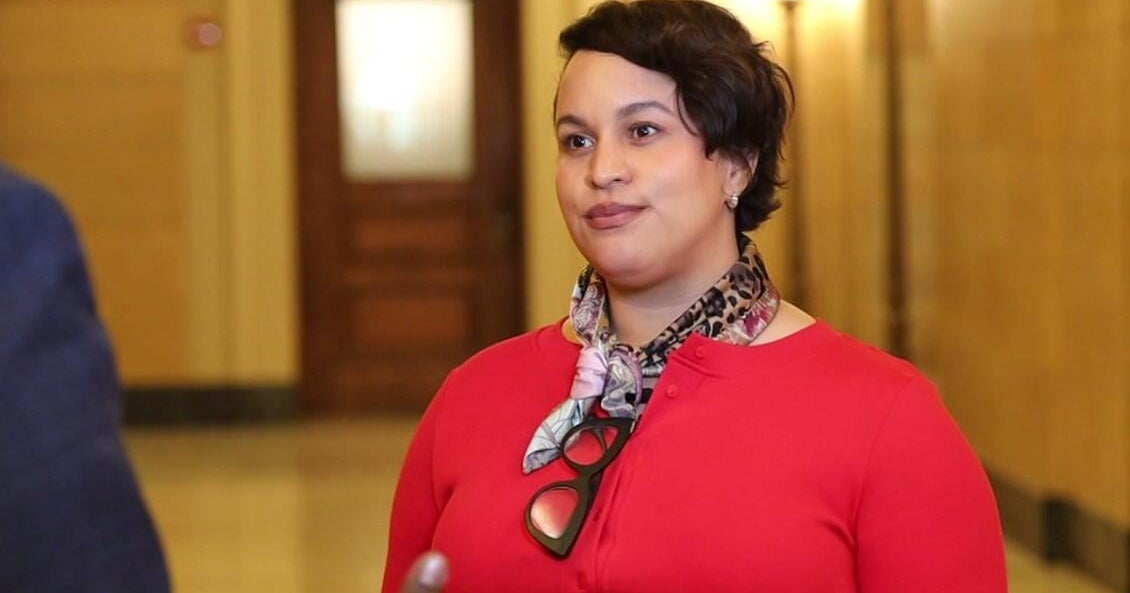
Lt. Gov. Peggy Flanagan, who chairs the committee, said their work is "more important than ever" due to the political environment, which has drastically changed in the 13 years since the panel was put together.
"Recent events have understandably raised questions about public safety in and around the Capitol. And for this committee, I'm looking forward to digging in and focusing on what we can advise the legislature and the governor for Capitol area security," she said.
The committee did not take any action on Wednesday; Flanagan vowed it marked just the beginning of several meetings over the next few months that would culminate with a security package the six members would recommend to the Legislature.
Flanagan is joined by two Republicans and two Democrats from both chambers, as well as Chief Justice Natalie Hudson of the Minnesota Supreme Court.
Members heard from the state public safety chief, sergeants at arms in both chambers, and the Minnesota State Patrol, which oversees security personnel at the Capitol complex.
Lt. Col. Jeremy Geiger noted the changes they've already made since the attacks, like fewer public entrances and increased staff on site. There is a third-party assessment of security underway, he said.
"We're not waiting for that report. We're not waiting for something to get done to move forward," he said. "We're also meeting with this third-party entity and those doing the security assessment periodically to see if they have identified anything during their assessment that we can address immediately."
The State Patrol said it's in the process of hiring an additional 19 security officers for Capitol within its existing budget. Additional troopers will be assigned to the Capitol, too. From Jan. 1 through the end of June, there were more than 14,600 security checks on the complex.
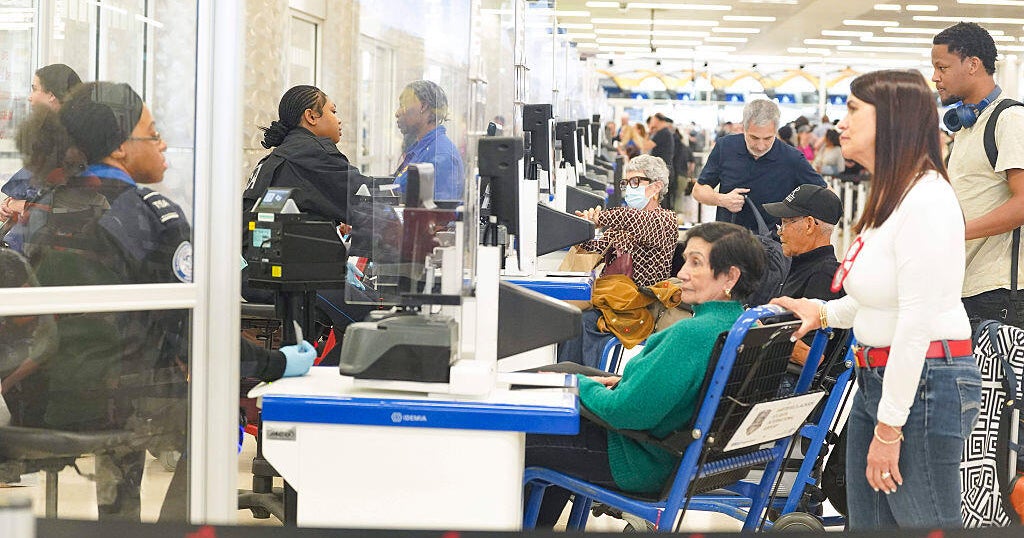
Flanagan said future meetings will include presentations from other states about security in their capitols. Many of those buildings have visitors go through a metal detector before entry. Minnesota does not require any such screenings.
Flanagan said she supports having them, and others agreed.
"No topic should be off the table," said Sen. Bonnie Westlin, DFL-Plymouth. "We need to fully explore every topic that impacts the security of the people who come to this building, and that is going to include a conversation about weapons detection. And I hope that we will approach that with an open mind."
Department of Public Safety Commissioner Bob Jacobsen told reporters after the meeting that weapons screening would come with a "significant funding request" of the Minnesota Legislature, though it's unclear how much it would cost.
The Minnesota Judicial Center is the only building that requires a weapons screening before entry. Lawmakers across the aisle have shared mixed feelings about taking that step when balancing safety with access to the people's house.
"I'd like to caution the committee not to be lulled into a false sense of security by using technology alone. This goes far deeper than just the physical aspect of products that a number of corporations will want to sell the state of Minnesota," said Sen. Warren Limmer, R-Maple Grove.
Prohibiting guns on the premises would also require legislative approval and dozens of people submitted testimony urging the committee to reject that idea.