Future of Waymo, self-driving cars fuels debate at Minnesota Capitol

The future of self-driving cars, including robotaxi service Waymo, is up for debate at the Minnesota Capitol, where lawmakers are discussing a regulatory framework to give the vehicles a clear lane to operate in the state.
A bipartisan bill discussed Wednesday in a House transportation panel would set up those guidelines and prohibit local governments from enacting their own rules. Waymo, which is already testing its vehicles in Minneapolis with someone behind the wheel, backs the plan and more than a dozen people weighed in on the proposal.
"The legislation is a vital step towards getting autonomous vehicles and their proven safety, accessibility and economic benefits to Minnesota," said Adam Lane, the state and local policy manager for Waymo.
But it won't be on the fast track this year. There are still several more committees yet to discuss the measure and many competing ideas about what those regulations should look like. The language will inevitably change as the legislative session continues.
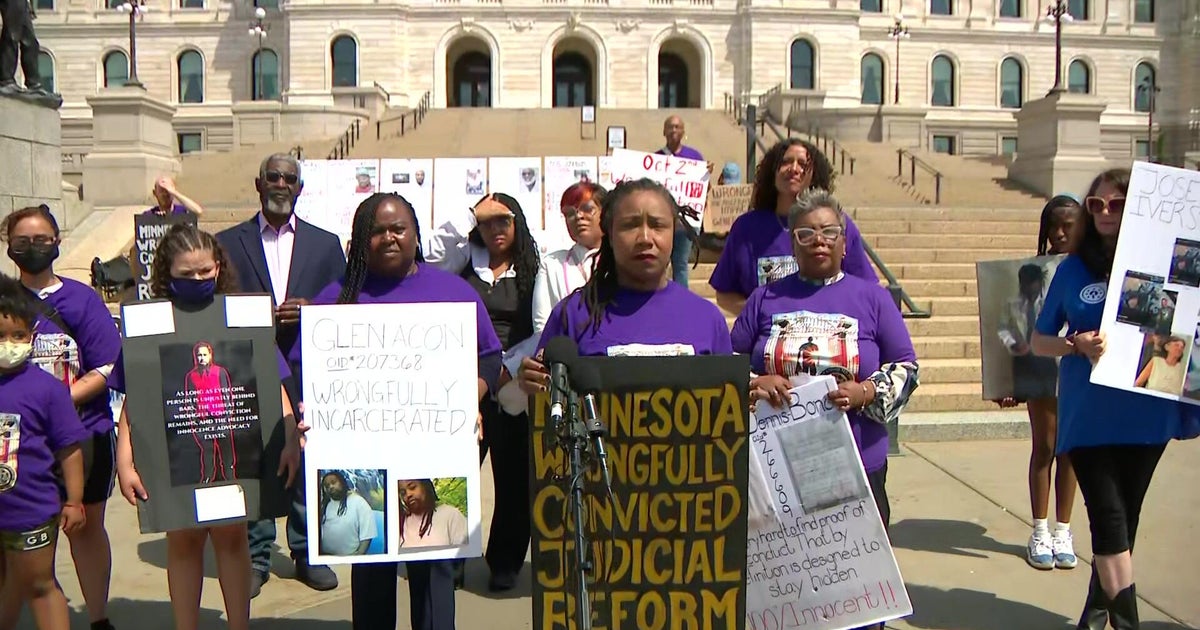
Others think Minnesota should pump the brakes on autonomous vehicle authorization entirely until the safety and economic impacts are thoroughly studied. On Tuesday, the DFL authors of a separate proposal to do just that held a news conference alongside some rideshare drivers to raise concern about the regulatory bill in the Legislature right now.
"Minnesotans deserve to know who is responsible when technology makes decisions on public roads. Other states have moved quickly and are now dealing with challenges after deployment," said Rep. Samantha Sencer-Mura, a Democrat in Minneapolis. "We have a chance here in Minnesota to lead differently by studying first, listening to the public and setting clear guardrails before commercialization begins."
A spokesperson for the Minnesota Department of Transportation said state law neither prohibits nor explicitly allows automated vehicles to test on Minnesota roads today and the agency published its own list of policy recommendations for the cars based from a taskforce.
"We believe that fully automated vehicles will be a part of Minnesota's very near transportation future, and clear rules and regulations governing the operation of automated automated vehicles are needed," Nancy Daubenberger, commissioner of the Minnesota Department of Transportation, told lawmakers.
Waymo currently operates in 10 cities largely in the southern part of the U.S. and California, with plans to expand into other states. People with disabilities also testified Wednesday that they endorse the tech because it could provide them more transportation options.
"The most cited concern among the blind Minnesotans is access to transportation. More than doctors' appointments and groceries, autonomous vehicles move us closer to a barrier-free avenue to employment, tourism and education," said Corbb O'Connor, president of National Federation of the Blind of Minnesota. "We value the service of all rideshare companies and we know that autonomous vehicles increase supply in the market."
Eid Ali, president of the Minnesota Uber/Lyft Drivers Association, said he hopes lawmakers include rideshare drivers and safety experts in the conversation.
"We welcome innovations that strengthen our community and improve transportation. However, innovation must move forward responsibility," Ali said.