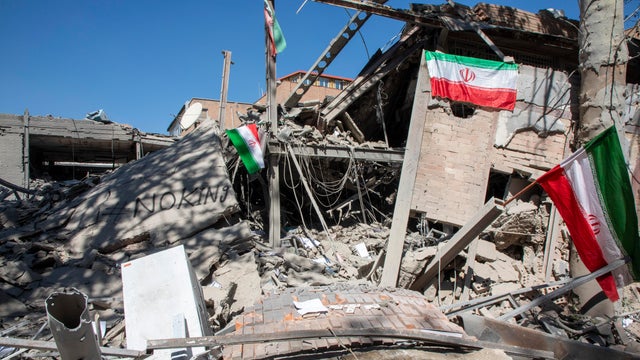
U.S. and Iran reach ceasefire deal, launching 2-week diplomatic push
President Trump announced that the U.S. and Iran had agreed to a two-week ceasefire that was contingent on the reopening of the Strait of Hormuz.
Watch CBS News
President Trump announced that the U.S. and Iran had agreed to a two-week ceasefire that was contingent on the reopening of the Strait of Hormuz.
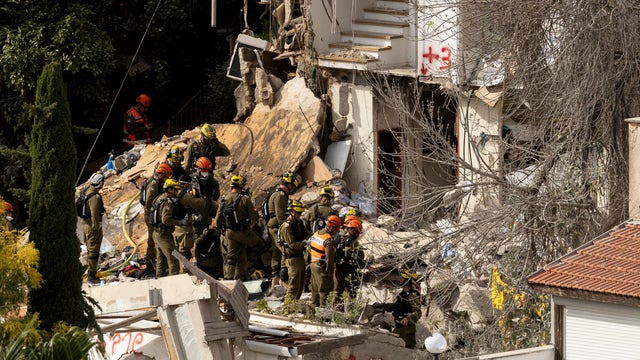
President Trump's deadline for Iran to reach a deal to end the war or face punishing strikes on its bridges and power plants is less than 24 hours away.
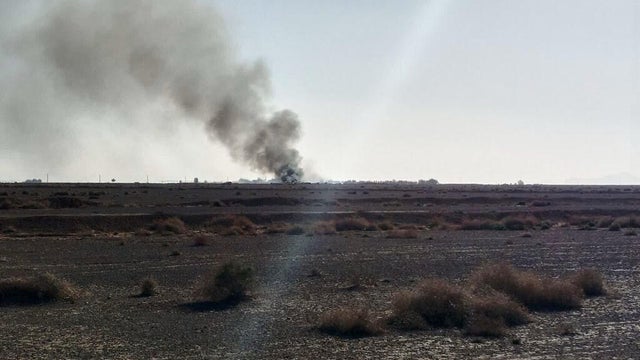
President Trump hailed the rescue of a U.S. airman who was missing almost two days inside Iran — and threatened to hit power plants if Iran doesn't reopen the Strait of Hormuz.
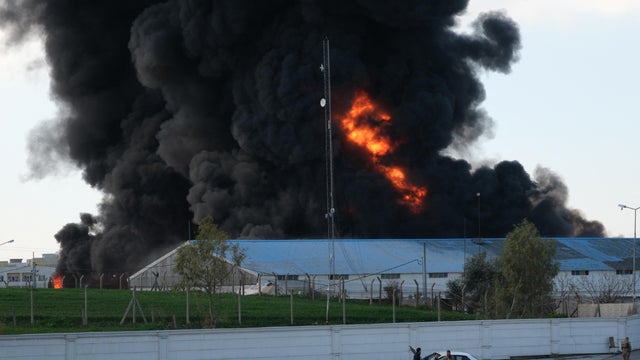
President Trump warned the U.S. "hasn't even started destroying what's left in Iran," and previewed that strikes on bridges and power plants could be next.
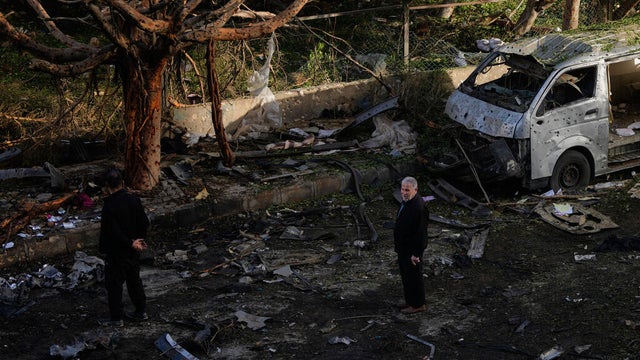
Trump says he expects the U.S. war with Iran to end within several weeks despite unrelenting attacks from both sides and Iran's iron grip on the Strait of Hormuz.

President Trump indicated the Iran war may wrap up "very soon" and he could abandon efforts to force Iran to reopen the Strait of Hormuz, as the war pushed U.S. gas prices over the $4 mark.
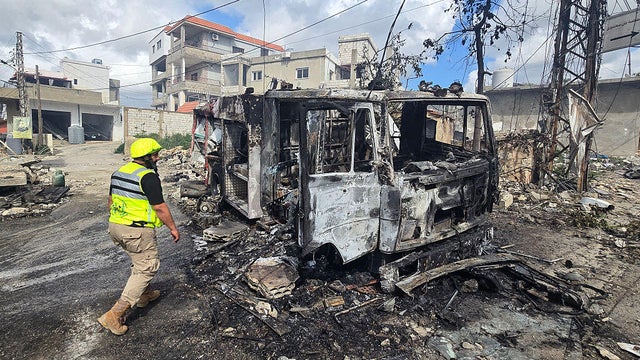
Energy markets remain volatile as President Trump threatens Iran with an invasion to seize its oil while also suggesting a deal could soon end the war.
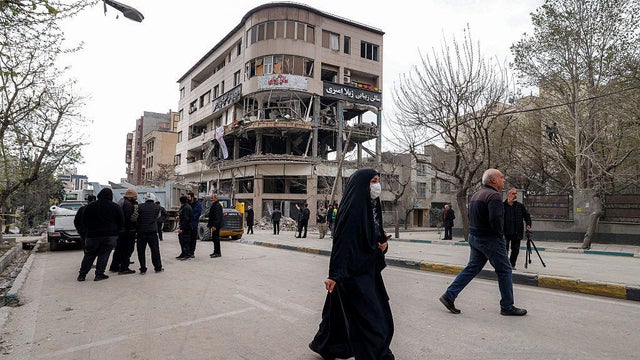
It's unclear if the talks would be direct or indirect, and Washington and Tehran aren't commenting. This, as Iran warns the U.S. not to start ground operations.
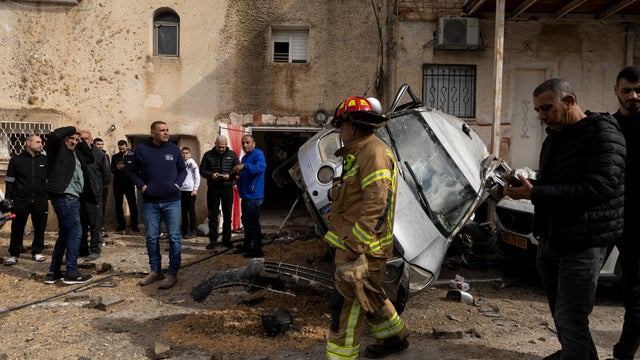
President Trump has extended a pause on striking Iranian energy infrastructure until April 6.

White House press secretary Karoline Leavitt says talks with Tehran are ongoing hours after Iran's state media said the regime rejected Trump administration proposals.

President Trump said several members of his administration were involved in talks with Iran about the ongoing war.
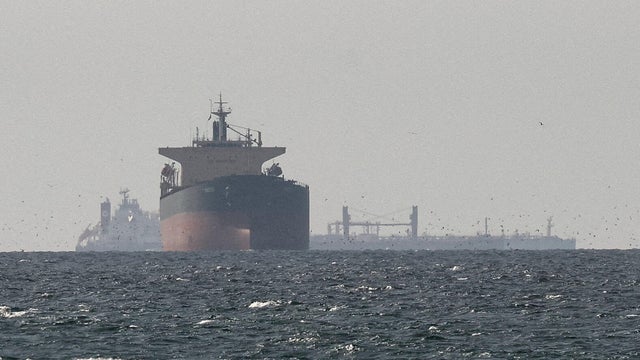
The president threatened to "obliterate" Iranian power plants if Iran didn't reopen the Strait of Hormuz by late Monday night Eastern Daylight Time.
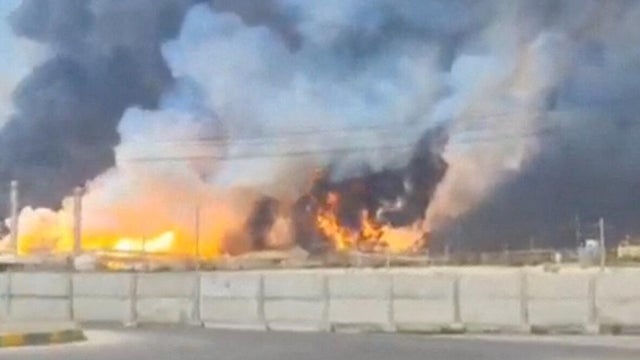
As Iran retaliates for an Israeli strike on the South Pars gas field, one analyst warns the war is "now hitting the plumbing of the global energy system."
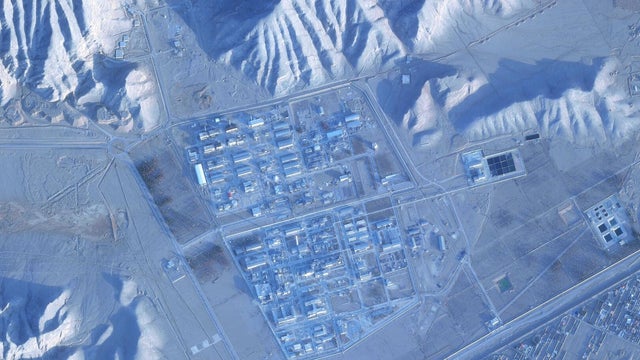
Satellite companies restrict access to images of the Middle East as the Iran war rages, with one citing concern data could be exploited "by adversarial actors."
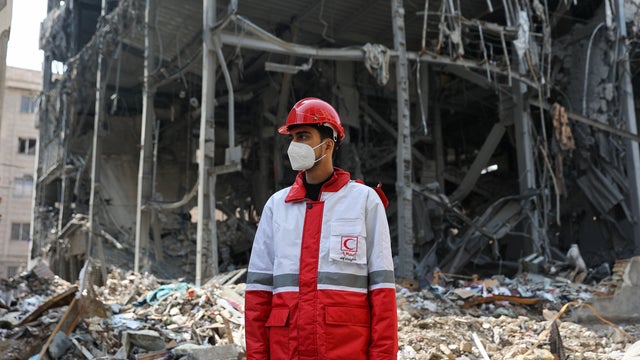
Trump says the U.S. will destroy a vast Iranian gas field if Tehran retaliates for an Israeli strike on the facility by attacking Qatar's infrastructure.
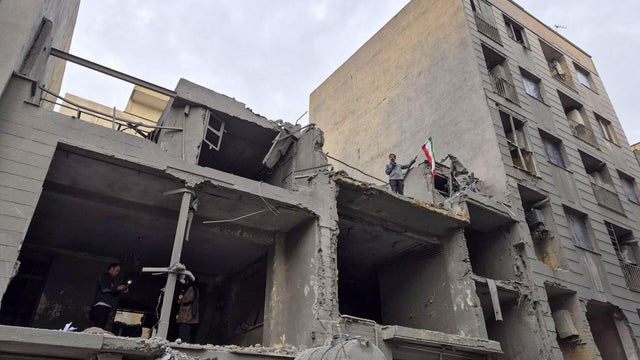
Israel says it killed Iran's top security official Ali Larijani, as America's European allies reject President Trump's demands for help in the Strait of Hormuz.
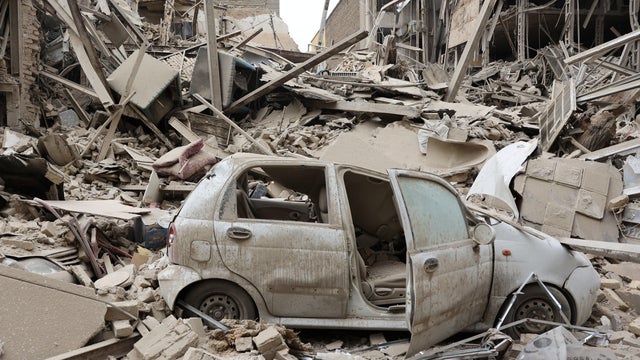
The Iran war could escalate further as President Trump threatens to hit key oil infrastructure if Tehran doesn't drop its chokehold on the Strait of Hormuz.
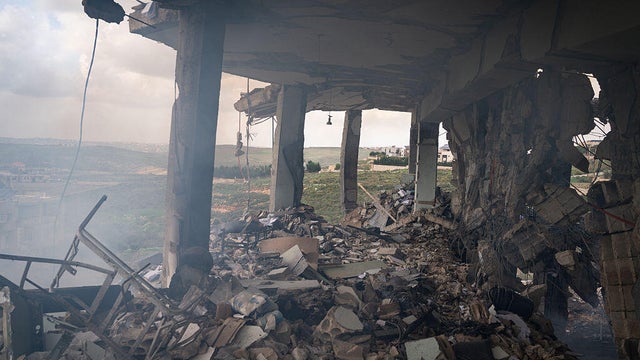
The war, which shows no signs of ending soon, has disrupted oil exports from the region, driven fuel prices far higher worldwide and upended global air travel.

Suspected Iranian cyber and drone attacks are already impacting U.S. tech companies, and Iran says a list of American firms are now on its target list.
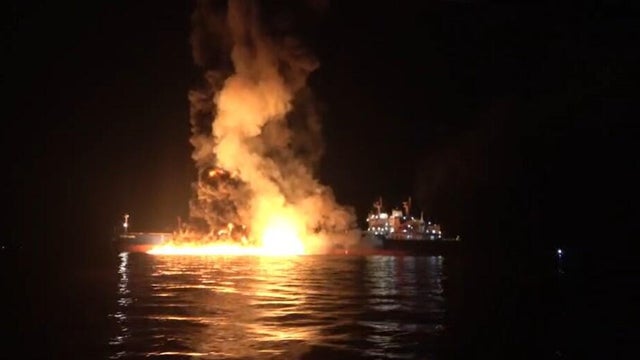
Iran's relentless attacks on Gulf states and infrastructure appear to be overshadowing interventions by the U.S. and its allies aimed at easing energy prices.

President Trump says he'll end the war soon, when he wants to, as Iran hits ships in and near the Strait of Hormuz and warns U.S.-linked banks will be next.
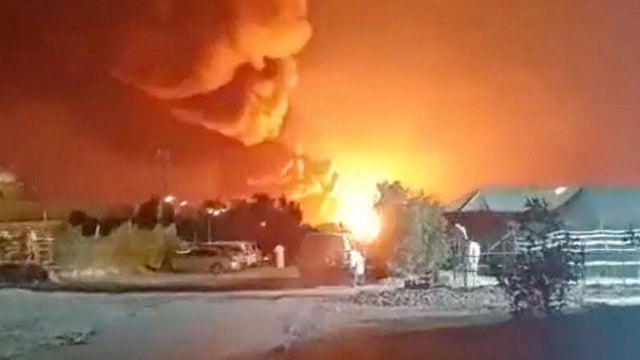
President Trump says the Iran war will end "very soon," but Tehran says it's "prepared to continue attacking" indefinitely, and it won't let oil leave the Gulf.

President Trump's assurances that a rising U.S. death toll and soaring energy prices will be temporary and worth the pain are failing to assuage jittery investors.
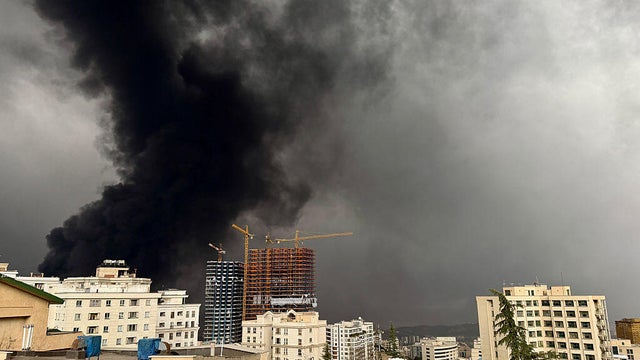
President Trump says the U.S. has diminished Iran's military and regime and will continue to expand its targets inside Iran.

President Donald Trump says the U.S. and Latin American countries are banding together to combat violent cartels as his administration looks to demonstrate it remains committed to sharpening U.S. foreign policy focus on the Western Hemisphere.