Trump rule restricting immigration based on wealth takes effect
The stringent requirement in the regulation are expected to dramatically limit immigration from Africa, Asia and Latin America.
Watch CBS News
The stringent requirement in the regulation are expected to dramatically limit immigration from Africa, Asia and Latin America.

David Hernandez Colula died Thursday at a hospital in Youngstown, Ohio.

A migrant family from Guatemala reunited last month, and advocates hope to find hundreds more parents who were deported to Central America without their children.

The move marks yet another escalation in the Trump administration's feud with cities that limit their cooperation with federal immigration authorities.

The money was originally allocated for military weapons and hardware.

The U.S. has shipped nearly 400 Honduran and Salvadoran asylum-seekers to Guatemala, requiring them to choose between seeking refuge there or returning home.

The expansion will ban most immigration from Myanmar, Kyrgyzstan, Eritrea and Nigeria, Africa's most populous country.

Up until now, the U.S. had only placed asylum-seeker from Spanish-speaking Latin American countries in the controversial "Remain in Mexico" program.

The filing is the latest salvo in the government's stalled attempt to eliminate a 1997 agreement governing the care of unaccompanied migrant children and families.

The death of Ben James Owen on Saturday evening is also the third apparent self-inflicted strangulation of an ICE detainee since October.

The high court allowed U.S. officials to implement a sweeping rule that critics warn will shut America's doors to low-income immigrants and people of color. The merits of the case will continue to be argued in lower courts.

"The Trump administration is clearly attempting to scale up its crackdown on asylum at the U.S.-Mexico border," an immigration expert told CBS News.

When the U.S. separated thousands of migrant families in 2018, it deported hundreds of parents without their children. Nine of them were allowed to return to U.S. to see their children once again.

Advocates, citing the children's recent hospitalization, mounted an unsuccessful legal challenge to stop the deportation — which took place Tuesday

Members of a congressional delegation described the squalid conditions faced by the asylum-seeking families and children they met in Matamoros, Mexico.

The ruling is a temporary blow to the White House's concerted efforts to dramatically overhaul the nation's refugee program, which enjoyed bipartisan support for decades.

Under a deal with Guatemala, the U.S. has sent dozens of migrants to the Central American country, asking them to seek asylum there.

Democratic lawmakers launched an investigation into the Trump administration's policy of requiring asylum-seekers to wait in Mexico.

Although the ruling did not further curtail the government's power to separate migrant families, it did require U.S. officials to conduct DNA tests before separating children from parents when there are questions about parentage.

Attorneys say some migrant children are held in jail-like settings "on the basis of such trivial things as possessing drawings of their high school mascot or the area code for their home country."
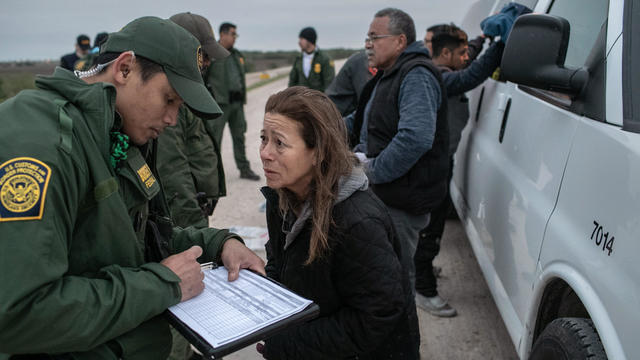
The Trump administration attributed the drop to a controversial border policies, including denying some migrants access to asylum.
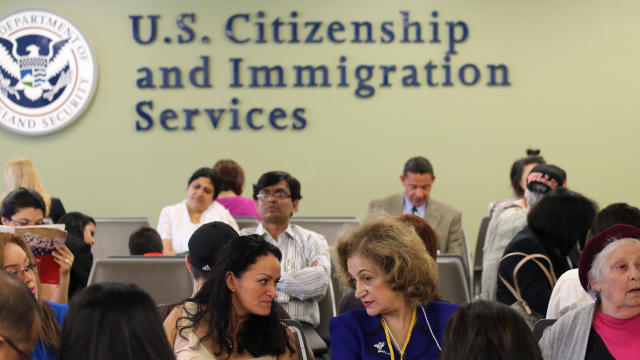
The rule would make it easier for the government to reject visas and green cards from people officials determine rely — or will rely — on public benefits.
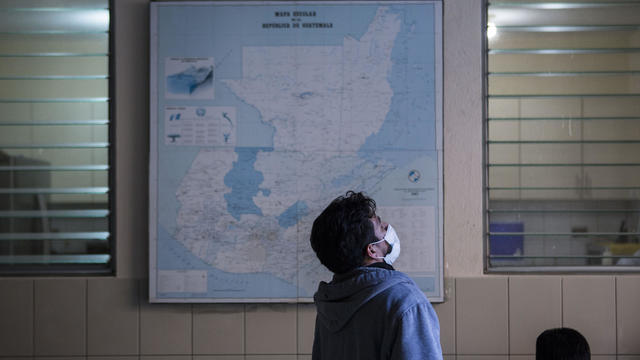
The U.S. has sent 85 asylum-seekers to Guatemala. Only six have applied for asylum there, with the rest requesting help returning home.
Advocates have decried the practice as intrusive, saying it could enable the Trump administration to create a massive database to surveil immigrants.
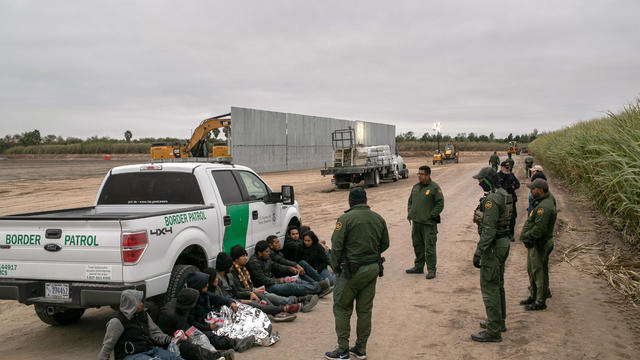
2019 was arguably the Trump administration's most successful one in its quest to severely restrict asylum and overhaul the legal immigration system.