Hurricane Helene downgrade to Tropical Storm
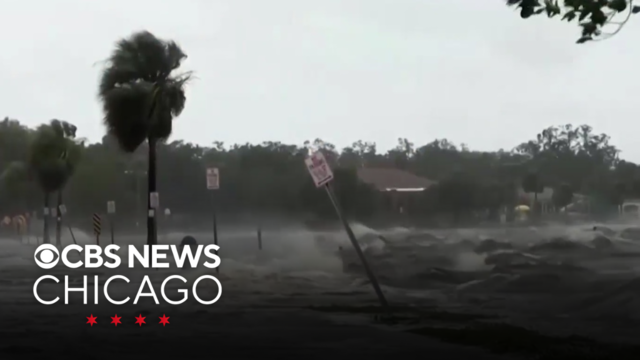
The storm brought heavy flooding and massive power outages after making landfall in the Big Bend area of Florida’s Gulf Coast on Thursday.
Watch CBS News
The storm brought heavy flooding and massive power outages after making landfall in the Big Bend area of Florida’s Gulf Coast on Thursday.
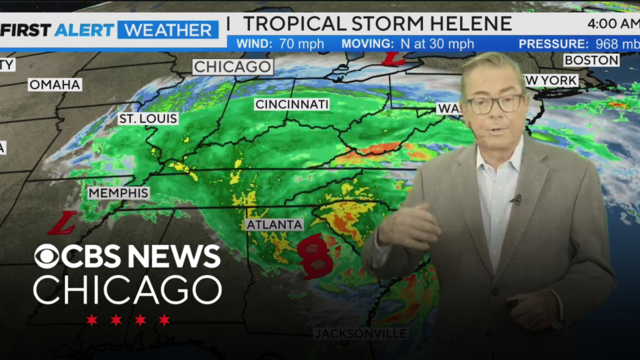
On Friday, Helene was downgraded to a tropical storm.
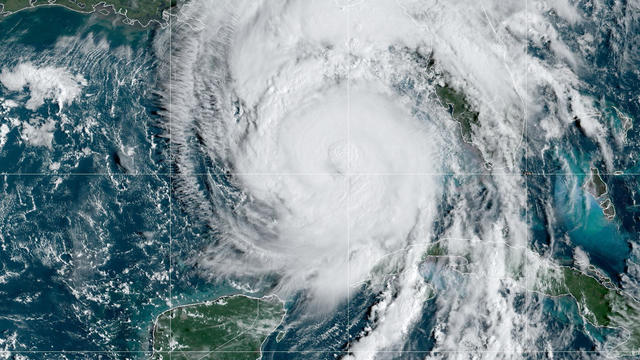
Hurricane Helene is now the fourth landfalling U.S. hurricane this year, and is set to bring strong wind gusts as far inland as Chicago this Friday and Saturday.
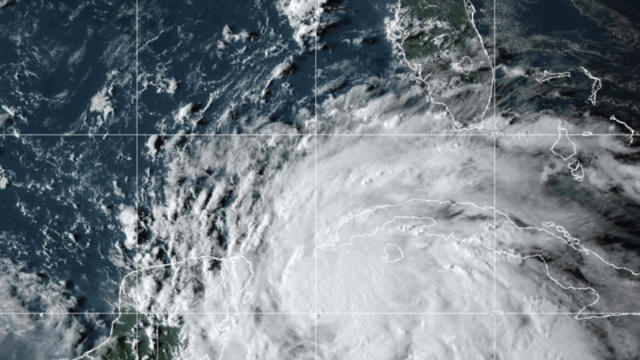
The U.S. Gulf Coast is bracing for a major hurricane, with Tropical Storm Helene expected to intensify rapidly into a Category 3 storm and hit Florida's Big Bend.
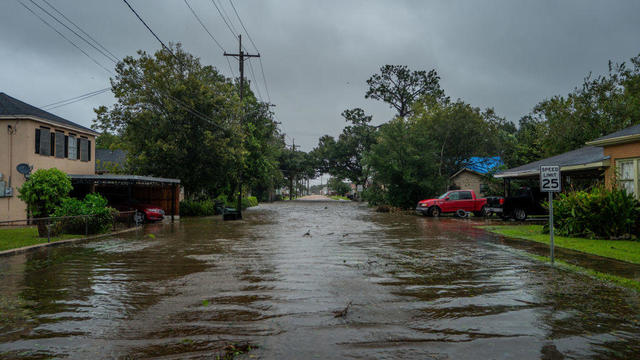
Francine made landfall in southern Louisiana's Terrebonne Parish, the National Hurricane Center said.
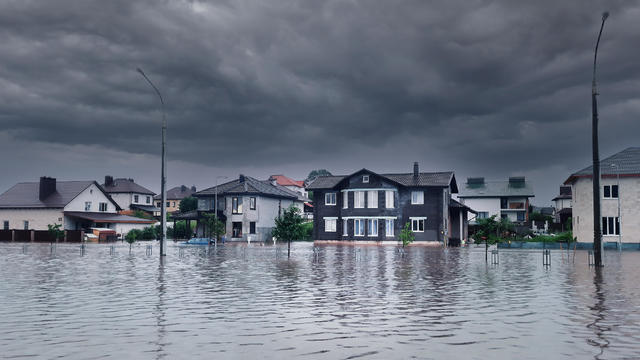
As climate change whips up wilder weather, more Americans must deal with "hazards they have not faced in the past," expert says.
The storm is expected to bring floods, large surf, and damaging winds. It is forecasted to peak on Sunday and Monday.
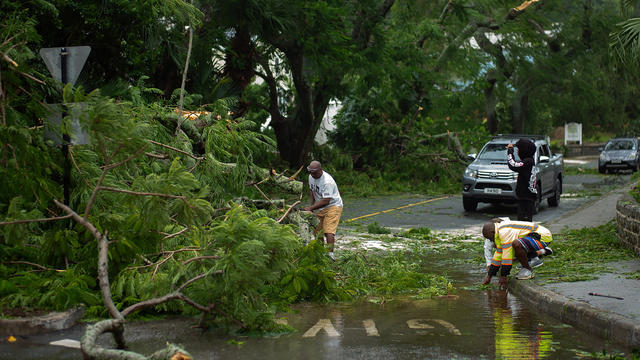
Ernesto regained hurricane strength on Sunday, forecasters said, and will continue to bring "life-threatening surf and rip current conditions" to the U.S. East Coast.
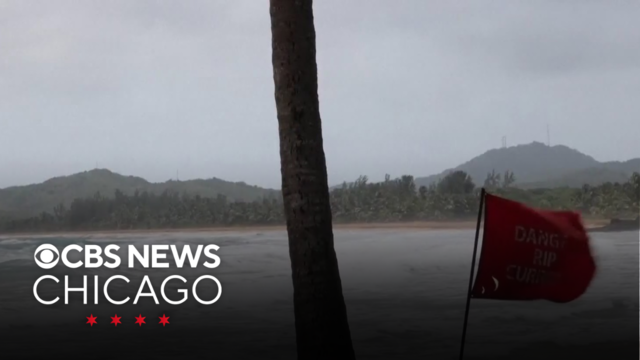
The storm is expected to gain strength as it nears Puerto Rico on Wednesday.
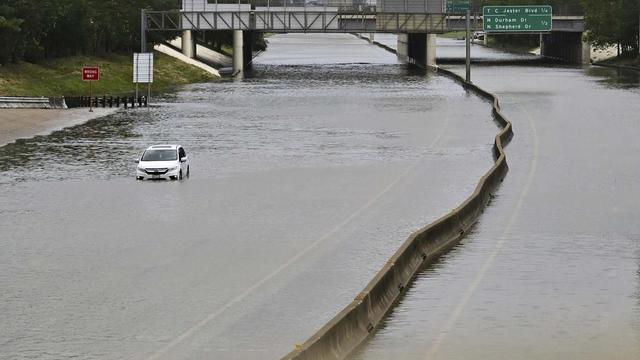
Many of the millions left without power sweltered and grumbled Tuesday as the storm gutted access to air conditioning, food and water, and smothering heat and humidity draped Houston.

The last flight of the night from Montego Bay was a full one. Some passengers said they changed their plans to escape the potential storm.
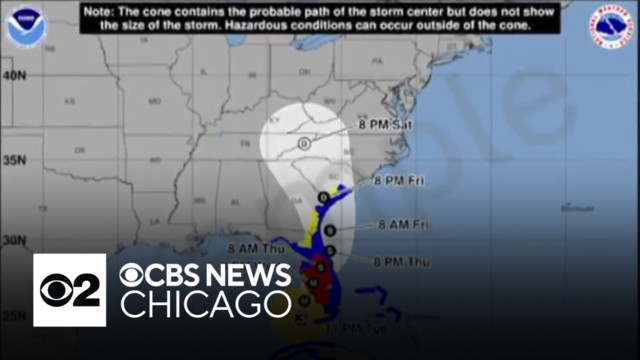
The National Hurricane Center is urging everyone to listen to hurricane and storm surge warnings. Forecasters predict 25 named storms during the season.

People living in areas at higher risk of fires and hurricanes are being hit the hardest. CBS Correspondent Kristine Lazar has advice on how to find affordable coverage.
The National Oceanic and Atmospheric Administration says it could be the worst hurricane season ever, largely due to the warmest ocean surface temperatures on record.
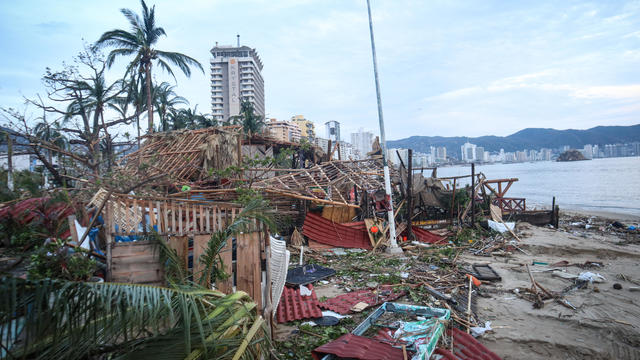
Hurricane Otis plowed into Mexico's Pacific coast as a deadly Category 5. Just 12 hours earlier, it was a tropical storm.
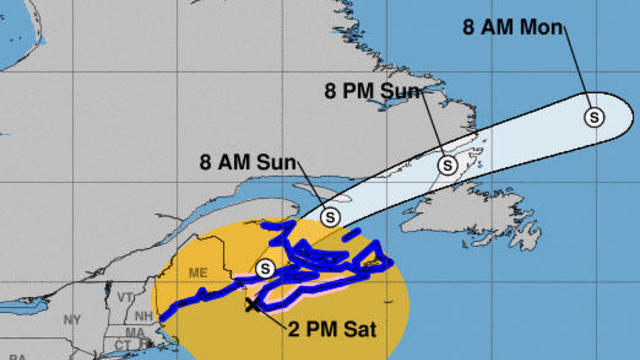
Hurricane Lee is churning northward, whipping up rough seas in the Atlantic as watches and warnings are issued for parts of New England and Canada.
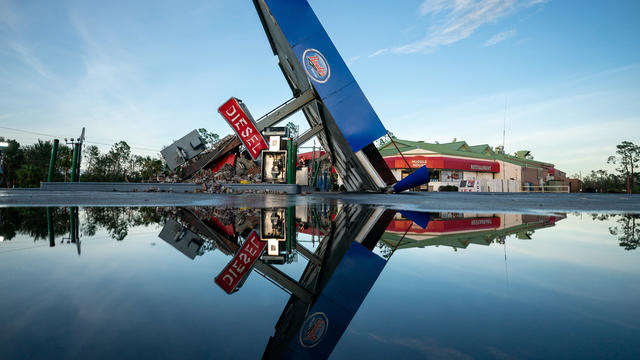
Idalia made landfall as a powerful hurricane in the Big Bend area of Florida's Gulf Coast before being downgraded to a tropical storm as it moved across Georgia and into the Carolinas.
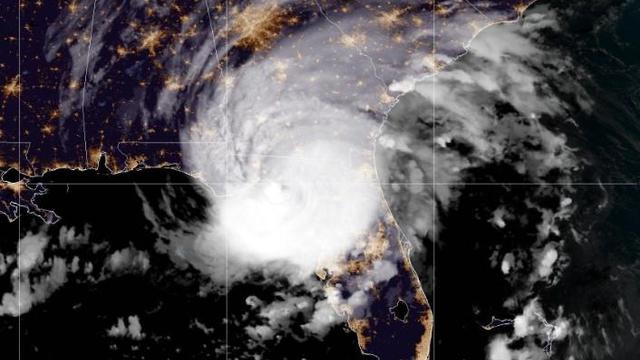
Idalia made landfall as a Category 3 hurricane over the Big Bend region of Florida, before continuing along its path toward Georgia and the Carolinas.
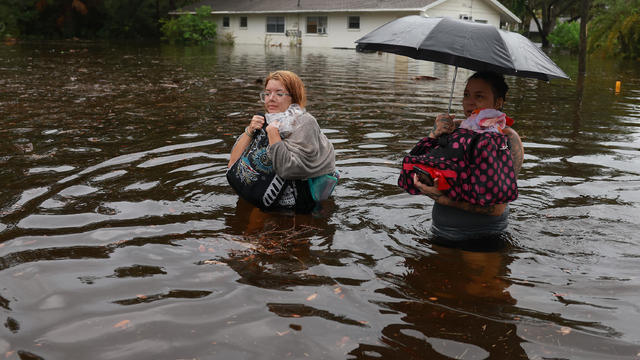
Hurricane Idalia caused heavy damage to Florida's Gulf Coast, bringing dangerous flooding to the streets from Tampa to Tallahassee.
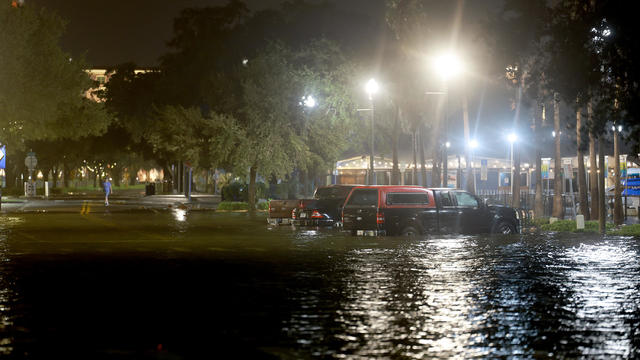
The National Hurricane Center said Idalia was weakening but water levels could reach as high as 16 feet in some areas.
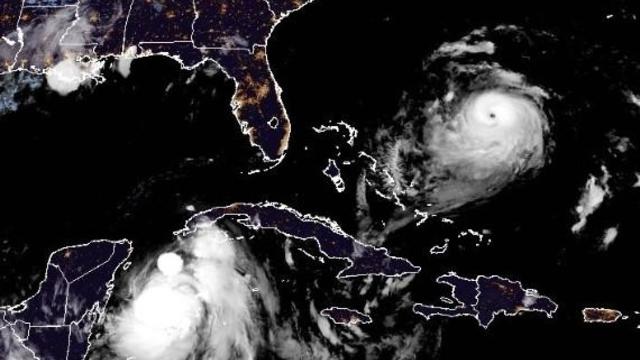
Idalia could hit the Florida Panhandle as a major hurricane and Franklin is already the Atlantic season's first major hurricane, forecasters said.

The helicopter was being prepared for possible search and rescue missions. Tropical Storm Idalia is expected to become a major hurricane before it reaches Florida's gulf shore in the next few days.
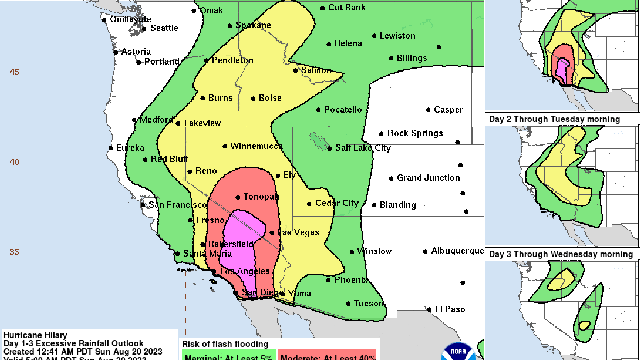
The storm was hitting the southwestern U.S. and could bring "catastrophic and life-threatening flooding," according to the National Hurricane Center.
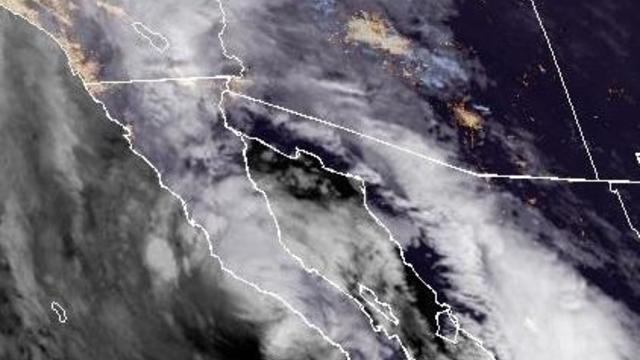
Hilary was downgraded a few hours before landfall to a tropical storm as rain from the storm started spreading in Southern California, the National Weather Service said.
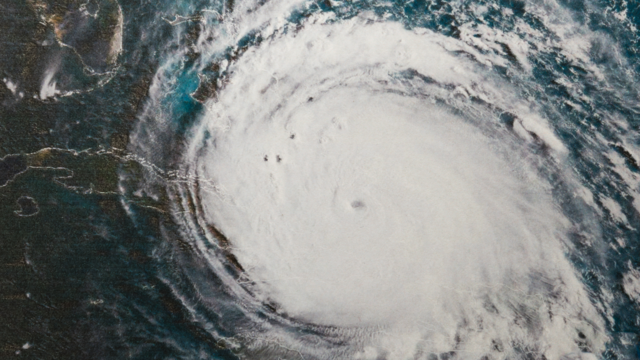
Science tells us there's a connection between hurricanes and climate change. But how strong is it? And what can we expect for the future?