
U.S. reducing troop footprint in Middle East, sources say
The U.S. military has quietly reduced its footprint at posts in the Middle East due to ongoing threats from Iran and its Houthis allies in Yemen, sources tell CBS News.
Watch CBS News
The U.S. military has quietly reduced its footprint at posts in the Middle East due to ongoing threats from Iran and its Houthis allies in Yemen, sources tell CBS News.
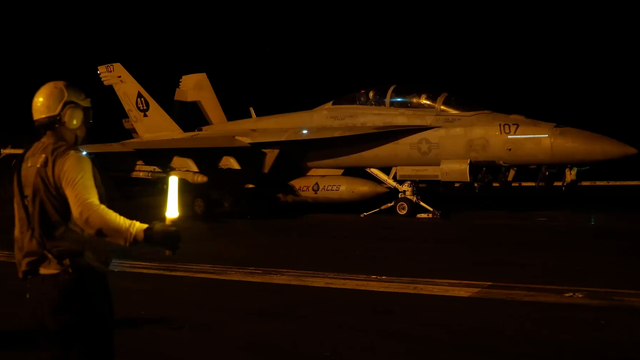
U.S. forces conducted more rounds of strikes on Iran this week, one of which was in retaliation for an attack on a commercial ship in the Strait of Hormuz, the Pentagon said.
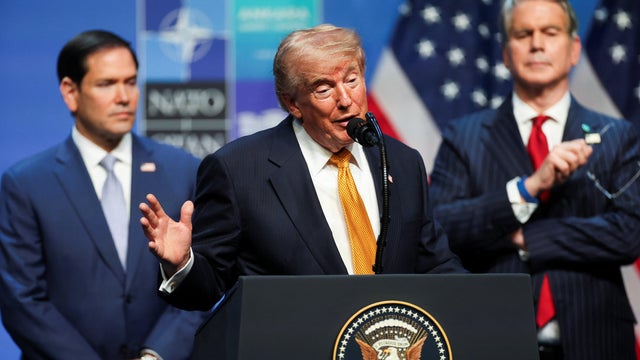
The U.S. began a second night of strikes Wednesday and Iran responded in kind after President Trump declared earlier in the day that the ceasefire was "over."

President Trump's changes included somewhat significant changes, according to a source with knowledge of the negotiations.
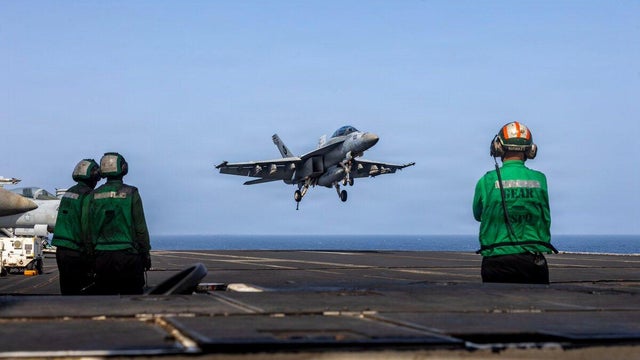
The vice president says the U.S. and Iran are "very close" to a deal, but are "not there yet." Meanwhile, the U.S. struck Iran, which retaliated against a U.S. base.
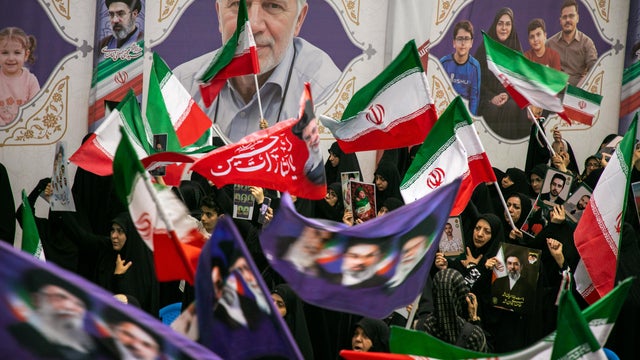
As Iran accuses the U.S. of a "grave violation" of the fragile ceasefire, Rubio says a deal is still possible despite the latest clash.
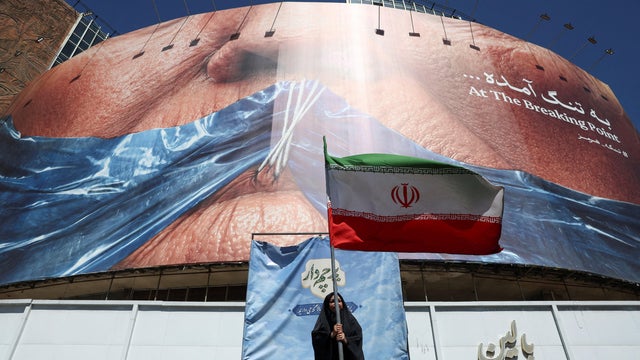
As the Trump administration signals hope for a possible deal, Iran says obstacles linger and that "frequent changes" in U.S. positions aren't helping.
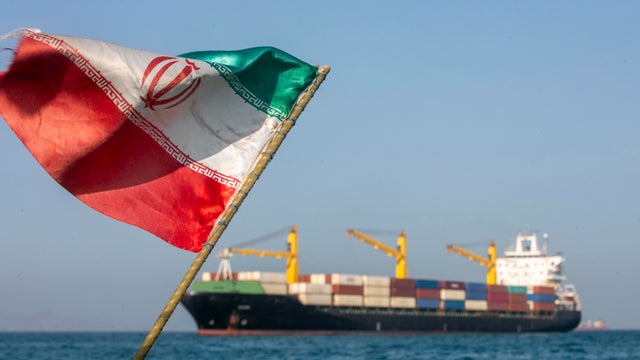
There is broad commitment on the principles of a deal, a senior Trump administration official said, and the administration feels positive about where things stand.

Asked what he said to Israel's leader about a decision to hold off on new Iran strikes, Trump said Netanyahu will "do whatever I want him to do."

President Trump had warned Sunday that "the Clock is Ticking" for Iran to accept a peace agreement.

President Trump didn't provide details on the issues he had with the response or what would come next.
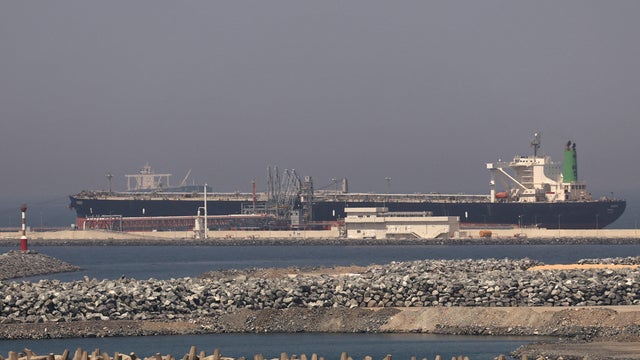
As President Trump again voiced optimism that Iran will "make a deal" to end the war, Tehran declared itself the regulator of Strait of Hormuz shipping.
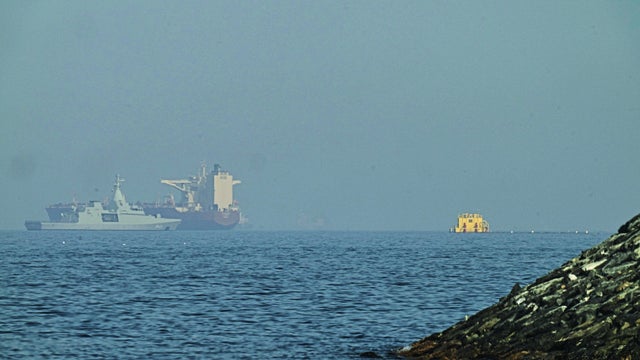
President Trump announced the U.S. would "guide" ships not involved in the war with Iran out of the Strait of Hormuz. A U.S.-led task force says it has started the operation.
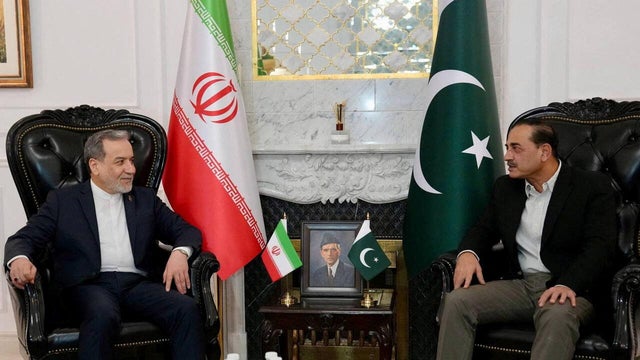
Iranian Foreign Minister Abbas Araghchi returned to Islamabad on Sunday, where he participated in talks focused on ending the war with the U.S., Iranian state media reported.
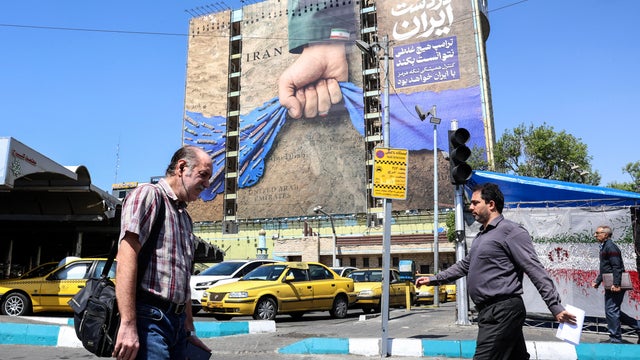
With the Iran war paused halfway through a 2-week ceasefire, President Trump is again voicing optimism over the potential for a deal to end it for good.
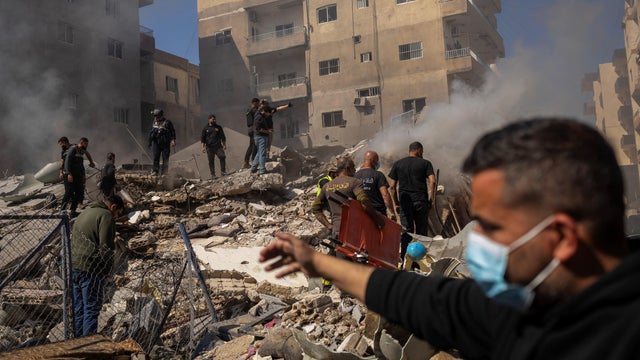
Iran says Israel is violating the ceasefire deal President Trump announced, and Tehran appears to still have control over shipping in the Strait of Hormuz.
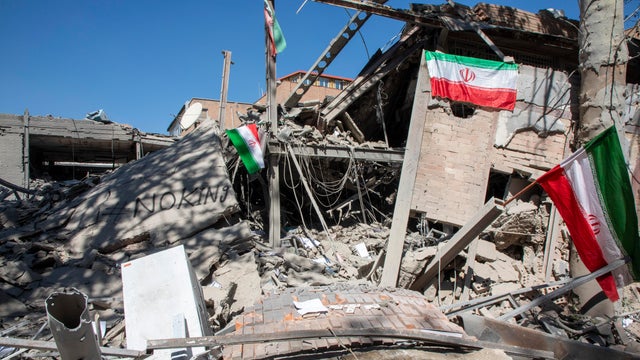
President Trump announced that the U.S. and Iran had agreed to a two-week ceasefire that was contingent on the reopening of the Strait of Hormuz.
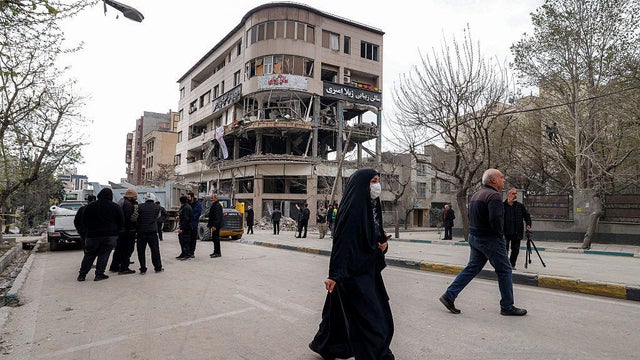
It's unclear if the talks would be direct or indirect, and Washington and Tehran aren't commenting. This, as Iran warns the U.S. not to start ground operations.

Netanyahu tells CBS News he's giving "peace a chance," but despite Trump's assertion the war is over, Israel's leader talks of change over generations.

The ceasefire between Israel and Hamas has brought cautious calm to the region as aid begins to flow into the Gaza Strip.
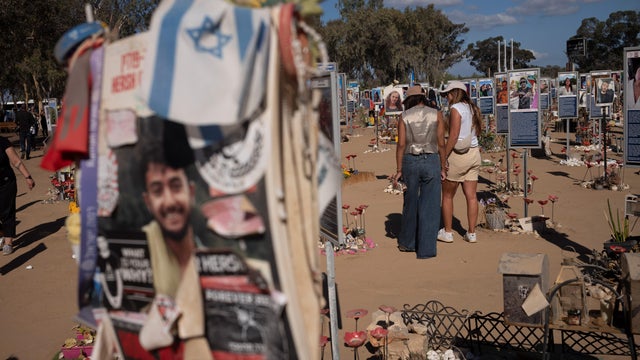
As Israelis come together to mourn those killed two years ago by Hamas, the sounds of the ongoing war in Gaza reverberate over a solemn memorial.

Israel drops all war-time restrictions, freeing people to return to their lives under a ceasefire with Iran, but uncertainty over the impact of 12 days of war leaves room for anxiety.
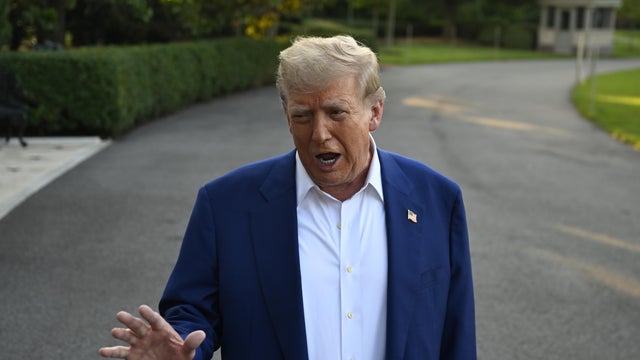
President Trump accused Israel and Iran of violating a ceasefire, but then said it was "in effect" after a phone call with Israel's leader.

After being accused of violating the last short-term truce, President Vladimir Putin says Russia will halt its war in Ukraine for three days to mark 80 years since the defeat of Nazi Germany.

President Trump could give up on efforts to end the war in Ukraine "in a matter of days," Rubio says, highlighting the administration view that it's "not our war."