Haiti receives first cholera vaccine shipment
Infectious disease expert Dr. Payal Patel joined CBS News' Vladimir Duthier with more on the arrival of the first vaccine doses to combat the deadly cholera outbreak in Haiti.
Watch CBS News
Infectious disease expert Dr. Payal Patel joined CBS News' Vladimir Duthier with more on the arrival of the first vaccine doses to combat the deadly cholera outbreak in Haiti.
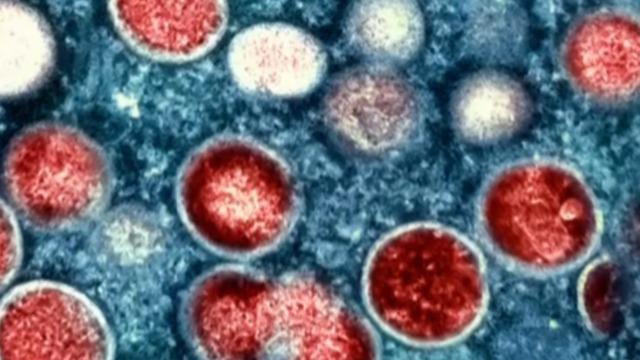
The World Health Organization says monkeypox is being renamed mpox in order to combat racist associations and stigma associated with the original name. Both names will be used during a transition period over the next year. Dr. Jay Varma, director of the Cornell Center for Pandemic Prevention and Response at Weill Cornell Medicine, joins "CBS News Mornings" to discuss the name change and what we've learned thus far about the virus.
The World Health Organization urged countries to adopt the new name for the disease, citing the "ongoing negative impact" of the original.
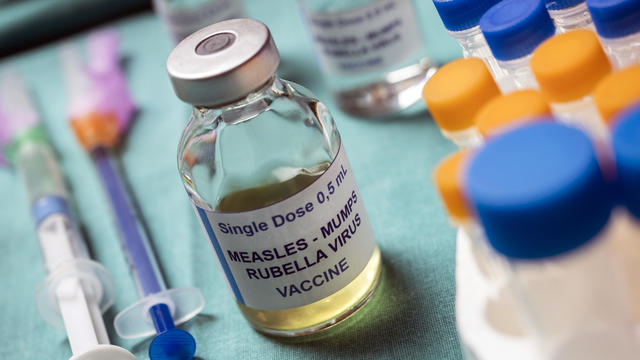
In 2021, there were about 9 million measles cases and 128,000 measles deaths worldwide, according to the CDC and WHO.
The head of the World Health Organization says there's "cause for optimism."
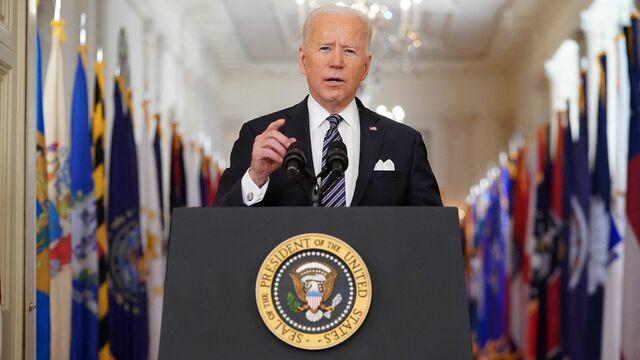
President Joe Biden on Thursday gave his first prime-time address to mark the one-year anniversary of the World Health Organization declaring COVID-19 a pandemic. Earlier in the day, the president signed the $1.9 trillion economic relief package. Watch his full speech.

China's "zero-COVID" policy has triggered widespread lockdowns, fear, unrest, and major economic issues. Businesses across the country are facing significant setbacks and criticism over their responses. Lawrence Gostin is the director of the World Health Organization's collaborating center on national and global health law. He joins CBS News to discuss the growing issues.
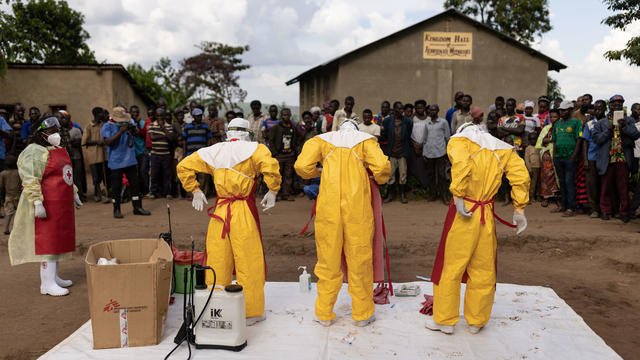
Officials are investigating eight recently reported cases that seemed to have no link to known contacts already infected with Ebola.
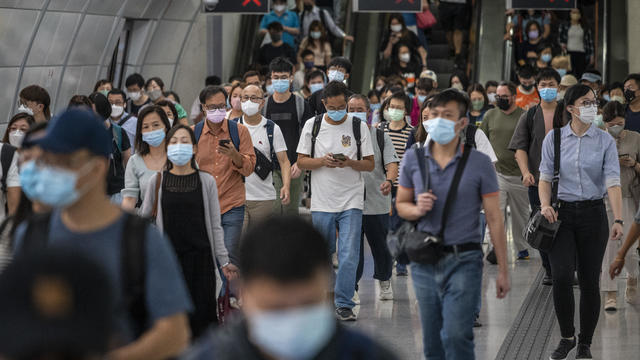
The committee acknowledged that the pandemic has gotten better, but believes the world must remain vigilant as the COVID-19 virus has proven unpredictable.
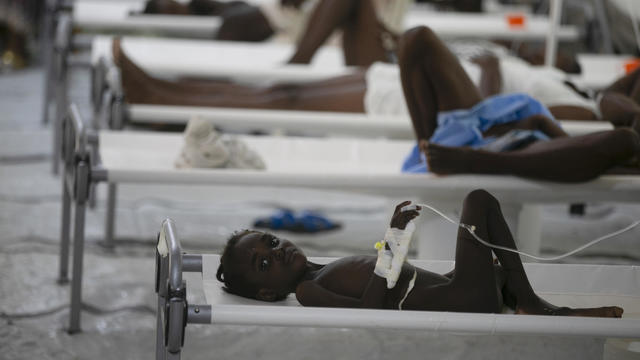
As "floods, droughts, conflict" and other factors make out breaks "more numerous, more widespread and more severe," officials shift to a one-dose strategy.
A report from the World Health Organization found that 500 million people will develop diseases if they don't increase their physical activity.
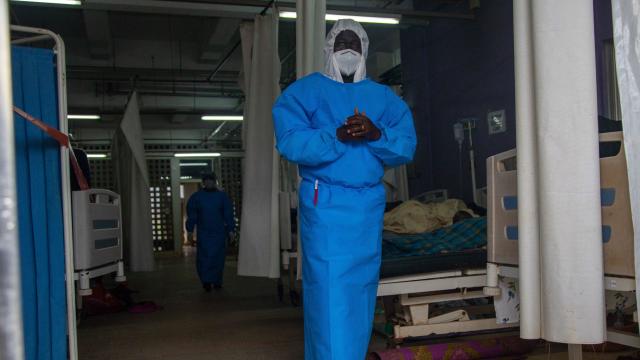
Officials say the current outbreak of Sudan ebolavirus may be to blame for at least 23 deaths, and one expert tells CBS News he sees it "getting worse before it gets better."
The director of the World Health Organization says the end of the COVID-19 pandemic "is in sight." Dr. David Agus discusses what the future may look like for boosters, infections and deaths.

At a press briefing in Geneva, WHO Director-General Tedros Adhanom Ghebreyesus said the world has never been in a better position to stop COVID-19.
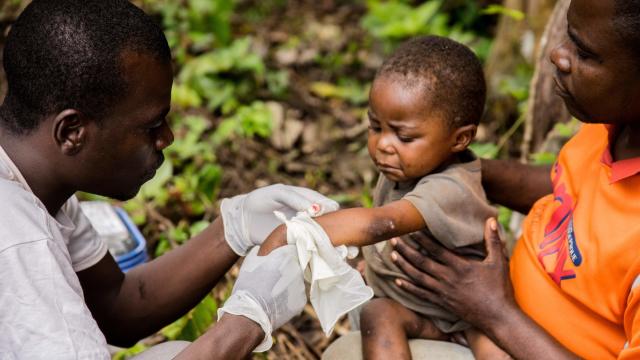
"Africa is still not benefiting from either monkeypox vaccines or the antiviral treatments," says one expert, lamenting the latest risky case of medical inequity.
This week on "Face the Nation", as the fall presidential campaign season kicks off, the country faces unprecedented challenges and the candidates work to convince, distract and excite voters.
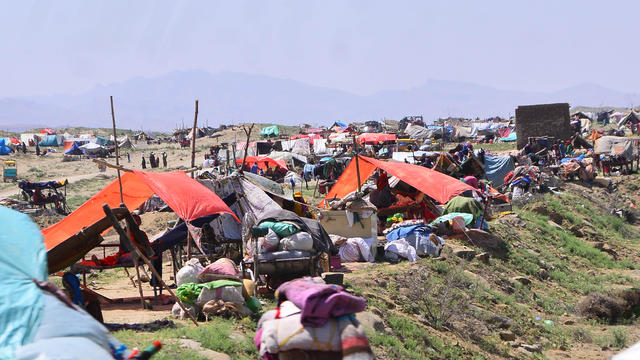
The U.N. children's agency said more than 3 million children were in need of humanitarian assistance and stood at heightened risk of diseases, drowning and malnutrition.
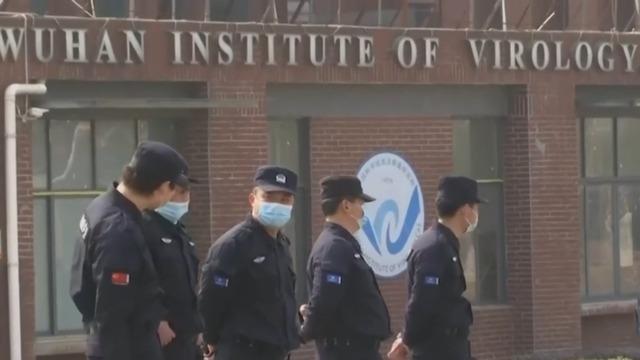
A Wall Street Journal report says lab researchers in Wuhan, China, sought hospital care for "symptoms consistent with both COVID-19 and common seasonal illness" in November 2019, a month before the first case of coronavirus was officially confirmed there. Dr. Jessica Justman, senior technical director at ICAP and associate professor of medicine in epidemiology at Columbia University's Mailman School of Public Health, joins "Red and Blue" anchor Elaine Quijano with her reaction, plus insights into reports of heart problems in a small number of vaccinated young adults.
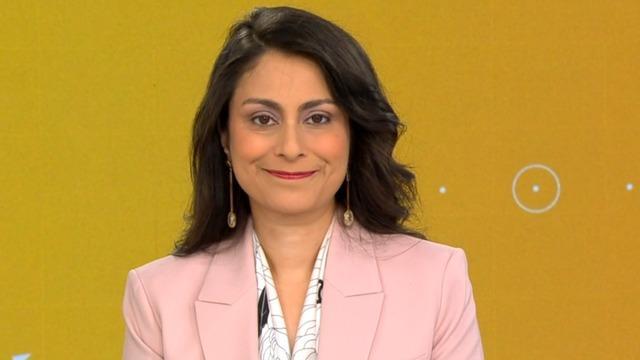
The World Health Organization has declared monkeypox a global emergency, and the White House says the federal government is considering a similar declaration. Jericka Duncan spoke with Dr. Celine Gounder on "CBS News Mornings" about what this designation means and what she thinks the U.S. government should be doing about the outbreak.
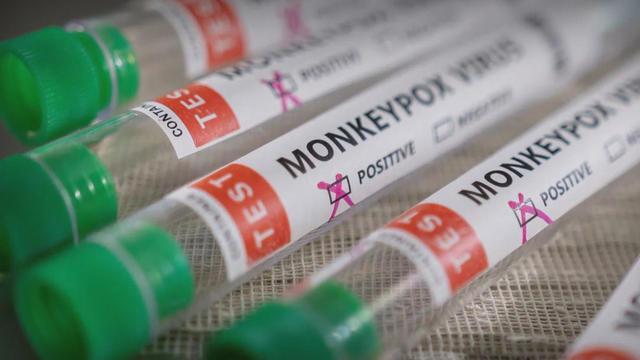
The World Health Organization says the expanding monkeypox outbreak in more than 70 countries is an "extraordinary" situation that now qualifies as a global emergency.
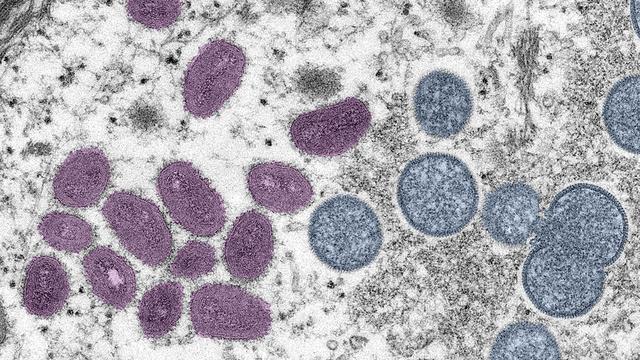
The agency said nine additional countries had reported cases.
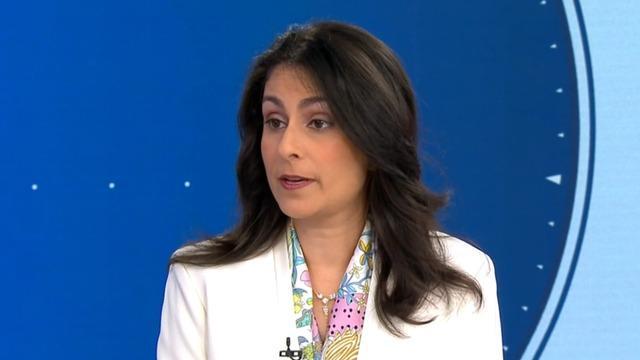
The World Health Organization says it does not currently consider monkeypox a global health emergency despite a growing number of cases in Europe and the U.S. Dr. Celine Gounder, an infectious disease specialist and editor-at-large for public health at Kaiser Health News, joins CBS News' John Dickerson to discuss what needs to be done to address the outbreak.
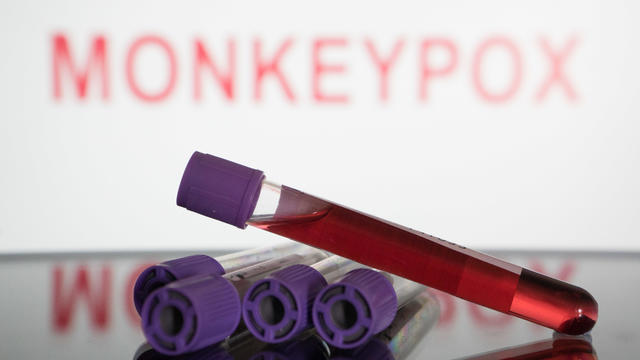
More than 3,300 cases of monkeypox have been confirmed to date in 42 countries where the virus hasn't been typically seen.
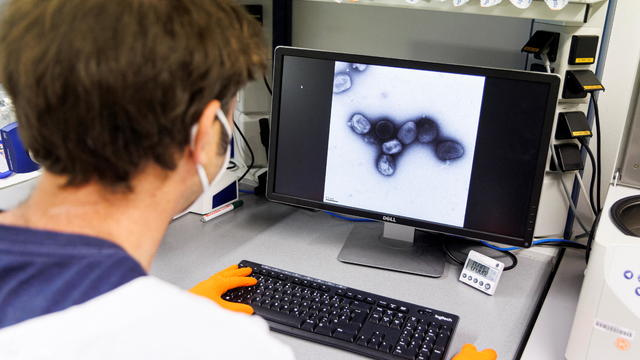
The global health agency has already said the virus can be transmitted through close physical contact. Officials and patients caution against stigmatizing any group.
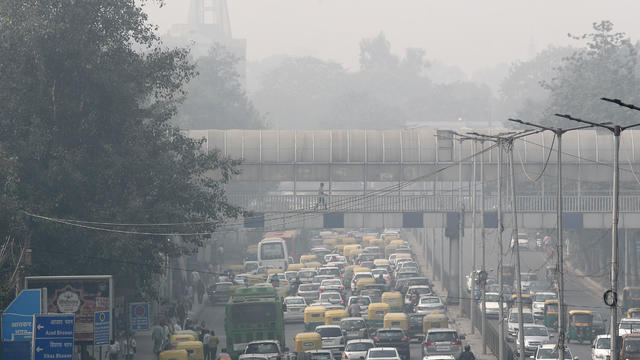
Billions living in the world's top four most polluted countries — all of them in South Asia — could be facing a life shortening impact of air pollution.