Watch CBS News

Women's Health

healthful-norah-rubin.jpg

Estrogen, Testosterone and Menopause, Oh My!

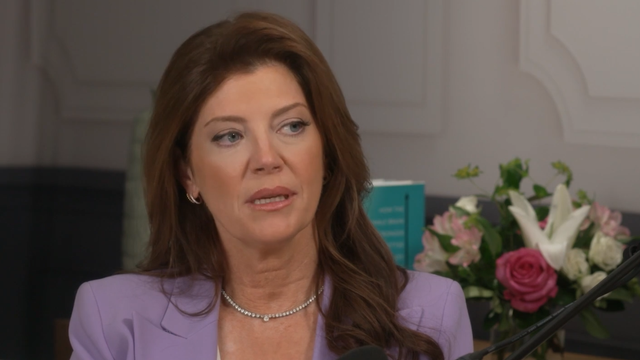
This week on Healthful, urologist and sexual medicine specialist Dr. Rachel Rubin discusses how female bodies change during perimenopause and menopause — and explains why women may be suffering unnecessarily. Dr. Rubin and Norah discuss how vaginal hormones could save Medicare between $6 and $22 billion a year and even prevent urinary tract infections. Plus, Norah reveals her experience with menopause and hormone replacement therapy.

healthful-postpartem-psychosis.jpg

The Truth About Postpartum Psychosis

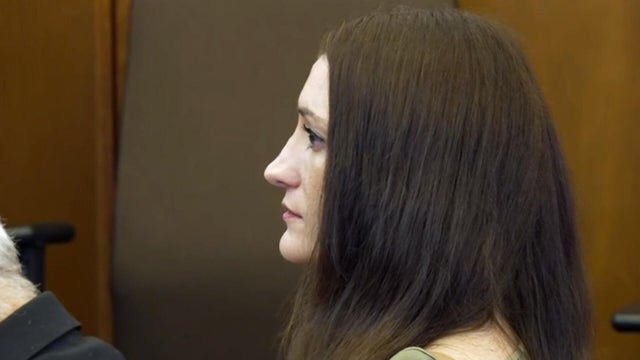
The issue of postpartum psychosis has come to the forefront amid the murder trial of Lindsay Clancy, the 35-year-old mother accused of killing her three children. What are the signs of a mental break, and is the healthcare system failing mothers? In this special episode of Healthful, Norah speaks with Dr. Uruj Kamal Haider, a perinatal psychiatrist who has treated patients with the rare and severe mental health emergency. She also speaks with Kriti Lodha, a postpartum psychosis survivor who has made it her mission to help other mothers.

norahstokesrss.jpg

Exercise: Your Insurance Policy for the Future

In this episode of Healthful, Norah O'Donnell is joined by her personal trainer and fitness expert, Kira Stokes. Since they started exercising together 12 years ago, Kira pushed Norah to lift heavier weights - something Norah initially resisted. Norah has since learned that you lose up to 8-percent of your muscle mass every decade after the age of 30. The two discuss the emotional connection between movement and mental health, how to get started exercising, and what about those weighted vests! Plus - Norah answers what her favorite and least favorite exercises are. We'd love to hear what topics you want to hear covered on Healthful. Text Norah at 202-217-1107.

MATERNITY EMERGENCY

New reporting on fetal monitors, C-sections

Doctors often use fetal monitors to determine if there are any abnormalities in unborn babies. If there are, they may call for an emergency cesarean, or C-section. But a New York Times report finds that these monitors don't accurately predict whether a baby is in distress, which could lead to unnecessary surgeries that put mothers at risk. Sarah Kliff, an investigative health care reporter for the New York Times, joined "The Daily Report" to discuss.

Show More
View CBS News In
CBS News App Open
Chrome Safari Continue