Mom who struggled with postpartum psychosis describes intrusive thoughts "turning into voices"
As the trial of Lindsay Clancy brings renewed attention to postpartum psychosis, a mom of four is opening up to "CBS Mornings" about her own experience with the rare but dangerous condition.
Haley Ashcom had always dreamed of having a large family, and was thrilled to welcome her first son, Kane, in 2020. But she soon began to struggle with insomnia and anxiety. Then, her symptoms escalated, she said.
"What I believe were intrusive thoughts ended up turning into voices," she said.
Ashcom said she was diagnosed with postpartum depression and prescribed Zoloft, the same anti-anxiety medication that Clancy was first prescribed. But the voices got louder, Ashcom said, and became violent.
"I've never in my life gone through a period where I thought it would be better not to be alive, and all of a sudden, it became the only option," Ashcom said.
Ashcom said she went straight to a hospital, where she, like Clancy, was prescribed another anti-anxiety medication. Still, the voices "just continued to get worse," she said. Ultimately, Ashcom checked herself into a psychiatric hospital, where she says she was diagnosed with postpartum psychosis — a condition she said she knew nothing about.
"I was so taken aback and thought that I was such a monster," Ashcom said.
Postpartum psychosis is rare, affecting about one to two per 1,000 women after delivery. The condition is "a break from reality" where "the brain cannot properly process information," leading to delusions, perinatal psychiatrist Dr. Uruj Kamal Haider told CBS News' Norah O'Donnell in an episode of her podcast "Healthful." Those delusions are "fixed false beliefs that tend to revolve around the baby," Haider said.
Postpartum psychosis can happen to anyone after giving birth, but it is more likely in people with mental health conditions or a history of psychiatric problems. In severe cases, mothers with the condition may try to harm themselves or their children.
Dr. Catherine Birndorf, a reproductive psychiatrist and the co-founder and CEO of the Motherhood Center of New York, said she fears the condition is being underdiagnosed.
"It's a very lethal and dangerous illness that when left untreated has tragic outcomes," she said.
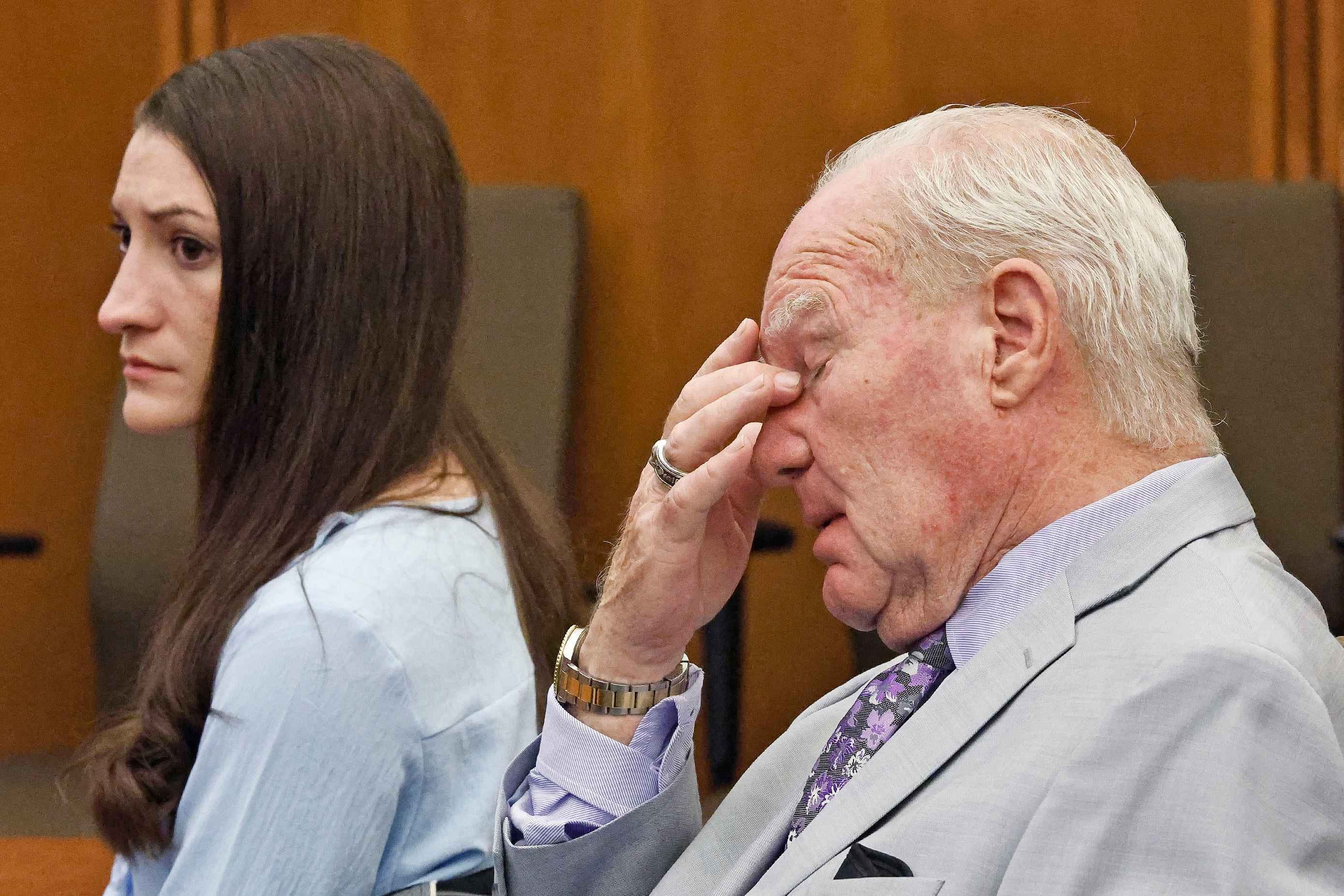
Birndorf said the Clancy trial feels like "a watershed moment" for awareness about the condition. Clancy's defense says she was suffering from postpartum psychosis when she killed her three young children at their Massachusetts home in 2023. Clancy's attorney also says she was overprescribed mental health medications.
Ashcom said that her diagnosis led to her receiving appropriate treatment for the condition, which led to her recovery. Since then, she has welcomed three more children. She never experienced postpartum psychosis again, she said.
Ashcom said she hopes that sharing her story encourages other parents to seek help if they need it.
"You're not alone," Ashcom said. "In seeking help, you're actually doing a really good job both for yourself and for your baby."
If you are struggling with postpartum mental illness or know someone who is, you can call or text the National Maternal Mental Health Hotline at 1-833-TLC-MAMA.