Judges say Trump administration must keep paying some SNAP benefits
Two federal judges on Friday said the Trump administration must tap into contingency funds to make SNAP payments during the government shutdown.
Watch CBS News
Two federal judges on Friday said the Trump administration must tap into contingency funds to make SNAP payments during the government shutdown.
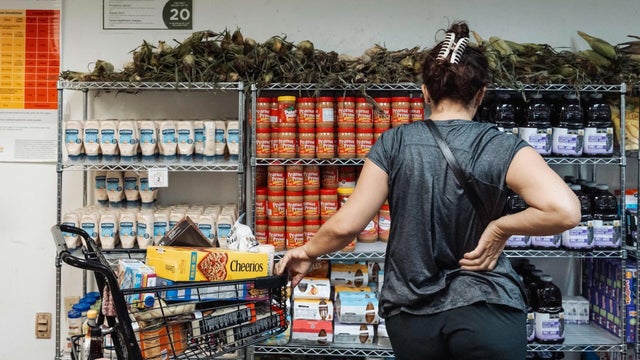
Federal food assistance programs like SNAP benefits are set to expire Saturday as lawmakers remain at odds over funding the government. However, some judges have ordered the Trump administration to continue funding the program.
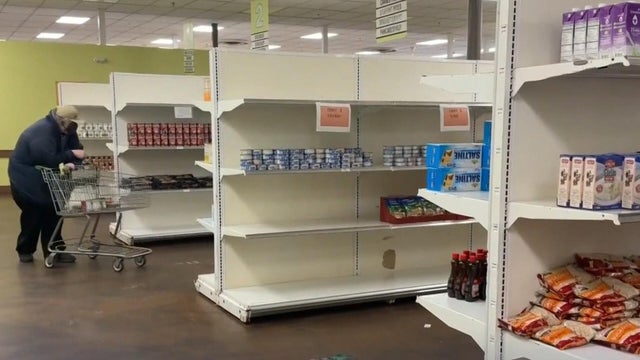
The shutdown is about to hit millions of people who depend on government programs to feed their families, pay for health insurance and send their kids to preschool. A federal judge ordered the Trump administration to keep money flowing to SNAP, the food assistance program formerly known as food stamps. Nikole Killion has the latest.
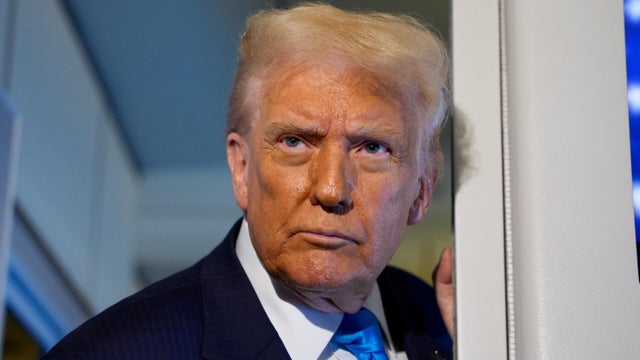
Two judges ruled that the Trump administration must use emergency funds to pay for food assistance. CBS News' Jessica Levinson and Willie James Inman have more.
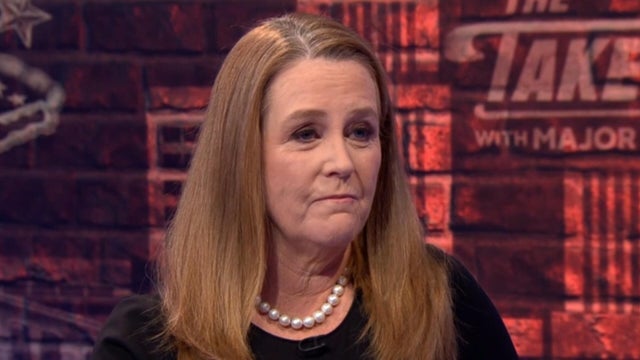
As the government shutdown drags on, life becomes more uncertain for the nearly 42 million Americans who rely on SNAP benefits. Kendra Davenport, president and CEO of the nonprofit Easterseals, joins "The Takeout" to discuss the potential impacts if funding were to lapse.

Two judges on Friday in separate cases ruled that the Trump administration must continue to fund SNAP. It remains unclear whether this means millions of Americans will receive their food on Saturday, or if it is just the beginning of a legal battle. CBS News congressional reporter Taurean Small has more on Day 31 of the government shutdown.
Two federal judges on Friday in separate cases ruled that the Trump administration must continue paying some SNAP benefits during the government shutdown. Mike Altfest, director of community engagement at the Alameda County Community Food Bank in Northern California, joins CBS News to discuss how the shutdown has affected their operations.
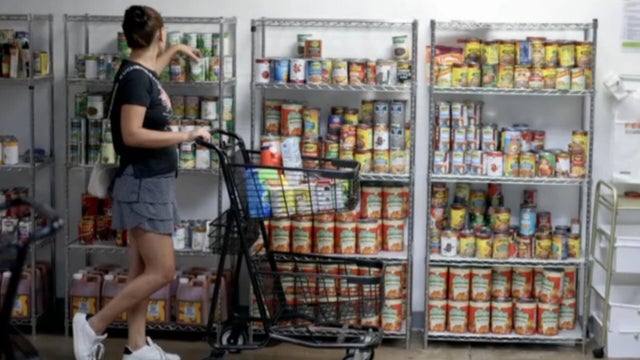
SNAP benefits are set to expire on Saturday due to the government shutdown. Deborah Berkman, the director of the shelter and economic stability project at New York Legal Assistance Group's Public Benefits Unit, joins to discuss.
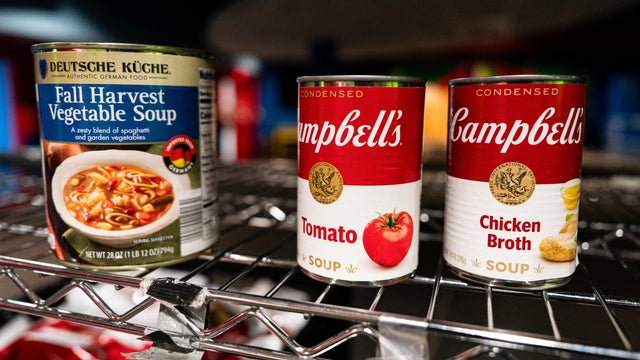
Nearly a month into the shutdown, food banks across the country are already straining to meet rising demand. Now, they are bracing for an even bigger surge.
The Senate is running out of time to end the shutdown before deadlines to fund critical payments and social safety net programs. Nikole Killion and Omar Villafranca report.
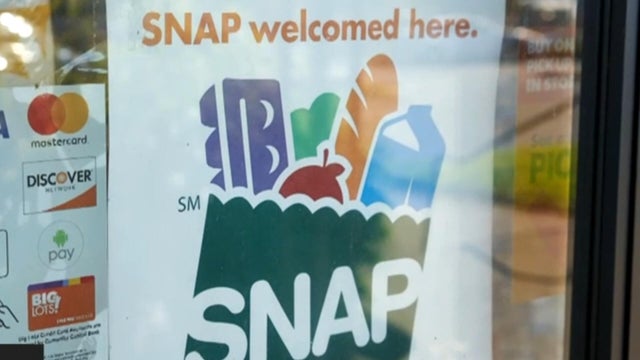
More than 42 million Americans across the country who rely on the Supplemental Nutritional Assistance Program, also known as SNAP, will lose the benefit Saturday as the shutdown continues. Diane Yentel, CEO of the National Council of Nonprofits, joins "The Daily Report" to discuss its lawsuit against the Trump administration.

With no end to the government shutdown in sight, federal food aid is set to run out this Saturday. Democratic Rep. Laura Gillen of New York joins "The Takeout" to discuss.
25 states are suing the Trump administration to stop federal food aid from being suspended amid the government shutdown. CBS News correspondent Nicole Valdes has more.
President Trump has declared a number of emergencies in his second term, but lapsing food assistance is not one of them. "CBS Evening News" co-anchor John Dickerson explains.
More than 42 million Americans are about to lose SNAP benefits as the government shutdown continues, and furloughed federal workers are now scrambling to ensure they can still put food on the table. Agriculture Secretary Brooke Rollins joins "The Takeout" to discuss.

The U.S. Department of Agriculture has posted a notice on its website saying federal food aid will not go out on Nov. 1, raising the stakes for families nationwide as the government shutdown drags on. Caitlin Huey-Burns reports.
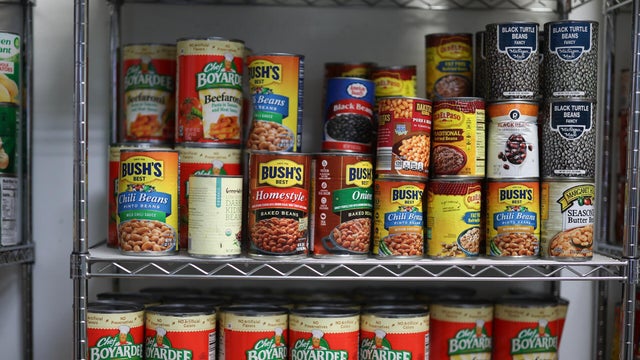
Nearly 42 million Americans will not receive benefits from the Supplemental Nutrition Assistance Program, or SNAP, starting Saturday, due to the ongoing government shutdown. CBS News congressional reporter Taurean Small has more.
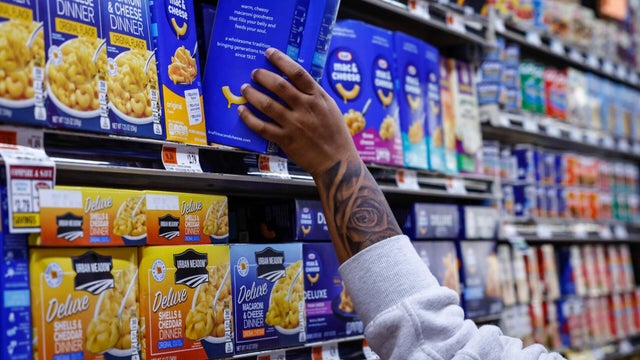
Federal food aid will not be distributed on Nov. 1, according to a post on the U.S. Department of Agriculture's website. Meanwhile, senators are set to reconvene on Capitol Hill as the government shutdown enters Day 27. CBS News' Nikole Killion has more details from Capitol Hill.
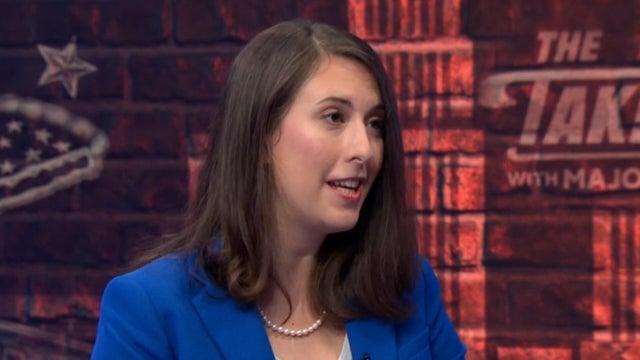
The government shutdown is threatening funding for free food programs. Ali Hard, public policy director of the National WIC Association, joins "The Takeout" to explain how the shutdown could impact millions of families reliant on the program.
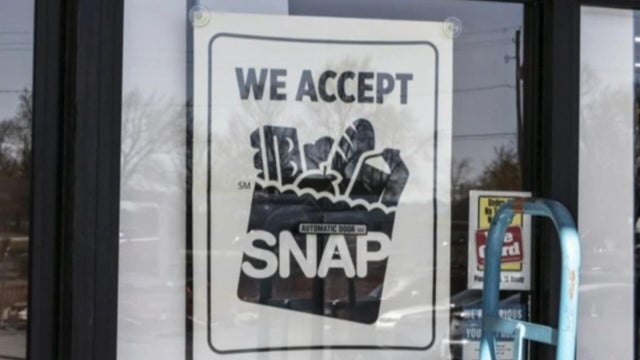
A federal program that provides food assistance to more than 40 million Americans has been scaled back. The Congressional Budget Office estimates 2.4 million fewer people will now qualify for the Supplemental Nutrition Assistance Program, or SNAP, under President Trump's tax and spending plan. Jo Ling Kent has details.
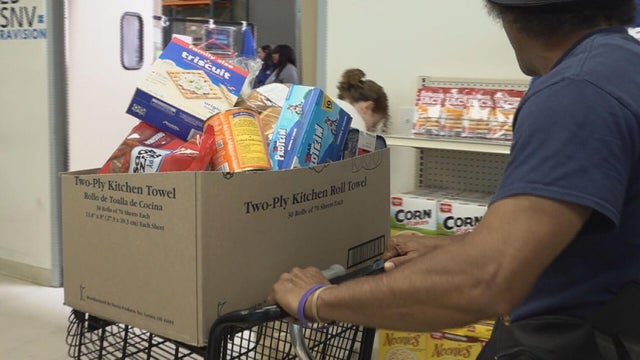
High costs and cuts to federal government subsidies have made the nation's food insecurity crisis worse. Andres Gutierrez reports on the struggle to put food on the table in Nevada.
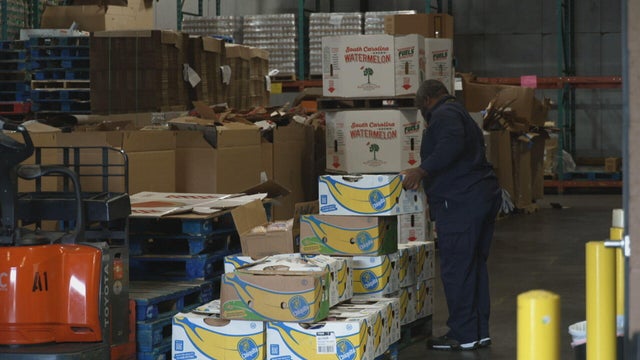
Cuts to SNAP benefits may lead to a surge in demand at food banks that serve America's most food insecure communities.
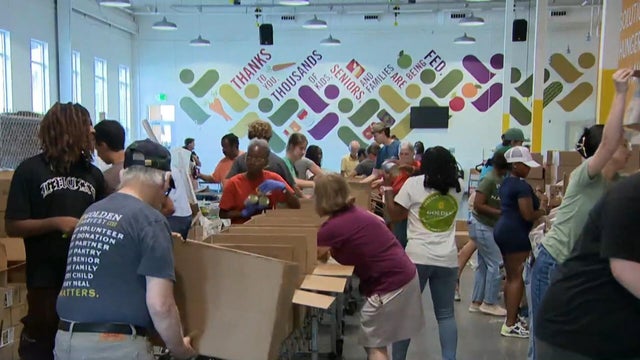
Cuts to SNAP benefits may lead to a surge in demand at food banks that serve America's most food insecure communities, like Hancock County, Georgia. Skyler Henry reports.
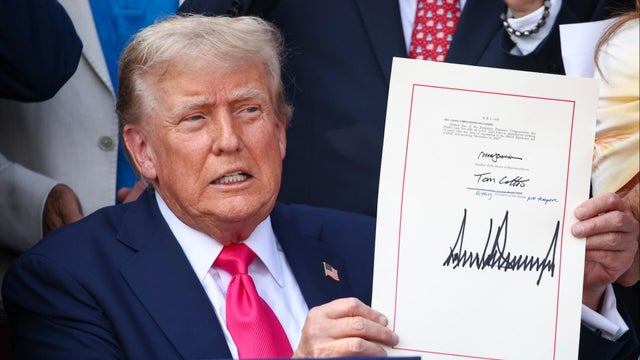
President Trump's newly signed budget legislation contains provisions on Medicaid and the Supplemental Nutrition Assistance Program (SNAP), but certain cuts are not supposed to take effect until January 2027. CBS News' Nikole Killion has the latest from Capitol Hill.
As President Trump's budget bill dominates headlines, Americans are facing the possibility of benefits they depend on being diminished. One of them is the Supplemental Nutrition Assistance Program or SNAP. Elaine Waxman, senior fellow in the tax and income supports division at the Urban Institute, joins "The Daily Report" to discuss.