Iran attacks ships in Strait of Hormuz after Trump extends ceasefire
Iran renews attacks in the Strait of Hormuz after Trump says he's extending a ceasefire indefinitely, as thousands more U.S. forces head for the region.
Watch CBS News
Iran renews attacks in the Strait of Hormuz after Trump says he's extending a ceasefire indefinitely, as thousands more U.S. forces head for the region.
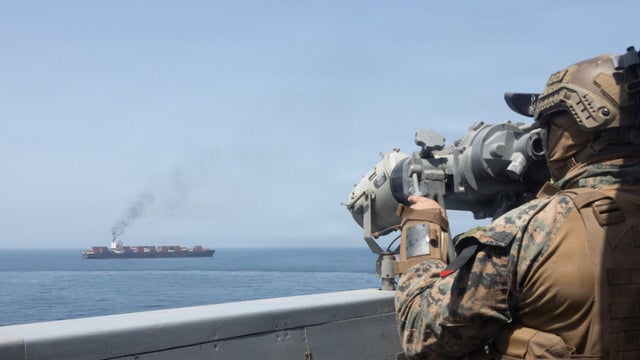
U.S. Navy Secretary John Phelan is out, effective immediately, the Pentagon said. It's the latest departure of a top defense leader as the U.S. and Iran fight for control of the Strait of Hormuz. Charlie D'Agata reports.
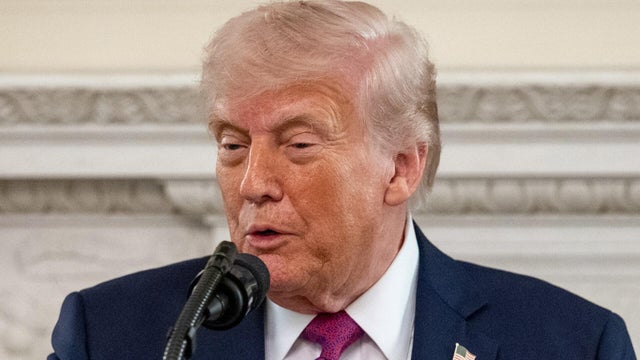
The situation in Iran remains fluid as the global economy, increasingly stressed by energy shortages, awaits clear signals. CBS News senior White House and political correspondent Ed O'Keefe has the latest.

White House press secretary Karoline Leavitt spoke to reporters on Wednesday about the Iran war, saying President Trump can be flexible while waiting for a unified proposal.
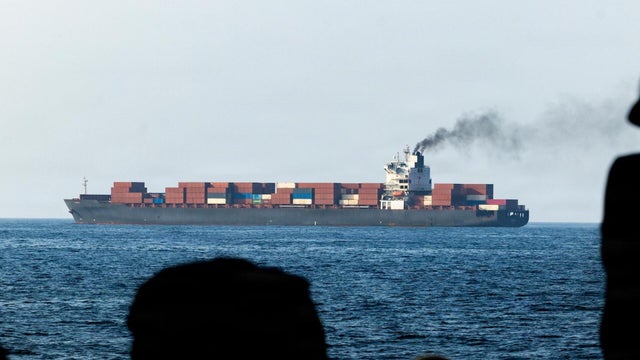
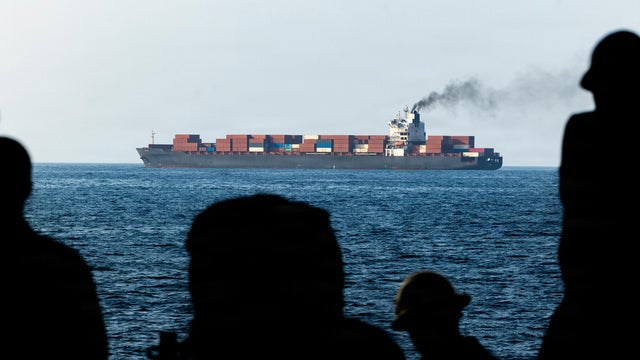
Iran attacked at least 3 ships in the Strait of Hormuz, according to international news agencies, amid the indefinite ceasefire extension President Trump announced Tuesday. Robert Murrett, the deputy director for Syracuse University's Institute for Security Policy and Law, joins with more.
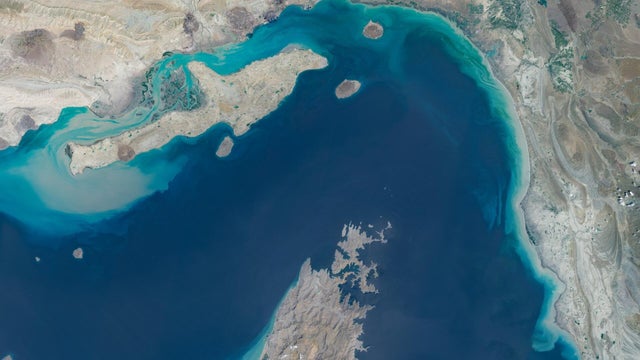
Tensions are mounting in the Strait of Hormuz as questions linger about diplomacy to end the war with Iran. CBS News' Ramy Inocencio and Aaron Navarro report. Also, Eric Lob, an associate professor of politics and international relations at Florida International University, joins with more insight.
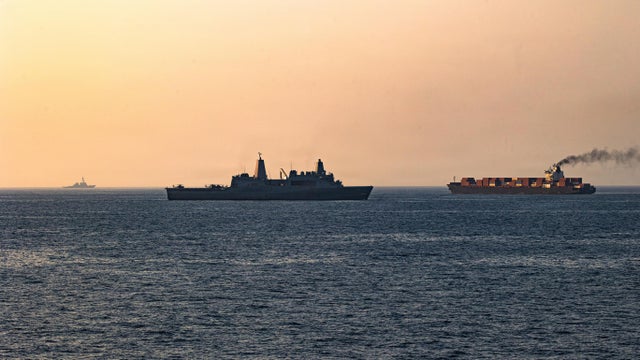
A gun boat from Iran's Revolutionary Guard Corps fired on a container ship in the contested waterway before a cargo ship came under fire in a separate attack, the British military says.
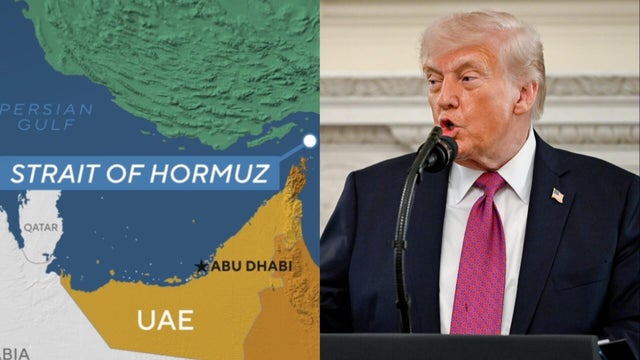
The British military says at least two vessels were attacked in the Strait of Hormuz by the Iranian Revolutionary Guard Corps. This comes after President Trump extended the U.S. ceasefire indefinitely. CBS News' Imtiaz Tyab and Aaron Navarro report, and Joel Rayburn, a senior fellow at the Hudson Institute's Center for Peace and Security in the Middle East, joins with additional analysis on Iran's nuclear stockpile.
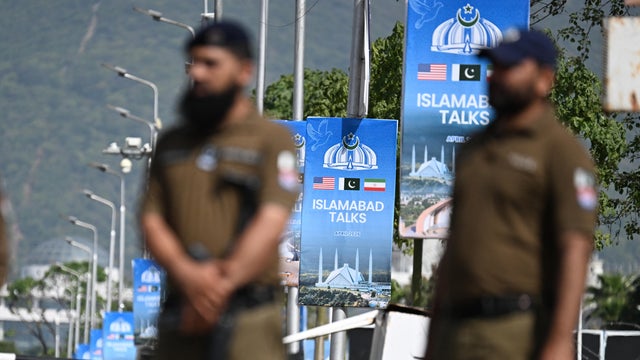
With a two-week ceasefire set to expire and Iran balking at the resumption of peace talks, President Trump said he would be extending the deadline to allow for Iran to "come up with a unified proposal."

The war with Iran has disrupted one of the world's busiest shipping lanes, and the global pharmaceutical supply is getting caught in the middle. CBS News medical contributor Dr. Céline Gounder has more details.
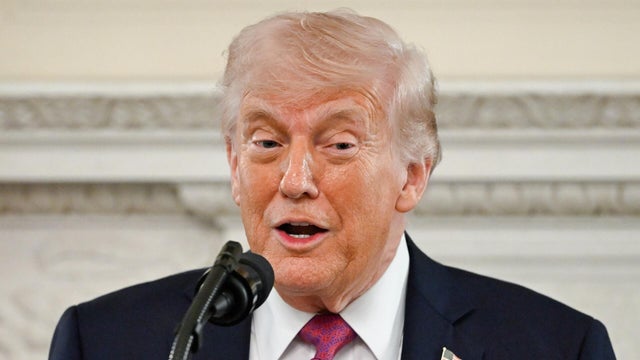
After days of mixed messages about the ceasefire with Iran, President Trump released a statement Tuesday with no ambiguity: He's extending the truce until a proposal from Tehran is submitted, and peace discussions conclude. CBS News' Ed O'Keefe and Samantha Vinograd have the latest.
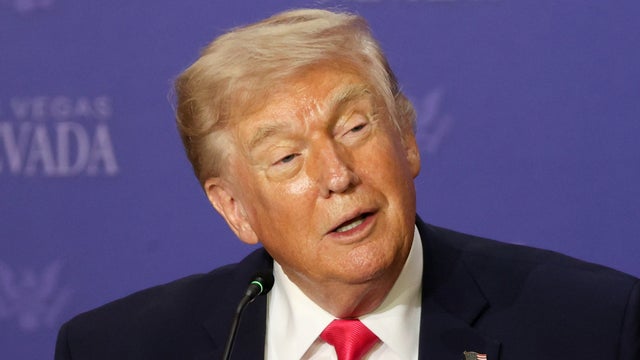
Hours before the Iran ceasefire was set to expire on Tuesday, President Trump announced he extended the truce until "discussions are concluded." CBS News White House reporter Olivia Rinaldi has the latest.
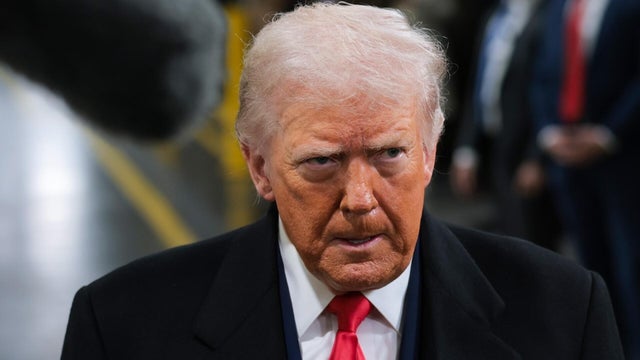
The Iran war could soon resume if the ceasefire ends before talks in Pakistan resume. CBS News' Nancy Cordes reports, and Lyse Doucet of BBC News, a CBS News partner, has more from the Middle East.
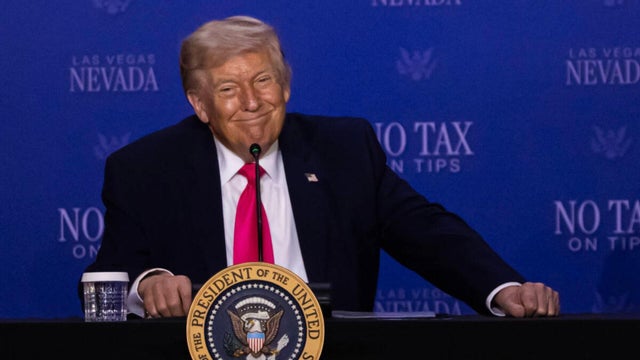
President Trump's rhetoric on Iran has fluctuated over the past couple of days. This comes as the ceasefire deadline looms and as questions linger about more negotiations. CBS News' Aaron Navarro and Imtiaz Tyab report, and Robert Pape, a University of Chicago professor and founding director of the Chicago Project on Security and Threats, joins CBS News with more insight.
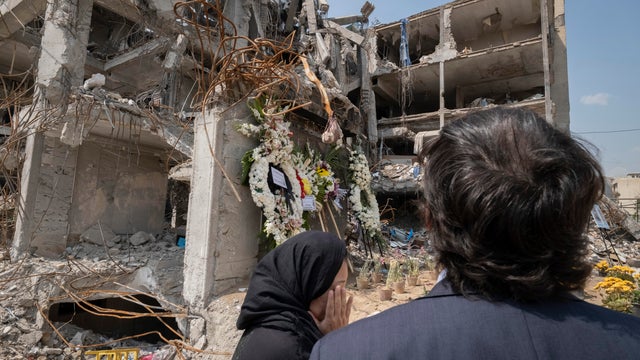
Iran balked at President Trump's demands for a peace deal amid a standoff over the Strait of Hormuz, as fear the war could reignite hits oil and energy markets.
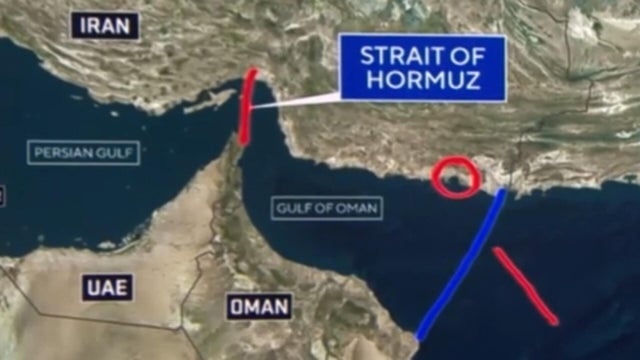
President Trump said Monday an agreement with Iran could come quickly, but at the same time, he feels "no pressure" to strike a deal. CBS News national security analyst Aaron MacLean joins to discuss the state of play in the Strait of Hormuz.
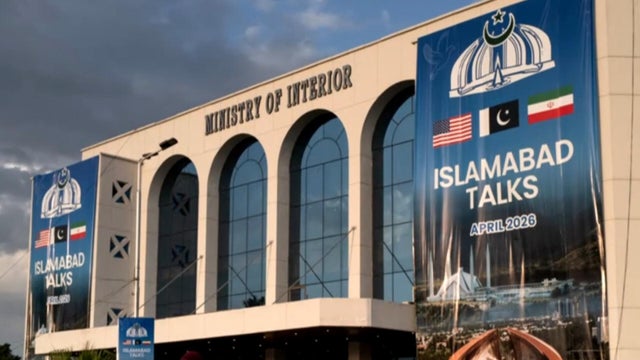
Seven weeks into the Iran war, the conflict is approaching another moment of uncertainty with the two-week ceasefire set to expire Tuesday night. CBS News' Charlie D'Agata and Olivia Rinaldi report.
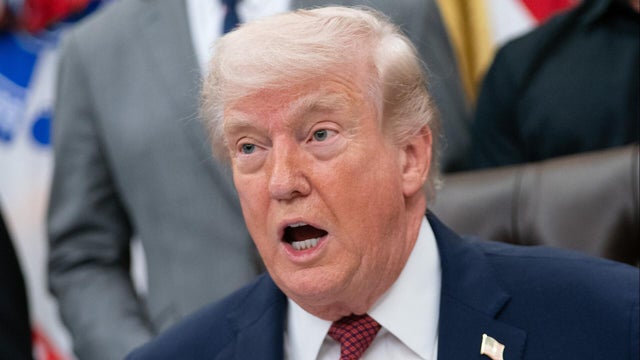
As President Trump toggles between optimism and pessimism on a deal with Iran, sometimes in the same hour, the Strait of Hormuz remains closed. CBS News' Charlie D'Agata, Ed O'Keefe and Aaron MacLean have the latest on the state of the war.

The Iran war's impact on jet fuel is making it difficult to plan summer travel, as airlines struggle with supply shortages and rising costs. Clint Henderson, managing editor at The Points Guy, joins CBS News with tips to get the best deal.

U.S. forces fired on and then seized an Iranian vessel over the weekend, intensifying the standoff over the Strait of Hormuz. CBS News senior national security correspondent Charlie D'Agata has more.
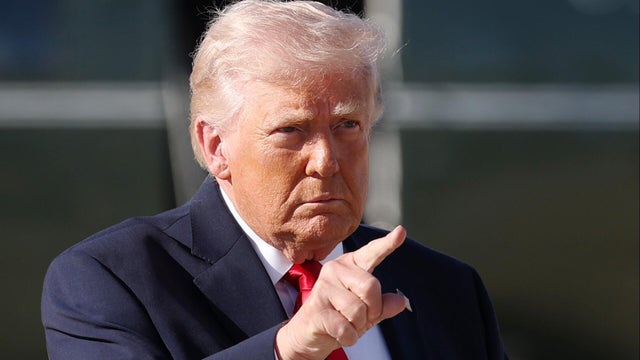
Iran is denying that there will be more peace talks in Pakistan with the U.S. This comes as tensions in the Strait of Hormuz rise after a brief period of normalcy. CBS News' Imtiaz Tyab and Aaron Navarro report.
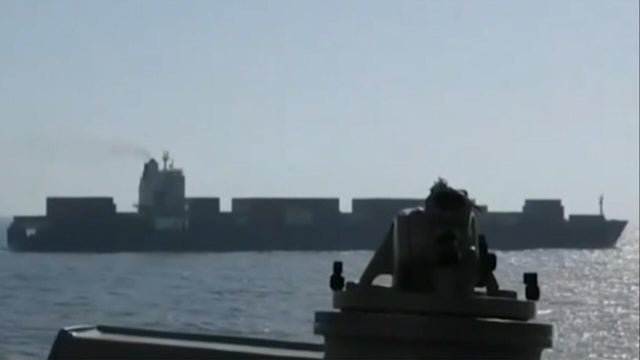
Tensions are high at the Strait of Hormuz and Iranian ports in the area affected by a U.S. blockade. CBS News' Charlie D'Agata reports, and "60 Minutes" correspondent has more on potential blueprints for operations to remove Iran's stockpile of highly enriched uranium.
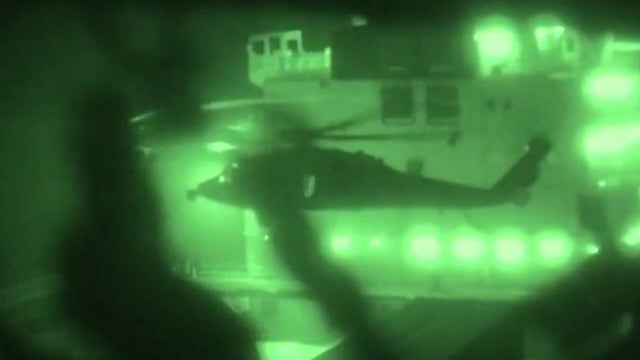
Video provided by the U.S. military appears to show Marines seizing an Iranian cargo ship near the Strait of Hormuz. Iran has threatened to retaliate as the ceasefire is set to expire this week. Charlie D'Agata has the latest.
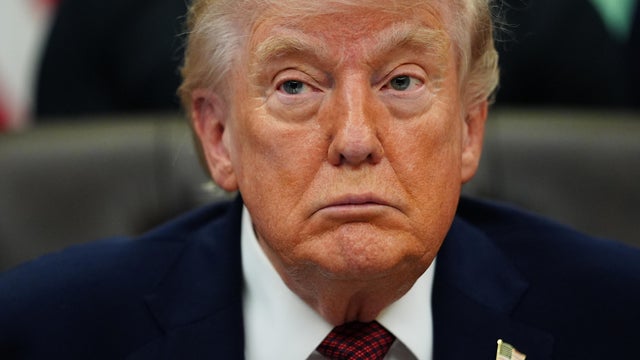
President Trump says he sent a U.S. delegation to Pakistan for another round of peace talks with Iran Monday but Tehran says it doesn't plan to participate.
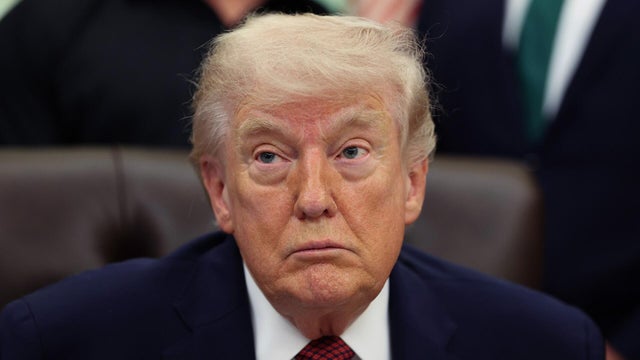
The fragile ceasefire between the U.S. and Iran is set to expire this week, with both countries accusing the other of violations over the weekend. More American troops are on their way to the region. Charlie D'Agata reports.