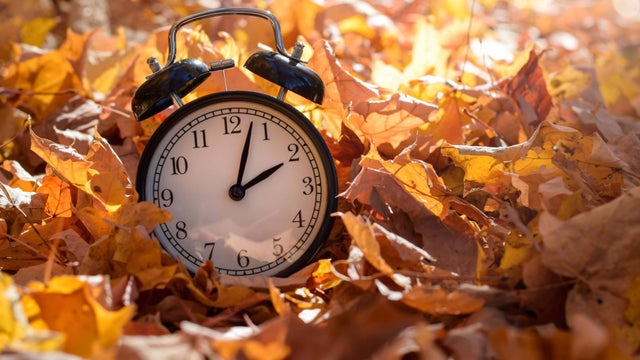
Tips for adjusting as clocks fall back
You can enjoy an extra hour of sleep this weekend when daylight saving time ends and clocks "fall back." Sleep expert Dr. Shelby Harris explains the health impact and shares adjustment tips.
Watch CBS News
You can enjoy an extra hour of sleep this weekend when daylight saving time ends and clocks "fall back." Sleep expert Dr. Shelby Harris explains the health impact and shares adjustment tips.
Researchers tracking the sleep of men and women in the U.K. between the ages of 50 and 66 found nearly 70% experienced persistent sleep problems, and many may be linked closely to work-related stress. Sleep psychologist Shelby Harris explains how it could impact your health and how to create better sleep habits.

Actress Michelle Monaghan joins "CBS Mornings" to talk about her 24-hour wellness cycle and why it's important to get quality sleep and consistent energy. (Sponsored by Natrol)

Dr. Shelby Harris, a board-certified Behavioral Sleep Medicine specialist, joins "CBS Mornings" to share tips on maximizing your sleep, including how to fall back asleep after waking up in the middle of the night.
Most Americans will set their clocks back on Nov. 2 for daylight saving time, but a new study suggests the two annual time changes may actually be harmful to our health. Jamie Zeitzer, co-author of the study and co-director of the Stanford University Center for Sleep and Circadian Sciences, joins CBS News to unpack the findings.

A newly unsealed video shows current and former TikTok employees raising concerns about how the app's popular algorithm could impact young people. Digital journalist V Spehar joins CBS News to discuss.
In the study, published Monday in journal Frontiers in Psychology, 40.2% of participants reported certain eating habits affected their sleep.
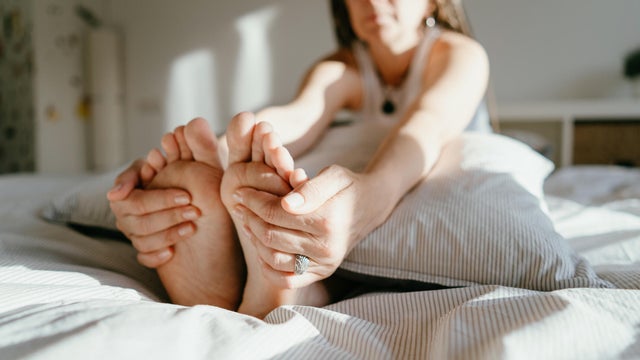
Stretching can be a beneficial step to add to your bedtime routine, experts say. Here are some moves to consider.
Research has found that bad sleep could lead to numerous health problems, including heart disease. Here are recommendations to improve sleep.

Researchers are discovering that "springing ahead" each March for daylight saving time is connected with serious negative health effects.

It's common among older adults to not get a consistent full night's rest, but there are ways to improve sleep issues. A sleep psychologist shares tips.

Research shows up to 70% of adults over 65 struggle with chronic sleep issues. Board-certified sleep psychologist Shelby Harris shares expert tips for improving sleep at any age.

A school in Minnesota is encouraging its students to ditch their phones during "phone-free February." CBS News Minnesota's Kirsten Mitchell has the details and reaction.

Falling asleep on the couch is a small habit that can have a big impact on your sleep, leaving you wide awake when you move into bed for the night.
As many focus on health in the new year, users across social media are sharing tips for sleep optimization, also known as "sleepmaxxing." Dr. Rafael Pelayo, clinical professor at Stanford University's sleep medicine division, joins CBS News to examine the pros and cons of the trend.
Sleep optimization, or "sleepmaxxing," is a popular trend among a younger demographic, but experts share a few words of caution.
Young adults appear to be prioritizing their sleep more than older generations. CBS News' Cristian Benavides looks at the lengths some are going to achieve a good night's sleep.

From falling down stairs to being chased by a giant purple tortoise, dreams often leave us puzzled. Dream analyst Layne Dalfen joins "CBS Mornings Plus" to help make sense of the strange and random dreams we experience.

Michael Breus, a clinical psychologist and author of "Sleep Drink Breathe: Simple Daily Habits for Profound Long-Term Health," shares tips on how to better hydrate and more.

A new Gallup poll shows that over half of Americans don't get enough sleep. Sleep psychologist Michael Breus joins "CBS Mornings" to share tips from his new book, "Sleep. Drink. Breathe."

Tired from your Thanksgiving feast? You're not alone. But is it the tryptophan in turkey that leads to our food comas? Here's what experts say.
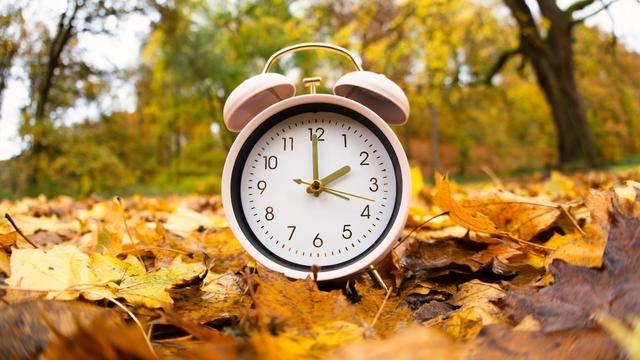
While most Americans are looking forward to gaining an extra hour of sleep when daylight saving time ends on Sunday, some experts warn it could be harmful to the body and mind. Dr. Norman Rosenthal, clinical professor of psychiatry at Georgetown University, joins CBS News to discuss how "falling back" could disrupt health.

Board-certified sleep psychologist Shelby Harris joins "CBS Mornings" to discuss sleep training, a method that helps babies learn to sleep independently. While some parents embrace it for better rest, others worry about potential stress for their child.

Have difficulty falling or staying asleep? New research shows it's associated with signs of sped-up brain aging. Experts explain the risks.

Better sleep, and how to get "perfect" sleep, have been trending on social media recently as a practice called "sleepmaxxing" or "sleep optimization." Sleep scientist Vanessa Hill joins CBS News to unpack people's quest for a good rest.