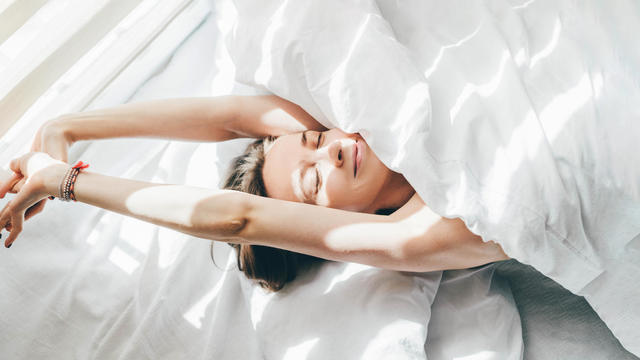
Catching up on sleep on weekends may lower risk of heart disease, study finds
Busy week have you catching up on sleep during the weekend? That may be good for your heart health, according to new research.
Watch CBS News
Busy week have you catching up on sleep during the weekend? That may be good for your heart health, according to new research.
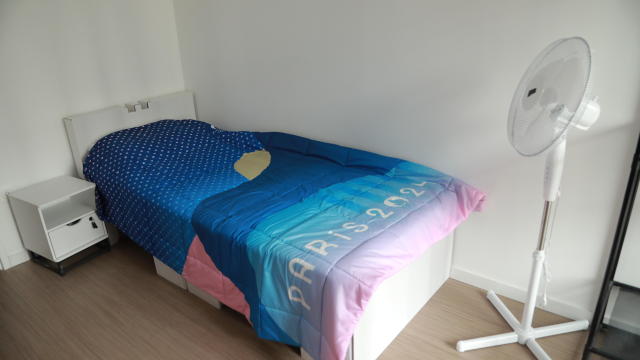
The Olympic village beds are "rock solid," according to some athletes on social media. Oh, and there's no AC. A sleep expert explains how these conditions could impact performance.
Having trouble sleeping, but a sleep divorce feels too drastic? Here's what to know about the Scandinavian sleep method and if it's right for you.
White noise generators are a popular way for parents to help their kids sleep, but there's new concern over what might happen inside their heads as the machines run. Dr. Daniel Bober, a child psychiatrist, joins CBS News to explain.
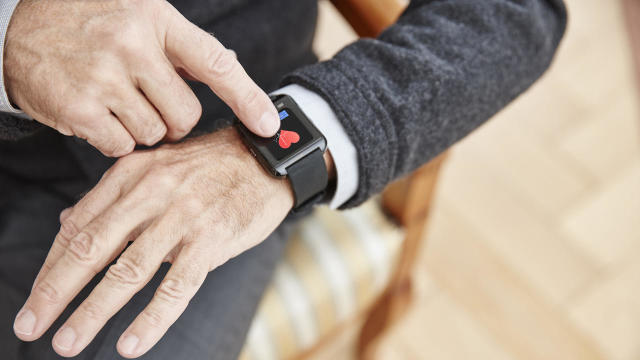
Are you using your smartwatch to the fullest? Here are 4 metrics doctors say can be useful to track beyond your daily step count.
Daylight saving time for 2024 is here, which means we lost an hour of sleep as we "spring forward." Here's how to deal with the time change, according to experts.
With daylight saving time approaching, should parents give kids melatonin gummies to help them sleep? A doctor shares what to know about the supplement and possible side effects.
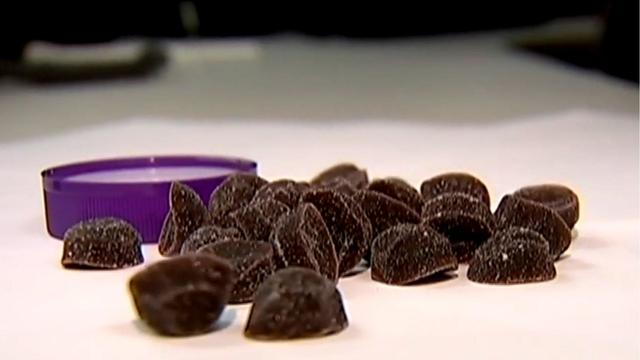
Health officials say the number of children who have accidentally taken melatonin, a sleep aid supplement, and ended up in the emergency room has more than tripled in the past decade. Meg Oliver has details.
Sleep experts are warning that daylight saving time causes the body certain harm as it adapts to the changes. CBS News' Michael George reports on the concerns about health and safety being raised as Americans prepare for the Sunday shift.
With daylight saving time on the horizon, some parents are already worried their children don't get enough sleep. Research shows that more than 18% of children aged 5 to 9 are given melatonin to sleep, and 19% of adolescents take it as well. Dr. Celine Gounder, CBS News medical contributor and editor at large for Public Health at KFF, has more.
In recognition of American Heart Month, sleep expert Shelby Harris sheds light on the link between poor sleep and its effects on heart health.
According to Shelby Harris, while the duration of sleep is crucial, the quality of that sleep is equally, if not more, important for maintaining heart health.
Comedian Sebastian Maniscalco teams up with his kids' pediatrician, Sr. Scott Cohen, for a parenting podcast called "Daddy vs. Doctor." On "CBS Mornings," they meet a couple struggling with a baby who doesn't like to sleep.

The "sleepy girl mocktail," made mainly of tart cherry juice and magnesium powder, is gaining attention on social media for its supposed sleep benefits. Here's what doctors say about the ingredients.
Cameron Diaz isn't alone — more Americans are choosing separate bedrooms, a practice known as "sleep divorce," as a way to prioritize sleep.
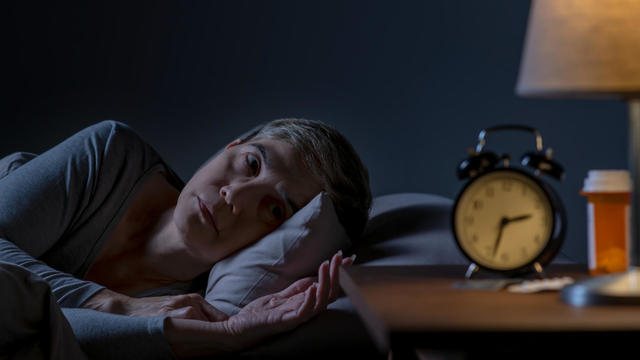
Getting just a little less sleep a night could increase the risk of diabetes in women.
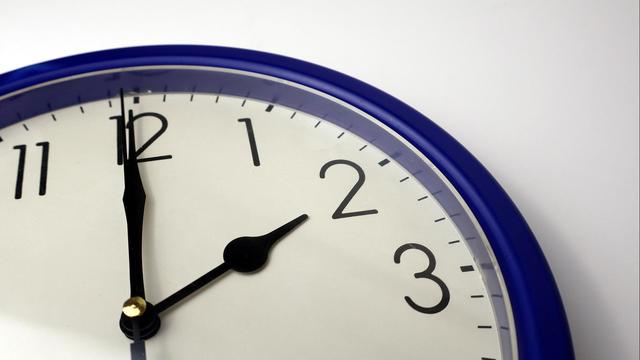
Daylight saving time comes to an end on Sunday. Dr. Shelby Harris, clinical psychologist and director of sleep health at Sleepopolis, joins CBS News to discuss how the switching of schedules can impact your health and what you can do to ease the transition.
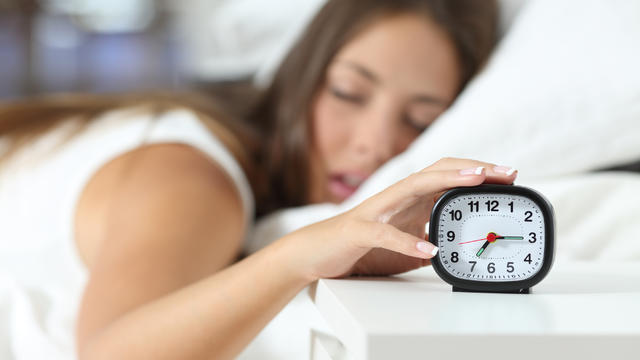
If you snooze, you lose? Maybe not. Hitting your alarm's snooze button may not impact your health as previously thought, new research suggests.
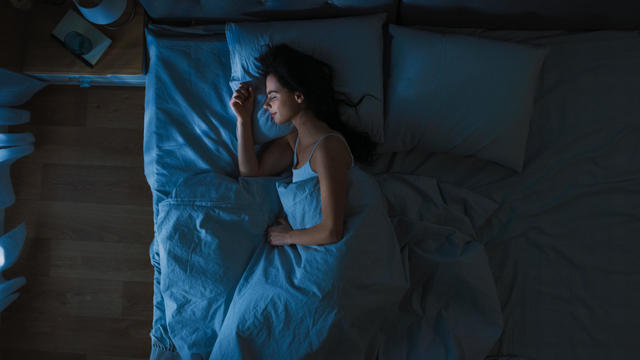
It's not just a tummy ache that can keep you up at night — experts say your sleep schedule and gut microbiome have a relationship we're gaining a better understanding of.
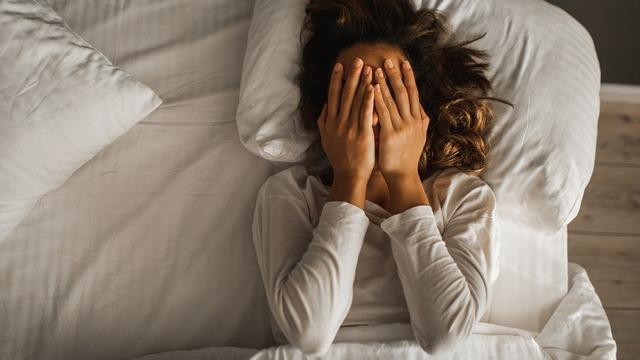
After spending summer months traveling and trying to make the most of the extended daylight hours, many of us are in need of a September sleep schedule reset. Dr. Emerson Wickwire, a professor of psychiatry and medicine at the University of Maryland School of Medicine and sleep medicine section head at the University of Maryland Midtown Medical Center, shares some sleep tips.
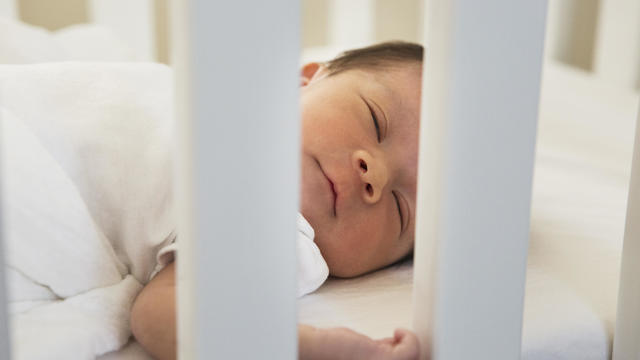
Rates for SIDS have declined since the 1990s, but a different cause of infant death — accidental suffocation or strangulation — has been a persistent problem.
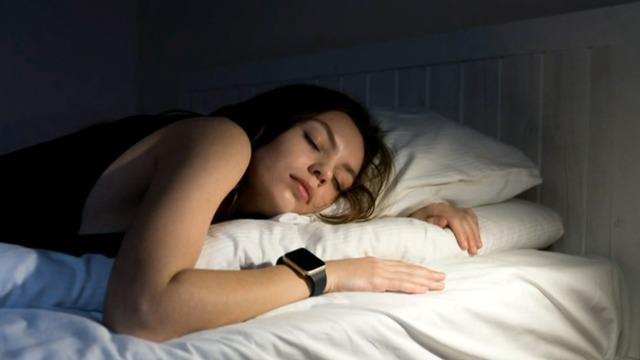
White noise is becoming a more and more popular tool to help people relax or fall asleep. Jeffrey Ellenbogen, a neurologist and the director of The Sound Sleep Project, joined CBS News to explain what white noise is and how it can help with relaxation.
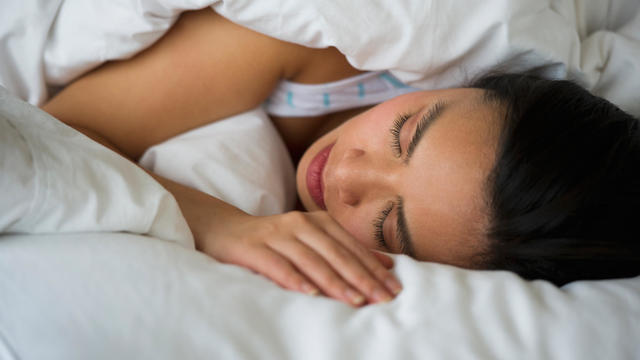
White, brown and pink noise are all examples of "sound masking," which neurologist Dr. Jeffrey Ellenbogen says can help people relax and fall asleep.
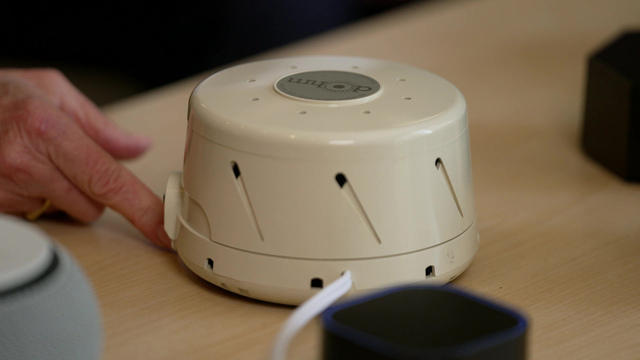
Noise is a big reason why 1 in 3 American adults doesn't get enough sleep. But for some the solution to noise keeping them awake is … more noise! Correspondent Susan Spencer talks with a sleep specialist about why white noise machines can be an effective means to getting shuteye. (Originally broadcast May 21, 2023.)
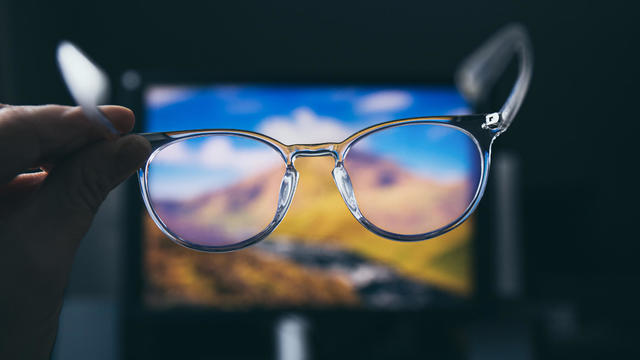
Blue light from computer screens and smartphones stimulates eyes and can cause sleep problems — but a new analysis finds blue light blocking glasses may not be much help.