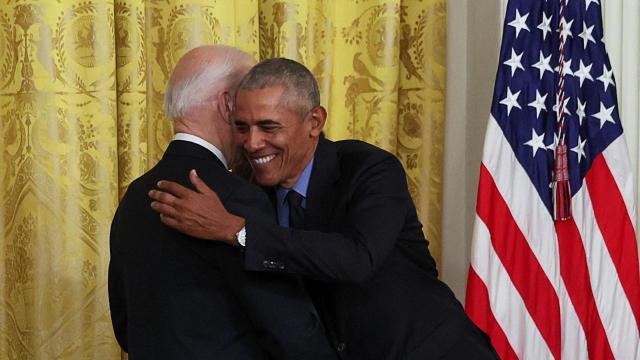
Biden welcomes Obamas back to White House for portrait unveiling
It's been more than a decade since the Obamas welcomed George W. Bush back to the White House.
Watch CBS News
It's been more than a decade since the Obamas welcomed George W. Bush back to the White House.

Fifty years ago, burglars broke into the Democratic National Committee headquarters in the Watergate complex, prompting an unprecedented political scandal that ultimately took down president Richard Nixon. CBS News correspondent Lesley Stahl covered the story from the first day, and joins "CBS Mornings" to discuss the scandal and its parallels to today's politics.

This gripping documentary looks back at the infamous break-in 50 years ago at the Democratic National Committee's Watergate headquarters. What seemed at first to be a mere burglary grew into an extraordinary story of crime and scandal that took down President Richard Nixon – it’s a story that remains as relevant as ever.

As presented by John Dickerson on the CBS News streaming network, Roger Mudd's CBS News Special Report from November 4, 1973, "The Embattled President," was focused on Richard Nixon's secret taping system.
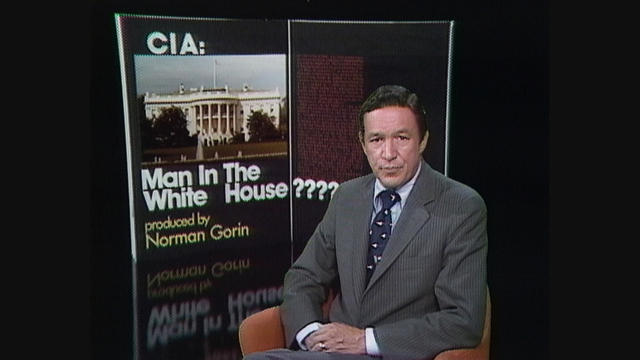
Alexander Butterfield stunned the nation when he told the Watergate Senate subcommittee that President Nixon had tape-recorded conversations in the Oval Office. In 1975 was interviewed by 60 Minutes correspondent Mike Wallace.

Fifty years ago, the Watergate break-in took place, ultimately leading to President Richard Nixon's resignation. Lesley Stahl, a rookie CBS News correspondent at the time, was assigned to the story, which was initially thought to be just a petty crime. Hear more from Stahl in "Watergate: High Crimes in the White House," premiering Friday, June 17 at 9 p.m. ET on CBS. It will also be available to stream on the CBS News app and Paramount+.

Donald Segretti was known as a dirty trickster whose shenanigans got him caught up in the Watergate investigation and resulted in prison time.
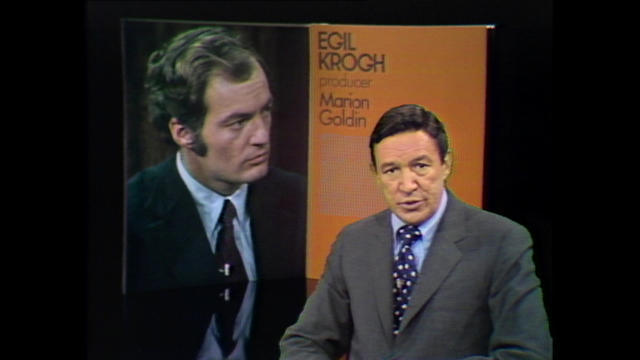
Egil Krogh, a member of Nixon’s White House Plumbers who testified before the Watergate Senate subcommittee, gave his first television interview to Mike Wallace in 1974.
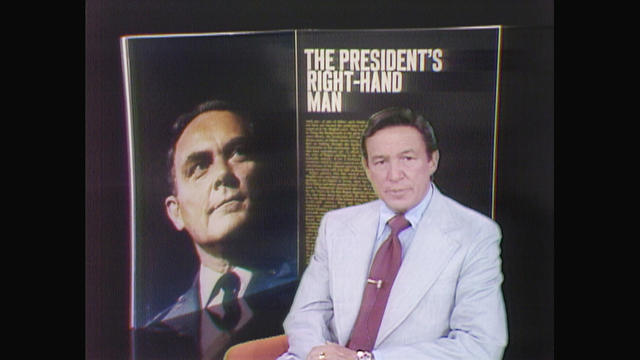
The day after the House Judiciary Committee voted on an article of impeachment against President Richard Nixon, the president’s chief of staff spoke to 60 Minutes.
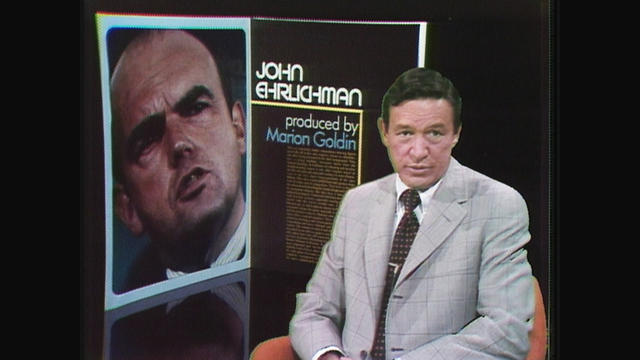
In June 1973, Nixon advisor John Ehrlichman told 60 Minutes the White House had “no interest” in covering up the Watergate break-in because “it had no exposure.” Ehrlichman served 18 months in prison for his role in the cover-up.

On June 17, CBS will air a two-hour documentary that takes viewers inside the extraordinary story of crime and scandal that took down President Richard Nixon.
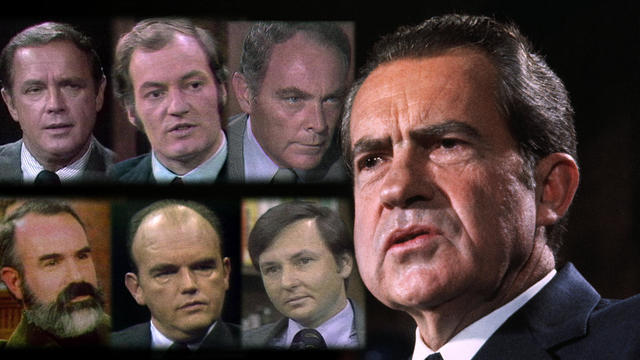
Following the 1972 break-in into Democratic Headquarters at the Watergate complex, 60 Minutes interviewed many people who became central to the break-in and the subsequent cover-up.

The House committee investigating the Jan. 6 Capitol riot will aim to build a case against former President Donald Trump during its public hearings. David Becker, CBS News election law contributor and executive director for the Center for Election Innovation and Research, joins CBS News correspondent Jamie Yuccas to discuss the issue.

In 1971, President Richard Nixon signed the National Cancer Act. Since then, fatality rates for all cancers have dropped 27%. Dr. Jon LaPook reports on the progress that's been made and how far left to go.

Prince Philip said he had woken up "in a cold sweat" after realizing his mistake.

His son, Thomas Liddy, confirmed the death but did not reveal the cause, other than to say it was not related to COVID-19.

"Nine Days: The Race to Save Martin Luther King Jr.'s Life and Win the 1960 Election" is a new book written by father and son Stephen Kendrick and Paul Kendrick. They join CBSN to discuss why they wrote the book and how the actions of King, John F. Kennedy and Richard Nixon at that time changed the trajectory of the country.

President Trump's final days in office leave plenty of time for more controversial pardons.

John Dickerson of "60 Minutes" on what televised debates tell us about the weight of the job – and about the candidates themselves.

On August 9, 1974, Richard Nixon resigned in the face of Watergate investigations and impeachment hearings, and Gerald R. Ford became the 38th President of the United States. Ford's hand-picked official photographer was 27-year-old Pulitzer Prize-winner David Hume Kennerly, who was granted unheard-of access to the first family. Correspondent Jim Axelrod talks with Kennerly about his remarkable time in the Ford White House; and with Ford's son, Steven, who remembers his father's close relationship with the photographer.

Images of protests throughout the world have flooded social media feeds and news coverage, but there are questions about which tactics are most effective in sparking meaningful change. Omar Wasow, an assistant professor of politics at Princeton University, studies the impact protests have on politics, and he joins CBSN to discuss his research.

Presidential historian Thomas Whalen joins CBSN to discuss the impeachment inquiry into President Trump and how this case compares to America's past presidential impeachments.

Days after Nixon’s formal impeachment hearing in the House began in 1974, Kilpatrick and von Hoffman discussed whether or not the trial should be televised.

In 1973, months before the House Judiciary Committee formally initiated the impeachment process, “Point/Counterpoint” columnists James J. Kilpatrick and Nicholas von Hoffman debated what would happen if President Nixon was formally investigated.

After Congress issued subpoenas for the White House to release more tapes, “Point/Counterpoint” columnists James J. Kilpatrick and Nicholas von Hoffman debated whether or not a court has the power to compel a president to produce papers or appear as a witness.