6 presidential speeches that shaped American history
These six presidential speeches are some that have most reverberated through the ages, and whose impacts are still felt today.
Watch CBS News
These six presidential speeches are some that have most reverberated through the ages, and whose impacts are still felt today.
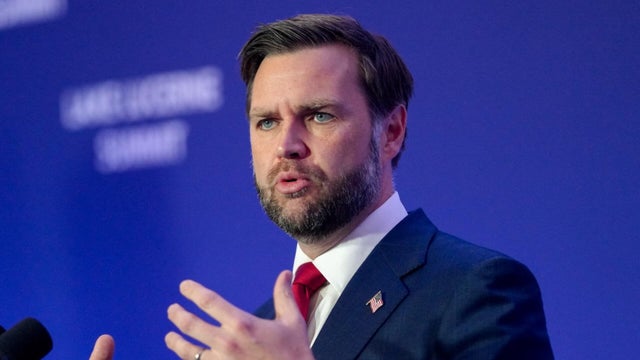
Democratic strategist and former Biden adviser John McCarthy and Republican strategist T.W. Arrighi join "The Takeout" to discuss JD Vance saying Watergate would be a "12-hour news story" if it happened now, the NYC primary results earlier this week, and more.
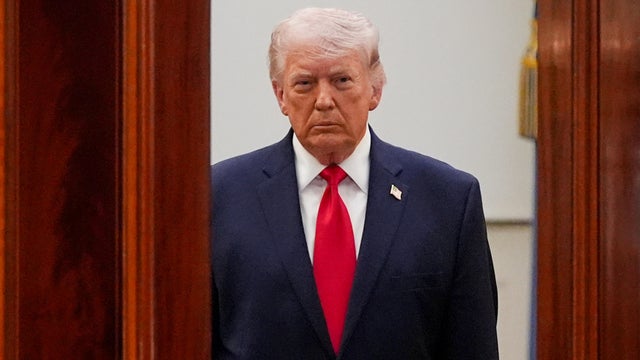
The opinion from the Office of Legal Counsel said that because it believes the Presidential Records Act is unconstitutional, President Trump does not need to comply with it.
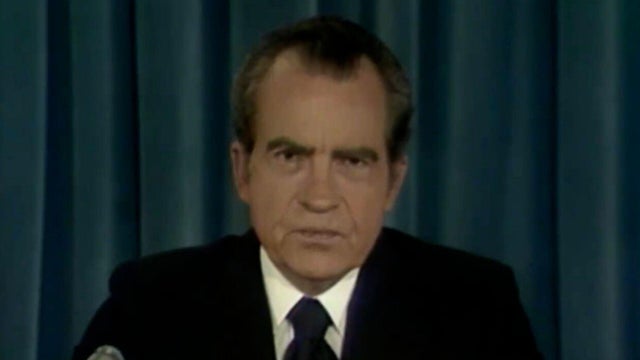
Then-President Richard Nixon addressed the nation from the Oval Office during the 1973 energy crisis. Fueled by the Yom Kippur War, members of the Organization of the Petroleum Exporting Countries in the Middle East banned the sale of oil to the U.S. and other countries, sharply raising gas prices for Americans as they faced their first fuel shortage since WWII.
On Nov. 29, 1973, CBS News aired a special report titled "Making It Through This Winter," spotlighting the ways Americans were making do amid the oil crisis. Watch the program in full.
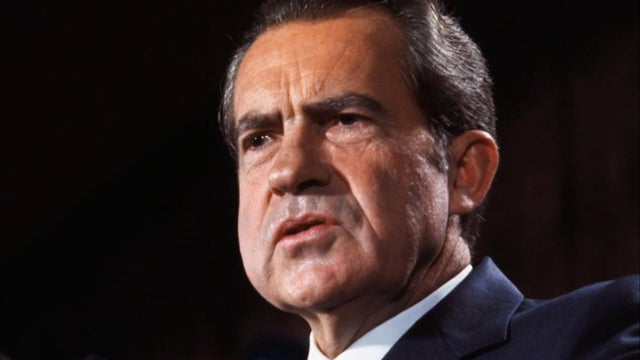
On this day in 1974, the Supreme Court unanimously ruled that President Richard Nixon had to hand over tape recordings of his conversations in the Oval Office. "CBS Evening News" co-anchor John Dickerson explains the significance.
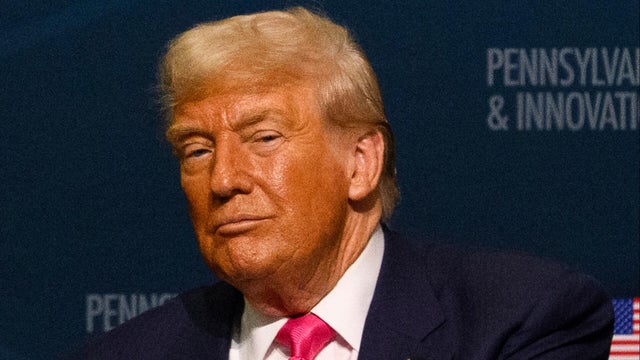
The new PBS Frontline documentary, "Trump's Power & the Rule of Law," goes inside the showdown between President Trump, the courts and Congress. Filmmaker Michael Kirk joins "The Takeout" to discuss the project.
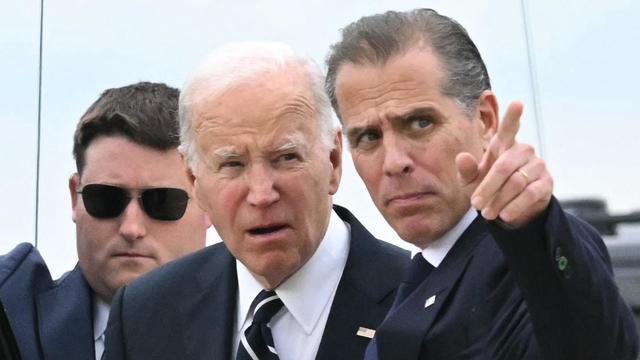
A presidential pardon expert at America University compared the sweeping Hunter Biden pardon issued by President Biden to the pardon for former president Richard Nixon. CBS News' Natalie Brand breaks down the history of presidents pardoning family members.
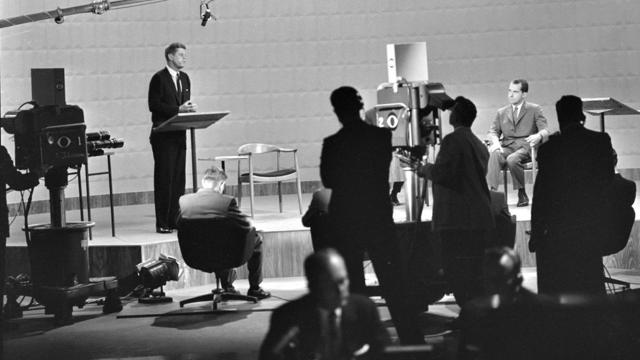
On Sept. 26, 1960, Vice President Richard M. Nixon and U.S. Sen. John F. Kennedy met for the first ever televised presidential debate.
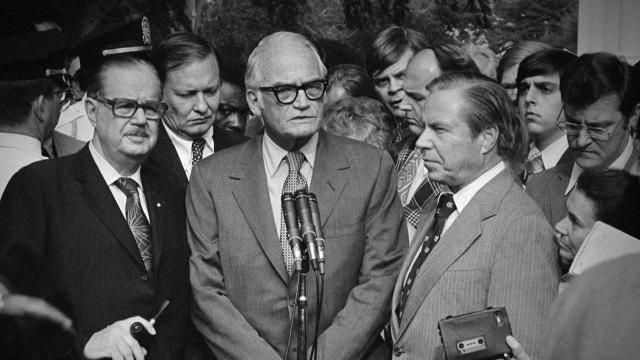
Fifty years ago, Richard Nixon resigned after a visit by leading members of his own party, which had abandoned him over Watergate. In today's polarized political climate, would a President Nixon survive?
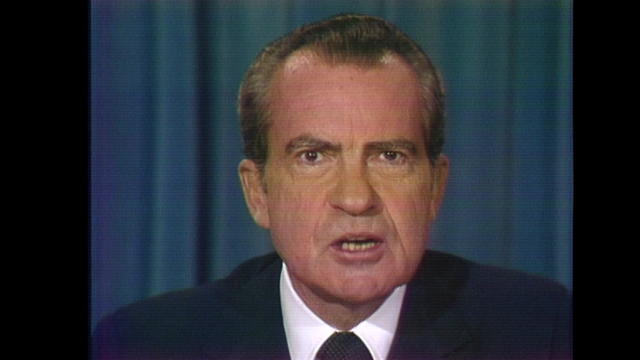
Fifty years ago, President Richard Nixon – facing impeachment and removal from office amid charges of abuse of power, obstructing justice, and contempt of Congress – was visited by leading members of his own party, which had abandoned him; he resigned. But if Watergate happened today, with today's polarized politics and hot-button media environment, would a President Nixon survive? CBS News' John Dickerson talks with Garrett Graff, author of "Watergate: A New History," and historian Brian Rosenwald about a political climate change.
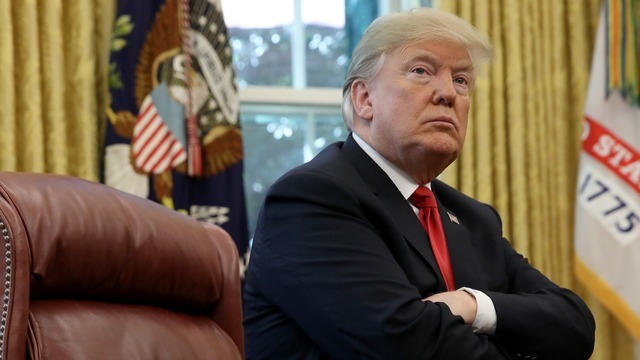
The Supreme Court is set to hear arguments on President Donald Trump's claim that he should be immune from federal prosecution for his conduct while serving in the White House. CBS News' Errol Barnett breaks down the history of presidential power limits.
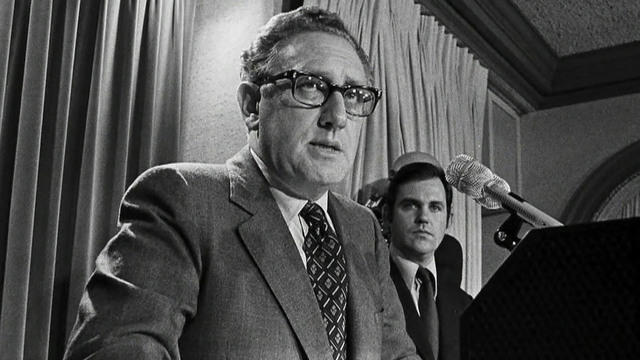
Henry Kissinger, who served as secretary of state and national security adviser under Presidents Richard Nixon and Gerald Ford, died Wednesday at 100. Kissinger's legacy is controversial, as he shaped American foreign policy for decades but is also accused of alleged war crimes. Margaret Brennan looks back at his complicated legacy.
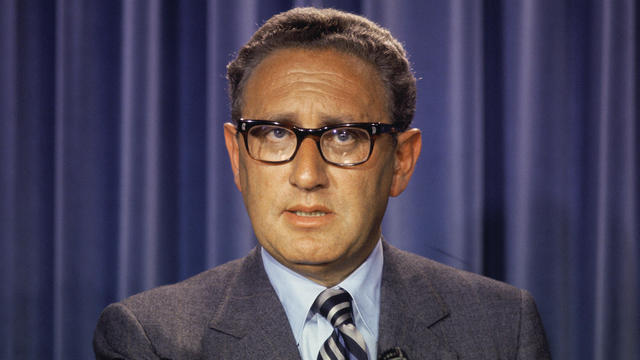
Henry Kissinger, the controversial diplomat who served as secretary of state and national security adviser under Presidents Richard Nixon and Gerald Ford, died Wednesday at age 100, his firm said. CBS News correspondent Skyler Henry looks back on Kissinger's life.
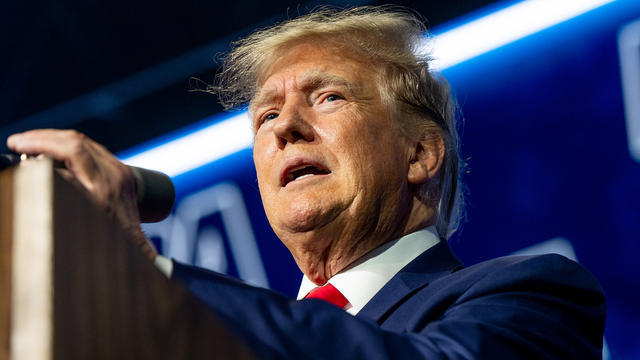
Thursday saw the historic federal arraignment of a former U.S. president. Historian and University of Pennsylvania professor Mary Frances Berry joined CBS News to put Donald Trump's third arraignment in historical context and discuss how it compares to previous presidential scandals.
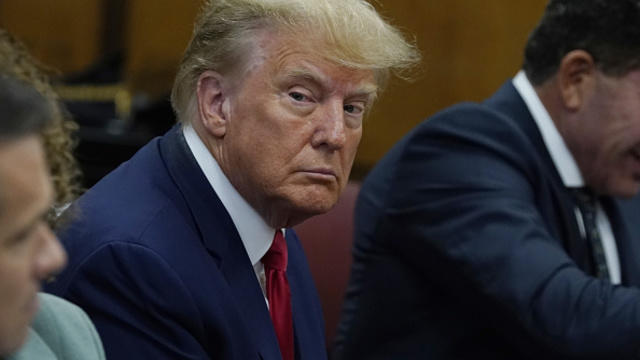
U.S. presidents have been entangled in scandal for centuries. But former President Donald Trump's unprecedented indictment is unchartered territory for the country. Presidential historian Andrew Rudalevige joined CBS News' John Dickerson to discuss the political and historical implications of this moment.
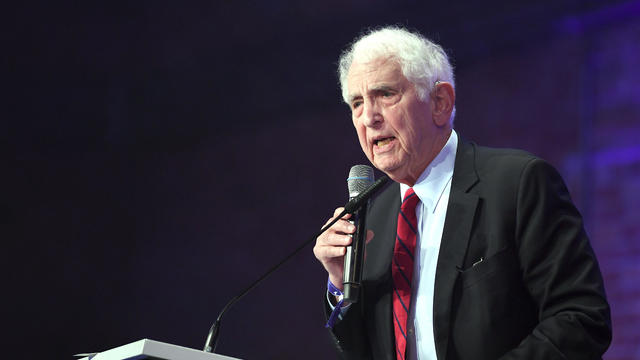
Ellsberg copied and leaked documents that revealed secret details of U.S. strategy in the Vietnam War that became known as the Pentagon Papers.
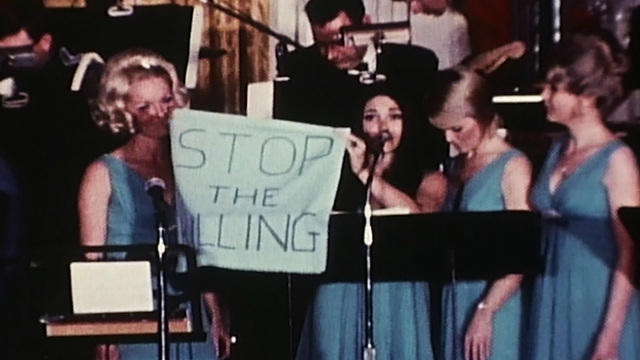
On January 28, 1972, Carole Feraci was invited to perform at the White House as part of the Ray Conniff Singers. She took the opportunity to protest the war in Vietnam, which earned her headlines, and a flood of death threats. Now 81, she tells correspondent Mo Rocca that standing up to the leader of the free world came naturally to a girl who'd grown up in a rough Toronto neighborhood.
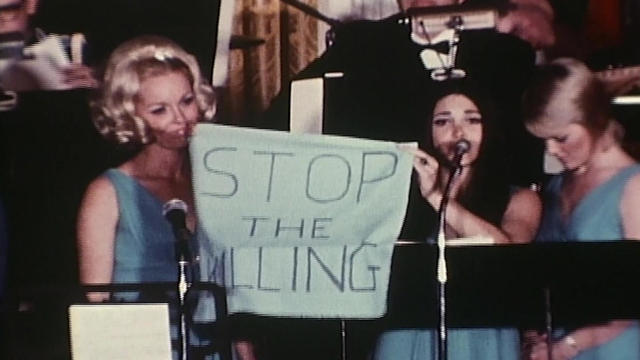
On January 28, 1972, Carole Feraci, performing at the White House with the Ray Conniff Singers, took the opportunity to protest the war in Vietnam, which earned her headlines and death threats.
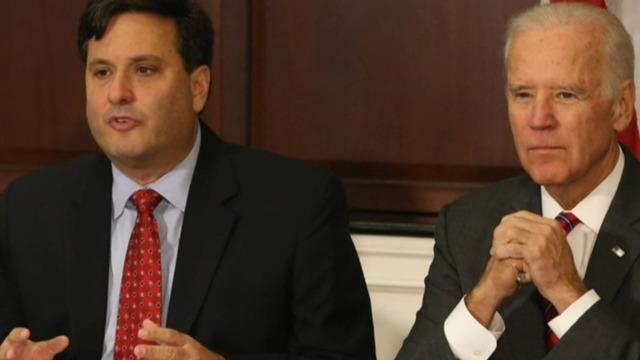
White House chief of staff Ron Klain is stepping down in what will be the first major change to President Biden's White House leadership team. Chris Whipple, author of "The Fight of His Life," about Mr. Biden's first two years in office, and "The Gatekeepers," about presidential chiefs of staff, joins CBS News' John Dickerson to discuss the significance for the Biden presidency.
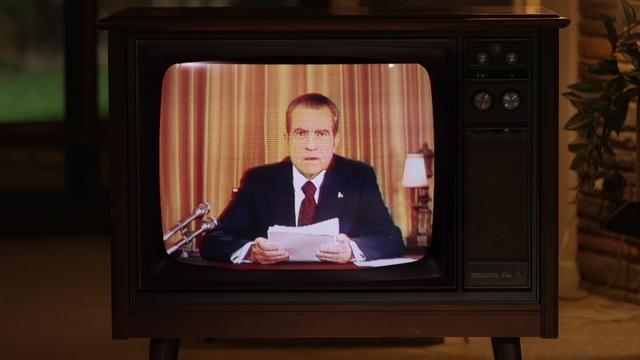
In this exclusive clip from the upcoming CBS documentary "Watergate: High Crimes in the White House," 60 Minutes correspondent Lesley Stahl and Bob Woodward and Carl Bernstein, the tenacious Washington Post reporters who became role models for investigative journalists everywhere, relive how their revelations exposed a scheme of inconceivable abuse of power by a president bent on destroying his enemies. We also hear from members of President Richard Nixon's reelection campaign who recall a secret slush fund used for break-ins and dirty tricks. Revisit the infamous scandal that took down Nixon's presidency in this new documentary premiering on Friday, June 17 at 9 p.m. ET on CBS. It will also be available to stream on the CBS News app and Paramount+.
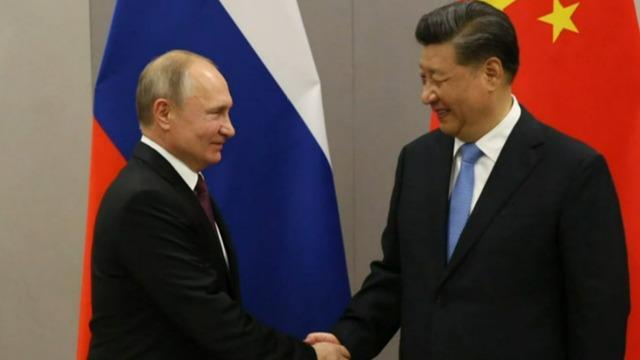
Chinese President Xi Jinping and Russian President Vladimir Putin are expected to meet this week in Uzbekistan. China has recently signaled stronger support for Russia in its war in Ukraine, but the two countries haven't always been aligned. Phelim Kine, China correspondent for Politico, joined CBS News' John Dickerson to discuss.
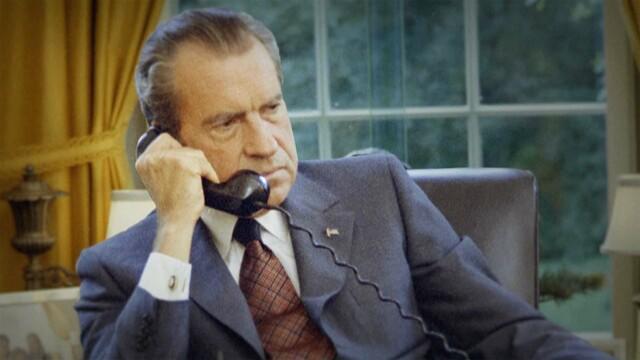
The gripping documentary, "Watergate: High Crimes in the White House," premieres 50 years to the day of the infamous break-in at the Democratic headquarters located within the Watergate office complex in Washington, D.C. What seemed at first a mere burglary grew into an extraordinary story of crime and scandal that took down President Richard Nixon. The premiere will air on Friday, June 17 at 9 p.m. ET on CBS. It will also be available to stream on the CBS News app and Paramount+.
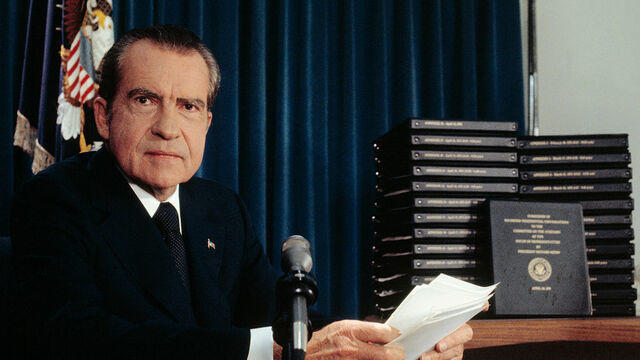
The House Jan. 6 committee's vote to subpoena former President Donald Trump is not the first time the power has been used. CBS News correspondent Elaine Quijano takes a look at how various presidents have responded in the past.
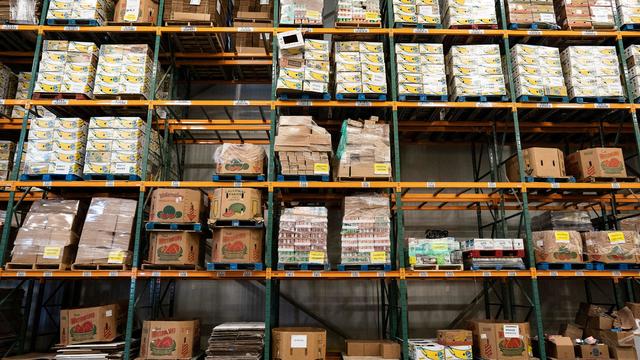
The Biden administration is relying on a variety of private-sector partnerships to help fund and implement goal of ending hunger in America by 2030.