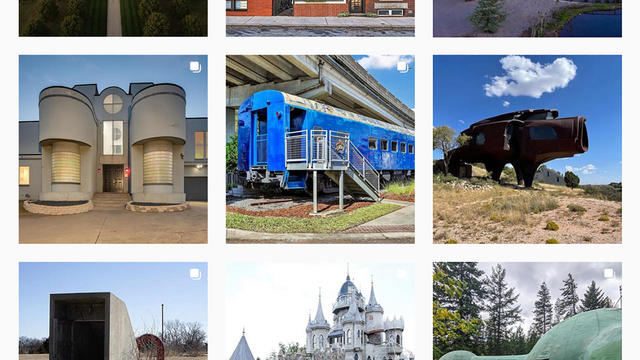
Zillow Gone Wild, bringing unreal real estate to your screen
The social media site is helping make the most outlandish properties on the popular online real estate marketplace – from towering castles to underground bunkers – go viral.
Watch CBS News
The social media site is helping make the most outlandish properties on the popular online real estate marketplace – from towering castles to underground bunkers – go viral.
The average 30-year home loan rate hasn't topped 5% in more than a decade, according to Freddie Mac data.
Economists say the pandemic housing boom is showing "signs of exuberance" akin to the boom of the early 2000s.
Rate on a 30-year mortgage has jumped to 4.4%, quashing dreams of homeownership for many Americans.
"It is absolutely what we would call a tenant's market in most markets around the U.S.," one expert said.
With rates at their highest point since 2019, some buyers are turning to adjustable-rate mortgages for affordability.

A shift to remote work during the COVID-19 pandemic emptied out offices across the U.S., but companies are now bringing their workers back. However, the real estate market for offices is in a whole different place than it was before the pandemic. Crain's New York Business editor-in-chief Cory Schouten joins CBS News to discuss how small businesses and tenants have the upper hand.
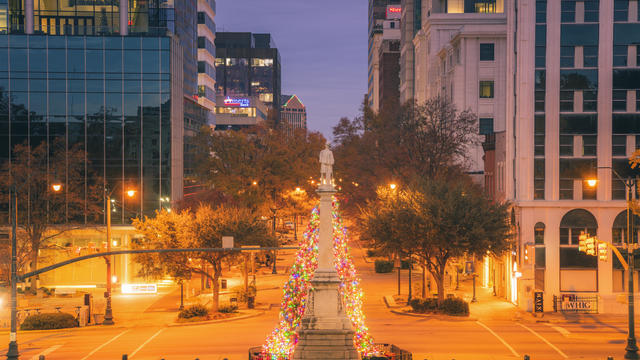
Did your city make the cut?

Russian oligarchs in the U.K. are coming under increasing pressure from both international sanctions and a new British law that aims to increase transparency in real estate purchases. CBS News foreign correspondent Imtiaz Tyab reports on some of the U.K.'s notorious oligarchs and their stately homes.

Real estate prices surged during the pandemic, with 1 in 12 homes now worth at least $1 million, a new analysis finds.
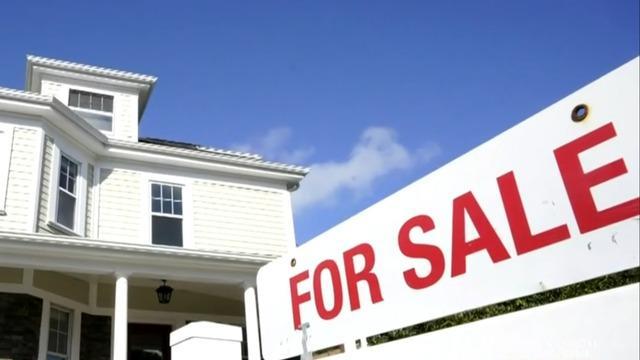
First-time buyers face "challenging conditions" and affordability concerns, a real estate economist said.

As housing prices soar, owning a home in the U.S. "is a signifier of the upper class now," one real estate economist says.
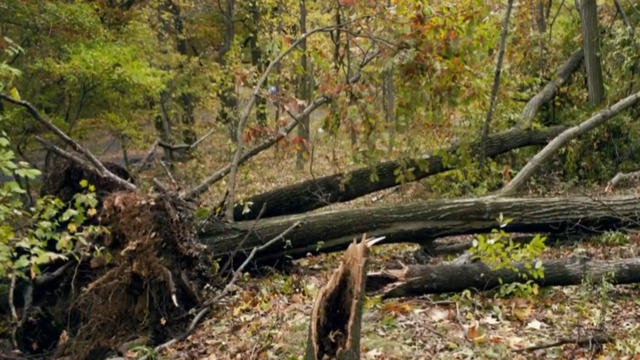
A small, old-growth forest found inside the New York Botanical Garden is one of the last remnants of what New York was like before New York City existed. It's survived everything from war to farming to real estate development. Now, it now faces a new threat. Michael George has more.
On the heels of a hot housing market in 2021, Zillow says it expects home prices to increase 11% in 2022. Kunal Lunawat, managing partner and co-founder of real estate technology-focused fund Agya Ventures, joins CBSN's Elise Preston to discuss.
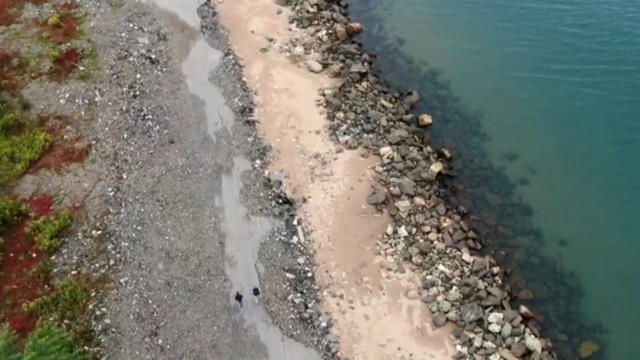
It's not just the U.S. coasts experiencing climate change. Communities along the shores of the Great Lakes are seeing it too. Ben Tracy has more for CBS News' series Eye on America.
The hottest real-estate markets next year are likely to be smaller cities with greater affordability, Realtor.com says.
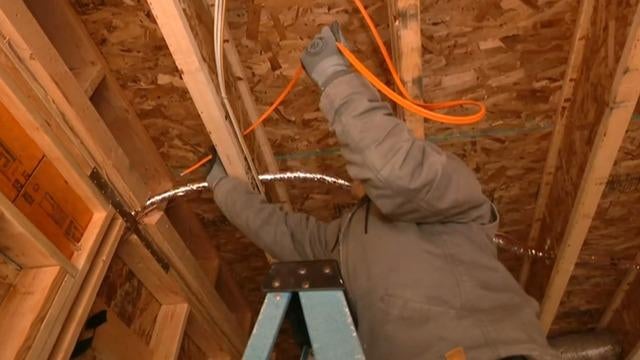
The nationwide shortage of homes for sale is being driven, in part, by a severe shortage of builders. The construction industry says more than 2 million new workers will be needed over the next three years to meet demand. Mark Strassmann takes a look.
CEO concedes that forecasting housing prices is much harder than the real estate firm expected.
The housing market has taken a hit since the start of the coronavirus pandemic, but there is hope now that some states are reopening. Jonathan Vigliotti takes a look.
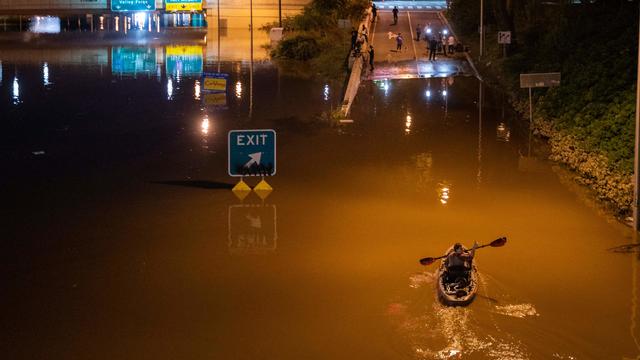
Roads, hospitals, water treatment plants also in danger of becoming inoperable. "It's just bonkers," one researcher said.
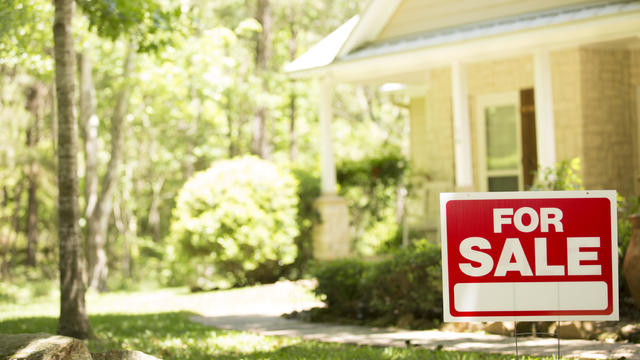
The typical homebuyer must now spend almost a third of income toward their housing costs, the highest since 2008.
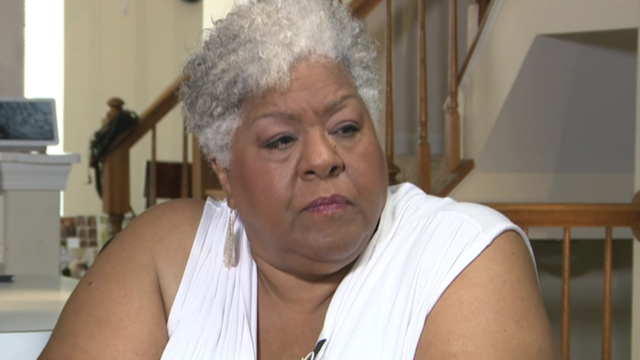
The typical Black family has only a fraction of the wealth of the average White family, and many experts say real estate is the root of the problem.
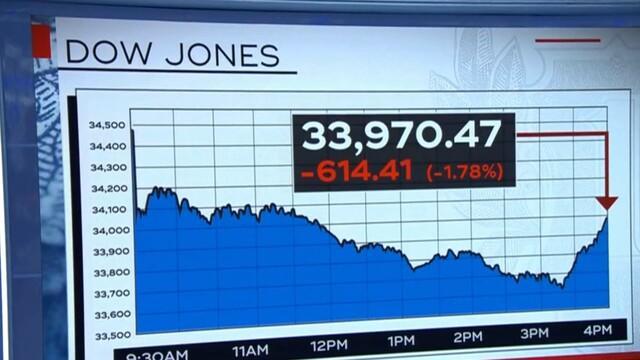
Wall Street had its worst day since May amid fears that a Chinese real estate company could default, and that the Federal Reserve could begin ending stimulus measures it enacted during the pandemic.
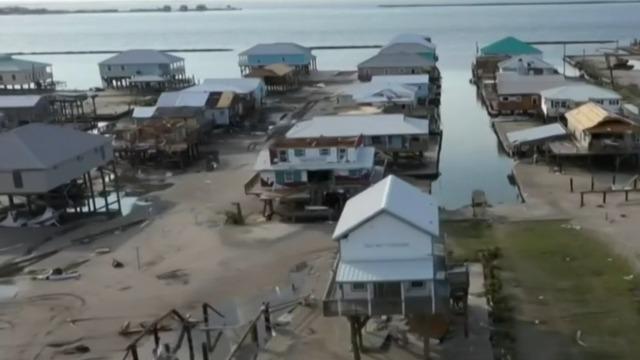
More frequent flooding due to severe weather events has become a major concern in many American cities, but an NPR investigation found that the U.S. Department of Housing and Urban Development has been selling homes in flood zones without fully disclosing the risk to buyers. A spokesperson for the agency told the outlet it requires people who buy these homes to get flood insurance if they want a mortgage backed by the department. Meanwhile, the federal government is spending millions of dollars to move people out of these flood-prone areas. Huo Jingnan, an assistant producer with the NPR investigations team, joins CBSN to discuss.

Millions of renters with little or no credit record have been shut out of the American dream of home ownership. That could soon change.