Global oil prices hit $100 a barrel amid attacks in Red Sea
The last time global oil prices settled above $100 was on May 22, data from FactSet shows.
Watch CBS News
The last time global oil prices settled above $100 was on May 22, data from FactSet shows.
Gas prices have increased again as tensions rise between the U.S. and Iran. Axios reporter Madison Mills explains how oil markets have reacted to the war.
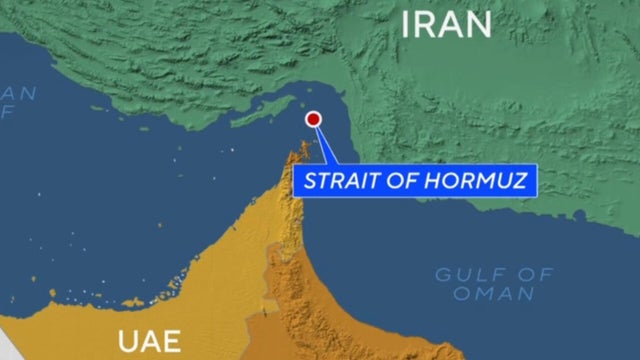
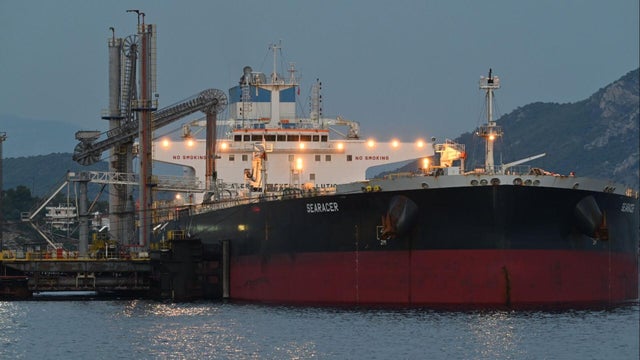
President Trump said the Strait of Hormuz will reopen within "the next day or two." Semafor climate & energy editor Tim McDonnell explains why global energy trade will never be the same, even when the strait reopens.
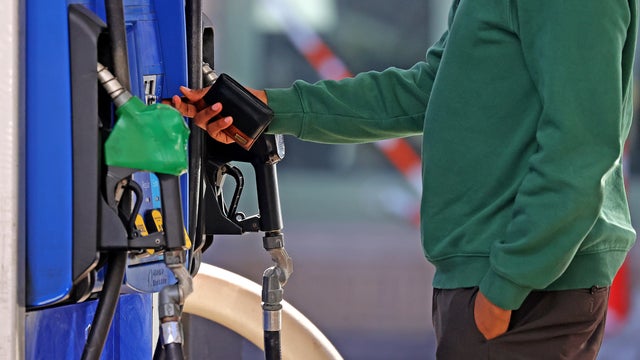
U.S. gas prices are surging as the Iran war drives up the global cost of oil. But what exactly accounts for what you pay at the pump?
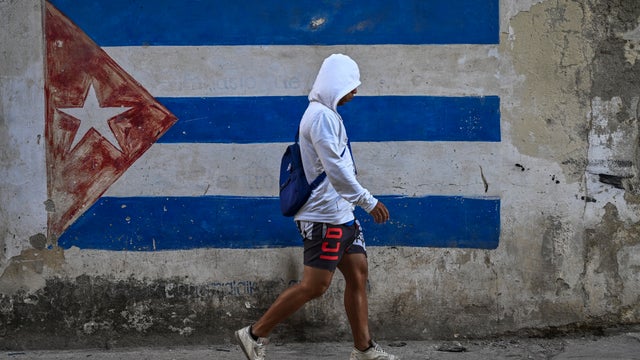
The Cuban government says it has pardoned and released 2,010 prisoners, a sweeping move that comes as the island nation grapples with pressure from the Trump administration.

President Trump wants other nations not involved in the war with Iran to join the effort to escort vessels carrying oil and natural gas through the Strait of Hormuz. CBS News senior foreign correspondent Imtiaz Tyab reports. Then, former CIA Deputy Assistant Director for Counterterrorism Joe Zacks joins with analysis.
On Nov. 29, 1973, CBS News aired a special report titled "Making It Through This Winter," spotlighting the ways Americans were making do amid the oil crisis. Watch the program in full.
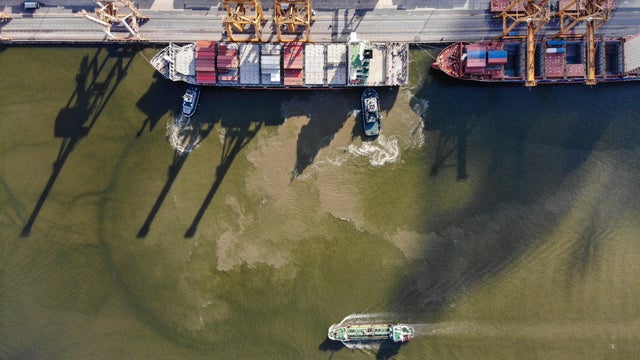
Energy prices won't ease up until the Strait of Hormuz is secure, experts say. Here's what it will take to get the oil flowing again.
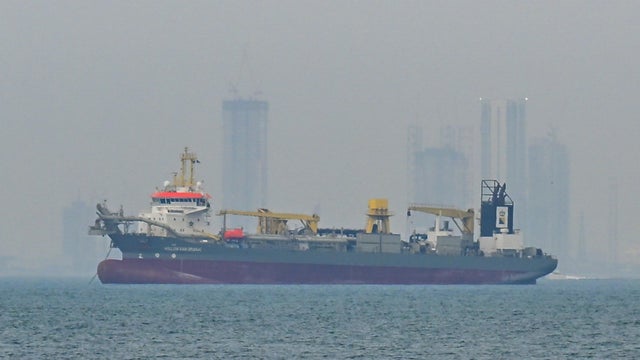
President Trump said the government agency will provide political risk insurance to "all shipping lines" operating in the Persian Gulf.
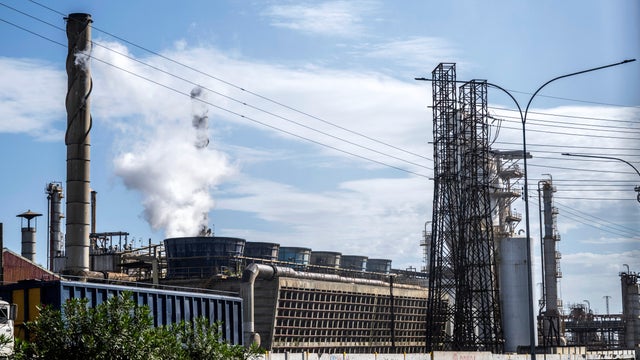
The Trump administration says it has completed the first sale of Venezuelan oil to the U.S. Will it mean lower prices at the pump?
Russia, China and Iran have all publicly condemned the U.S. action in Venezuela. CBS News producer Leigh Kiniry has the latest.
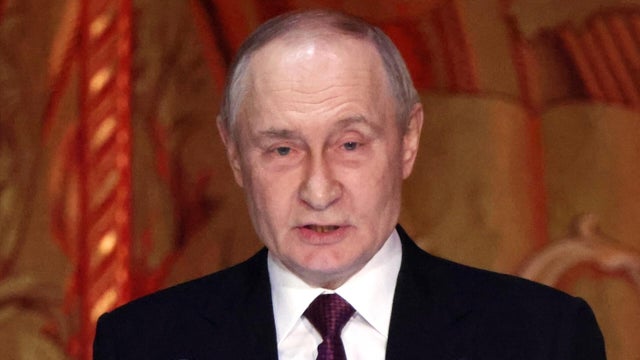
The Trump administration is trying to pressure Russia into a ceasefire, announcing new sanctions Wednesday against major Russian oil companies. Nina Khrushcheva, professor of international affairs at the New School and the great-granddaughter of former Soviet Prime Minister Nikita Khrushchev, joins "The Daily Report" to discuss.
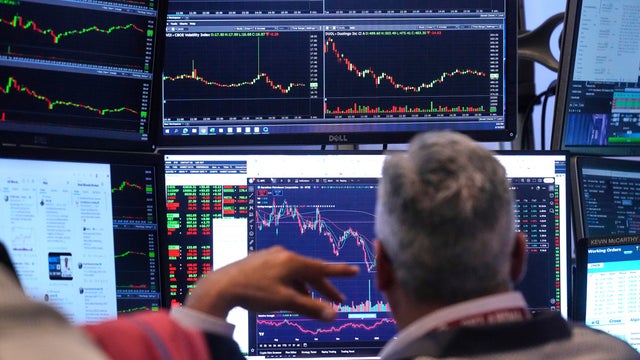
The Dow dropped more than 750 points Friday as investors fret over the risk of a widening war in the Middle East.
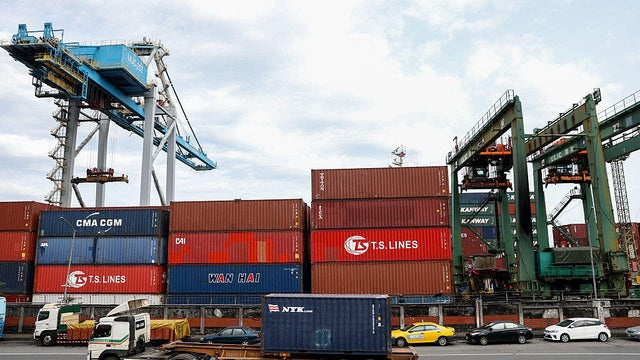
America's global trading partners are bristling at President Trump's tariff tactics, but many also stress a desire to strike new deals with the U.S.
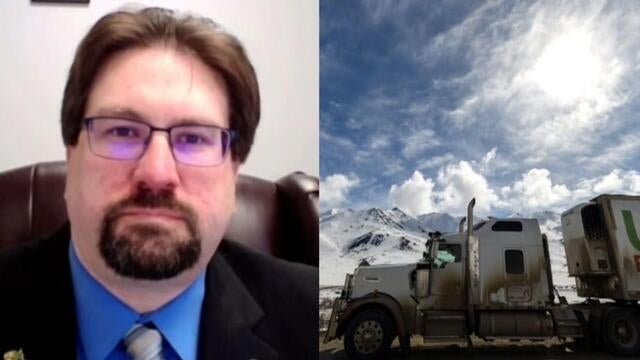
Canada's British Columbia is proposing a law that would allow the province to toll U.S. trucks using its roads to travel to Alaska. Alaska Republican State Sen. Robert Myers joins "The Daily Report" to discuss the impact.
The U.S. will impose 25% tariffs on imports from Canada and Mexico starting Tuesday. Tariffs on goods from China will increase from 10% to 20%. Kelly O'Grady, CBS News MoneyWatch correspondent, and Sarah McGregor, managing editor for Bloomberg News' national desk, join "America Decides" with analysis.
Several OPEC+ countries will reduce oil production by a combined 2.2 million barrels per day through June. Jeff Colgan, director of the Climate Solutions Lab at Brown University, joins CBS News to discuss how the decreased output could affect the U.S.
Fighting has broken out between Israel and Hamas, pushing up global oil prices amid fears the conflict could escalate.
Saudi Arabia and Russia have agreed to extend their voluntary oil production cuts through the end of 2023 -- a move that's already driving prices up. Carolyn Kissane, associate dean at New York University's Center for Global Affairs, joins CBS News to discuss how higher oil prices could also impact interest rates in the U.S.
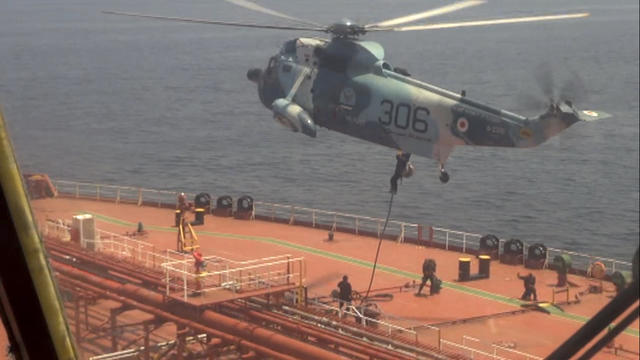
A photograph showed one commando with his fist in the air after apparently taking the vessel.
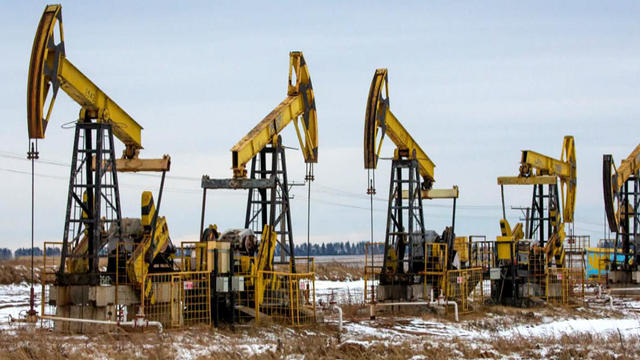
President Biden is expected to announce new sanctions on Russia, and administration officials are warning any countries that help Russia evade those economic sanctions will face consequences as well. Deputy Treasury Secretary Wally Adeyemo joins CBS News to explain the administration's plans, and why he's confident the sanctions are successful despite some saying there hasn't been the impact they had hoped.
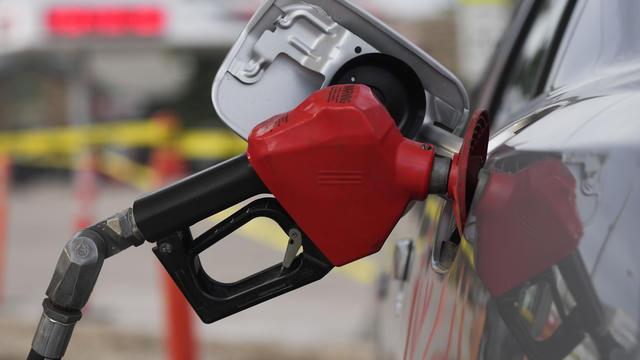
Western nations want to hinder Russia's ability to wage war in Ukraine without driving up global energy prices.
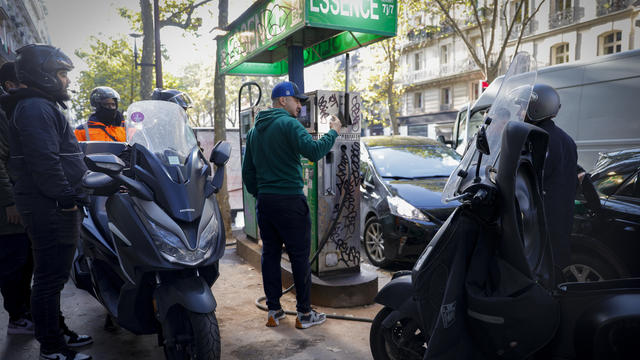
The striking oil workers want a pay rise, arguing their salaries cannot keep up with inflation that has soared to almost 6% in France.
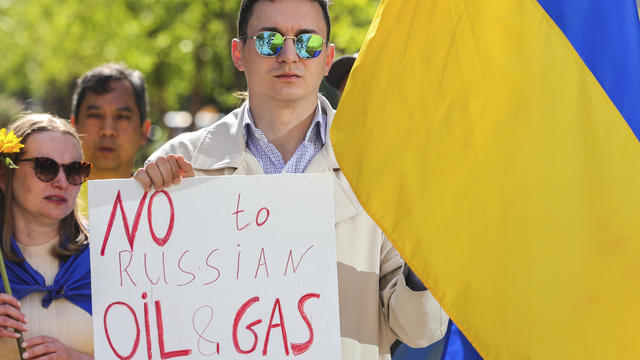
Even those who cheer Europe's embargo on Russian energy predict short-term price shocks for nations and consumers.
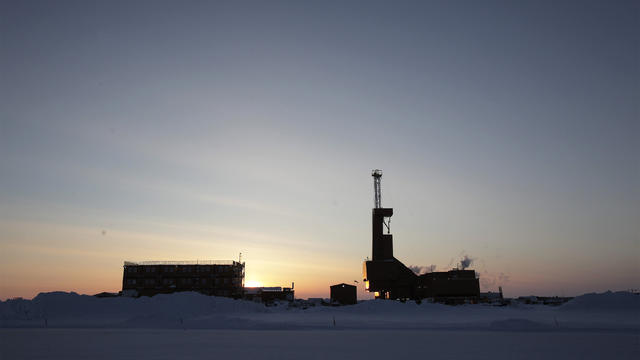
The Interior Department's decision to not move forward with the lease sale comes as gas prices soar.