3/10: The Takeout with Major Garrett
War continues in Iran as Defense Secretary Pete Hegseth promises "most intense day of strikes"; costs of war's first days revealed.
Watch CBS News
War continues in Iran as Defense Secretary Pete Hegseth promises "most intense day of strikes"; costs of war's first days revealed.
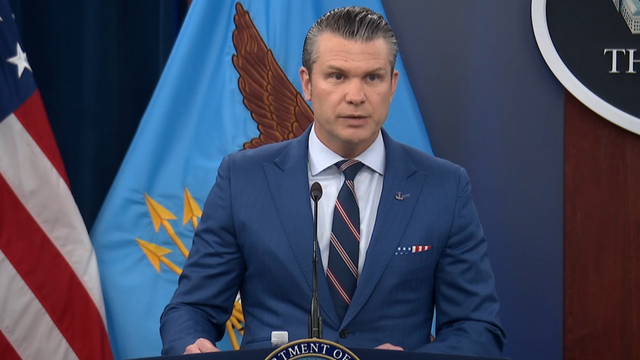
Defense Secretary Pete Hegseth said Tuesday that it would be the "most intense day" of strikes against Iran so far.
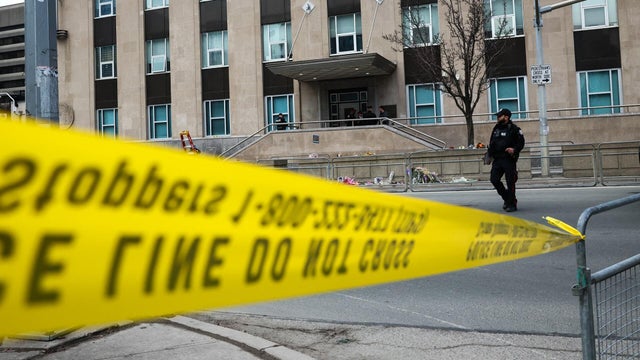
Two gunmen fired shots at the U.S. consulate in Toronto, Canada, on Tuesday. No one was injured, and police have not identified suspects or a motive. CBS News national security contributor Samantha Vinograd joins to examine the rise in threats at home and overseas as the war with Iran enters its 11th day.
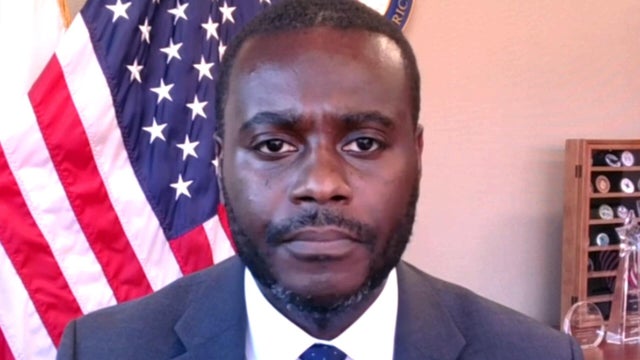
Defense Secretary Pete Hegseth vowed that Tuesday would be the "most intense day of strikes" against Iran, one day after President Trump told CBS News that the war was "very complete, pretty much." Democratic Rep. Gabe Amo of Rhode Island, vice ranking member of the House Foreign Affairs Committee, joins "The Takeout" to discuss.
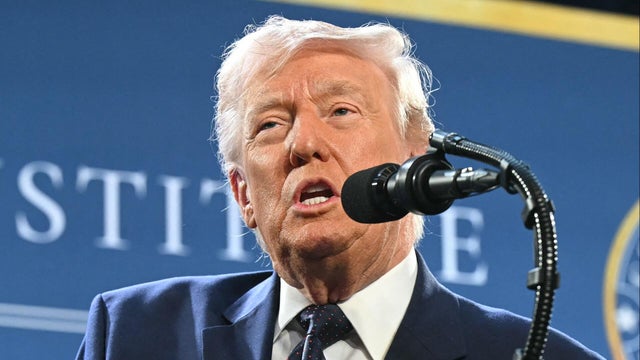
Tuesday marks the 11th day of the U.S.-Israeli war with Iran. Suzanne Maloney, vice president and director of foreign policy at the Brookings Institution, joins "The Takeout" with analysis on the state of the conflict.
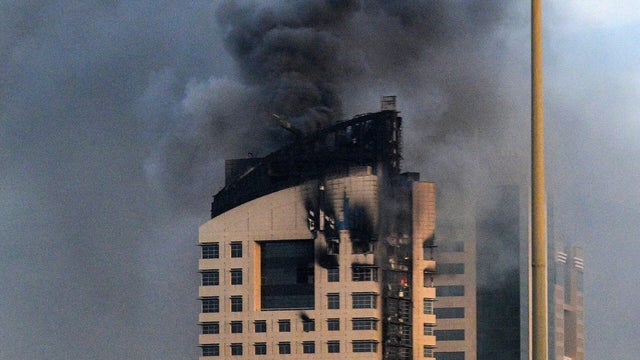
The Persian Gulf states are facing more attacks from Iran amid its war with the U.S. and Israel. CBS News chief correspondent Matt Gutman has more from Tel Aviv.
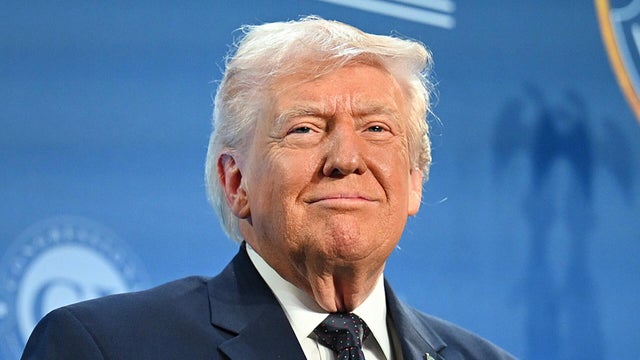
War is deadly serious business and challenges presidents as no other event can. And yet, both former President Joe Biden and President Trump have been tripped up by bizarre language around the topic of war. CBS News chief Washington correspondent Major Garrett explains.
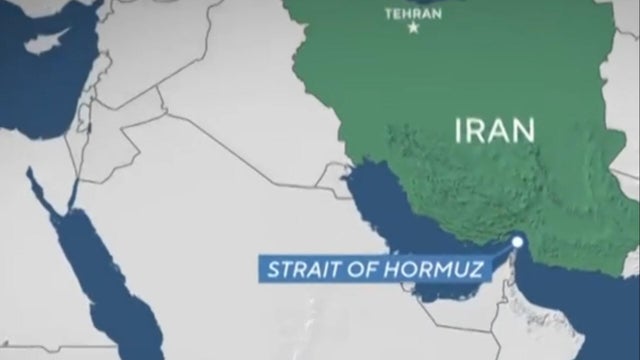
The pressure to reopen the Strait of Hormuz is intensifying, along with the rhetoric around it from the U.S. and Iran. Matt Smith, an analyst at the data firm Kpler, joins to discuss.
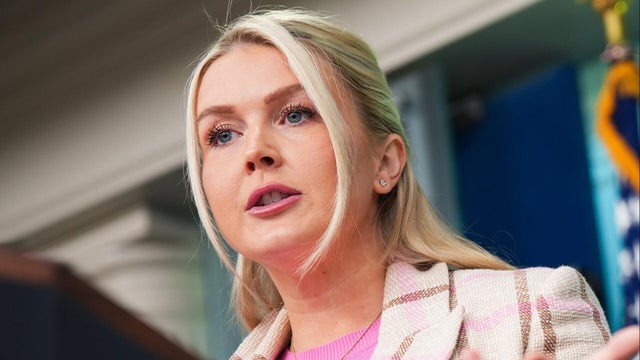
Approximately 140 U.S. service members have been wounded in the first 10 days of the war with Iran, the Pentagon said Tuesday. When asked to confirm, White House Press Secretary Karoline Leavitt said the number was "within that ballpark." CBS News' Olivia Rinaldi reports.
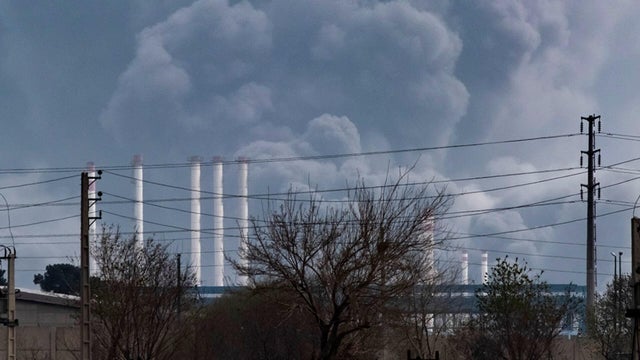
Defense Secretary Pete Hegseth said Tuesday morning that, "Today will be, yet again, our most intense day of strikes inside Iran." CBS News' Charlie D'Agata reports on the situation in the Middle East, Retired U.S. Navy Vice Admiral Robert Murrett joins with analysis and CBS News' Olivia Rinaldi has the latest from the White House.
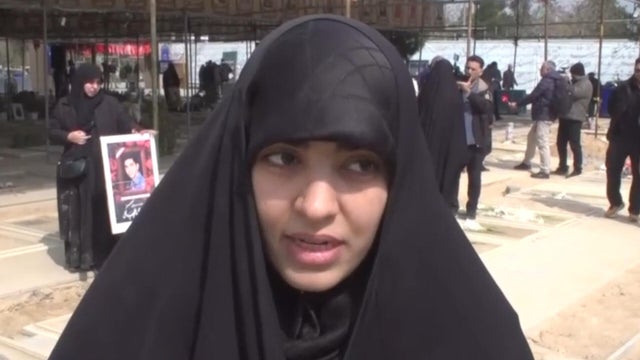
Secretary of Defense Pete Hegseth promised that Tuesday would be the "most intense day of strikes" against Iran. CBS News senior foreign correspondent Holly Williams spoke with some Iranians about the conflict's impact.
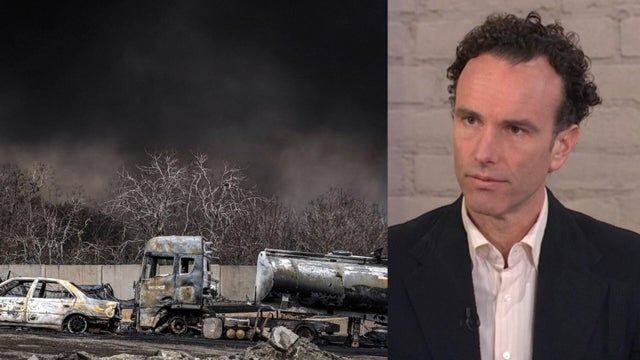
CBS News contributor Elliott Ackerman, a former CIA officer and Marine Corps veteran, joins to discuss what U.S. ground troops in Iran might look like as President Trump weighs the option.

Ukrainian President Volodymyr Zelenskyy offered assistance to the U.S. and Gulf Arab states to fight against Iranian drone strikes. CBS News reporter Aidan Stretch has more details.
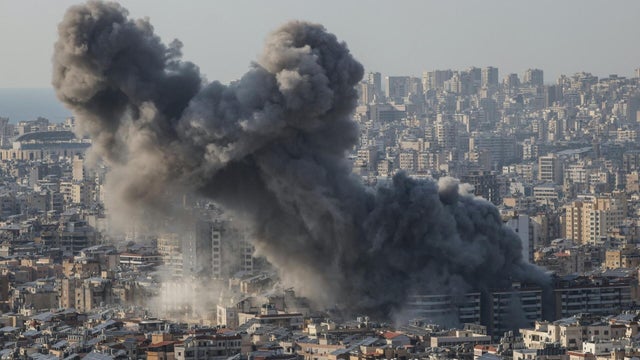
Iran continued retaliatory strikes across the Middle East and threatened to shut down the Strait of Hormuz. President Trump said Monday he would not allow "a terrorist regime to hold the world hostage and attempt to stop the globe's oil supply." CBS News chief correspondent Matt Gutman has the latest from Tel Aviv.
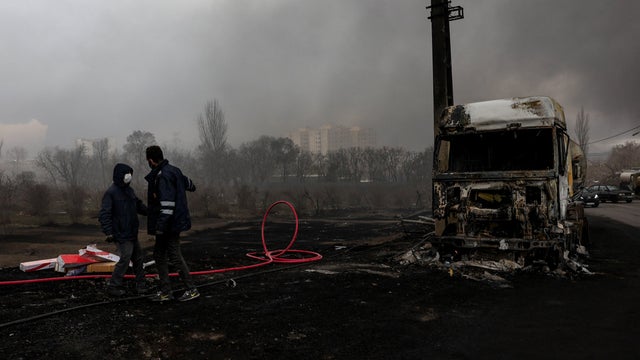
President Trump's assurances that a rising U.S. death toll and soaring energy prices will be temporary and worth the pain are failing to assuage jittery investors.
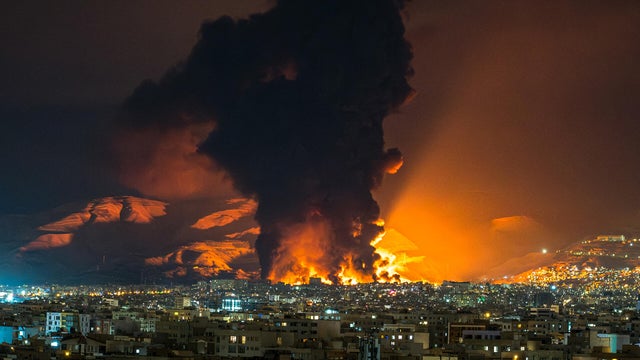
On Monday, President Trump told CBS News senior White House correspondent Weijia Jiang that the war in Iran "is very complete," but he did not provide a timeline for the end of the conflict. Lindsey Reiser takes a look at the war's first 10 days and some of the strikes that have been carried out across the Middle East.

The U.S. average gas price has jumped 48 cents since last week, with experts predicting that higher fuel costs could persist for months.
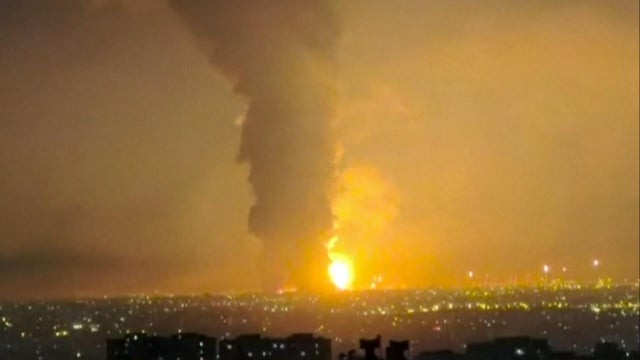
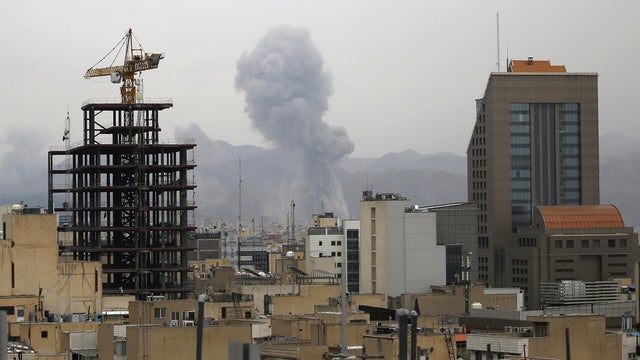
Over the weekend, Israel struck fuel depots in Tehran for the first time, sending fireballs and plumes of thick black smoke skyward. Iran is increasingly relying on cluster munitions to pierce Israel's air defenses. Matt Gutman reports.
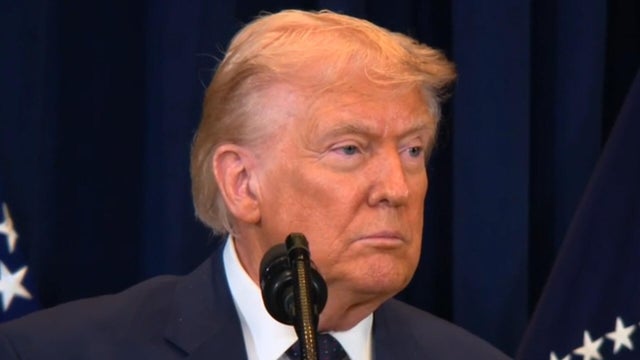
President Trump gave updates on the war in Iran on Monday, saying he was "disappointed" in the country's new choice of leadership, the former supreme leader's son, Mojtaba Khamenei. CBS News congressional correspondent Nikole Killion joins to discuss takeaways from the news conference. Then, Joe Zacks, former deputy assistant director for counterterrorism at the CIA, joins with analysis.
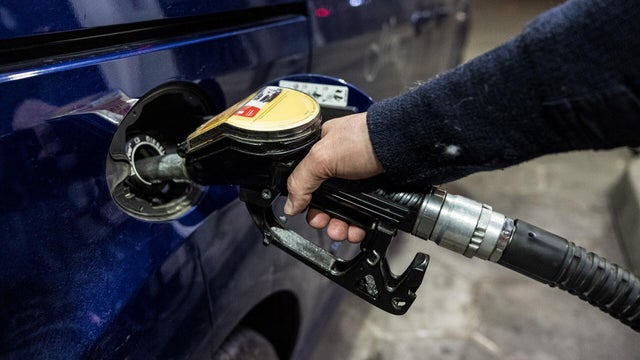
Gas prices rose 14% during the first week of the joint U.S.-Israel war with Iran, according to AAA. CBS News contributor J.D. Durkin joins from the New York Stock Exchange with analysis.
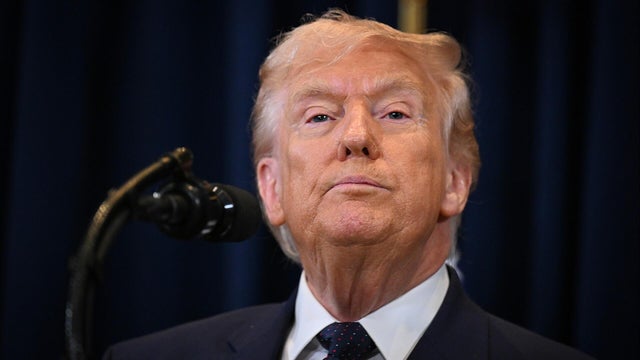
President Trump on Monday held his first news conference since the U.S. and Israel launched strikes against Iran. CBS Evening News anchor Tony Dokoupil leads a special report.
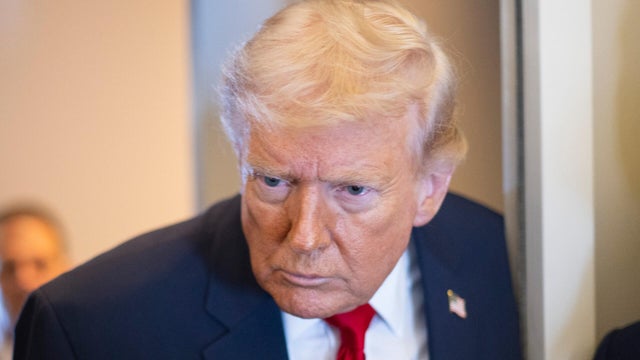
The war in Iran is now in its 10th day. CBS News' Robert Costa and Weijia Jiang both spoke with President Trump about the state of the conflict and joined "The Takeout" to describe their conversations.

When asked about the potential for U.S. troops on the ground in Iran, Defense Secretary Pete Hegseth told CBS News chief Washington correspondent Major Garrett, "You don't tell anybody what your limits would be on an operation." Former CIA officer Elliot Ackerman joins with analysis.

Sources tell CBS News that a preliminary intelligence assessment suggests the U.S. is "likely" responsible for the bombing of a girls' school in Iran that killed 168 people, many of them children, on Feb. 28. The report also suggests the U.S. did not intentionally target the school and may have hit it in error. CBS News chief correspondent Matt Gutman has more.
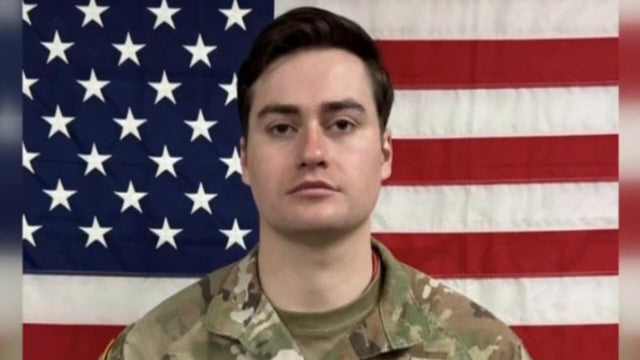
The Pentagon has identified Sgt. Benjamin N. Pennington from Kentucky as the soldier who died from Sunday injuries sustained in a March 1 attack on a U.S. airbase in Saudi Arabia. CBS News chief White House correspondent Nancy Cordes has more.