From the archives: Grappling with the 1973 oil crisis
On Nov. 29, 1973, CBS News aired a special report titled "Making It Through This Winter," spotlighting the ways Americans were making do amid the oil crisis. Watch the program in full.
Watch CBS News
On Nov. 29, 1973, CBS News aired a special report titled "Making It Through This Winter," spotlighting the ways Americans were making do amid the oil crisis. Watch the program in full.

A total of 13 U.S. service members have been killed in the joint Israeli war with Iran, including the six who died in a plane crash in Iraq. Meanwhile, pro-government protesters took to the streets in Iran despite waves of airstrikes. CBS News chief correspondent Matt Gutman reports on the war's latest and Sumantra Maitra, founder of CLIO strategic consulting, has more.
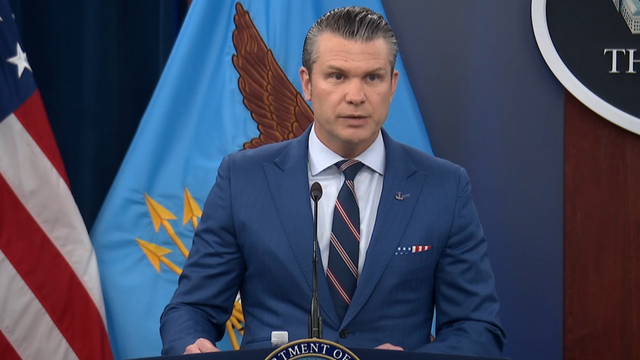
Defense Secretary Pete Hegseth and Joint Chiefs Chairman Dan Caine briefed on Operation Epic Fury in Iran Friday.
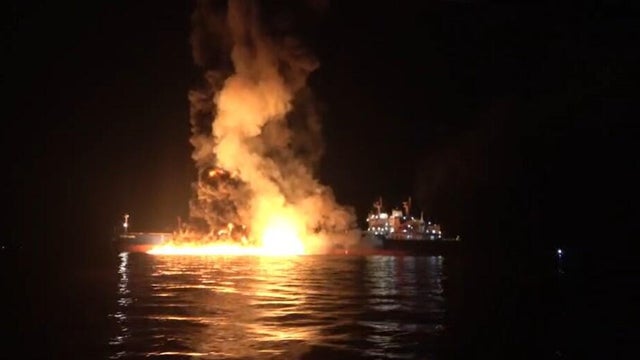
Iran's relentless attacks on Gulf states and infrastructure appear to be overshadowing interventions by the U.S. and its allies aimed at easing energy prices.

Treasury Secretary Scott Bessent said Thursday that the U.S. will escort ships through the Strait of Hormuz as Iran ramps up attacks on the crucial shipping channel. Republican Rep. Rick Crawford of Arkansas, chair of the House Intelligence Committee, joins "The Takeout" to discuss the state of the war.
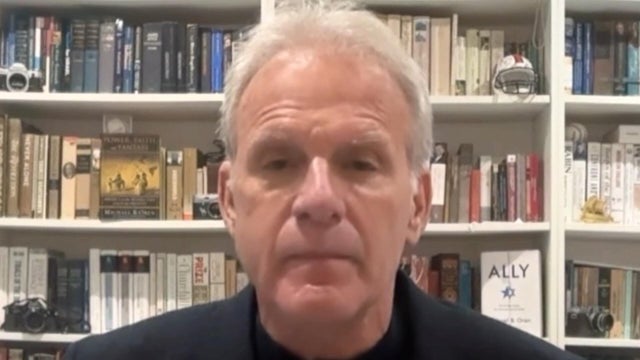
Officials in Lebanon say more than 630 people have been killed during the war with Iran, including 91 children. Former Israeli Ambassador to the U.S. Michael Oren joins "The Takeout" to explain the relationship between Lebanon and the Iran war.
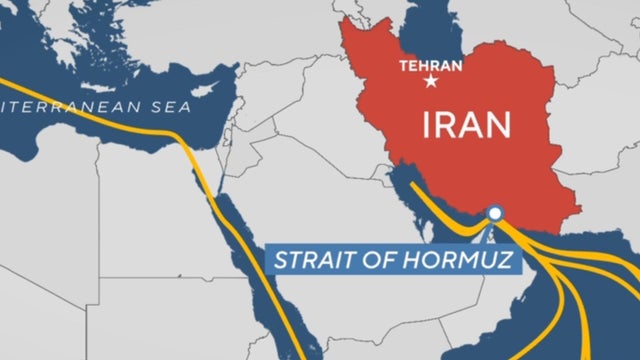
CBS News has learned that despite the U.S.-Israeli war, for the first nine days of March, Iran exported about 30% more oil than in the first nine days of February. Matt Gutman has more.

Iranian state media say the country's new Supreme Leader Mojtaba Khamenei, in his first public statement, has called for the Strait of Hormuz to remain shut.

CBS News journalists offer international perspectives from leaders and citizens in a number of countries as the Iran war nears the two-week mark.
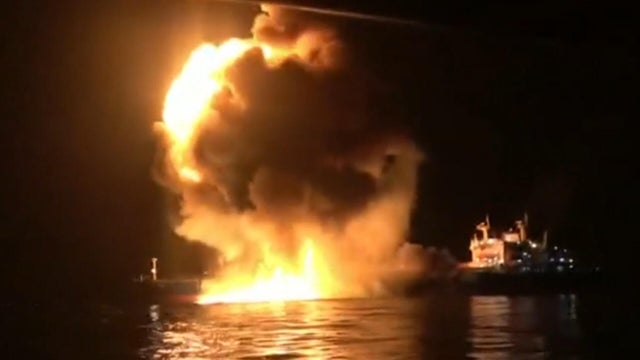
Iran has attacked multiple tankers near its territory and is striking oil facilities in nearby countries. Meanwhile, U.S. and Israeli warplanes and missiles are continuing to hit targets across Iran. In its first week alone, the Iran war has cost more than $11 billion, according to lawmakers briefed by the Pentagon. Charlie D'Agata has the latest.

President Trump says he'll end the war soon, when he wants to, as Iran hits ships in and near the Strait of Hormuz and warns U.S.-linked banks will be next.
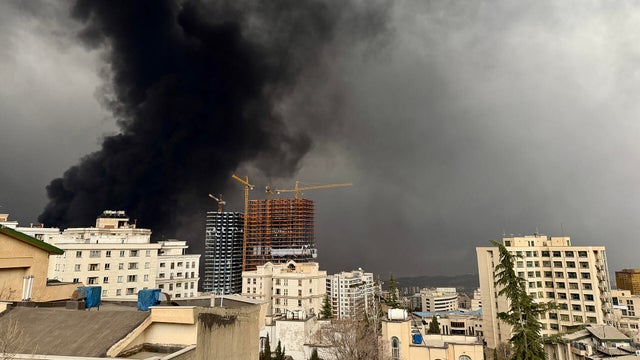
Trump says there's "practically nothing left" to target on Day 12 of war in Iran; legislative blockade threatened over SAVE Act.

"I think, overall, what's accomplished is remarkable," Sen. John Fetterman told CBS News chief White House correspondent Major Garrett in an interview Wednesday.

The Strait of Hormuz sees roughly 20% of the world's oil flow through it, and tankers are stalled on both sides of the narrow chokepoint amid suspected Iranian drone attacks, rattling oil markets. Mike Sommers, president and CEO of the American Petroleum Institute, joins "The Takeout" with analysis.
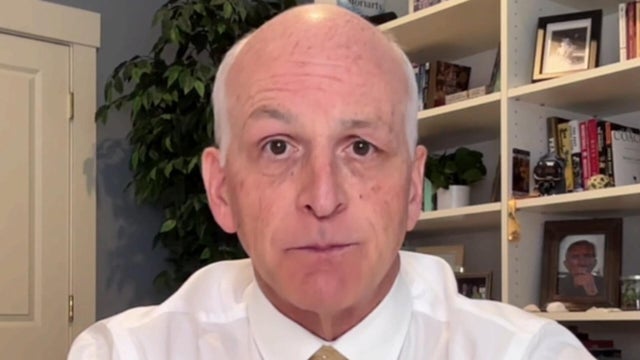
Rep. Adam Smith of Washington state, the ranking Democrat on the House Armed Services Committee, opposes the war in Iran and wants Congress to be much more involved in policymaking. Smith joins "The Takeout" with his perspective.

Republican Rep. Don Bacon of Nebraska is generally supportive of President Trump's war aims, but, like many in the House GOP, is uncertain about how the war will end, the direction of oil prices and future inflation risks. Bacon joins "The Takeout" to discuss how he thinks the conflict is going so far.

Sen. John Fetterman of Pennsylvania says he's the only Democratic voice in the Senate backing President Trump's decision to go to war with Iran. Fetterman joins "The Takeout" to discuss his stance, how he hopes to end the partial government shutdown and more.
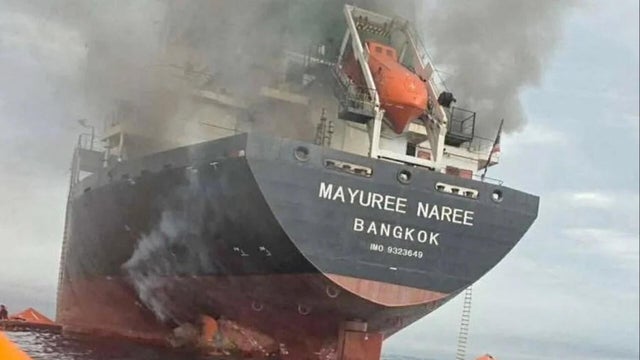
Suspected Iranian drones hit at least three ships in and around the Strait of Hormuz overnight as fighting in the vital shipping lane escalates. CBS News chief correspondent Matt Gutman reports from Tel Aviv, Israel.

CBS News has obtained an FBI bulletin warning law enforcement agencies in California that Iran "allegedly aspired" to launch drones along the West Coast. CBS News Bay Area reporter Katie Nielsen has the details. Then, former FBI Special Agent Jeff Harp joins with analysis.
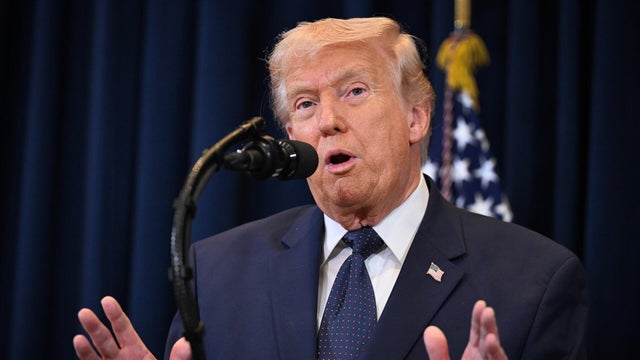
The Trump administration briefed the Senate Armed Services Committee on Tuesday about Operation Epic Fury, but questions loom around the White House's justification for the Middle East conflict. CBS News' Aaron Navarro has more.

Suspected Iranian drones hit ships near the Strait of Hormuz on Wednesday as U.S.-Israeli forces continued operations against Iran. CBS News foreign correspondent Holly Williams has the latest.
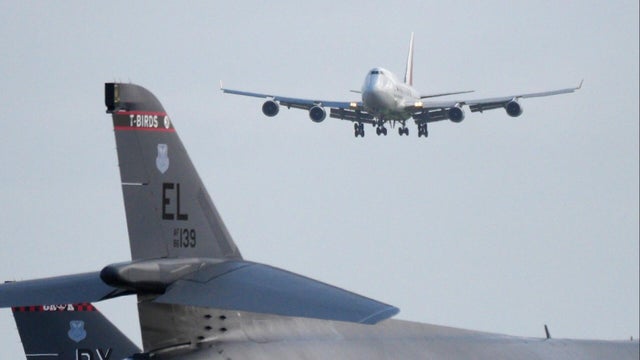
Three ships in the Persian Gulf reported a hit from suspected Iranian drones. It comes as the U.S. steps up attacks on the Iranian navy and both sides fight to control the Strait of Hormuz, a key waterway for global oil supplies. Matt Gutman has the latest.
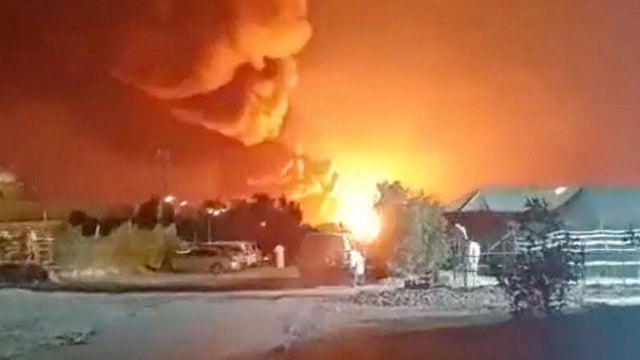
President Trump says the Iran war will end "very soon," but Tehran says it's "prepared to continue attacking" indefinitely, and it won't let oil leave the Gulf.
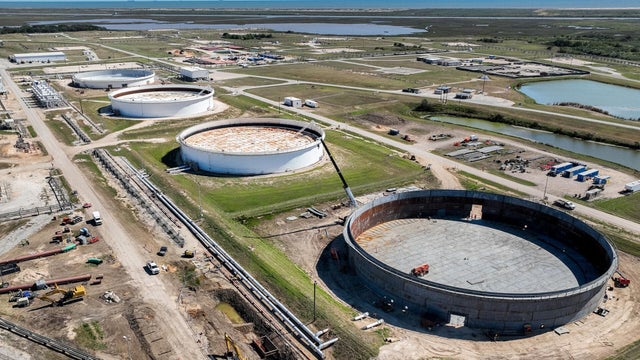
With oil exports through the Strait of Hormuz halted, the International Energy Agency is meeting with G7 countries about whether they should tap their strategic petroleum reserves. CBS News reporter Kati Weis is following the debate.

Iran's women's soccer team was branded "traitors" after declining to sing their national anthem at the Asian Cup in Australia, fueling fear for the women if they returned home.