U.N. nuclear chief warns of 2 major risks if U.S.-Iran deal not reached
The head of the U.N. nuclear watchdog agency says Iran's enriched uranium "is still there," as he stresses the urgency of diplomacy to avert a U.S.-Iran war.
Watch CBS News
The head of the U.N. nuclear watchdog agency says Iran's enriched uranium "is still there," as he stresses the urgency of diplomacy to avert a U.S.-Iran war.
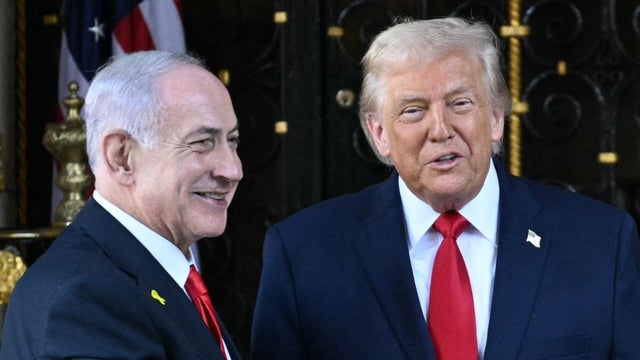
President Trump and Israeli Prime Minister Benjamin Netanyahu are set to meet Wednesday at the White House to discuss Iran. Dan Raviv, host of "The Mossad Files," joins with more on what to expect.
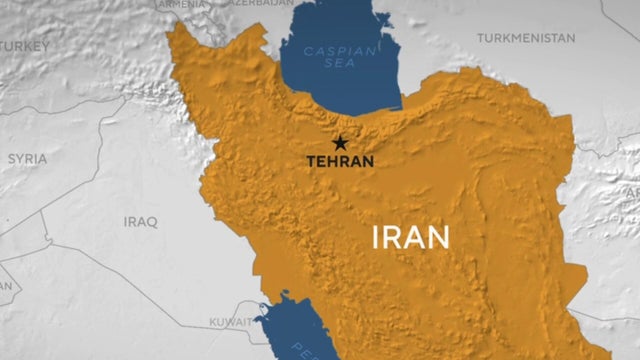
The U.S. and Iran are wrapping up indirect talks in Oman Friday over Tehran's nuclear program. CBS News senior foreign correspondent Elizabeth Palmer reports.
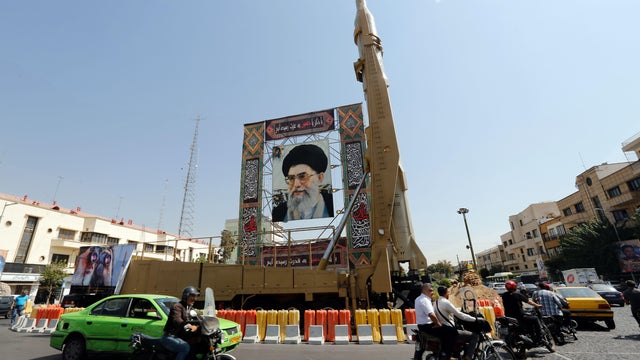
The Trump administration is lauding 3 European allies for triggering a mechanism to reimpose U.N. sanctions on Iran for noncompliance with a 2015 nuclear deal.
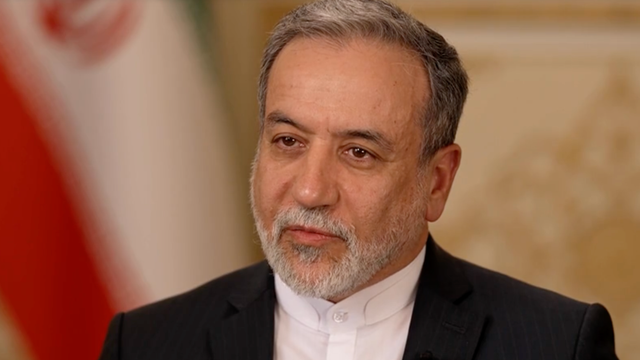
Iranian Foreign Minister Abbas Araghchi speaks to CBS News — his first interview with an American media outlet inside Iran since the U.S. strikes on the country's nuclear facilities — about what it would take to restart talks between the U.S. and Iran, whether Iran intends to continue enriching uranium, and more.
Iran said it launched retaliatory strikes targeting U.S. military bases in Qatar and Iraq. Qatar says it thwarted strikes and "successfully intercepted" missiles. Iran's announcement happened on Iranian state television and comes after President Trump launched airstrikes against Iran's key nuclear sites. John Dickerson anchored CBS News' special report.
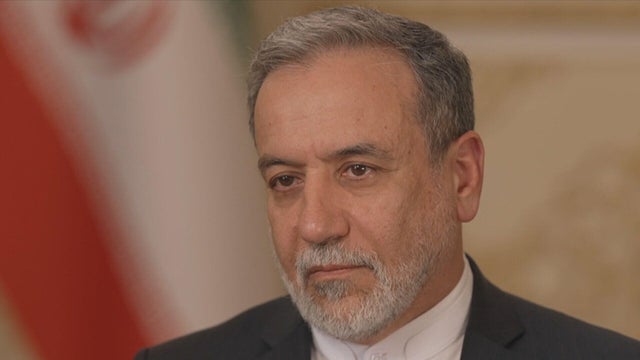
President Trump previously said diplomatic talks could resume as early as this week, but Iran's foreign minister said he didn't think they would "restart as quickly as that."
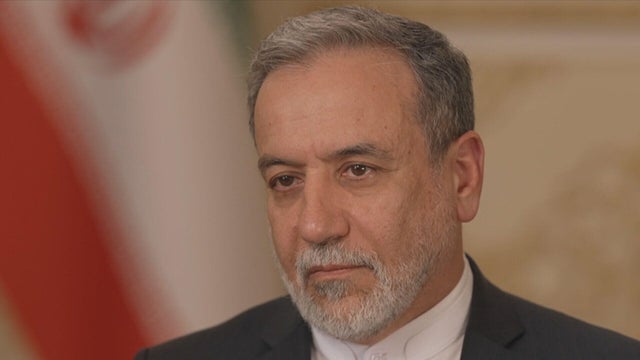
President Trump recently indicated diplomatic talks with Iran could restart as soon as this week after U.S. airstrikes on some of Iran's nuclear facilities. In an interview with CBS News senior foreign correspondent Imtiaz Tyab, Iranian Foreign Minister Abbas Araghchi seemed less certain about a speedy return to diplomacy.
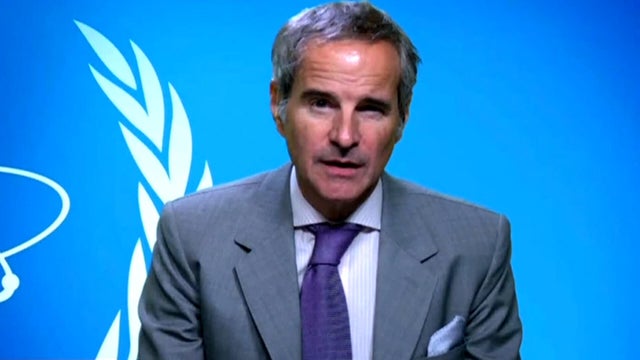
"It is clear that there has been severe damage, but it's not total damage," IAEA director general Rafael Mariano Grossi said on "Face the Nation with Margaret Brennan."
Missed the second half of the show? IAEA Director General Rafael Mariano Grossi and Iran's ambassador to the U.N. Amir-Saeid Iravani join and Imitaz Tyab reports from Tehran.
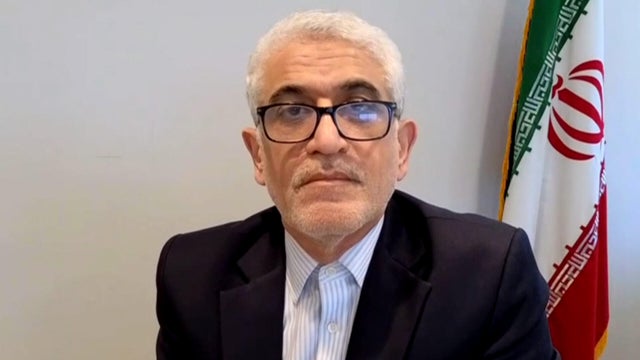
Amir-Saeid Iravani, Iran's ambassador to the U.N., tells "Face the Nation with Margaret Brennan" that Iran's nuclear enrichment "will never stop." "The enrichment is our right… and we want to implement this right," he said, as Iran is permitted to enrich uranium for certain purposes under the Non-Proliferation Treaty (NPT) which aims to prevent the spread of nuclear weapons.
Rafael Mariano Grossi, the director general of nuclear watchdog International Atomic Energy Agency (IAEA), tells "Face the Nation with Margaret Brennan" that intelligence out of Iran shows that the U.S. strikes caused "severe damage," but not "total damage." "Iran has the capacities there; industrial and technological capacities. So if they so wish, they will be able to start doing this again," Grossi said.
This week on "Face the Nation with Margaret Brennan," Democratic Sen. Mark Warner joins as President Trump turns his attention to his "one big, beautiful bill." Plus, taking a look at what comes next for Iran with the head of the IAEA, the watchdog agency who monitors nuclear capabilities in Iran, Rafael Mariano Grossi, and Iran's ambassador to the UN, Amir-Saeid Iravani.
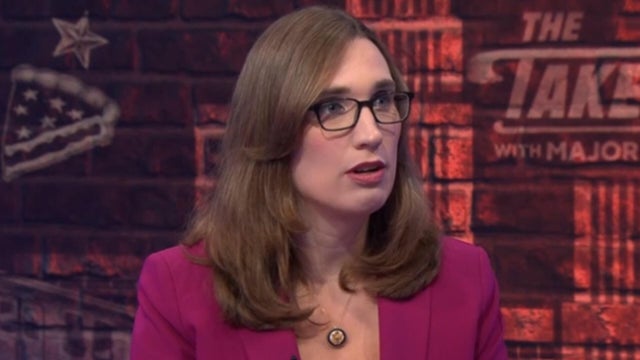
House members received a classified briefing on Iran on Friday. Republicans and Democrats had very different interpretations. Delaware Democratic Rep. Sarah McBride joins "The Takeout" to discuss.
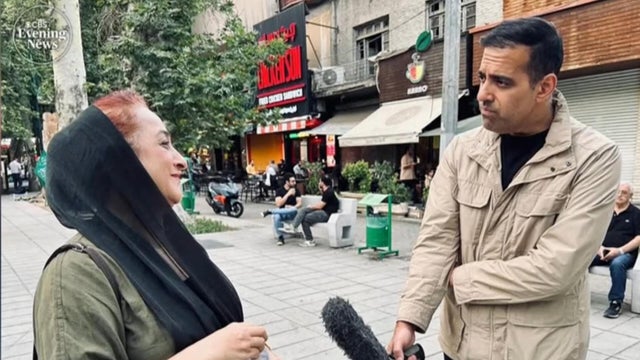
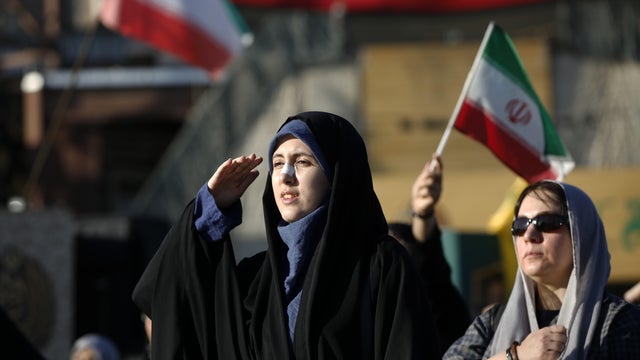
Iran's foreign minister admitted that U.S. bombs inflicted serious damage to the country's nuclear sites. CBS News senior foreign correspondent Imtiaz Tyab reports from Tehran on how Iranians are responding to the war with Israel and its aftermath.
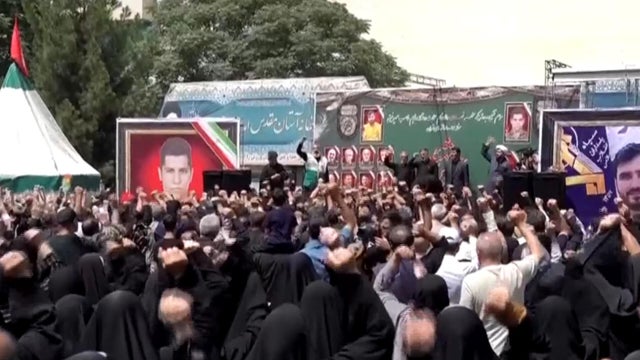
CBS News' Imtiaz Tyab reports from Tehran, where Iranian leaders say nuclear sites were damaged. The recent conflict with Israel has sparked rare unity across political divides in Iran.
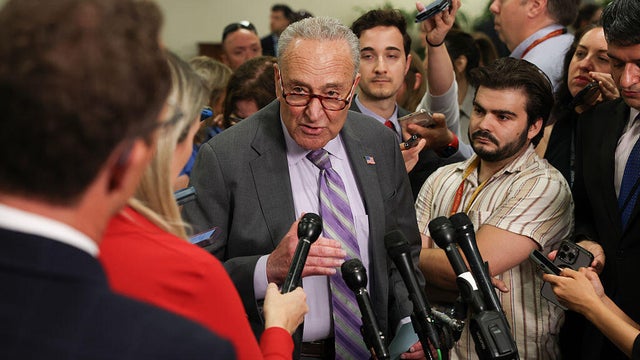
President Trump has repeatedly said that Iran's nuclear sites were "obliterated" and the program was set back by years.
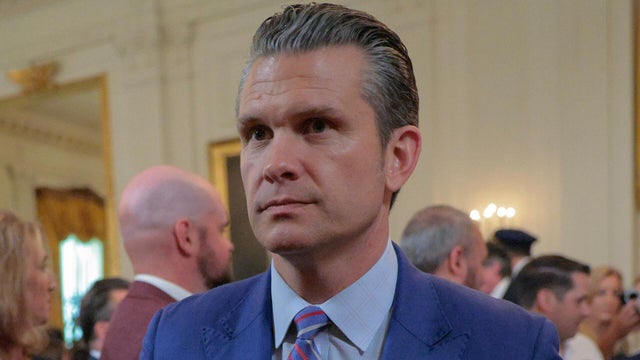
The Trump administration is defending its strikes on Iranian nuclear facilities as a complete success, even as some key questions remain. CBS News' Eleanor Watson, Nikole Killion and Willie James Inman have the latest reporting.
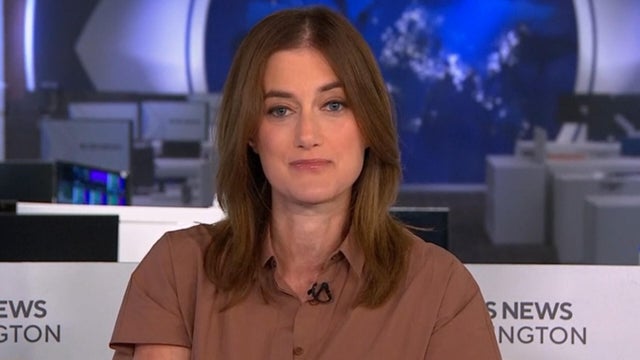
While U.S. and Israeli officials claim major setbacks to Iran's nuclear program, a leaked DIA report suggests only limited damage. Sam Vinograd joins us to sort through the mixed messages.
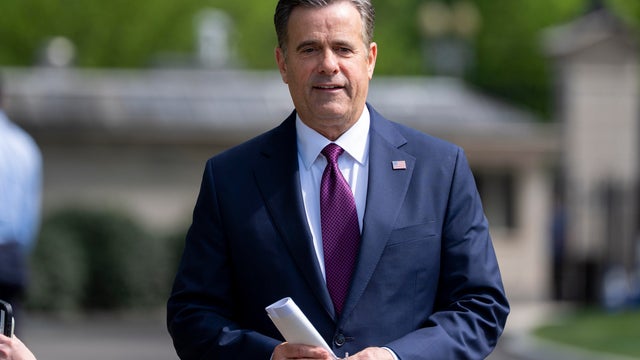
The CIA director says "credible intelligence" indicates Iran's nuclear program was "severely damaged."
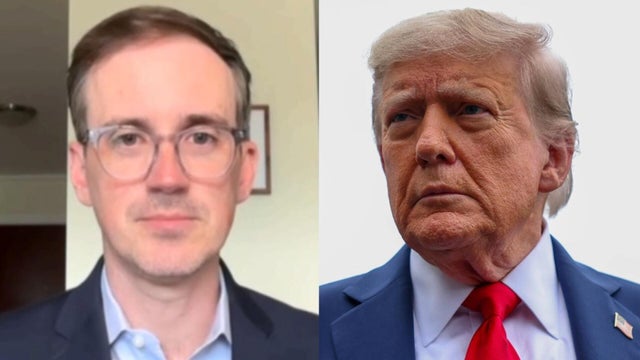
President Trump said Iran's nuclear program has been obliterated, despite a preliminary intelligence assessment suggesting otherwise. Former chief Pentagon spokesperson Chris Meagher joins "The Daily Report" to discuss.
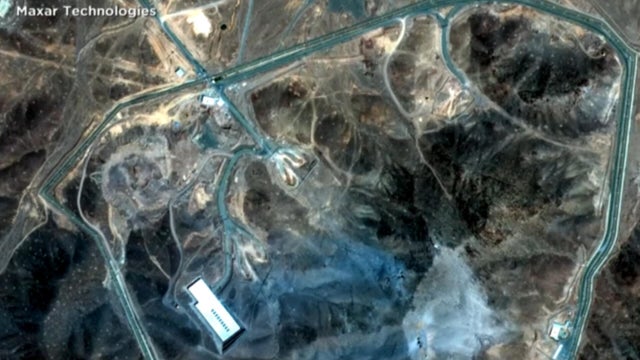
The White House is pushing back on the findings of a preliminary intelligence report that downplayed the success of President Trump's strikes on Iran. CBS News' Charlie D'Agata and Nancy Cordes have the latest details.
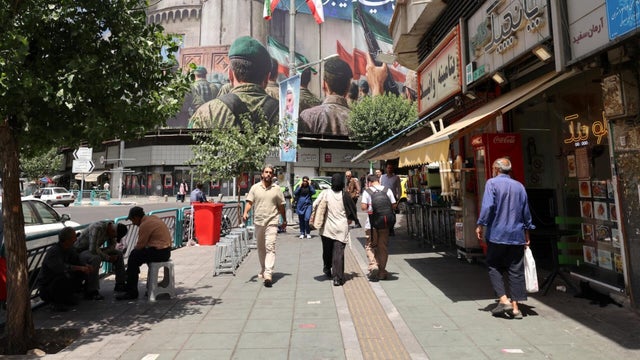
President Trump left the NATO summit on Wednesday after touting the ceasefire between Israel and Iran. There is cautious optimism in Iran that the ceasefire will hold. CBS News' Imtiaz Tyab reports from Tehran.
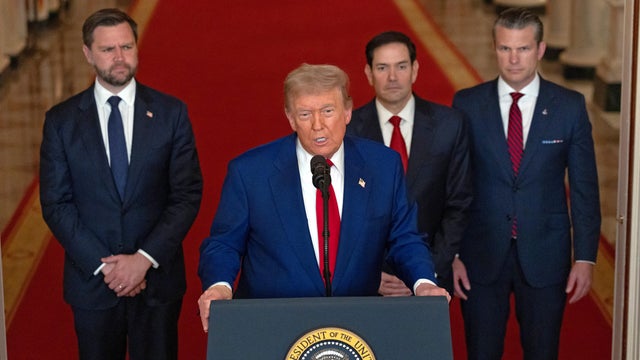
Most would see an Iranian nuclear weapon as a serious threat but also voice concern about a wider war.
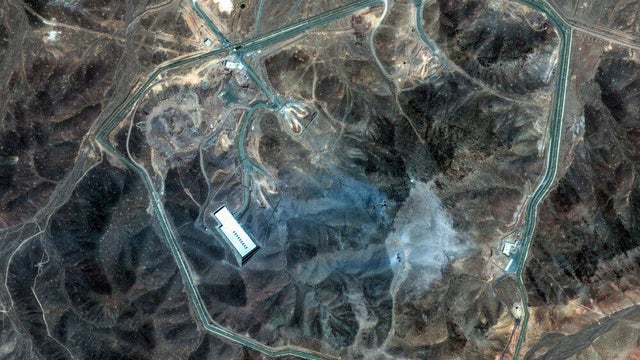
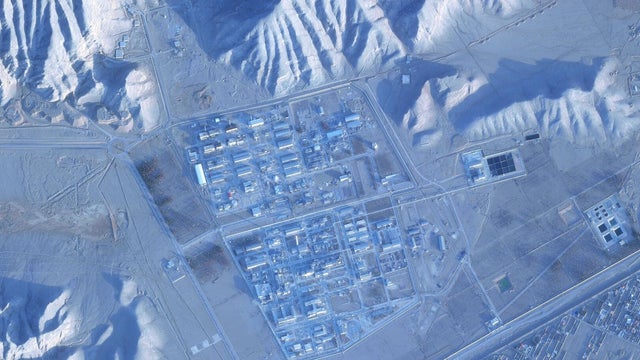
Satellite photos show the aftermath of U.S. strikes that dropped 30,000-pound "bunker-buster" bombs on Iran's Fordo nuclear facility and hit the Natanz and Isfahan sites.