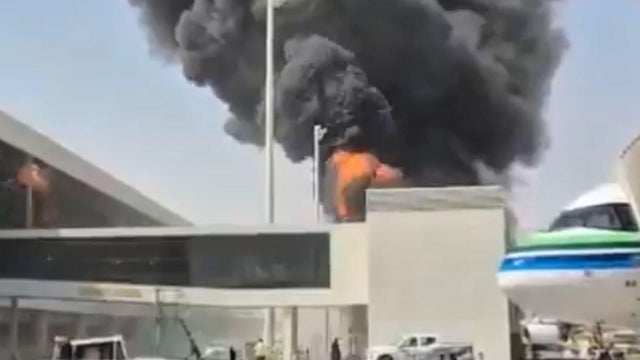
Saudi airport stays shut as Houthi attacks kill 20 people in a week
Trump considers joining Saudi attacks on Iran's Houthi allies in Yemen after a week of Houthi strikes kills 20 people, including an American, at Riyadh's airport.
Watch CBS News
Trump considers joining Saudi attacks on Iran's Houthi allies in Yemen after a week of Houthi strikes kills 20 people, including an American, at Riyadh's airport.

The strike on King Khalid International Airport, the deadliest on Saudi soil in more than a decade, marked a major escalation in the war between Yemen's Iran-backed Houthis and the kingdom.
Tensions flared in the Middle East following attacks by Iran-backed Houthi rebels on Saudi Arabia. Leigh Kiniry reports.
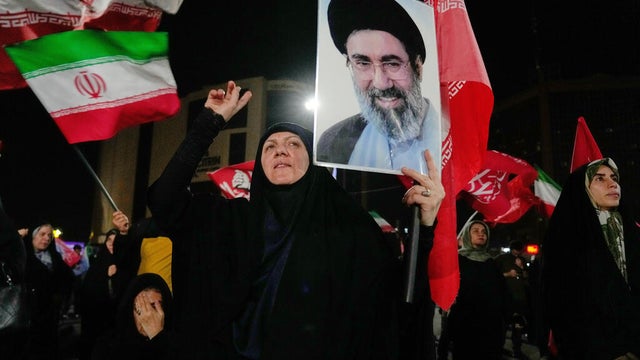
After Saudi Arabia said Iran's Houthi allies carried out another strike at Riyadh's airport, Iran called the U.S. effort to negotiate toward ending the war "insufficient."
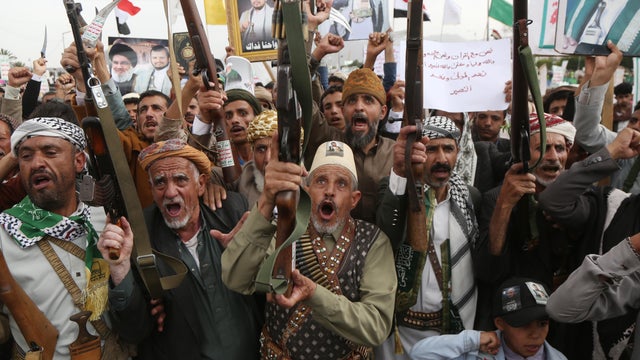
Iran's Houthi allies deny that they've lost ground to Yemen's Saudi-backed military, as oil prices ease despite the Middle East crisis erupting in a battle over control of another key waterway.
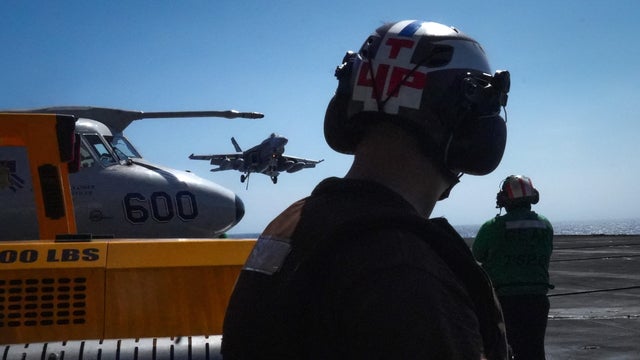
Vice President JD Vance, Secretary of State Marco Rubio and Defense Secretary Pete Hegseth were among the officials who met on Friday to discuss a path forward.
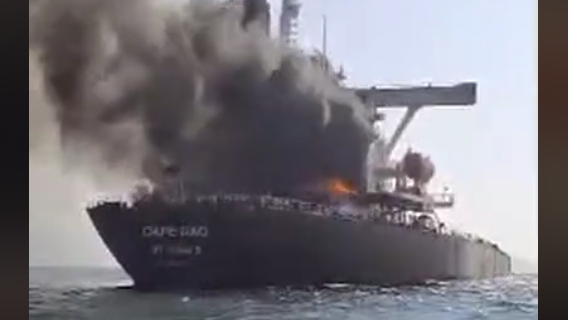
As Iran responds to Trump's threat of annihilation with its own warning of a possible "new front" in the war, global oil prices are rising again.
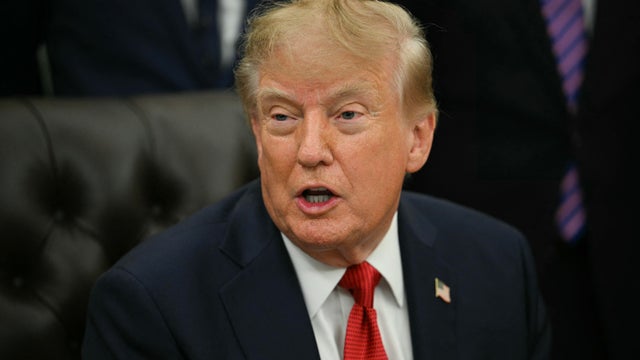
President Trump told the U.N. he's deciding whether to make a deal or drive Iran "into hell." Iran's president is slated to address the world body today, Iranian state media say.
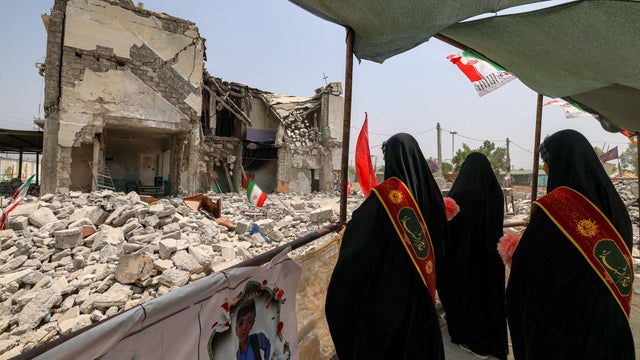
U.N.-commissioned rights experts say there are "reasonable grounds" to believe the U.S. committed war crimes with strikes that killed scores of Iranian civilians.
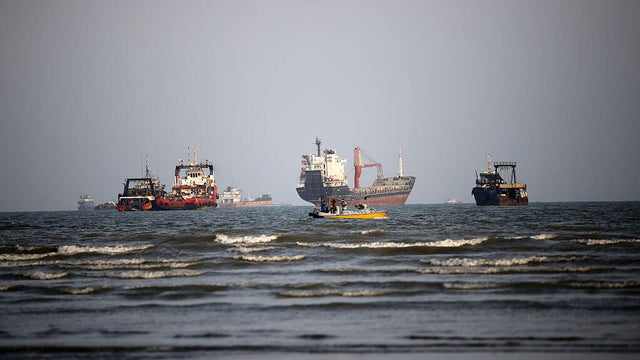
The alerts did not cite a specific threat, but called for Americans to "exercise heightened vigilance."
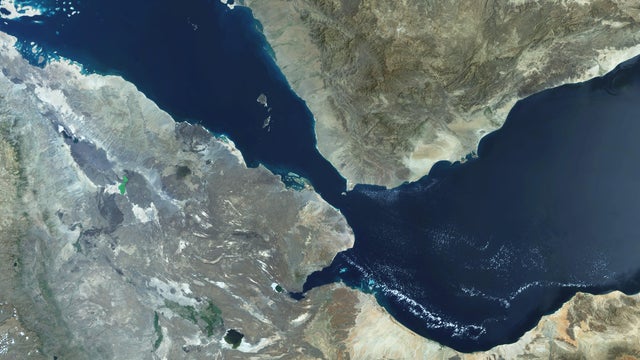
The Iran-backed Houthis expanded their control over the strategy Bab-el-Mandeb strait, as strikes continued in the Strait of Hormuz.
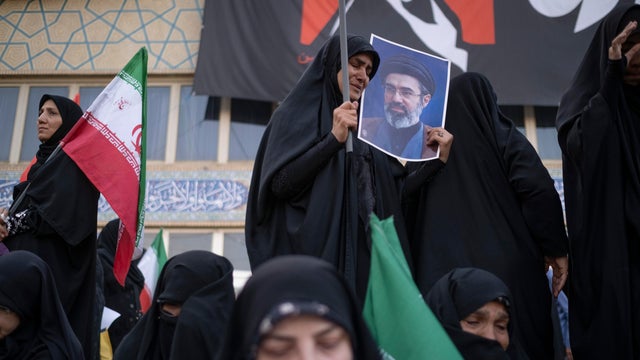
Iran has shrugged off President Trump's threat to hit the Islamic Republic with an "economic D-Day" as a "doubling down on failed policies."
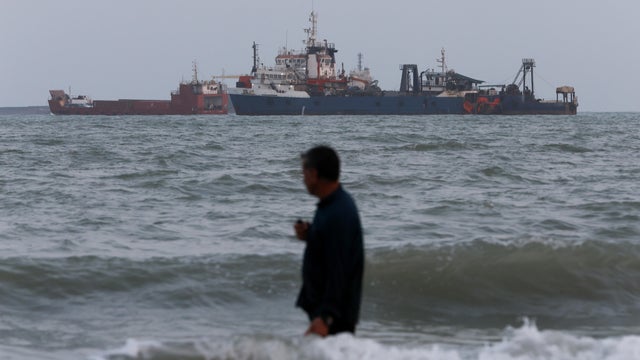
Tehran has asserted that the Strait of Hormuz is "under Iran's control and management" after President Trump said the U.S. might "keep it."
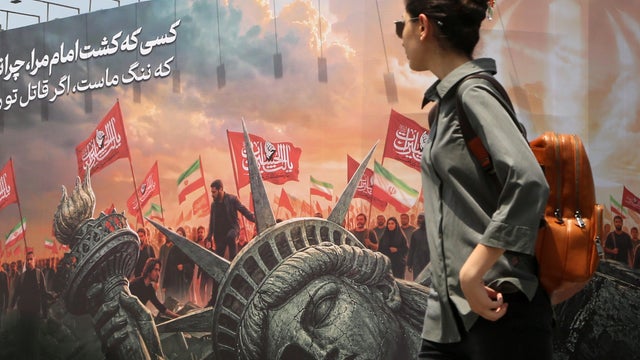
The United Arab Emirates' Abu Dhabi National Oil Company said one of its ships was targeted while transiting the strait.
U.S. Central Command released new video it said to show fighter jets launching what it described as a "heavy wave" of strikes against Iran. It was the first resumption of strikes in several days. The U.S. said it was in direct retaliation for the recent missile attack on U.S. forces in Jordan. Charlie D'Agata reports.
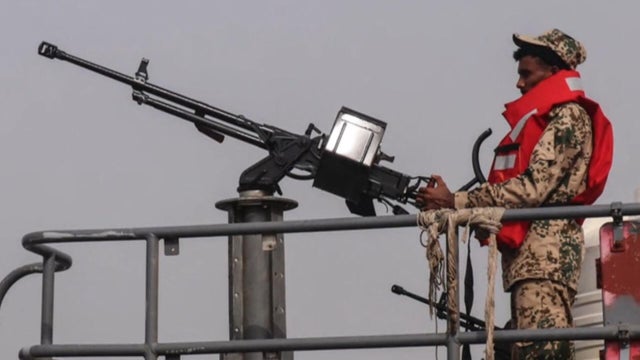
The ongoing conflict between Saudi Arabia and Houthi fighters is escalating amid a new wave of attacks. CBS News' Courtney Kealy breaks down what it means.
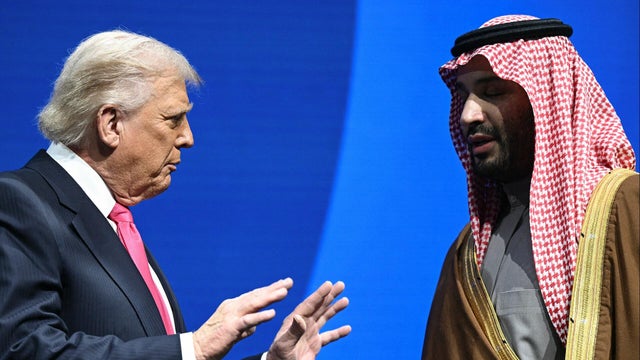
After signing a nuclear accord with Saudi Arabia, President Trump says that the agreement hinges on the Saudis establishing diplomatic relations with Israel, which they have refused to do. CBS News chief foreign affairs correspondent and "Face the Nation" moderator Margaret Brennan has the latest. Then, former CIA Deputy Assistant Director for Counterterrorism Joe Zacks joins with analysis.
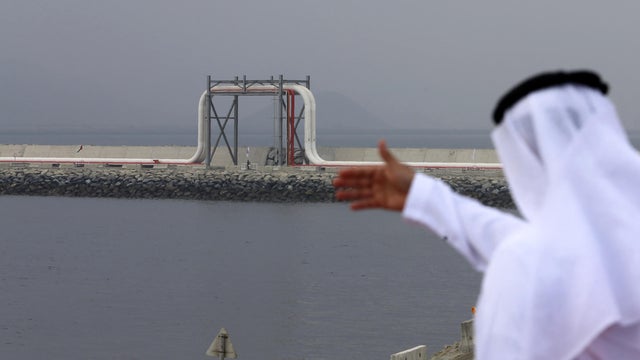
As Iran's attacks keep ship traffic through the Strait of Hormuz to a trickle and oil prices surge, Gulf states are planning to invest billions in pipeline alternatives.
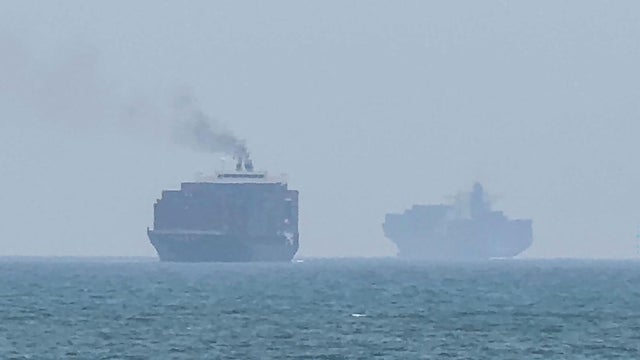
Despite U.S. assertions, the CEO of a maritime risk firm says "there is no guarantee of safe passage" through the Strait of Hormuz.
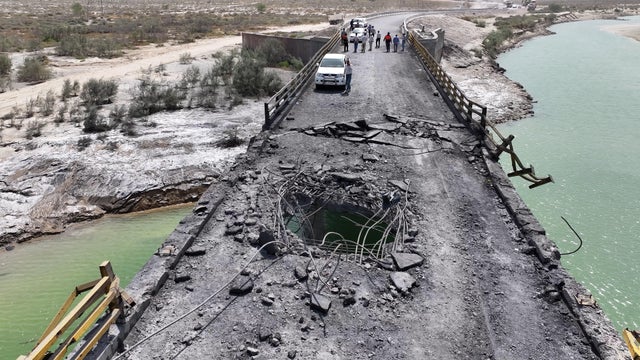
Two U.S. service members were killed earlier in Jordan and a third was missing in action, the U.S. Central Command said.
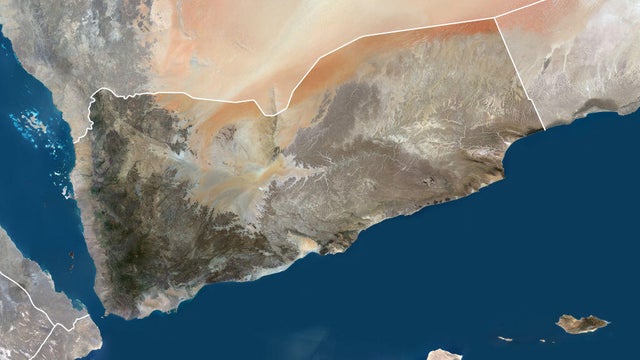
Both incidents were reported near the port city of Hodeidah, which is under control of the Iranian-backed Houthi rebel group.
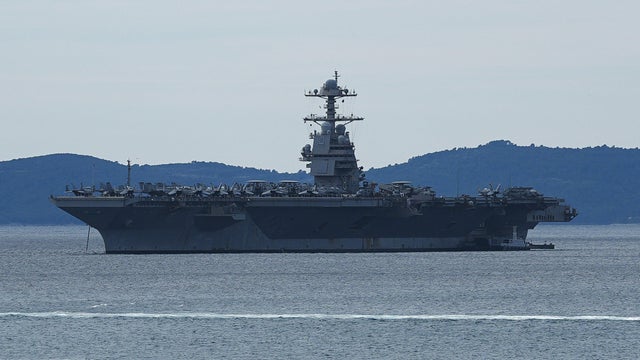
The USS Gerald R. Ford aircraft carrier is expected to leave the Middle East in the coming days, a U.S. official confirmed to CBS News.
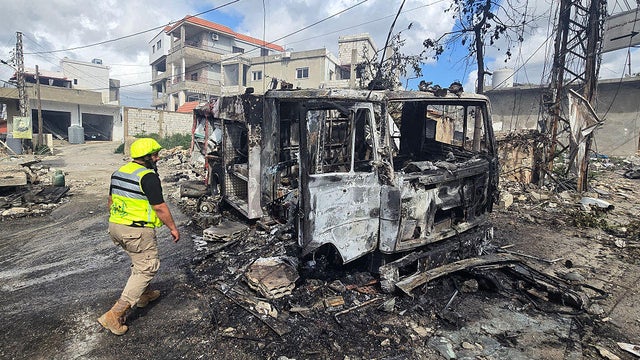
Energy markets remain volatile as President Trump threatens Iran with an invasion to seize its oil while also suggesting a deal could soon end the war.
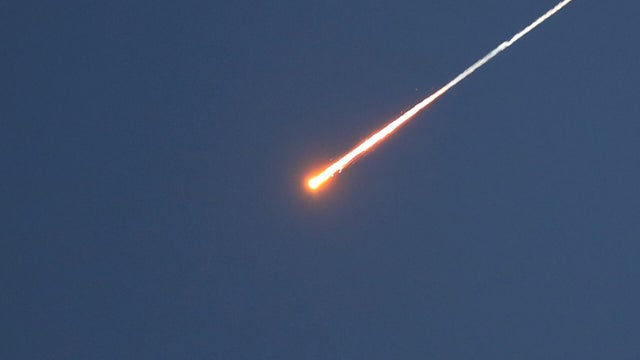
The Houthis, an Iranian-backed militant group in Yemen, entered the widening conflict in the Middle East Saturday, launching an unsuccessful missile attack on Israel. Meanwhile, about 3,500 more U.S. troops have arrived in the Middle East. Holly Williams reports.
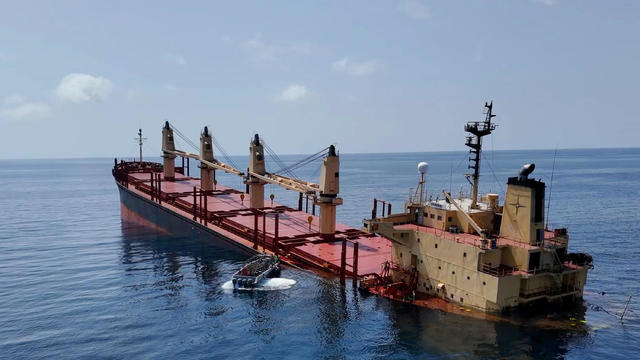
Iran has a stranglehold on the Strait of Hormuz, and as pressure mounts, it's threatened to target another vital Middle East shipping lane, the Bab el-Mandeb Strait.