7/18: CBSN AM
Trump incites racist chants at campaign rally; Too much Tupac?
Watch CBS News
Trump incites racist chants at campaign rally; Too much Tupac?
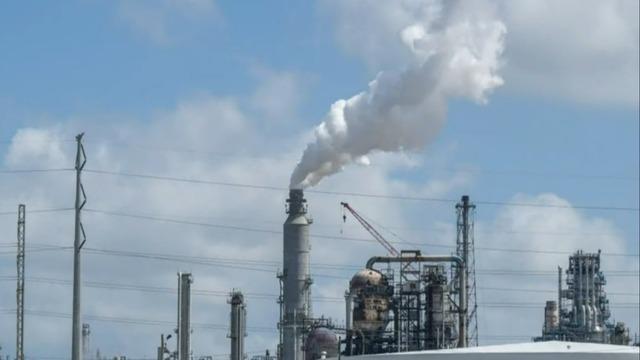
A new report by the World Meteorological Organization says there's a 48% chance that global temperatures will reach 1.5 degrees Celsius of warming over the next five years. Data shows a 93% chance that the Earth will experience record heat over that same time period. CBS News senior national and environmental correspondent Ben Tracy joins CBS News to discuss.
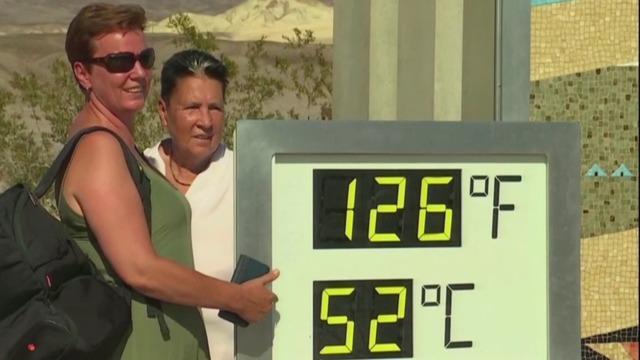
California is in its fifth day of record-breaking heat, with power grids stressed and cities preparing for rolling blackouts. Jeff Nguyen reports from Los Angeles.
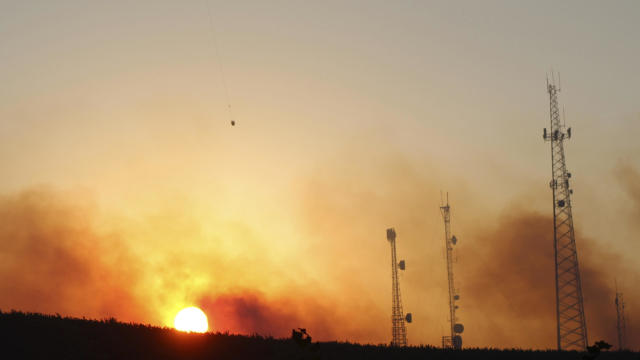
Utility provider Portland General Electric halted power to 37,000 customers Saturday in the hopes of lessening wildfire risk.
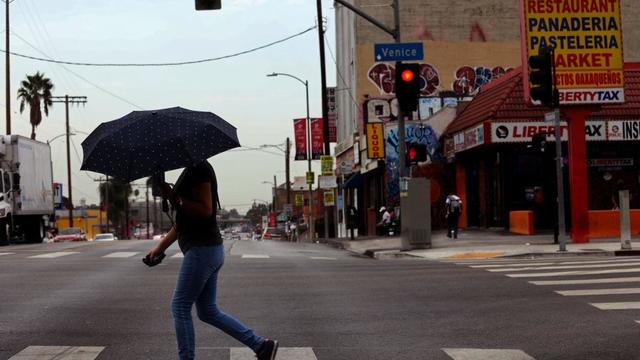
Parts of Southern California were lashed by severe winds from a tropical storm that brought high humidity, rain and possible flooding to the parched region but also the promise of cooler temperatures after a 10-day heat wave.

Heat was "likely a contributing factor" to Tim Sgrignoli's death, officials
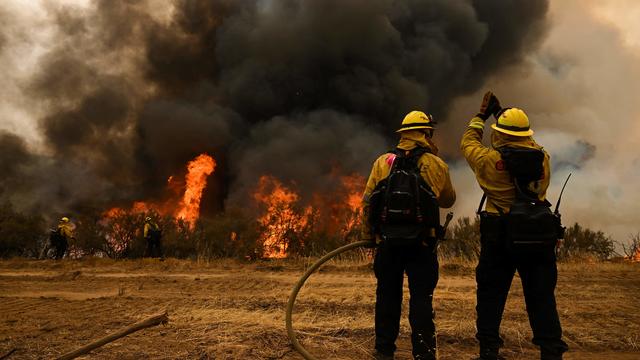
Despite the stress the heat wave has placed on California's power grid, the state has so far avoided ordering rolling blackouts.
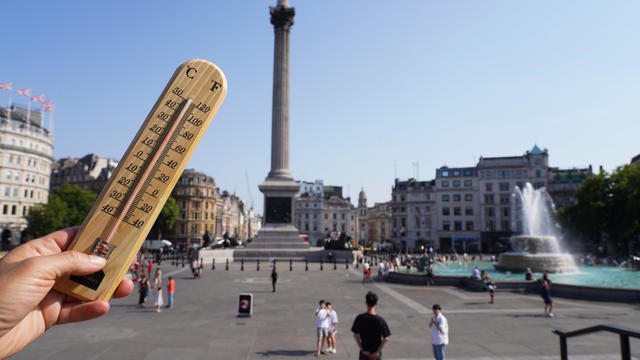
Blistering heat, devastating droughts and raging wildfires were all part of Europe's hottest summer on record.

California's power grid is being pushed to its limits by a major heat wave that won't let up for at least a few more days. Firefighters are dealing with the high temperatures and dry conditions that are fueling wildfires across the state. CBS News correspondent Carter Evans reports from Los Angeles.
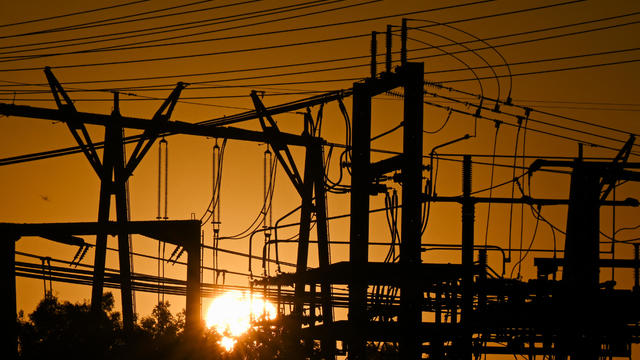
A record-setting heat wave is making life miserable in the West.
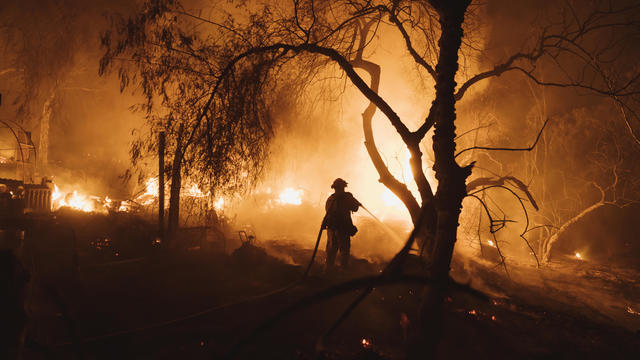
More than 58 million people are under excessive heat warnings and advisories in seven states, including almost all of California.

This week on "Face the Nation," warning signs about new coronavirus cases, extreme weather affecting tens of millions and a threat to Russia following the latest cyberattack.
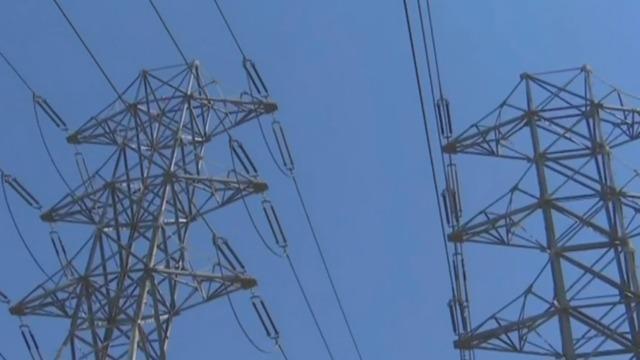
Southern California continues to deal with triple-digit temperatures. And in Northern California, a fast-moving wildfire has killed two people. Carter Evans reports.
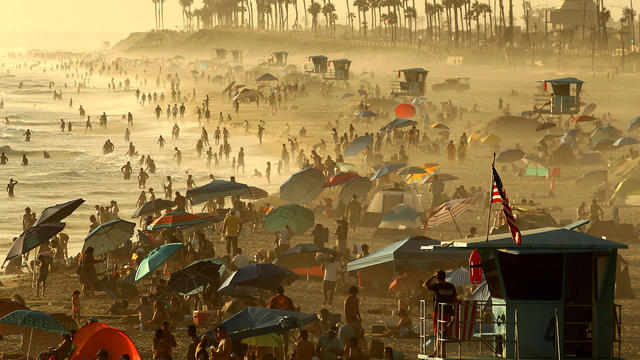
The state is preparing for rolling blackouts on Tuesday as forecasters predict the heat wave will continue to smash its own records.
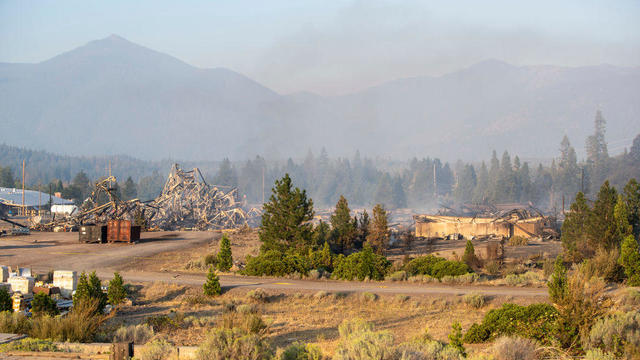
In California, temperatures hit the triple digits for the sixth straight day Monday.
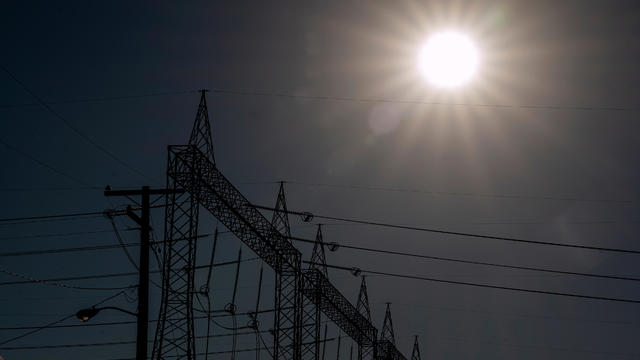
"This is about to get significantly more intense," utility official said as the mercury in some parts of the state hits 115 degrees.

"With many communities hit with 1,000-year floods, exceptional drought and historic heat this year, it shows that the climate crisis is not a future threat but something we must address today," one NOAA administrator said.
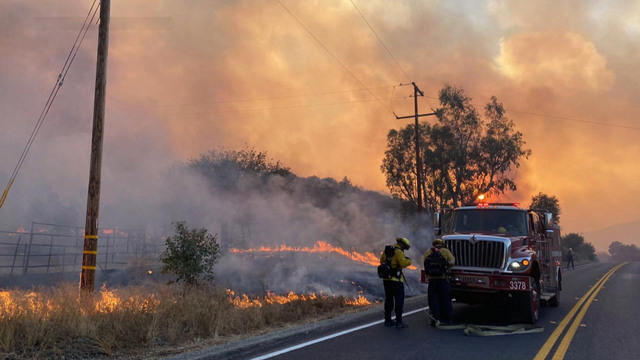
California is on high alert as several wildfires have erupted near Los Angeles and San Diego amid a sweltering heat wave expected to last for the next week. Jonathan Vigliotti reports.
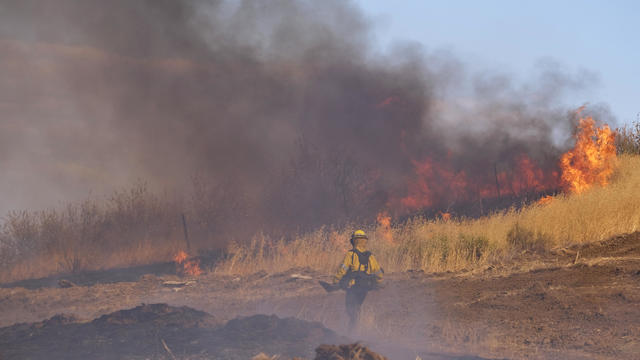
California Gov. Gavin Newsom declared a state of emergency Wednesday to increase power production, and urged residents to reduce electricity use.

The late-summer heat wave comes as 50 million people across U.S. sweat under extreme heat advisories and warnings.
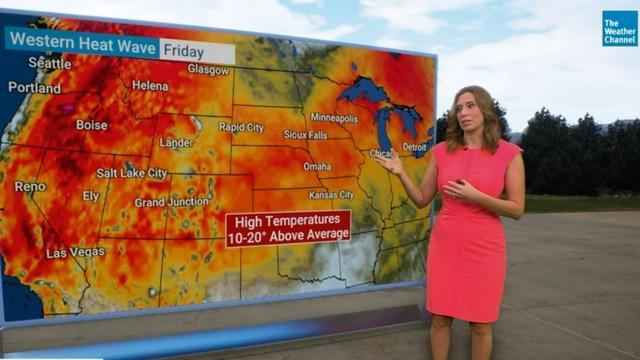
California and other western states are in for a scorching hot holiday weekend, with temperatures 10 to 20 degrees above normal. Weather Channel meteorologist Stephanie Abrams joins CBS News' Lana Zak with the forecast.

Producers in the country's wine regions are scrambling to find grape pickers due to the early start, but while the heat will have an impact, there's no panic.
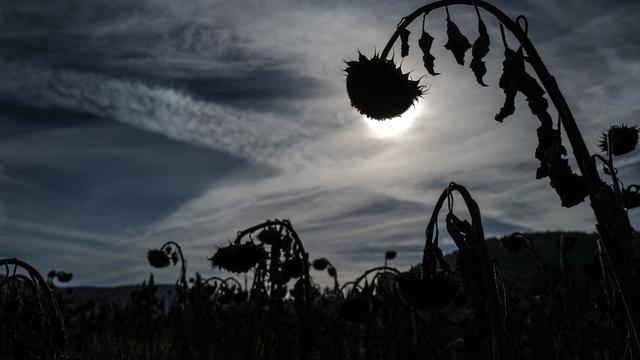
Extreme heat and a lack of precipitation have plagued Europe for months, causing rivers to shrivel up, crops to die and wildfires to scorch people's homes.

As record-high temperatures continue to impact economies as well as the health of individuals, officials are working to find new ways to address the problem. Enrique Acevedo speaks to local officials in Spain and Florida on their plans.
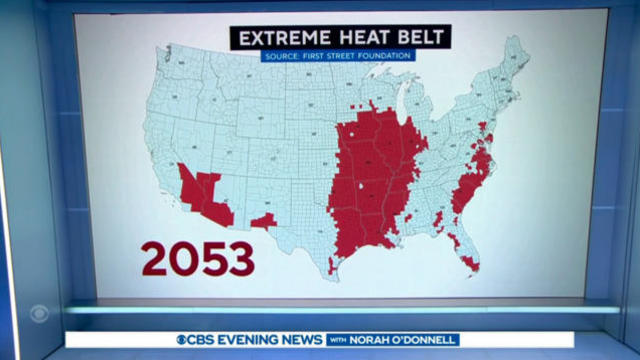
By 2053, more than 100 million Americans will live in an extreme heat belt, according to the nonprofit First Street Foundation. Those who live in the South and in the area from Texas to the Wisconsin border could see temperatures of 125 degrees at least one day per year.