Watch CBS News

Oil giants see profits surge amid Iran war

America's biggest oil companies are reporting massive profits as the Iran war continues to disrupt global energy supplies. CBS News business contributor Javier David joins with analysis.
Jul 31 (03:45)

TRANSCRIPT FOR: “OIL GIANTS SEE PROFITS SURGE AS IRAN WAR DRIVES ENERGY PRICES HIGHER”

ELIZABETH COOK:
00:00:00

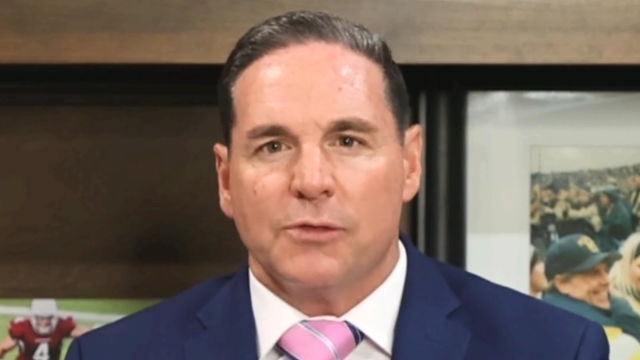
America's biggest oil companies are reporting massive profits as the conflict between the US and Iran continues to disrupt global energy supplies. Chevron posted its highest quarterly profit in six years, quadruple its profits from a year ago, while Exxon also reported second-quarter profits of over $14 billion. That's double from a year ago. Let's bring in CBS News Business Contributor Javier David. Javier, what's driving these record profits for oil companies? I know they don't set the global prices, but they're not mad at them either. Well, clearly. Oil and gas companies basically are just like any other. The higher the price of the good or service they provide, the more money they make. So Chevron and Exxon, needless to say because of all the volatility that we've seen from the war in Iran and how that has affected oil prices, have seen both double-digit jumps in revenue, triple-digit gains in their profits. Again, as you mentioned, they don't set the price of oil-- they can't force it to go higher. But what they are able to accomplish is reap the rewards of what happens when prices inevitably rise, just as when they fall, they have a really hard time making money and producing the way that they would otherwise. So it's not the popular answer, but it's just the dynamics of how the market works. Meanwhile, the Trump Media and Technology Group is expected to report last quarter's earnings very soon. What are we going to be looking for in that report? Yeah, look, it's a volatile stock with a rather kind of unusual and controversial business model. It's a social-media company that basically monetizes the public declarations of the president of the United States. They've branched out into other markets like crypto and fusion power recently. So we're looking or interested to see whether or not they're able to make any more moves in any of those sectors. But the stock has been, again, very volatile. The primary thing that people have been watching is that it has increased the wealth of the Trump family. Forbesestimates that since June, when the stock hit an all-time low of $7 per share, the rally since then has been about nearly 50%. That has translated into a $600-million increase in wealth for the Trump family. Keep in mind that the stock debuted at about $70 per share, so very far off from those levels, clearly. But the best way to think of this company and the stock is kind of a barometer of the president's political fortunes, which have waxed and waned in large measure based on two key themes, the war in Iran as well as the perceived state of the economy. And this weekend, Javier, the president's Truth Social platform will start offering early access to posts for a price, and that's sparking some major legal questions, namely insider-trading concerns. Can you break this down for us?

JAVIER DAVID:
00:02:42

Yeah, so as you mentioned, they're offering paying clients, quote, unquote, real-time access to the highest-ranking Truth Social accounts, which, of course, includes that of the president himself. It would mean for the cool price of what is reportedly $100,000 per month, those investors would, in fact, get a sneak peek at potentially market-moving posts. And so the strongest critics, mainly congressional Democrats, view this as a form of insider trading by another name. They've asked regulators to probe it as such. And to contextualize this, there have been Wall Street advisory firms that charge clients a premium for privileged information. There's one in particular, one that we used to follow a lot called Medley Advisors. They billed themselves as a macro research firm that was very connected to the Fed, and they had these research notes that would go to paying clients that would routinely move markets. But in the case of Truth Social, it's very unusual. Paying clients would get access to the president's decisions before everyone else did. It raises basic questions of fairness, propriety, and legality that make a number of people uncomfortable.

ELIZABETH COOK:
00:03:42

Javier David, always great to talk to you. Thanks so much.

View CBS News In
CBS News App Open
Chrome Safari Continue