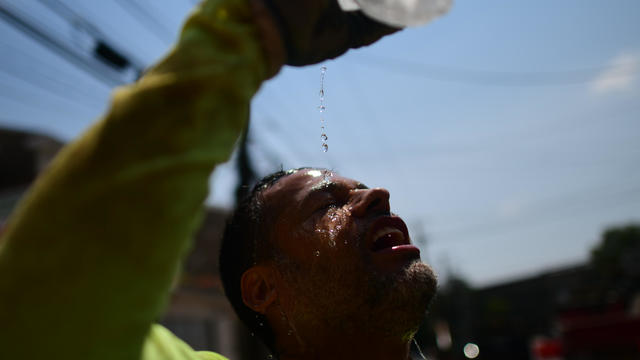
A third of Americans will soon live in dangerously hot areas: report
Researchers project that more than 100 million people will soon live in regions where the heat index reaches 125 degrees.
Watch CBS News
Researchers project that more than 100 million people will soon live in regions where the heat index reaches 125 degrees.
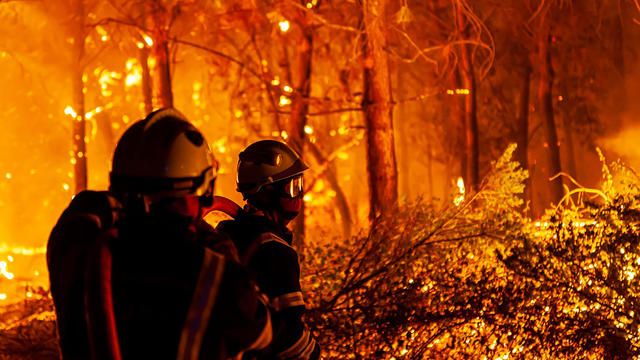
With record heat turning brush and farmland into a tinderbox across much of Europe, wildfires are tearing across France, Spain and Portugal.

The United Kingdom is so hot and dry, the source of the River Thames has dried up for the first time since at least 1976.

Much of Europe is sweltering under historic heat waves and parched conditions hitting everything from agriculture to transport.

"Hopefully downstream we will find the Thames, but at the moment, it's gone," said one tourist who had come, hoping to see the origin of the iconic English river.

Experts shared their major do's and don'ts for keeping cool during high temperatures — with and without air conditioning — with CBS News.

The River Po has been running dry as it faces its worst drought in 70 years.

As the mercury soars, delivery drivers at the shipping company complain about a lack of AC and the punishing work pace.

A heat wave coupled with high humidity is gripping much of the country, as many in Kentucky deal with the aftermath of devastating flooding amid the sweltering conditions. Justin Micheals from The Weather Channel has more.

In Oregon, 14 deaths are being investigated as possibly heat-related.

Author Jeff Nesbit says we're facing the end of the world as we know it unless we start addressing the causes of climate change. He sat down with Tanya Rivero for "Red and Blue" to discuss his new book "This Is the Way the World Ends: How Droughts and Die-offs, Heat Waves and Hurricanes Are Converging on America."

Residents and officials in the Northwest have been trying to adjust to the likely reality of longer, hotter heat waves following last summer's deadly "heat dome" weather phenomenon that prompted record temperatures and deaths.
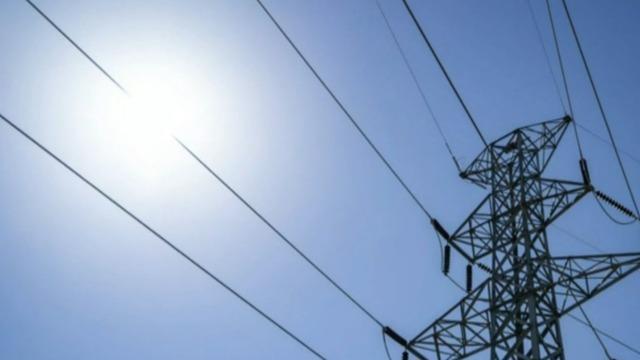
There are growing concerns over heat related deaths caused by the high temperatures sweeping across the nation. The Centers for Disease Control and Prevention estimates more than 700 hundred people die each year from extreme heat in the U.S. Kristie Ebi, professor at the center for health and the global environment at the University of Washington discusses this growing threat.

The forecast showed no sign of letting up soon in a region unaccustomed to such temperatures.

A dangerous heat wave has left millions of Americans living under advisories and warnings as California's Oak Fire has burned over 14,000 acres and forced thousands to evacuate. Arizona Rep. Raúl Grijalva joins CBS News to discuss how climate change elevates the risk of these severe weather events.
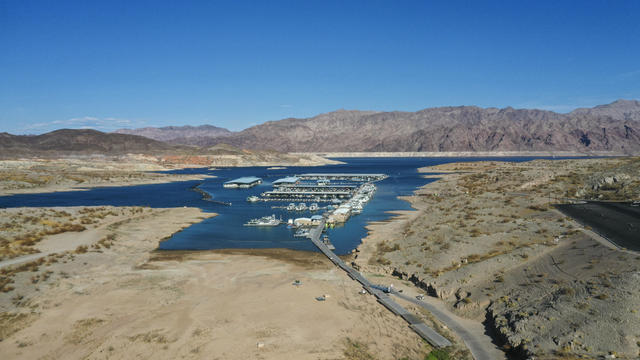
Driven by climate change, heat waves and drought go hand in hand. And in one U.S. city, heat kills as many people as homicide.

"We could wind up with a Phoenix of the future that's cooler than the one we have today, even as global warming continues."

The United Kingdom recorded temperatures well above 100 degrees Fahrenheit this week.
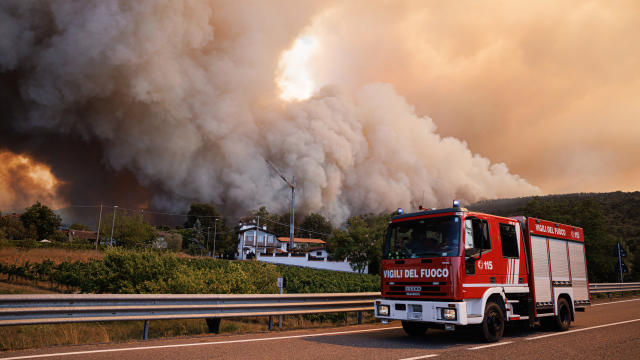
While record-setting temperatures have subsided, wildfires and Italy's worst drought in decades are still putting lives at risk.

President Joe Biden Wednesday announced a suite of executive actions to come to combat climate change, but held off on declaring a climate emergency. Richard Spinrad, administrator for the National Oceanic and Atmospheric Administration, joined "Red and Blue" to discuss the impact of climate change.

President Biden is moving forward with his climate agenda without the full support of Congress. On Wednesday, he announced that he plans to sign a series of executive actions to combat the issue. CBS News chief White House correspondent Nancy Cordes joined John Dickerson to discuss.

Vedder's throat was damaged while playing the Lollapalooza Paris festival, the band said

Drought conditions driven by weeks of triple-digit heat are turning Texas into a tinderbox.

Northwestern parts of Europe are seeing some relief today as the high temperatures shift east. CBS News correspondent Elaine Cobbe explains how leaders are responding to the weather crisis.

Melting airport runways, crop failures and lower economic output are likely to become commonplace with more frequent heat waves.