U.S. economy slowed in second quarter as Iran war weighs on growth
Economic activity weakened between April and June as energy costs surged, new government data shows.
Watch CBS News
Economic activity weakened between April and June as energy costs surged, new government data shows.

Although the five-week soccer tournament starting on Thursday is the largest sporting event ever, the U.S. economic gains are likely to be muted.
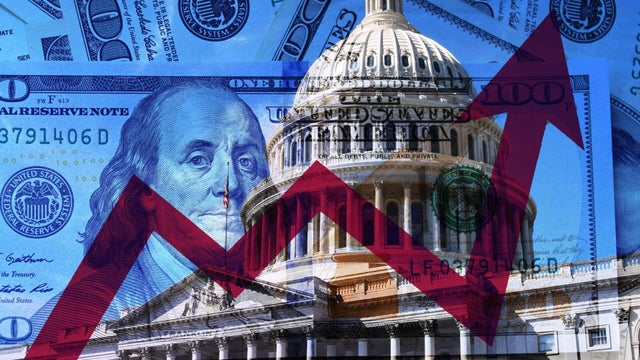
The U.S. debt is exceeding the country's gross domestic product for the first time since World War II. CBS News contributor Javier David has more.

The AI boom propped up U.S. economic growth in the first quarter, but inflation due to the Iran war is casting a cloud.

A simple reason explains why U.S. economic growth seemed to hit a wall in the final three months of the year.

Economic growth blew past forecasts in the third quarter despite ongoing concerns about jobs, tariffs and inflation.

The U.S. economy picked up speed in the second half of the year, although job growth and inflation remain a concern, economists say.

The Labor Department was scheduled to release its weekly jobless claims on Thursday, but the agency withheld that report because of the government shutdown. Despite that, the ADP National Employment Report, which looks at the private sector in the U.S., is offering a different glimpse into the job market. CBS News MoneyWatch correspondent Kelly O'Grady breaks down the findings.

The country's GDP increased at an annual rate of 3%, a sharp turnaround from earlier this year when it fell 0.5%.

New GDP data shows the U.S. economy shrank at an 0.5% annual pace from January through March, the first quarterly drop in three years.

President Trump and his administration navigated some alarming points in the nation's latest gross domestic product report by blaming the previous administration and explaining how trade preparations ahead of tariffs may have impacted the data. CBS News' Natalie Brand reports.