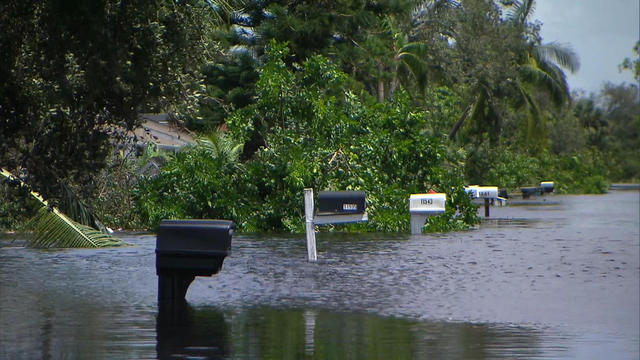
Floridians return to flooded homes
Florida's largest power company is using a "military-type" operation and more than 19,000 workers to restore electricity after Hurricane Irma. Jonathan Vigliotti reports from Bonita Springs on recovery efforts.
Watch CBS News
Florida's largest power company is using a "military-type" operation and more than 19,000 workers to restore electricity after Hurricane Irma. Jonathan Vigliotti reports from Bonita Springs on recovery efforts.
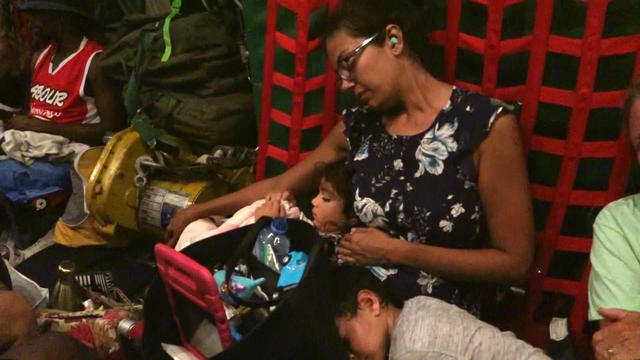
In the Dutch territory of St. Martin, many of the buildings were damaged after Hurricane Irma hit. Around 6,000 Americans had to be rescued from the island, many by air. Tony Dokoupil traveled with the Puerto Rican National Guard to St. Martin.
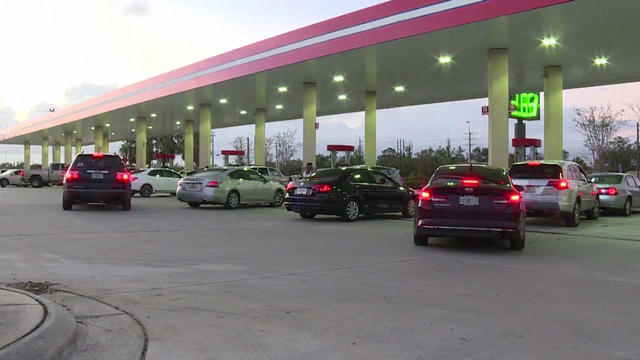
Florida is facing a fuel crisis in the wake of Hurricane Irma. Gas shortages along with blocked roads and traffic delays are making the drive home difficult for many evacuees. Adriana Diaz reports from Orlando.
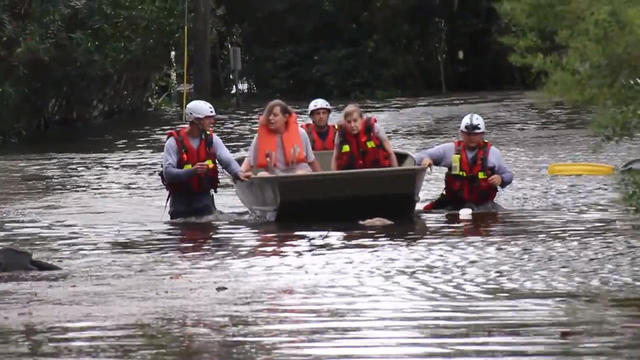
Hurricane Irma caused some of Jacksonville's worst flooding in more than 150 years. Water from the St. Johns River and Atlantic Ocean rose into the downtown area and several neighborhoods. The Coast Guard and firefighters rescued dozens of people. Jericka Duncan reports from Jacksonville, Florida.
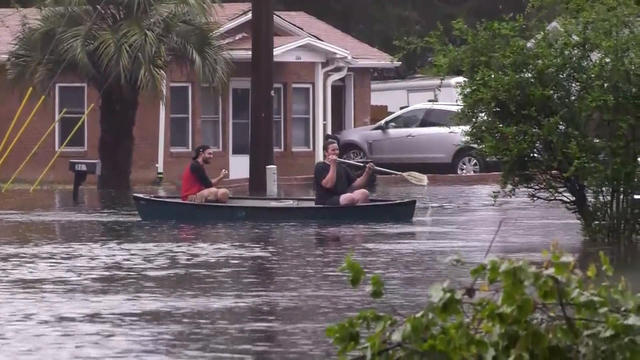
As Tropical Storm Irma moved north, it caused severe coastal flooding in Georgia and South Carolina. David Begnaud reports from Charleston where the storm surge was one of the highest-recorded in nearly a century.
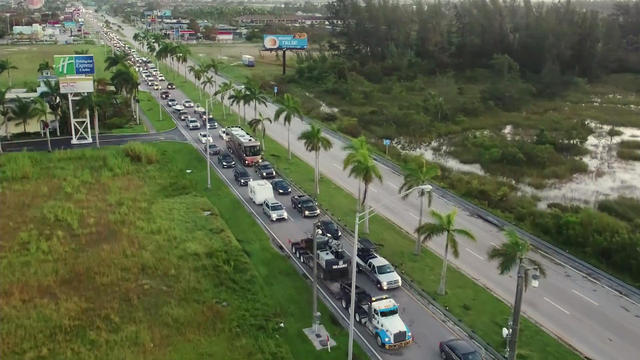
Most of the Florida Keys have no running water or communication, and almost 53,000 are without power. Route 1, the only road in and out of the Keys, was closed for inspection following Hurricane Irma. The first people are being allowed back in Tuesday morning, but the ban is still in place for the lower Keys. Mark Strassmann reports from Florida City.
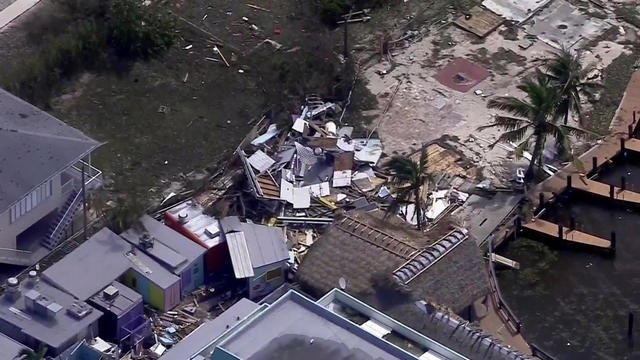
Millions of people who evacuated before Hurricane Irma are starting to go home. Crews are bringing aid, but the recovery effort will take weeks or even months. The storm is now blamed for 10 deaths in Florida, Georgia and South Carolina. Jeff Glor reports from Clearwater, Florida.
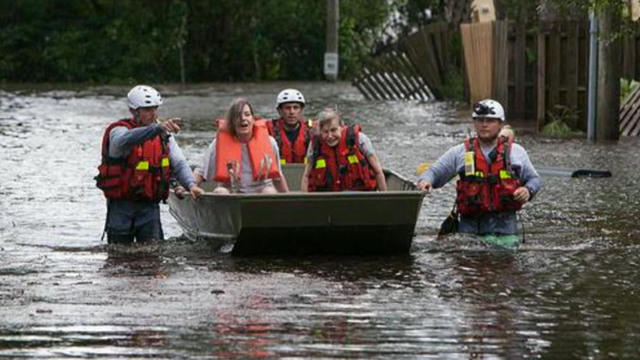
After making landfall in Florida, Irma has brought unprecedented flooding and destruction to the Southeast; CBS News' Jeff Glor speaks to Capt. Ward Sandlin and Lt. Chelsea Kalil of the U.S. Coast Guard about rescue operations in the wake of Hurricane Irma.
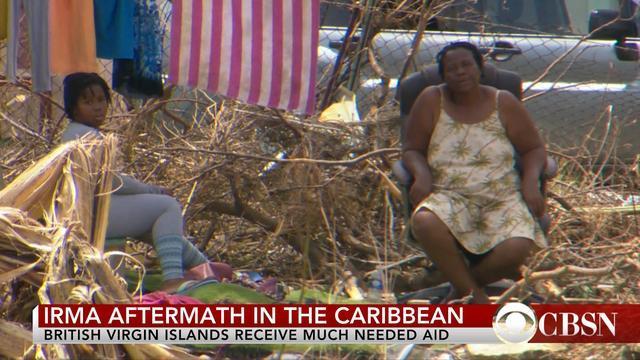
Amid food and water shortages, the British Virgin Islands are struggling to rebuild. Construction worker and Tortola resident Devon Joseph joins CBSN to discuss how the British territory is working through the destruction left by Hurricane Irma.
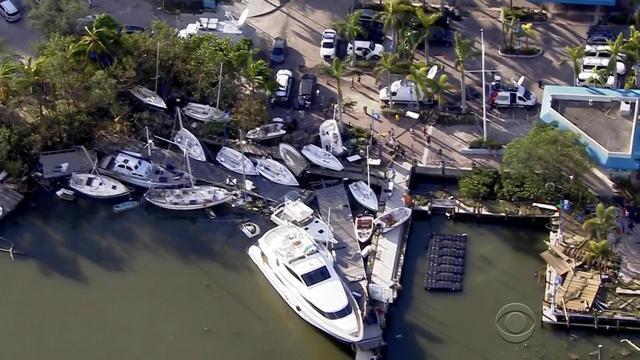
Irma's 100 mph gusts battered Miami. Dozens of boats sank or washed ashore, or are missing. Storm surge pushed onto Brickell Avenue, a downtown boulevard of high-rise condos and banks. Mark Strassmann reports.
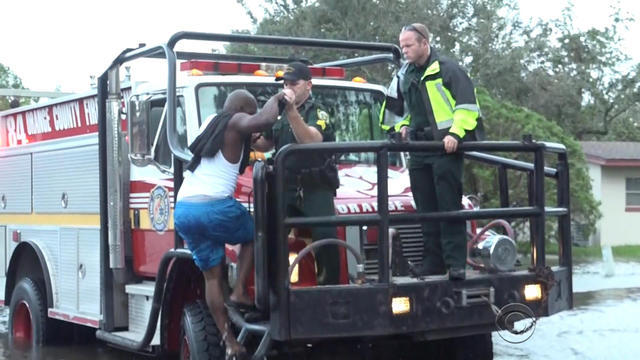
Before sunrise, people atop rescue trucks thanked those who carried them to safety as floodwaters rose. Barefoot children in blankets escaped waist-deep water with their only belongings in plastic bags. One puppy was found caged and alone in a house filling with water. Adriana Diaz reports.
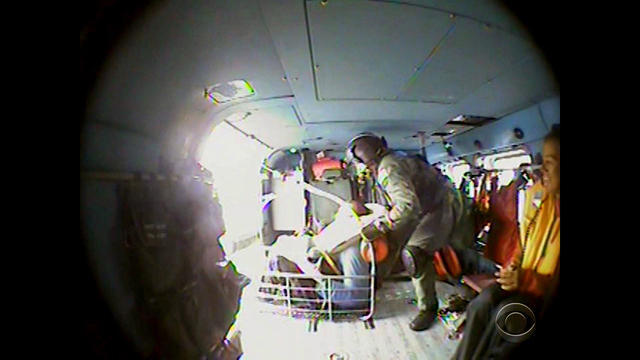
The best perspective on the damage caused by Irma is from above. On Monday, CBS News' Jeff Glor surveyed parts of central Florida that took a direct hit.
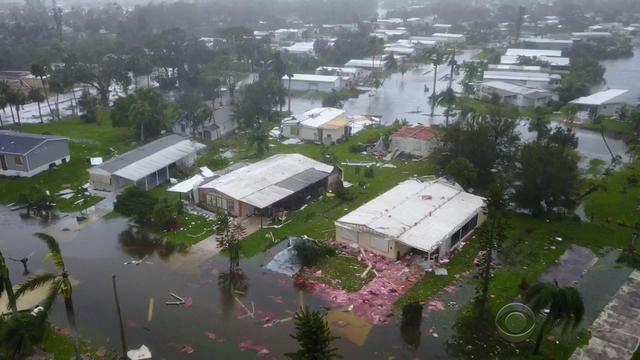
After dropping nearly a foot of rain on the Naples area, Hurricane Irma left some neighborhoods under water. Some areas were flooded by 6 feet of storm surge - far less than the 12-18 feet predicted. Almost all of Collier County's 300,000 residents were without power Monday night. Jonathan Vigliotti reports.
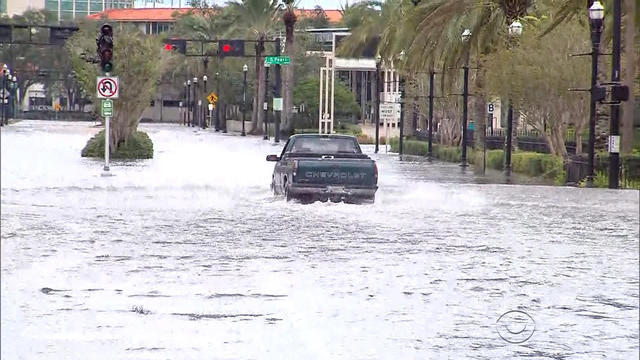
Record-breaking floods hit Jacksonville Monday as storm surge barreled into the city from the St. Johns River. Downed trees and power lines in the area put people in danger. Jericka Duncan has more.
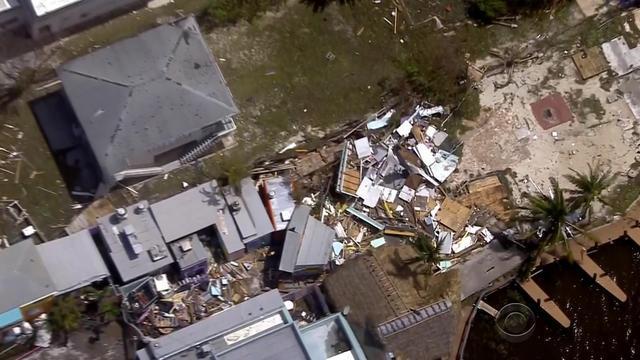
The sun returned Monday, revealing the devastation left by Irma, which was downgraded to a tropical storm and moved north to Georgia. Estimates of the Florida damage covered by insurance range from $20-40 billion. Elaine Quijano reports from the Florida Keys, one of the hardest-hit areas in the state.
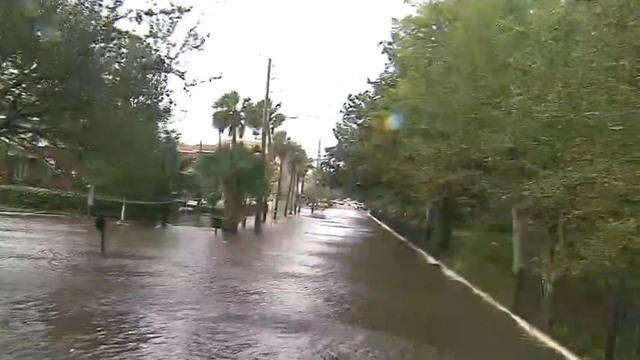
CBS News correspondent David Begnaud joins CBSN from Jacksonville, Florida, with a look at the historic flooding caused by Irma.
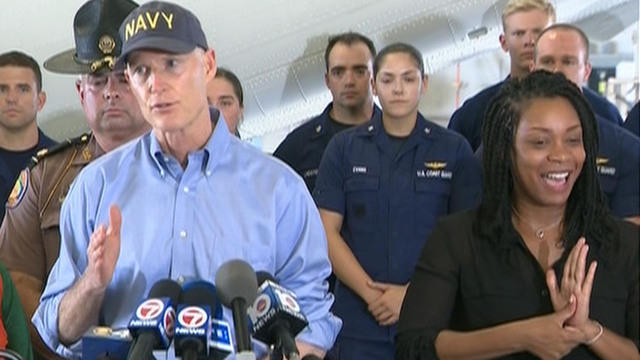
Florida Gov. Rick Scott held a briefing in Opa-Locka, Florida, updating residents on Hurricane Irma and the damage left behind.
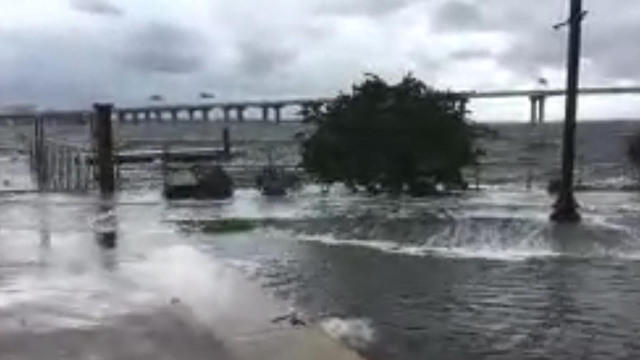
The city of Jacksonville got swamped by Irma's storm surge. Tessa Duvall is a reporter at the Florida Times-Union and joins CBSN with the latest from the city.
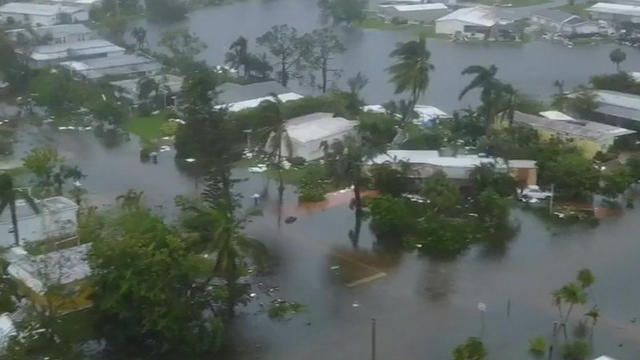
Some Floridians chose to hunker down and ride out the storm despite the threat of historic flooding and powerful winds. Keri Fitzgerald-Johnson of Naples, Florida, describes her experience to CBSN.
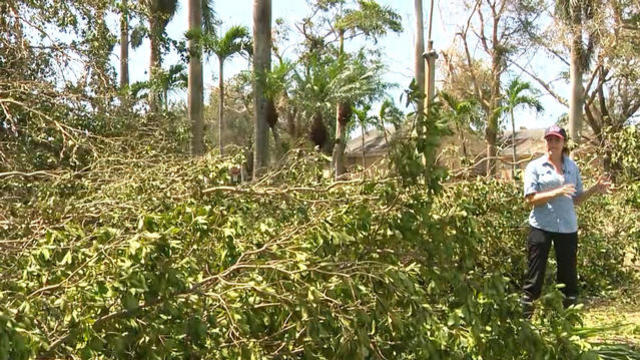
CBS News' Meg Oliver joins CBSN from Florida City with a look at the damage on the ground caused by Irma as the storm heads north.
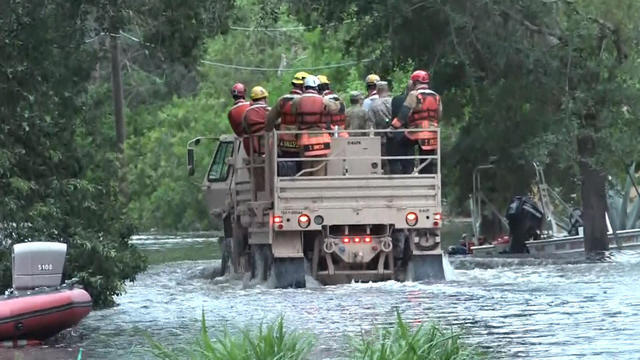
For more on the Orlando flooding, "CBS This Morning" speaks to Orange County Sheriff Jerry Demings over the phone to discuss Hurricane Irma's impact and the curfew in place.
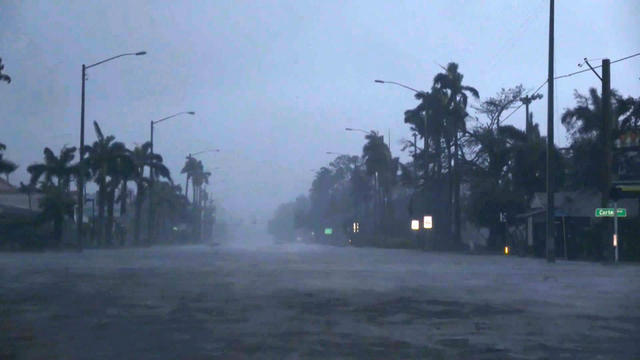
Hurricane Irma is taking aim at north Florida. The deadly storm has lashed nearly every part of the state. There are now almost six million homes and businesses across the state without electricity. Jeff Glor reports from St. Pete Beach.
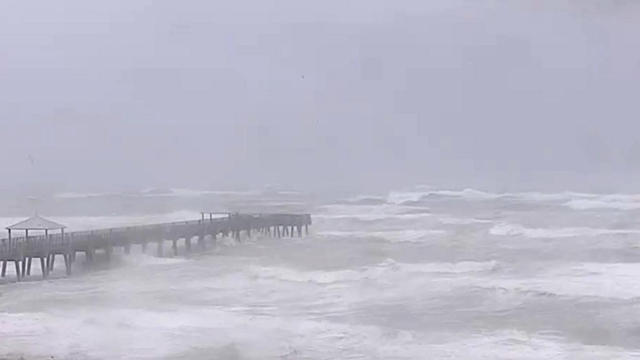
Hurricane Irma's greatest threat might not be what most expect. Rick Luettich, director of the Institute of Marine Sciences at UNC-Chapel Hill, joins CBSN to discuss the science and dangers behind a storm surge.
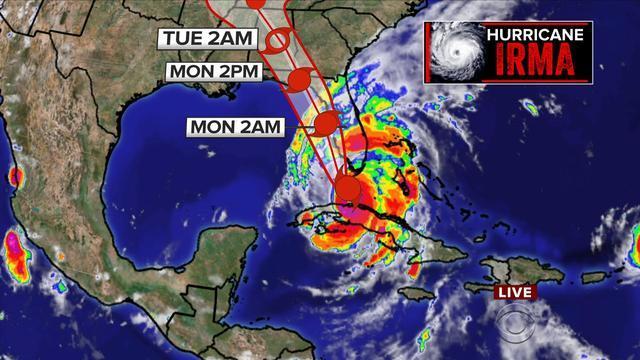
CBS News' team of correspondents is covering Hurricane Irma in cities across the state of Florida.

Vice President Mike Pence spoke at the FEMA headquarters in Washington, D.C., on Sunday. He said Hurricane Irma is a "life-threatening storm." Watch his remarks here.