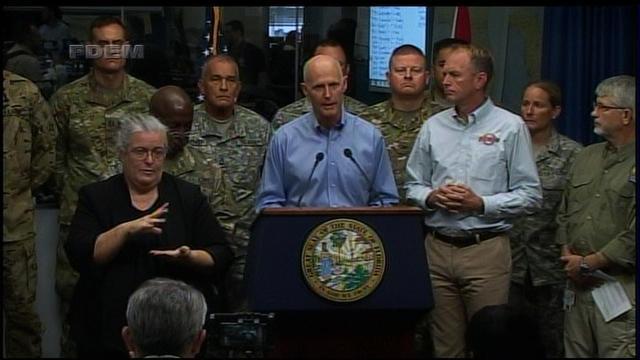
Irma update from Florida gov.
Florida Gov. Rick Scott gave an update on Hurricane Irma as it battered South Florida with extreme winds and heavy rain Sunday. Watch his full remarks here.
Watch CBS News
Florida Gov. Rick Scott gave an update on Hurricane Irma as it battered South Florida with extreme winds and heavy rain Sunday. Watch his full remarks here.
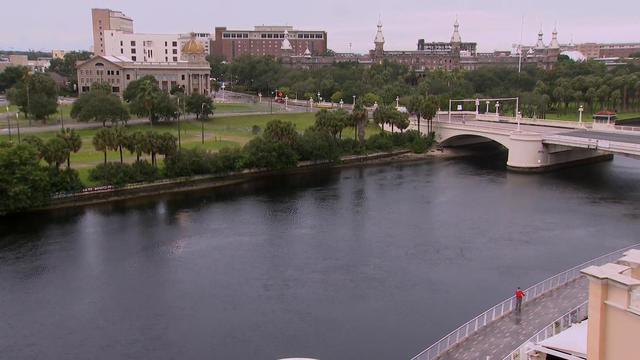
As Hurricane Irma approaches Florida's west coast, perhaps no major metropolitan area is more vulnerable to catastrophic flooding than Tampa Bay area. Storm surge could reach 8 feet. David Begnaud reports from Tampa.
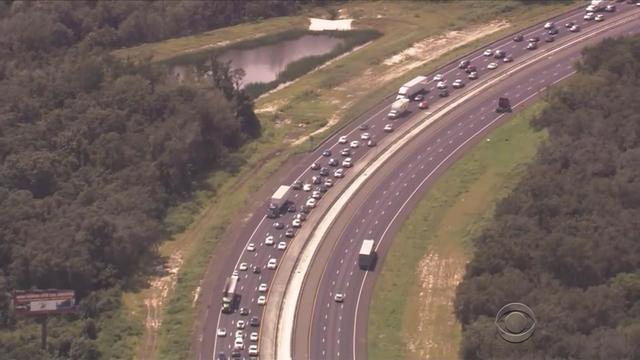
When Hurricane Irma's projected path shifted west to the Gulf Coast city of Tampa overnight, thousands began to take the threat more seriously. Tampa has not been hit by a major hurricane since 1921. But now, the 3 million residents are bracing for the worst. John Blackstone has more.
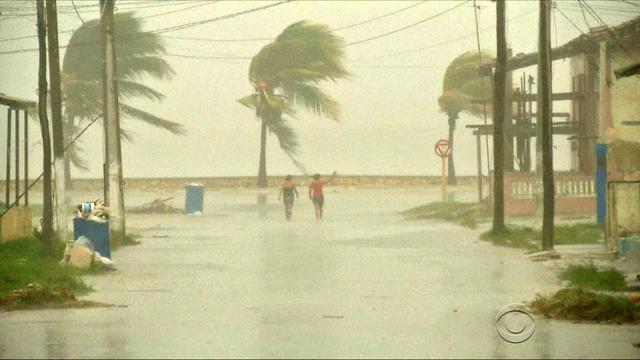
Hurricane Irma killed at least 27 people as it roared across the Caribbean Sea. Its last stop was in Cuba, where whole communities are without power and telecommunications are out in certain parts of the island. BBC News correspondent Will Grant reports.
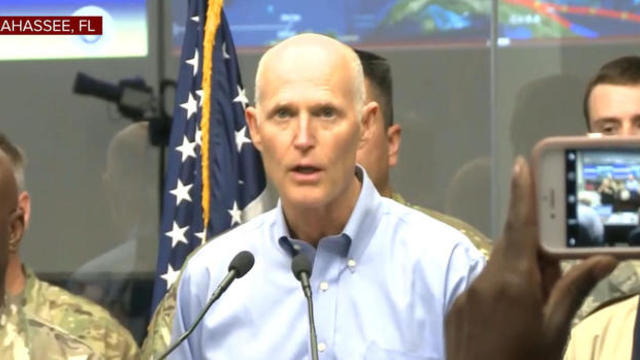
Florida Gov. Rick Scott held a briefing in Tallahassee, warning residents that Hurricane Irma brings "life-threatening winds tonight" and not to take the storm lightly. The governor advised residents in evacuation zones to leave now.
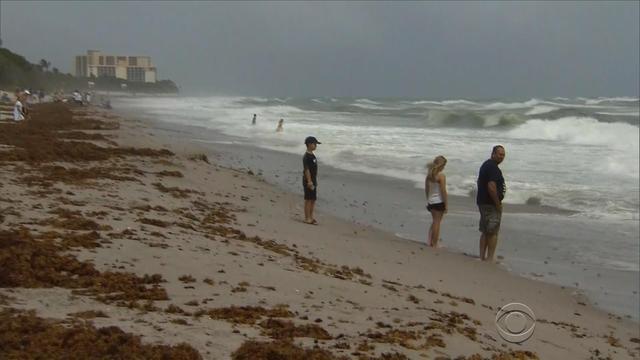
President Trump's Palm Beach club, Mar-a-Lago, is just one of the properties that has been evacuated along Florida's "Treasure Coast." Residents are concerned, but all they can do is wait and see and hope the hurricane continues to track to the west. Carter Evans has the latest.
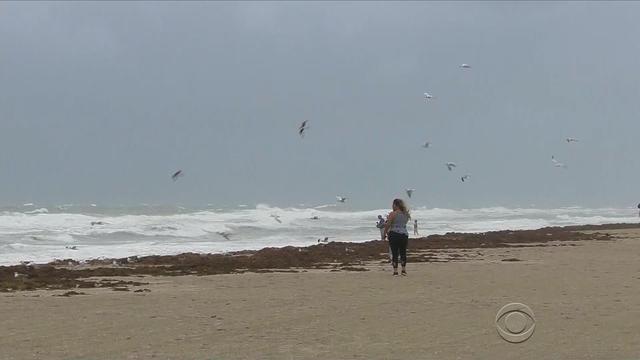
Communities like Miami Beach emptied out as 670,000 people were ordered to evacuate, the most in the county's history. The winds are picking up, and once they reach 40 miles per hour, first responders will not respond to emergencies, officials said. Mark Strassmann reports.
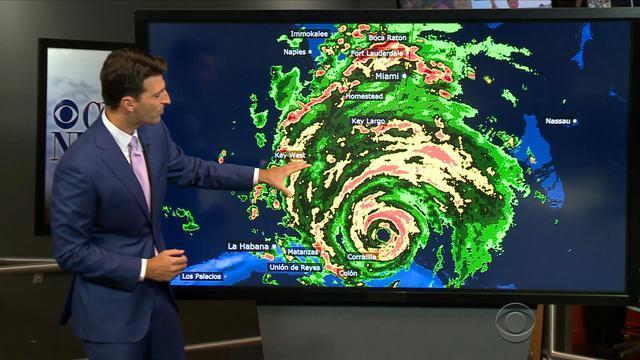
Hurricane Irma is making its way northwest toward Florida. CBS Boston chief meteorologist Eric Fisher has the latest forecast.
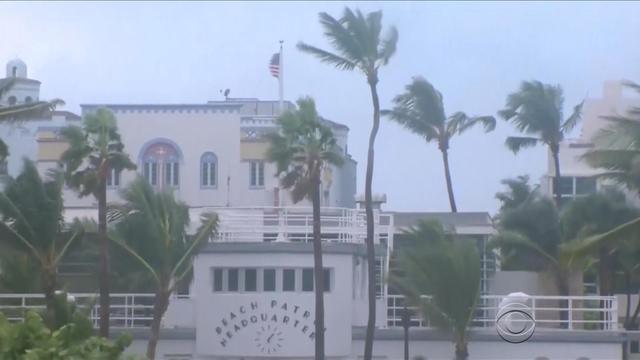
Naples, one of the jewels of Florida's Gulf Coast, is expected to be one of Irma's first stops as it rumbles towards Tampa. Some residents though failed to evacuate early and are reluctant to ride out the storm. CBS News' Jonathan Vigliotti reports.
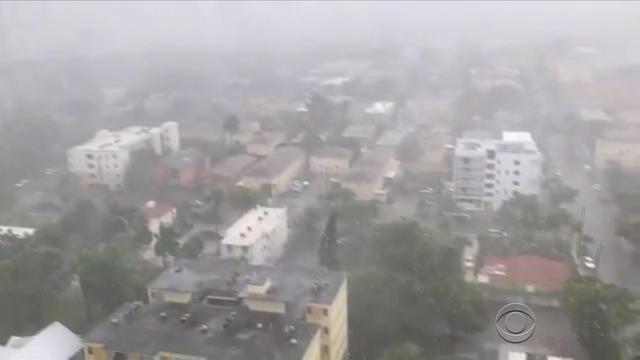
Florida Gov. Rick Scott has asked more than 6 million people to leave. But some have chosen to ride out the storm. The Keys could be swamped, including half of the island of Key West. County officials opened four refuge sites on the Keys for those who stayed behind to ride out the worst of the storm. Across the state, at least 330 shelters are open. Elaine Quijano reports from the Keys.
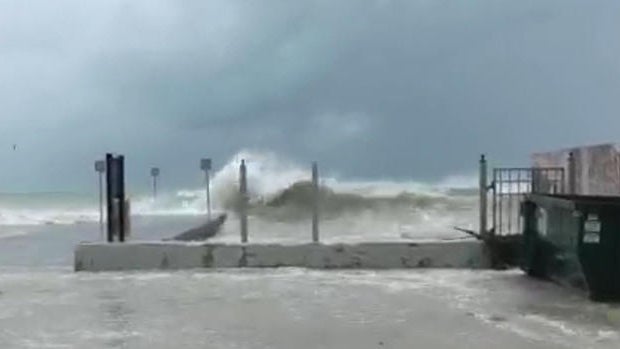
Irma is expected to hit Key West, Florida, Sunday morning, with winds up to 110 mph. Most residents in the Keys have evacuated after Gov. Rick Scott declared it unsafe. Miami Herald reporter David Ovalle joins CBSN from the Keys with more.
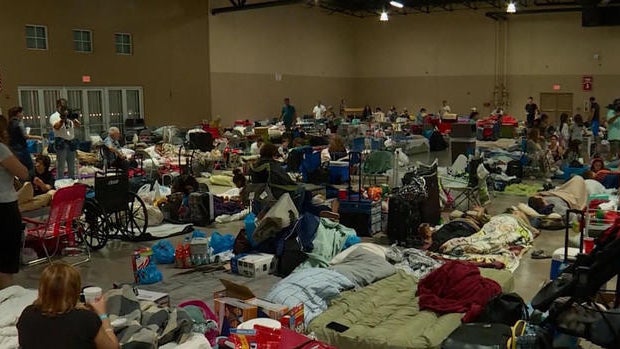
Nearly 7 million people have been asked to evacuate Florida and Georgia ahead of Hurricane Irma, which is set to hit tomorrow. The evacuation of Miami-Dade is the largest in the county's history. CBS News correspondent Mark Strassman joins CBSN to discuss.
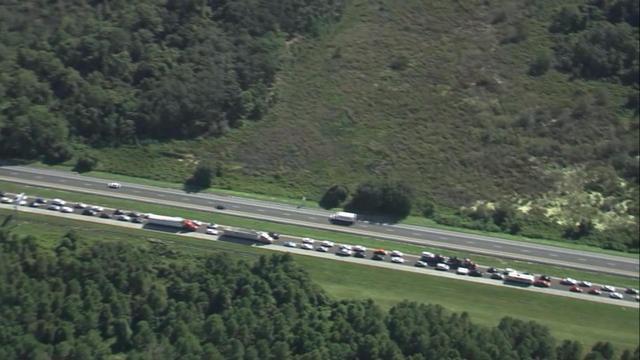
Evacuations continue in Florida and Georgia ahead of Hurricane Irma. Nearly 7 million people in the storm's path have been asked to flee. CBS News correspondent Elaine Quijano joins CBSN from Florida City, Florida, to discuss.
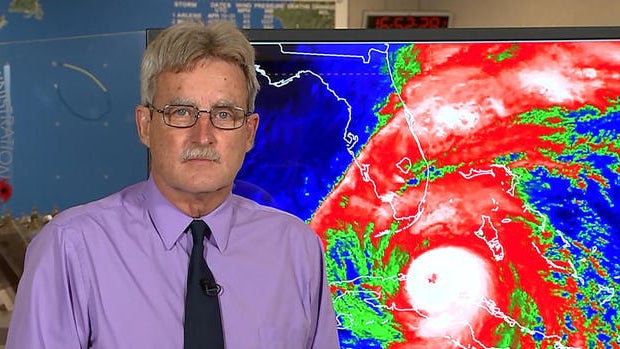
Hurricane Irma is expected to turn toward Florida and strengthen as it approaches the Florida Keys. Mark DeMaria, acting deputy director of the National Hurricane Center, joins CBSN with the latest forecast.
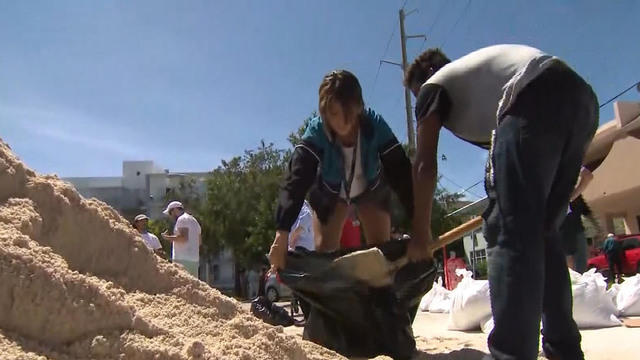
CBS News correspondent Adriana Diaz joins CBSN from Orlando to discuss who is staying behind to keep others safe from the storm.
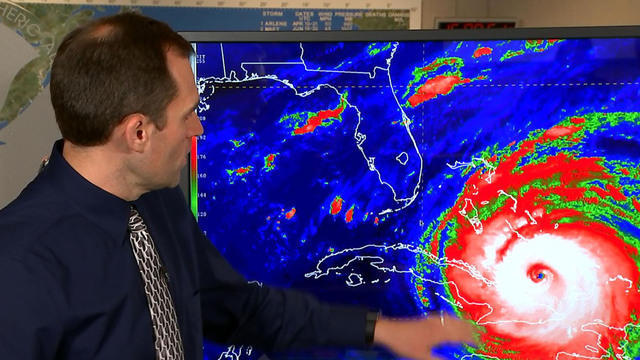
Florida residents making final preparations before Hurricane Irma is set to hit. The Category 4 storm is currently heading north from the Caribbean. Dr. Michael Brennan, chief hurricane specialist at the National Hurricane Center, joins CBSN with the latest.
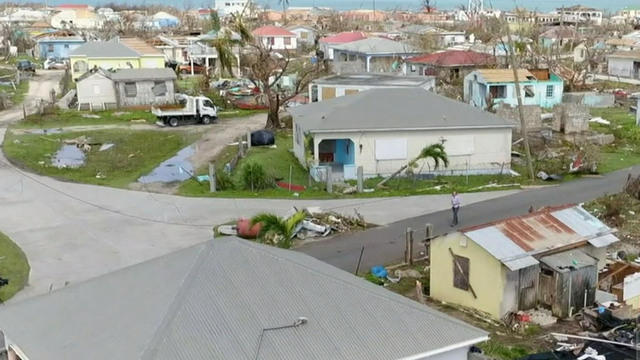
The island of Barbuda was once a Caribbean paradise. Now, Hurricane Irma has reduced it to rubble. Having survived the worst storm in living memory, and knowing another is on the way, people are exhausted, hungry and desperate to leave. BBC News correspondent Laura Bicker reports.
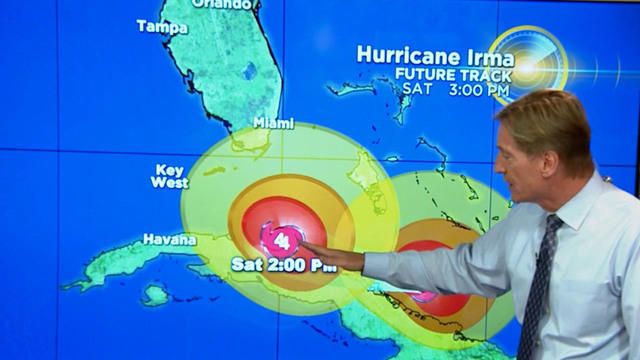
Craig Setzer, chief meteorologist for CBS Miami station WFOR, has the latest forecast.
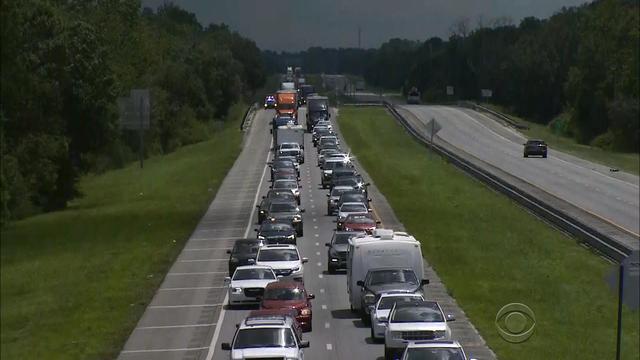
One of the largest evacuations in U.S. history is reaching a critical point. More than 2.5 million people live in mandatory evacuation zones in Georgia and Florida. Irma has sustained winds of 155 miles an hour, and the forecast models seem to agree that South Florida will take a hit this weekend. Mark Strassmann has more.
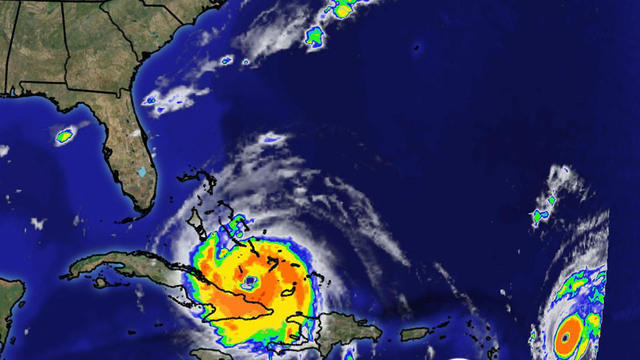
Hurricane Irma isn't the only powerful storm out there. Hurricane Jose has strengthened to a Category 4 storm as it churns in the Atlantic Ocean. CBS News weather producer David Parkinson joins CBSN to discuss.
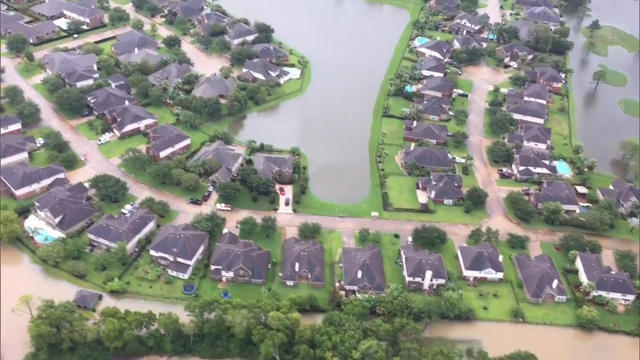
Hurricane Irma comes just two weeks after Hurricane Harvey brought "500-year" rainfall to parts of Houston. The U.S. has experienced at least 24 of these so-called "500-year" rain events since 2010. Kris Van Cleave reports.

Hurricane Irma's storm surges are a big concern. FEMA estimates about 2.5 million Florida homes are in flood hazard zones. Many of those homes are in the densely-populated Miami-Dade and Broward Counties where more than 4.5 million people live. Jeff Glor gets a bird's-eye view of the Miami coastline under threat.
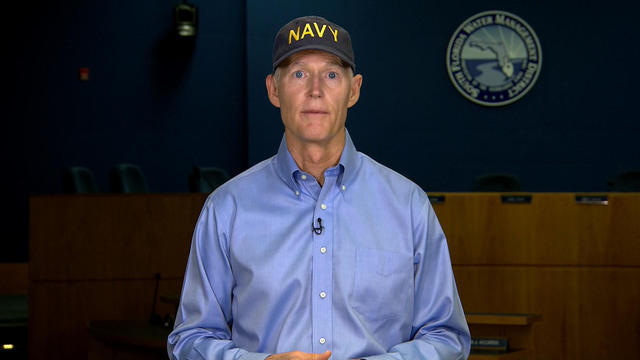
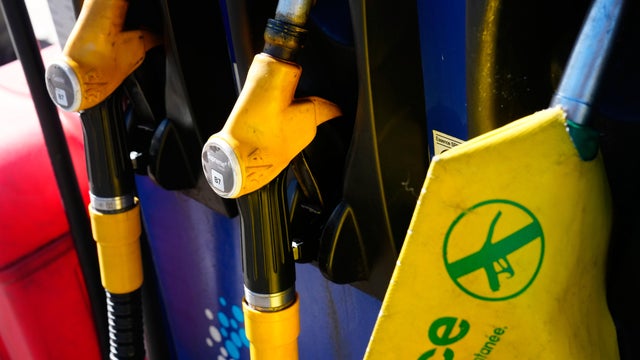
Florida Gov. Rick Scott joins "CBS This Morning" from West Palm Beach to urge residents and visitors to get out of Florida before it's too late, address concerns about gas shortages throughout the state, and explain why Irma is more dangerous than Hurricane Andrew.
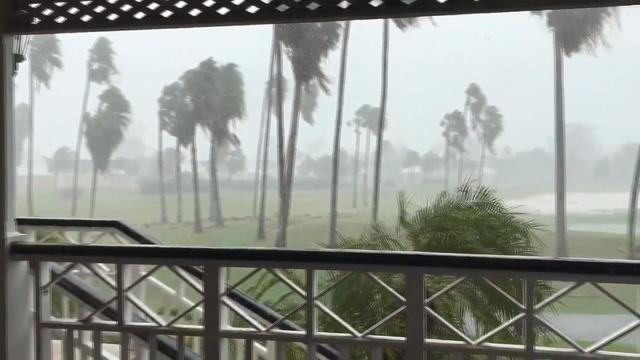
Hurricane Irma has devastated a string of islands in the Caribbean, slamming through the Turks and Caicos overnight. At least 11 people in the Caribbean have died, including four in the U.S. Virgin Islands. Tony Dokoupil reports from Fajardo, Puerto Rico.
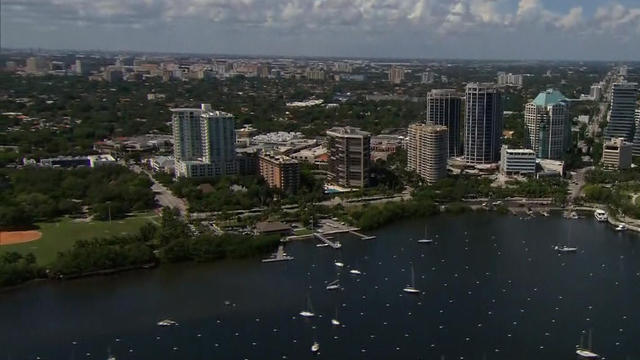
The Florida peninsula has more than 1,300 miles of coastline. Parts of the state are extremely vulnerable to the surge of seawater a hurricane like Irma can unleash. The best way to understand the threat to low-lying areas is to see them from above, reports Jeff Glor.