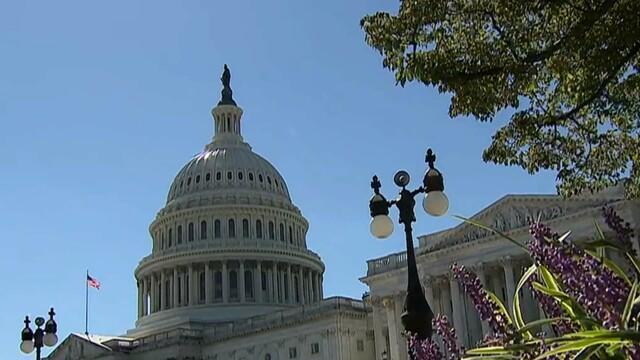
Congress nears short-term deal on debt limit
Senate Minority Leader Mitch McConnell offered a concession to Democrats, saying Republicans would let them raise the debt ceiling. Nancy Cordes has the latest.
Watch CBS News
Senate Minority Leader Mitch McConnell offered a concession to Democrats, saying Republicans would let them raise the debt ceiling. Nancy Cordes has the latest.
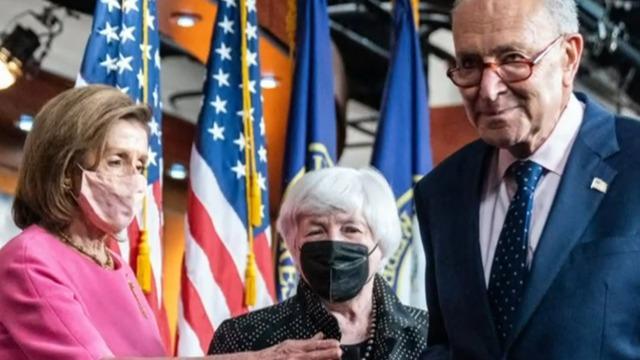
Lawmakers remain deadlocked over raising the debt ceiling, but default could affect millions of Americans and the global economy. Brian Cheung, who reports on Federal Reserve, economics and banking for Yahoo Finance, joins CBSN AM to discuss what could happen if legislation isn't passed.
The heads of two regional Fed banks are resigning after watchdogs raised questions about their stock trading.
Economic recovery remains on course despite surge in COVID-19 cases, according to U.S. central bank.
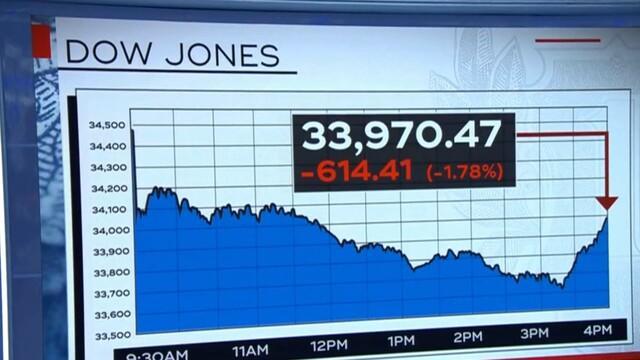
Wall Street had its worst day since May amid fears that a Chinese real estate company could default, and that the Federal Reserve could begin ending stimulus measures it enacted during the pandemic.
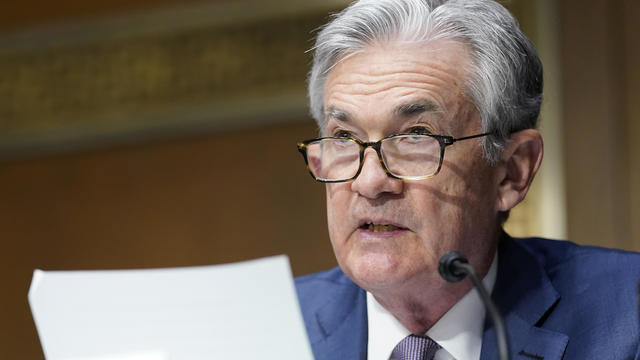
They say he hasn't done enough to address the effects of climate change on the financial system and has weakened regulations.
Federal Reserve chair downplays inflation and COVID-19 risks, saying the U.S. economic recovery remains on track.
The markets are reacting positively to data from the Labor Department. It shows a slightly slower year-over-year inflation rate than economists had feared. Overall, prices are up 5.4% compared to July of last year. CBS News reporter Sarah Ewall-Wice has more on what the July Consumer Price Index means for the state of the U.S. economy.
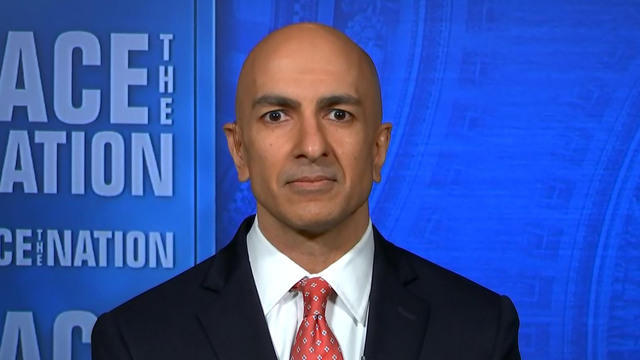
Neel Kashkari, the president of the Federal Reserve Bank of Minneapolis, says the spread of the Delta variant is "creating a lot of caution" that could threaten the recovery of the labor market.
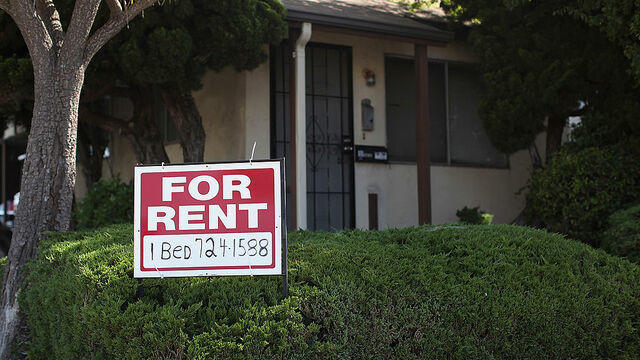
The cost of rent in several U.S. cities is rising as the economy recovers from the coronavirus pandemic. A New York Times report explains how those spikes could have a direct impact on the nation's inflation outlook, keeping prices elevated through the end of 2021. Jeanna Smialek, a Federal Reserve and economy reporter for The New York Times, joins CBSN's Lana Zak to explain.
The Biden administration is blaming China for widespread cybercrime, including a Microsoft hack that affected tens of thousands of private and public entities earlier this year. The Chinese embassy is calling these accusations a "malicious smear." CBS News senior White House and political correspondent Ed O'Keefe joins CBSN's Elaine Quijano to discuss these new claims, and the latest developments at the White House.

The federal government will begin dispersing monthly cash payments to low- and moderate-income families on July 15 as part of the child tax credit program included in the latest round of COVID relief. The rollout comes as the Federal Reserve paints a clearer picture of the current state of the economy, saying inflation will likely remain elevated in the coming months. CBS News reporter Sarah Ewall-Wice joins CBSN's Lana Zak with the details.
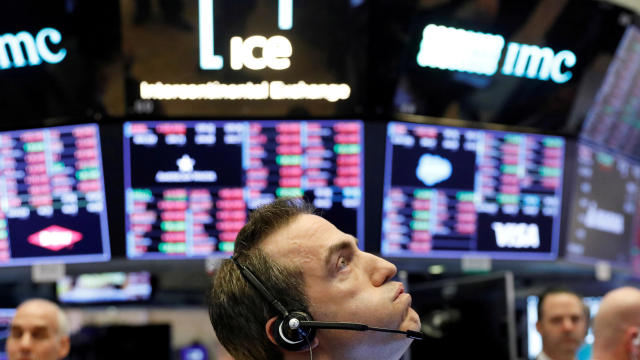
Top Fed official says first rate increase could come as soon as next year, a year earlier than previous estimate.

The Labor Department revealed the U.S. added 559,000 new jobs in May, nearly twice as many as April though lower than analysts' expectations. The nation's unemployment rate fell to 5.8%, its lowest point since the start of the pandemic. Michelle Meyer, head U.S. economist for Bank of America securities, joined CBSN to discuss the state of the economy.
May has been a volatile month for the U.S. stock market amid concerns over inflation and how the Federal Reserve might respond. CBS News business analyst Jill Schlesinger joins CBSN to discuss how to navigate the stock market.
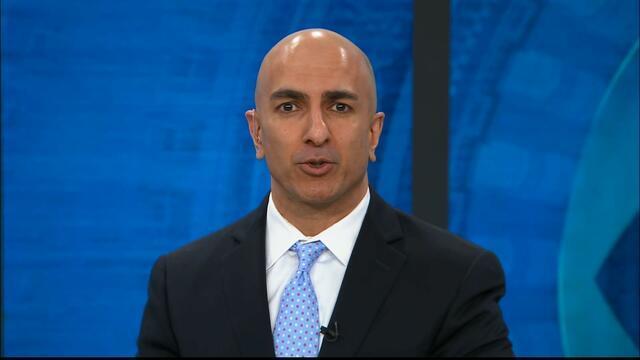
Neel Kashkari, the president of the Federal Reserve Bank of Minneapolis, says the state of the U.S. labor market shows the economy is still "in a deep hole."
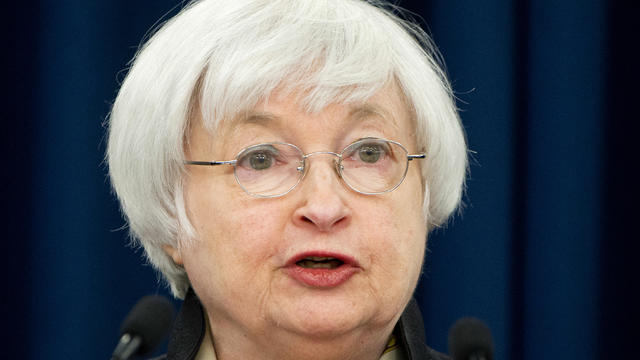
The Treasury secretary's remarks come as the president is pushing two proposals totaling $4 trillion.
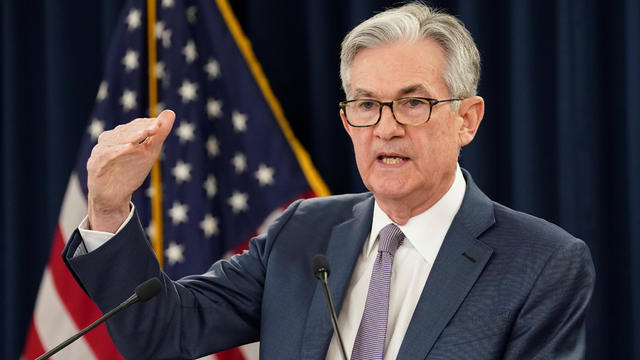
Signs of economic growth are stoking fears of price hikes, but Fed policymakers say any inflation will be short-lived.
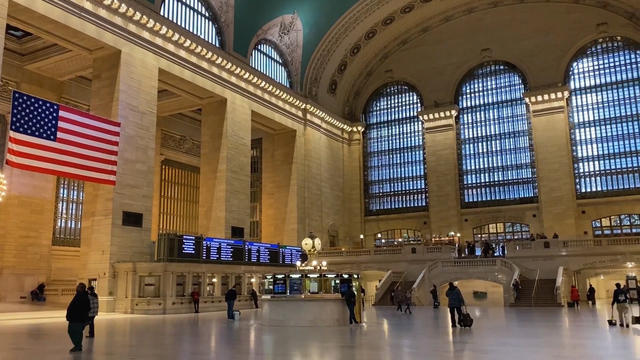
Federal Reserve Chairman Jerome Powell on the coronavirus-ravaged economy; Then, The government whistleblower who says the Trump administration's coronavirus response has cost lives; And, What will be the long-term effects of the coronavirus pandemic?

President Biden and Vice President Harris are expected to meet with a small group of bipartisan lawmakers Monday at the White House to discuss the $2.3 trillion infrastructure proposal. Republicans have raised concerns over the size and cost of the package, while some Democrats say it needs to be even bigger. CBS News chief White House correspondent Nancy Cordes joins CBSN AM with the latest.
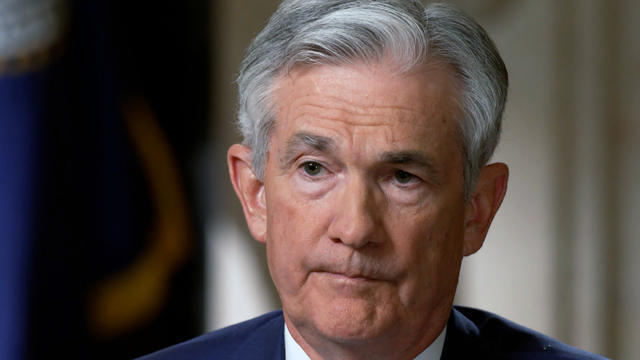
Jerome Powell said money market funds need to be "resilient enough" to handle future liquidity shocks, and without federal assistance.
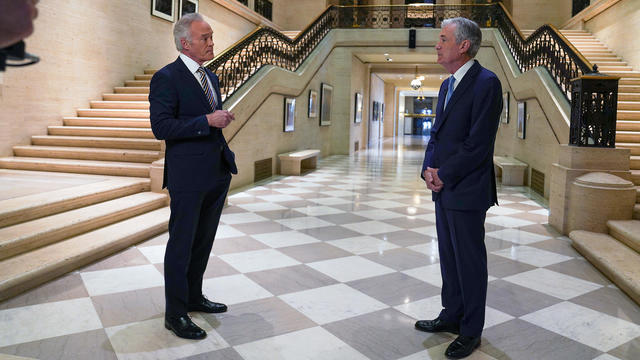
Federal Reserve Chairman Jerome Powell gives his thoughts on how the economy is rebounding from the COVID-19 pandemic. Scott Pelley reports.
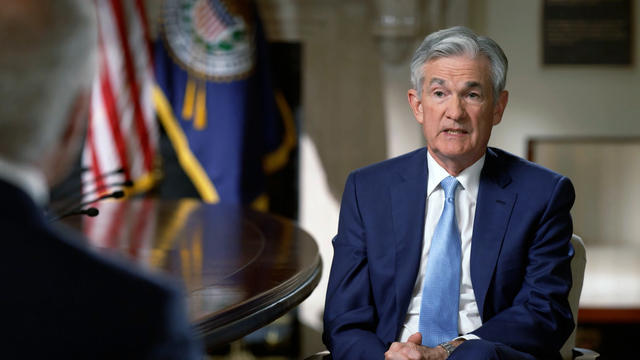
When asked if continued spending on infrastructure and COVID-19 relief could set off inflation, Jerome Powell said he doesn't "see that now" and the economy needs to fully recover before spending levels "return to a sustainable path."
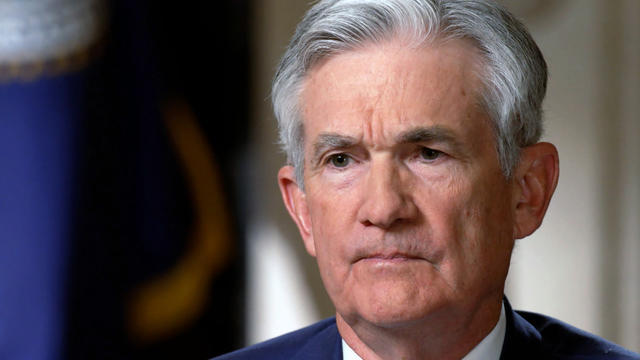
The Chairman of the Federal Reserve said the fallout from the collapse of Archegos Capital, its investments included ViacomCBS, was the result of a "risk management breakdown" and the Fed will take a closer look "to make sure it never happens again."
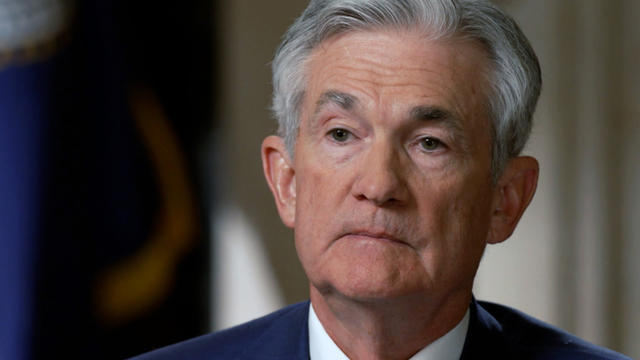
Jerome Powell said a potential U.S. digital dollar is being evaluated by the Federal Reserve, and it would require careful consideration before being introduced. When asked if the rise of cryptocurrencies was a motivation, he said they are not "concerning at this point."