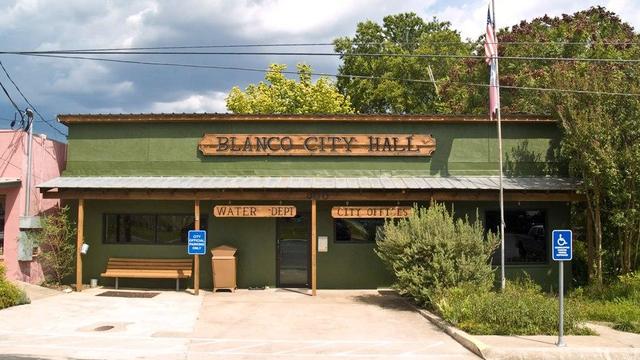
Texas city under highest level of water emergency
Thousands of people in Texas are at risk of their public water systems running out of water in 45 days or less while even more are experiencing water service interruptions.
Watch CBS News
Thousands of people in Texas are at risk of their public water systems running out of water in 45 days or less while even more are experiencing water service interruptions.

It's been over a year since a shortage of Sriracha was announced in the U.S. Huy Fong Foods, the manufacturer of the hot sauce, says it doesn't have an estimate for when the chili peppers it uses will be fully available again due to severe drought in Mexico. Griffin Hammond, a filmmaker who directed the 2013 documentary "Sriracha," joined CBS News to talk about the situation.
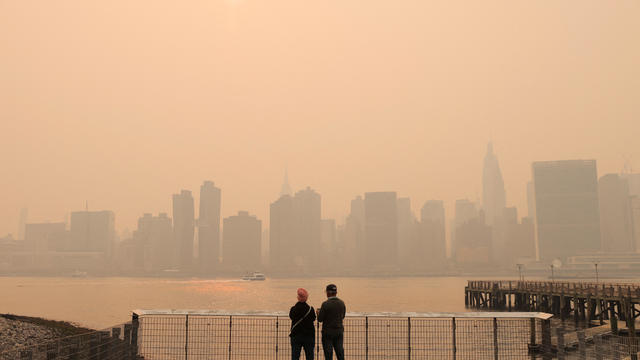
The first six weeks of Canada's 2023 wildfire season put it on track to be its most destructive in history.
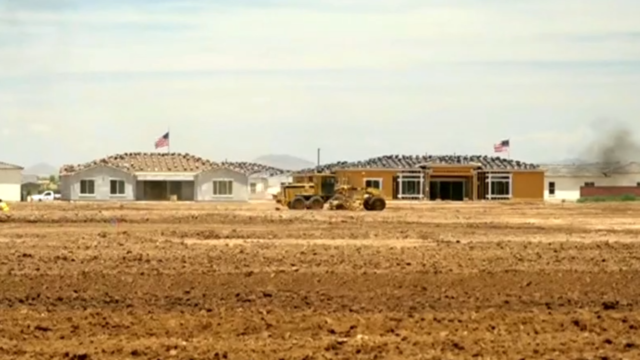
A government report released earlier this month revealed Arizona's booming population will outgrow its drought-stricken water supply if action isn't taken.
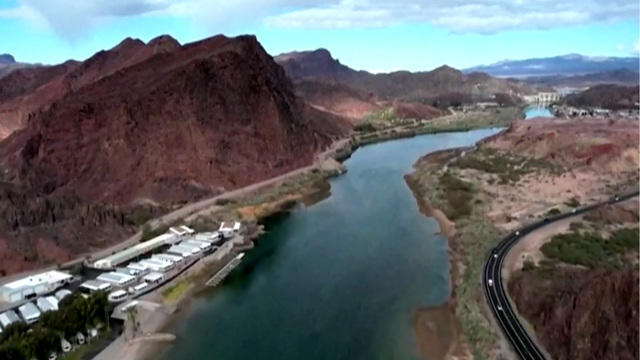
New home construction that relies on groundwater will stop in some parts of Arizona after a report released this month revealed the state's booming population will outgrow its drought-stricken water supply if action isn't taken. Jonathan Vigliotti reports.
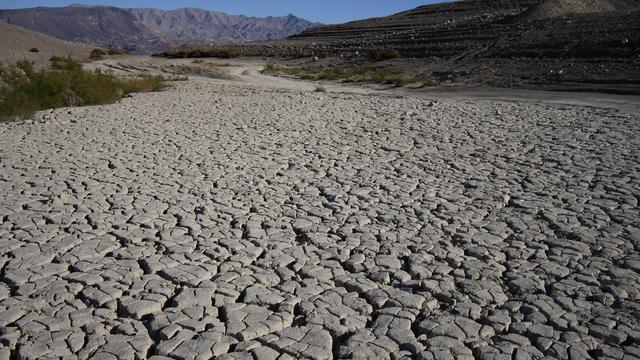
Hotter, drier weather is already wreaking havoc on European crops, and is predicted to boost food prices in the U.S.
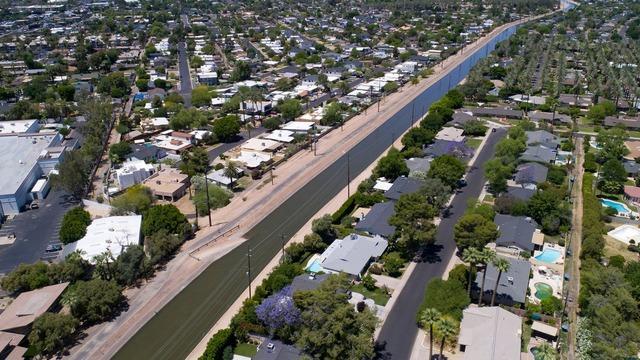
Arizona is limiting new construction around Phoenix as the state's water supply continues to dwindle. State officials say there isn't enough groundwater for housing construction that's already been approved. CBS News senior national and environmental correspondent Ben Tracy has more.
The state official was suspended for ordering the entire Paralkot reservoir emptied and accused of wasting 530,000 gallons of fresh water as his region faces a heat wave.
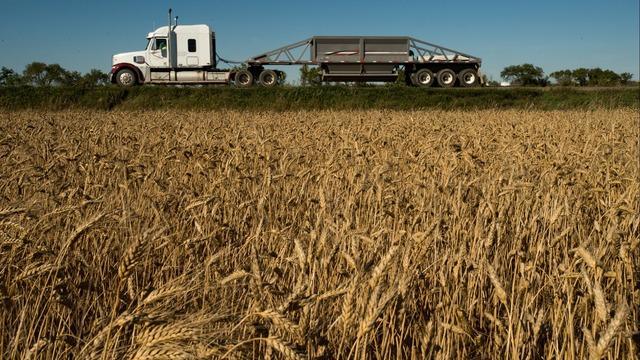
Some scientists believe America's breadbasket could soon be at risk of potentially emptying, and they're warning a relentless drought is harming the nation's wheat crops. Science journalist Jenny Morber, who reports on climate resiliency and food, joined CBS News to discuss how researchers are trying to solve the problem.
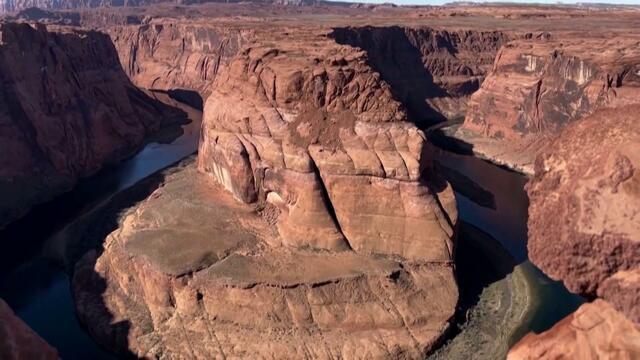
After months of tense negotiations, several western states that rely on the Colorado River are proposing significant cuts to their own water supplies to keep the river from going dry. Senior national and environmental correspondent Ben Tracy tells us how three states that use the majority of the water plan to use a lot less.
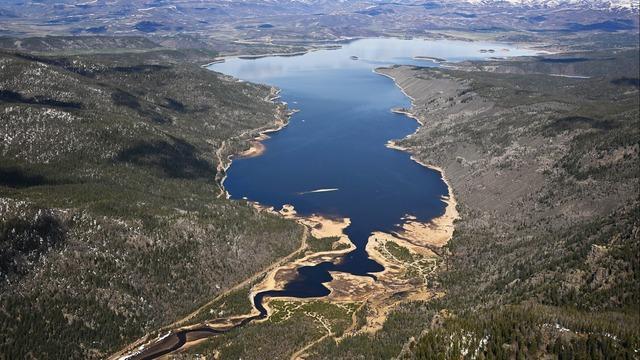
Three of the seven Colorado River states - California, Arizona and Nevada - have agreed to cut their water usage by 3 million acre-feet by 2026. Some 40 million people and more than two dozen Native American tribes depend on the Colorado River. CBS News senior national and environmental correspondent Ben Tracy breaks down the details of the historic deal.
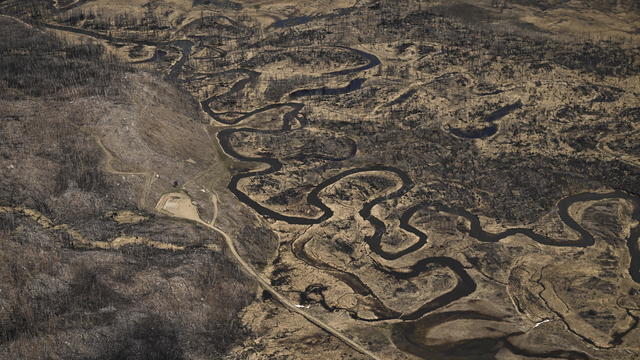
The Colorado River proposal from Arizona, California and Nevada aims to conserve at least 3 million acre-feet of water through the end of 2026.

California, Arizona and Nevada have reached a deal to reduce use of the Colorado River to keep the key reservoir from running dry.
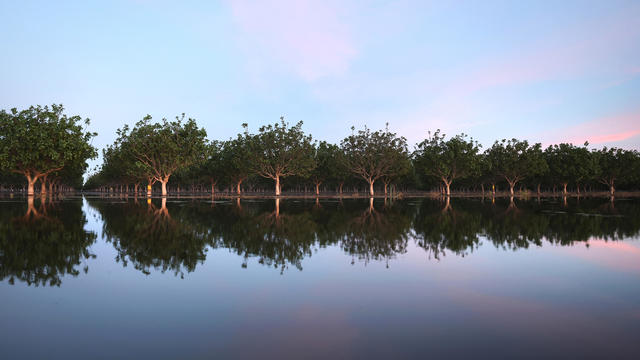
Pistachio farmer Nader Malakan estimates that about 1,200 acres of pistachio crops were destroyed, to the tune of $15 million.
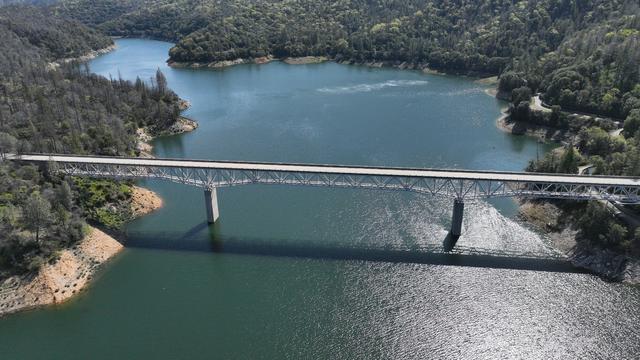
While this forecast is good news for cities and farmland across the state, water officials say Californians "should continue to use water wisely to help the state adapt to a hotter, drier future."
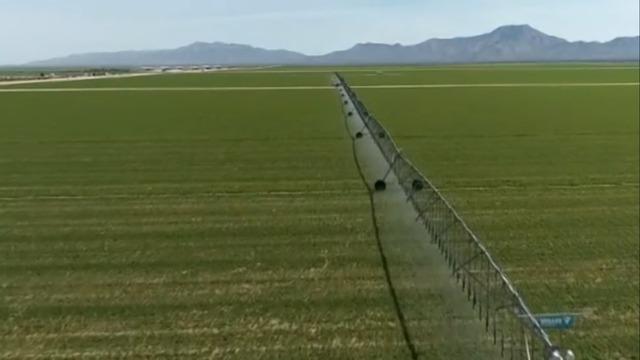
Some Arizona residents are outraged that despite the drought in the region, a Saudi Arabian company is growing water-intensive crops there and sending them back to the Middle East. CBS News senior national and environmental correspondent Ben Tracy joins Errol Barnett and Lana Zak with more on the story.
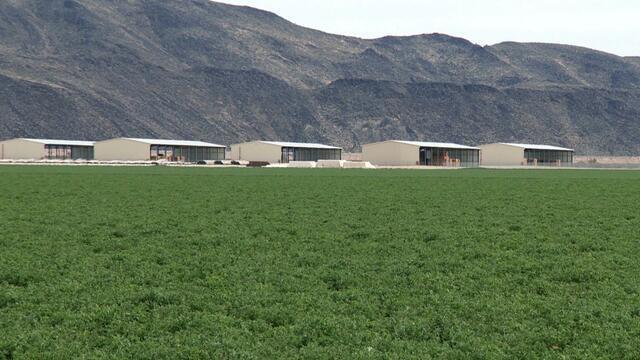
Alfalfa is one of the world's most water-intensive crops, and thousands of acres of land in drought-parched western Arizona are dedicated to growing it. Even more concerning to some are the farms, with the largest chunks of land in La Paz County owned by a company in Saudi Arabia. All the crops it grows are exported back home to the Middle East.
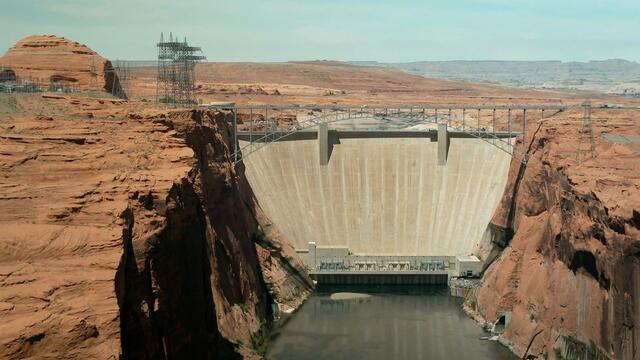
The federal government is one step closer to being able to force multiple states to reduce their water intake from the Colorado River for the first time in U.S. history. Seven drought-ravaged Western states have not been able to reach a deal to cut their use of the dwindling river, which serves as a crucial water and power source for roughly 40 million people. Ben Tracy has the story.
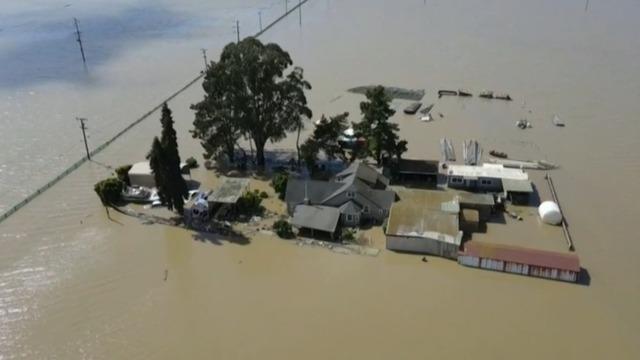
The price of many fruits and vegetables will be higher this spring and summer after a series of atmospheric rivers flooded farmland in California. CBS News climate reporter Cara Korte joins Lilia Luciano with more on her reporting.
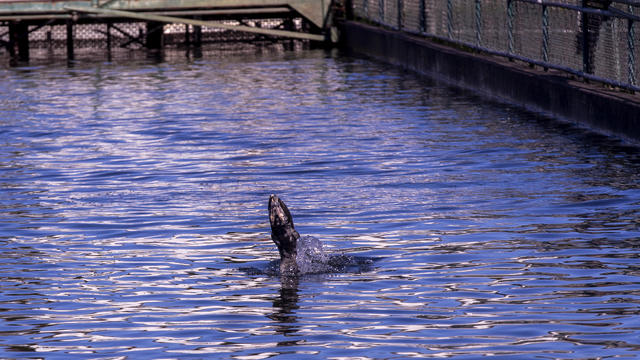
Biologists say the chinook salmon population has declined dramatically after years of drought.
In October, a diver discovered what looked like a human bone near a Lake Mead marina. Officials have now linked the remains to a Las Vegas man.
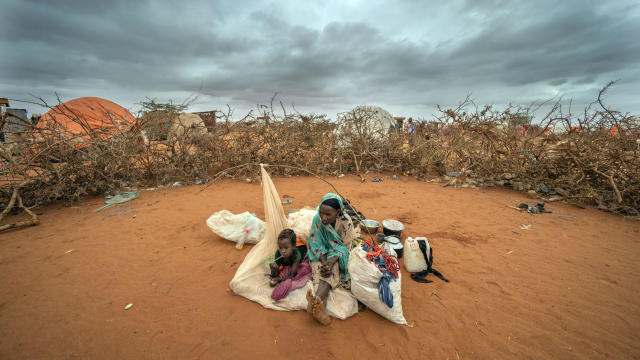
The war in Ukraine and a fight against domestic terrorists have worsened the nightmare in the east African nation, and the "crisis is far from over."
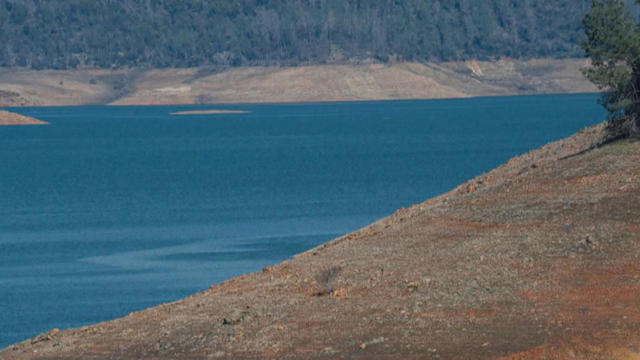
NOAA's U.S. spring outlook predicts more wet weather will help improve the severe drought across the Western United States. CBS News senior national and environmental correspondent Ben Tracy joins CBS News to discuss.
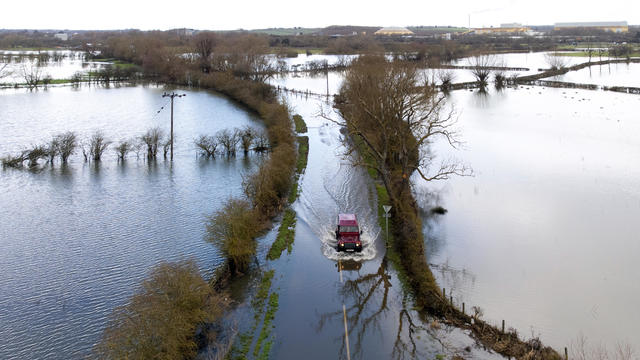
The intensity of extreme drought and rainfall has "sharply" increased over the past 20 years, a new analysis of satellite data shows.
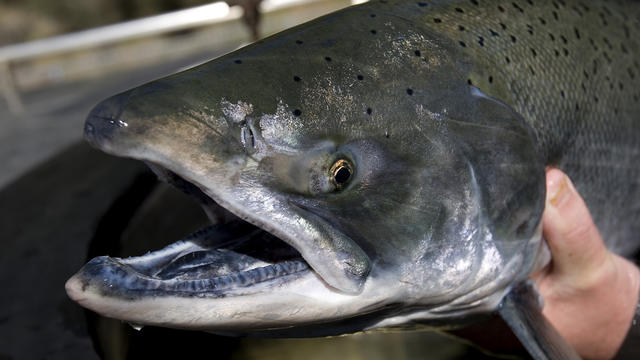
The decision comes as salmon population approach record lows in some of the state's major rivers.