
How daylight saving time works
Lindsey Reiser takes a look at the history of daylight saving time.
Watch CBS News
Lindsey Reiser takes a look at the history of daylight saving time.

Lawmakers are one step closer to making daylight saving time permanent after the House passed a bill with overwhelming support.
The measure also allows states to opt out if they take action before the federal law is enacted.
Lawmakers in the House passed a bill on Tuesday with bipartisan support that would make daylight saving time permanent and end the twice-a-year time change. It's now up to the Senate to take up the legislation. Caitlin Huey-Burns has more.
The time change known as daylight savings starts Sunday, March 8, 2026. Most Americans lose an hour of sleep when clocks "spring forward."
Longer and lighter days were supposed to save energy, reduce traffic accidents and help people become more active. Governments thought daylight saving time would save money.
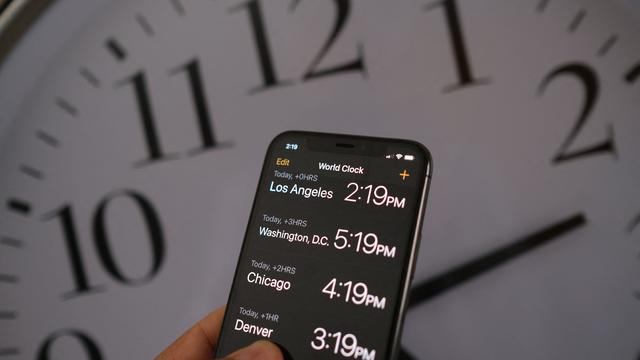
Two states don't do daylight saving time and won't "spring forward" as the clocks change for 2026.
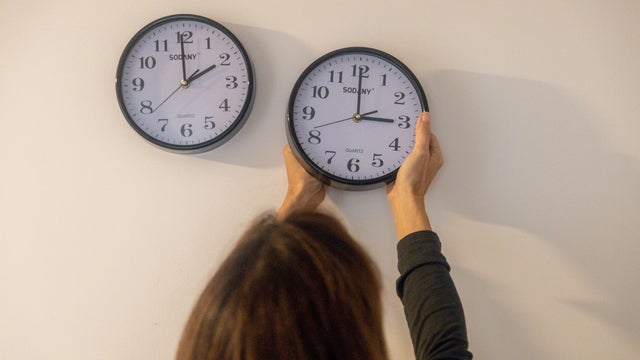
Daylight saving time ended on Sunday, Nov. 2, 2025, when the clocks fell back and we gained an hour.
This weekend marks the end of daylight saving time as most of the U.S. "falls back" and gains an hour of sleep. Sleep expert Shelby Harris, a clinical associate professor at Einstein Medical School in New York City, joins "CBS Mornings Plus" to explain how the time change impacts our health.

Most Americans will set their clocks back on Nov. 2 for daylight saving time, but a new study suggests the two annual time changes may actually be harmful to our health. Jamie Zeitzer, co-author of the study and co-director of the Stanford University Center for Sleep and Circadian Sciences, joins CBS News to unpack the findings.
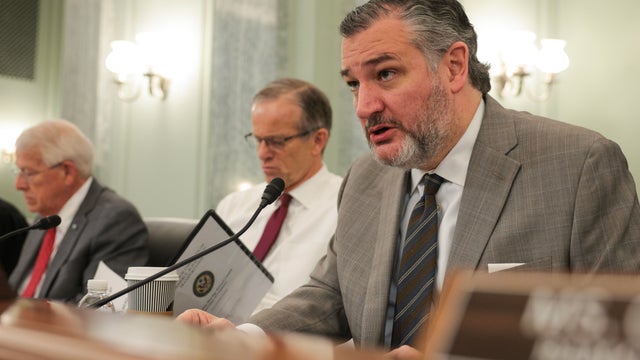
President Trump has suggested he supports eliminating daylight saving time, although he's also called it a "50/50 issue."
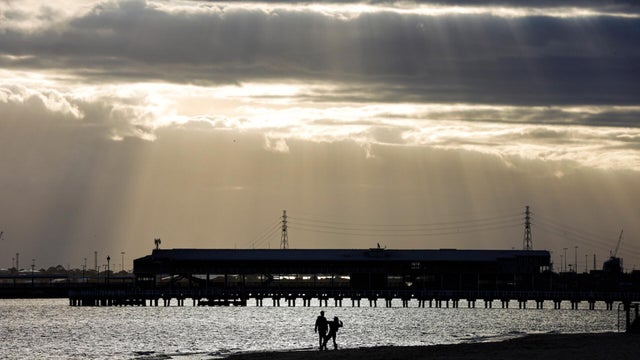
The Senate Committee on Commerce, Science, and Transportation heard testimony on the effects of daylight saving time. CBS News' Shanelle Kaul reports.

Daylight saving time in 2025, when clocks change by an hour, has started. Here's a look at when exactly we "spring forward."

Researchers are discovering that "springing ahead" each March for daylight saving time is connected with serious negative health effects.
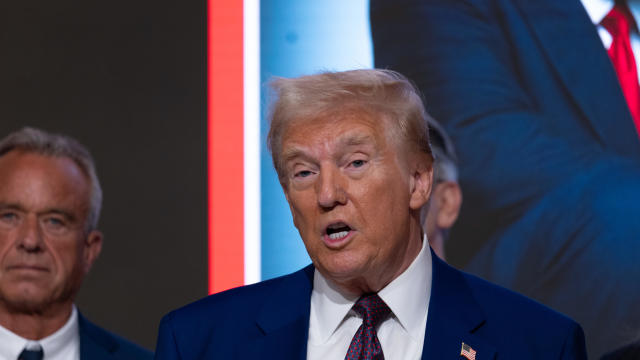
President-elect Donald Trump said Republicans will try to end the decades-long ritual of changing the clocks twice a year.
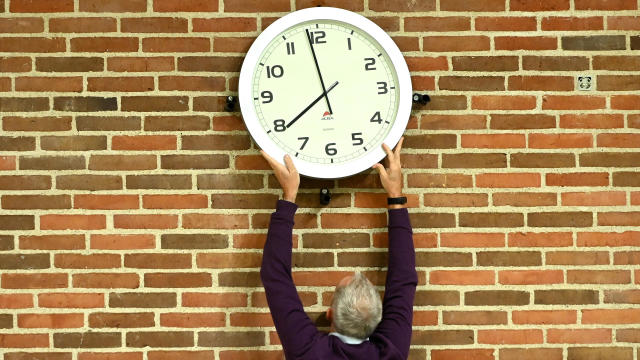
The end to daylight saving time means our clocks "fall back" early Sunday, Nov. 3, 2024. But why do we have to adjust the time twice a year?

While most Americans are looking forward to gaining an extra hour of sleep when daylight saving time ends on Sunday, some experts warn it could be harmful to the body and mind. Dr. Norman Rosenthal, clinical professor of psychiatry at Georgetown University, joins CBS News to discuss how "falling back" could disrupt health.

The 2005 Energy Policy Act extended Daylight Saving Time by four weeks. Scott MacFarlane explains the law's origins.

Gaining an extra hour of sleep as daylight saving time ends might sound like a win, but experts say "falling back" can have some health consequences. Here's some advice to help you cope.

Daylight saving time for 2024 is here, which means we lost an hour of sleep as we "spring forward." Here's how to deal with the time change, according to experts.

Clocks "spring forward" when daylight saving time begins on Sunday, March 10, 2024.

It's that time of year, when Daylight Saving Time costs us an hour of sleep, but gifts us another hour of light at the end of the day. Correspondent Luke Burbank is ready for more.

It's that time of year, when Daylight Saving Time costs us an hour of sleep, but gifts us another hour of light at the end of the day. Correspondent Luke Burbank is ready for more.
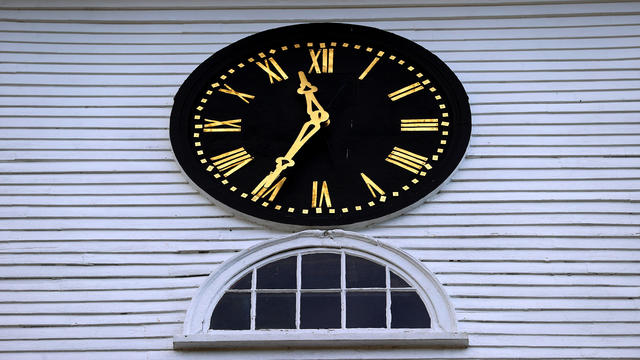
Daylight saving time begins this year in the early hours of Sunday, March 10, giving us longer, sunnier evenings until Nov. 3, 2024. Here's what to know about how the time change works.

Clocks will spring forward at 2 a.m. on Sunday, March 10. And inside the lab at the National Institute of Standards and Technology near Denver, Colorado, scientists and the federal government are perfecting their atomic clock. Scott MacFarlane has more.

The Supreme Court left intact a ruling that blocked the U.S. Postal Service from enforcing new regulations for mail voting, rejecting the Trump administration's effort to move forward with the rules in the midterms.
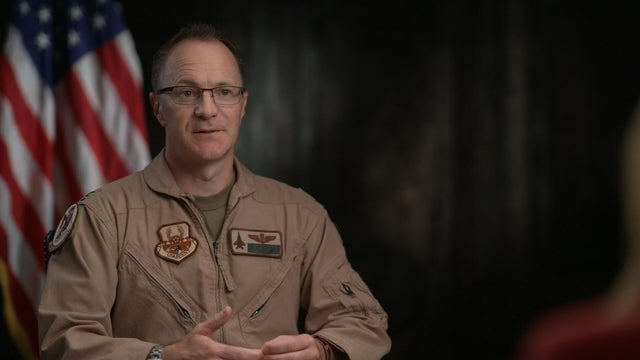
Badly wounded and alone in Iran's desert, downed U.S. Air Force officer Dude 44 Bravo evaded capture for days as the Iranian forces and the U.S. military searched for him.
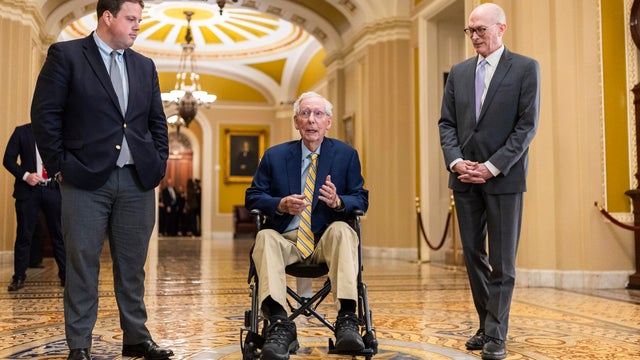
GOP Sen. Mitch McConnell of Kentucky returned to Capitol Hill on Monday for the first time in three months, ending a prolonged absence that sparked widespread speculation about his health.

Performer Macklemore is being dropped from Ed Sheeran's Loop tour after making on-stage statements that some found controversial.
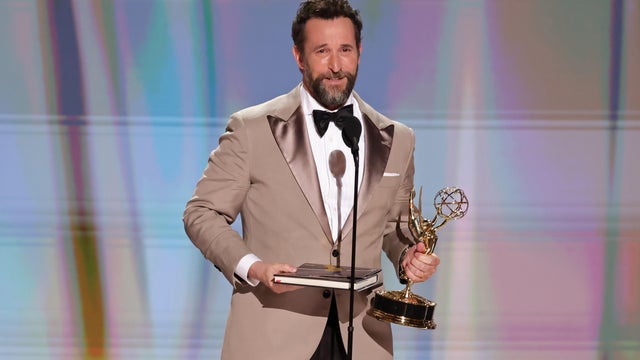
The 78th Primetime Emmy Awards celebrated the best in television and streaming from the past year on Monday. See the full list of winners and nominees.

Iran and Oman delayed a meeting to discuss control of the Strait of Hormuz as fighting between Iran's Houthi allies and Saudi Arabia raises the stakes for global energy markets.
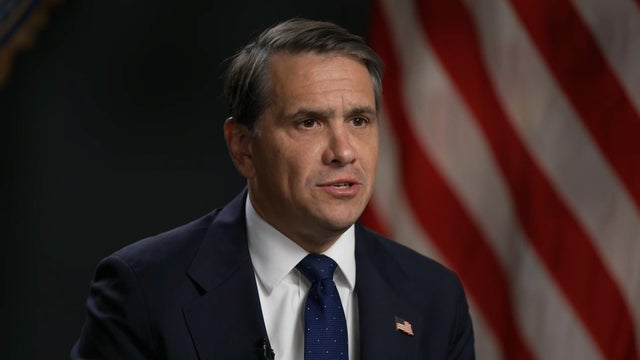
Attorney General Todd Blanche fiercely defended the Trump administration's push to impose tighter mail voting rules, telling CBS News the DOJ is examining election practices in multiple states.
Senior Democratic lawmakers vowed to investigate the new market that has sprung up around President Trump's pardons, citing CBS News video that aired in a 60 Minutes report.

Lured by promises of payment and a desire to help other families, surrogates discover they have few protections from practices that cast a "dark shadow" over the industry.

The wildfire, which has torn through Palo Pinto and Jack counties, forced evacuations, closed roads and disrupted schools.

The first-of-its-kind report acknowledges the military's munition shortfall and details some of the losses of American assets so far as part of Operation Epic Fury.
The 78th Primetime Emmy Awards celebrated the best in television and streaming from the past year on Monday. See the full list of winners and nominees.
In an interview with CBS News, Sacks suggested that fears AI could harm people are overblown. "I think this is becoming a panic," he said.
Attorney General Todd Blanche says the government is not withholding documents to protect another country, days after 9/11 families publicly appealed to the Trump administration for more information to be released.
In an interview with CBS News, Sacks suggested that fears AI could harm people are overblown. "I think this is becoming a panic," he said.

AI has fueled a stock boom in recent years. Now, some Wall Street analysts think that epic run is coming to an end.

Rising energy costs, persistently high inflation and mounting federal debt are clouding the outlook for the U.S. economy — and Americans' finances.

The tech-heavy Nasdaq slumped 147 points on Monday after AI company executives called for a slowdown in developing the technology.
The head of the artificial intelligence company calls the exponential rate of AI developments a "warning sign," with risks for humanity, and says, "We need to slow down." He talks with "Sunday Morning" about possible steps forward.
Attorney General Todd Blanche fiercely defended the Trump administration's push to impose tighter mail voting rules, telling CBS News the DOJ is examining election practices in multiple states.
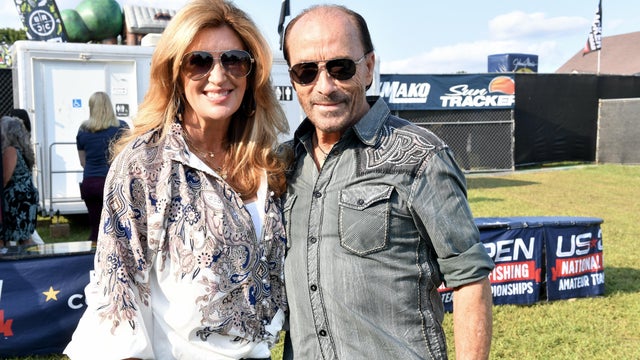
President Trump on Monday nominated Kimberly Greenwood, the wife of "God Bless the USA" singer Lee Greenwood, to serve as ambassador to Barbados and several other Caribbean countries.
Senior Democratic lawmakers vowed to investigate the new market that has sprung up around President Trump's pardons, citing CBS News video that aired in a 60 Minutes report.
The Supreme Court left intact a ruling that blocked the U.S. Postal Service from enforcing new regulations for mail voting, rejecting the Trump administration's effort to move forward with the rules in the midterms.
Attorney General Todd Blanche says the government is not withholding documents to protect another country, days after 9/11 families publicly appealed to the Trump administration for more information to be released.
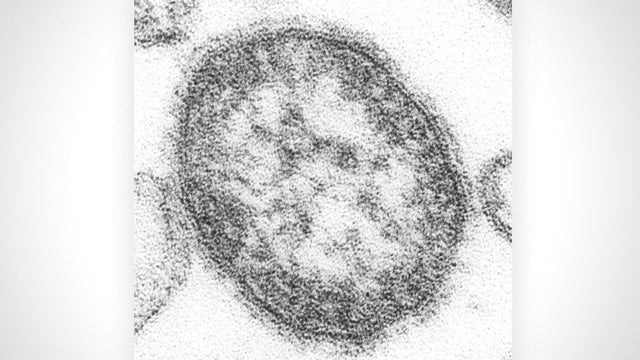
A 40-year-old woman died on Saturday from complications associated with measles, the coroner reported.
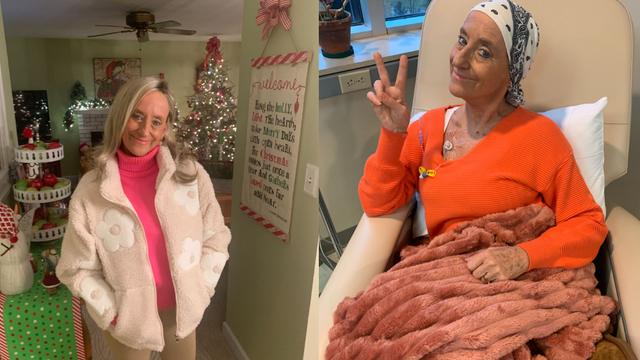
Kate Ping thought she was just stressed out. A nurse practitioner's surprising recommendation led to a shocking diagnosis.

Affordable Care Act recipients in 30 states are set to receive the $500 checks starting in October. Here's why.

The Centers for Disease Control and Prevention said there is no longer a risk of people getting sick with cyclosporiasis from this outbreak and is confident that all related iceberg lettuce is off the market.
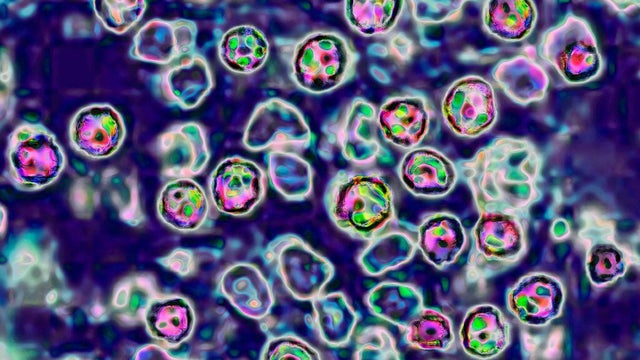
Neither infant was old enough to be vaccinated. The first dose of the measles vaccine is typically given at around 1 year of age.
President Trump on Monday nominated Kimberly Greenwood, the wife of "God Bless the USA" singer Lee Greenwood, to serve as ambassador to Barbados and several other Caribbean countries.

The couple named their daughter Georgia in honor of their late son, Giorgos.

An attack on a Saudi Arabian pipeline and a simmering war between the Saudis and Iran's Houthi allies in Yemen are pushing oil prices up.

Scientists believe increasingly crowded waters and rising ocean temperatures are shifting sharks' migratory patterns, which may be contributing to a rise in attacks.

Sweden's left-wing opposition are holding a slim lead after an election that saw the far-right's share of the vote
The 78th Primetime Emmy Awards celebrated the best in television and streaming from the past year on Monday. See the full list of winners and nominees.
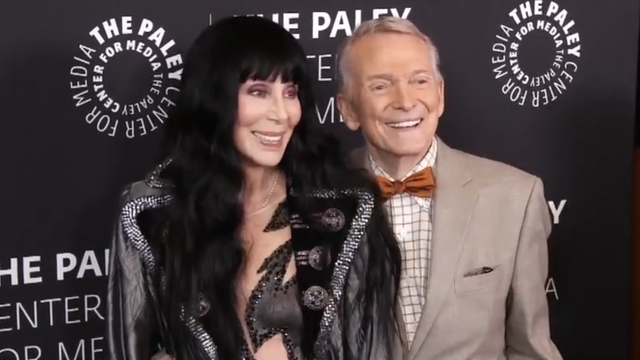
Bob Mackie, a fashion icon known for elevating Hollywood's leading ladies and pop stars for decades, died on Monday at 87. Meg Oliver looks back on his signature looks and his life.

The first so-called AI actor, Tilly Norwood, is on a promotional tour for an upcoming movie produced by a British company. CBS News correspondent Leigh Kiniry interviewed the AI on the film "Misaligned."
Performer Macklemore is being dropped from Ed Sheeran's Loop tour after making on-stage statements that some found controversial.

Dubbed the "Designer to the Stars," Bob Mackie won nine Emmy Awards, a Tony Award and was nominated for three Oscars.
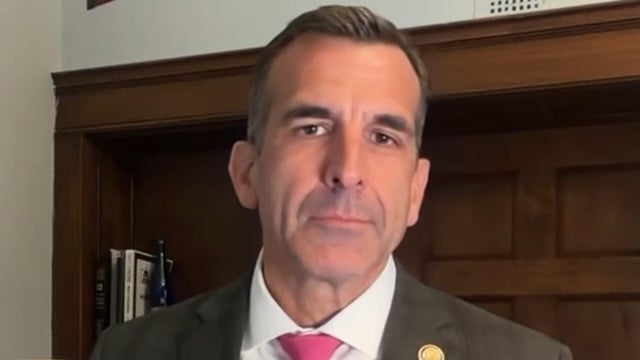
While artificial intelligence leaders are uniting to slow development, lawmakers are split over the government's role in regulating the industry and how to balance safety concerns with efforts to stay ahead of China in the AI race. Democratic Rep. Sam Liccardo of California joins CBS News with his take.
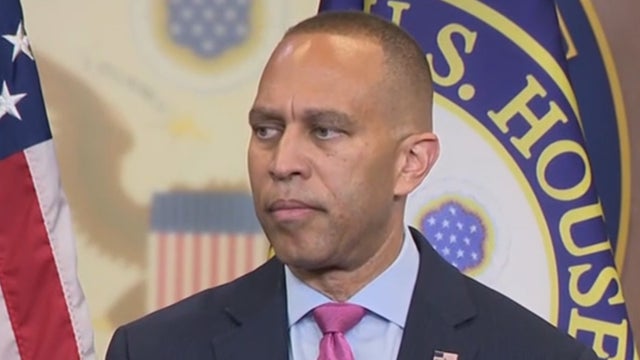
On Capitol Hill, lawmakers returning from the summer recess are weighing in with differing views on how much government regulation on artificial intelligence is necessary. New York Times congressional correspondent Robert Jimison joins to discuss.

From labor shortages to environmental impacts, farmers are looking to AI to help revolutionize the agriculture industry. One California startup, Farm-ng, is tapping into the power of AI and robotics to perform a wide range of tasks, including seeding, weeding and harvesting.
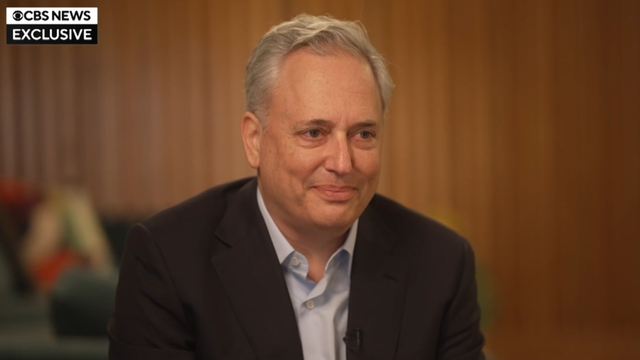
David Sacks, a key adviser to President Trump on technology, believes fears that AI could threaten humanity are overblown. In an exclusive interview with CBS News' Jo Ling Kent, Sacks delivers a message to tech leaders including Anthropic CEO Dario Amodei, argues that a "pause" on AI development could cause the U.S. to fall behind China in the AI race, and discusses more about the importance of tech.

Several top tech CEOs are calling for a slowdown in artificial intelligence development amid industry concerns that the technology is spiraling out of control. In a recent New York Times opinion piece, investigative journalist Stephen Witt argues that slowing down may not be enough. Witt joins CBS News to explain.
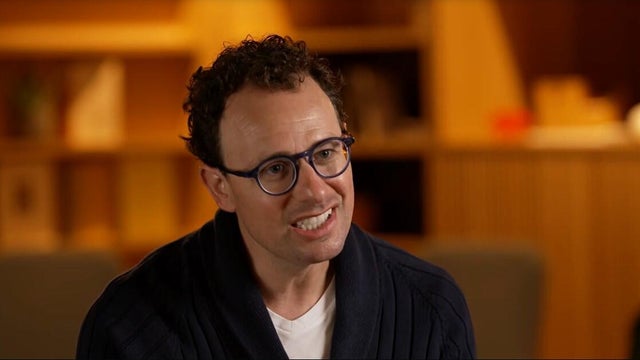
Artificial intelligence technology is developing at an "exponential" rate, Anthropic CEO Dario Amodei told CBS News, calling the situation a "warning sign" for the industry that requires serious safeguards.

Paleontologists have identified the first known trackway made by a full-grown Tyrannosaurus rex, and the discovery was made in the North Dakota badlands.

Ten research teams were honored at a satirical science awards ceremony that was hosted outside the U.S. for the first time due to travel concerns. A study of cockroach milk was among the winners.

Marmots, not bears, are the largest "true" hibernating mammal, UCLA marmot researchers Katie Adler and Emily Renkey say. The two share more fun facts about these cute creatures and explain how to vote for the fattest marmot.
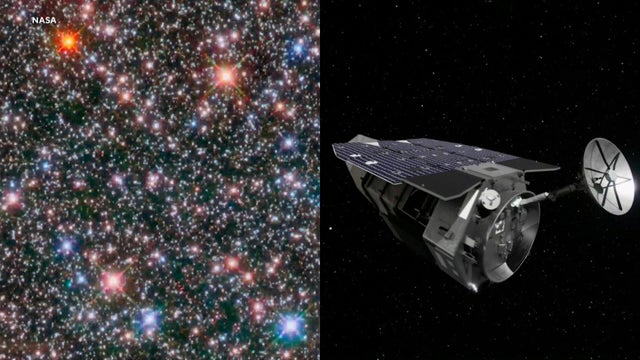
NASA's new telescope could change the way we see space. With a wide-field camera that will reveal an area up to 200 times larger than the Hubble Space Telescope, and an orbit a million miles from Earth, the Nancy Grace Roman telescope is expected to find tens of thousands of unknown exoplanets.
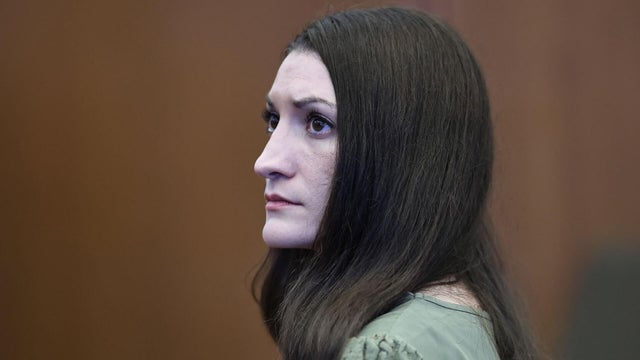
The holdout juror in Lindsay Clancy's murder trial faced a domestic violence charge in 2021, but it was later dismissed, police records show. CBS News' Shanelle Kaul has more.
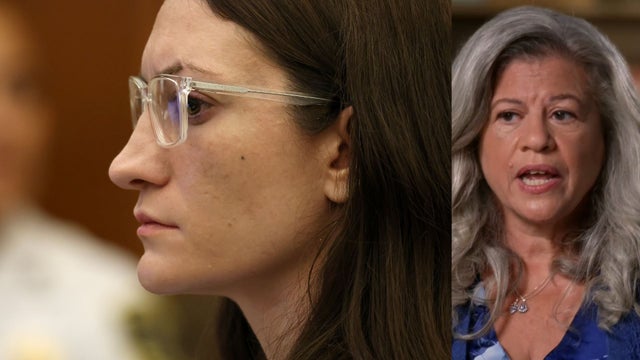
Paula Devlin, a juror in the murder trial of Lindsay Clancy, sat down with Shanelle Kaul to share her experience with the high-profile case and tense deliberations that ultimately ended in a mistrial.

Mississippi police have arrested a man in the death of Tasia Fortune, a Black woman found hanging from a tree last month.

25 years after 9/11, we rarely hear about the state of the organization responsible for the attacks. The Atlantic recently put out a piece on al-Qaeda that says in part, "analysts can't decide if the terrorist organization is all but defunct or more threatening than ever." The article's author, Graeme Wood, joins "The Takeout" to discuss.

The FBI is warning of potential attacks on 9/11 remembrance ceremonies as terrorist groups call for new strikes on U.S. soil. Anna Schecter has more.

NASA's Roman Space Telescope launched shortly after daybreak from Kennedy Space Center and blazed toward an observation point 1 million miles away.

The $4.3 billion telescope is expected to discover tens of thousands of exoplanets while probing the nature of mysterious dark matter and energy.
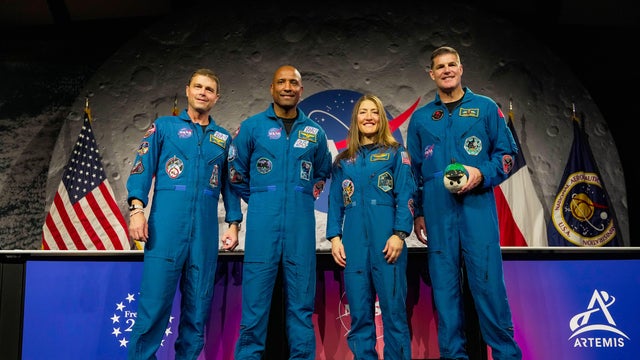
President Trump plans to award the Congressional Space Medal of Honor to the crew of NASA's Artemis II mission in a ceremony Aug. 28.
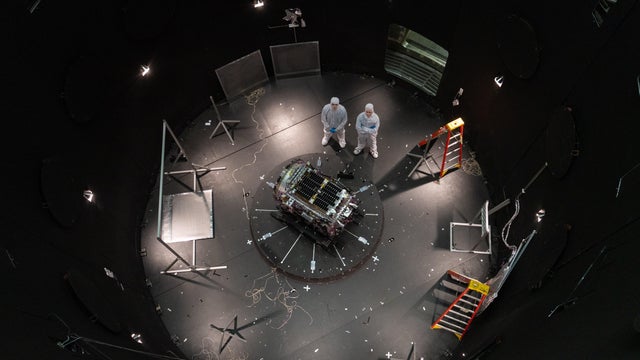
The mission to save NASA's sinking space telescope has been called off, dooming the telescope to a fiery reentry later this year.

A NASA spacecraft circling the moon is providing the sharpest views yet of the crater carved by a crashing SpaceX rocket.

A look back at the esteemed personalities who've left us this year, who'd touched us with their innovation, creativity and humanity.
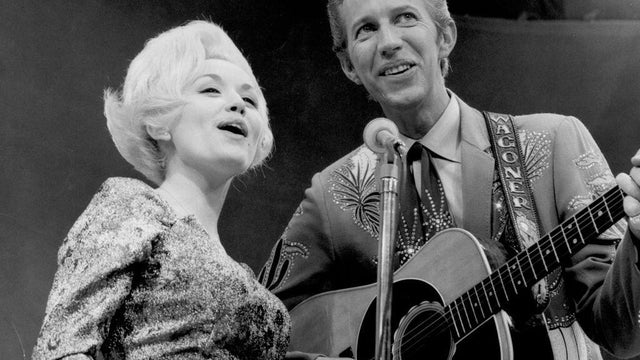
Dolly Parton, the country music legend who became a feminist icon, has died at the age of 80. Here is a look back at her life in pictures.

Sylvie Cachay was found dead in an overflowing bathtub at the exclusive Soho House in New York City on Dec. 9, 2010. A water leak at the hotel gave away a timeline that may have revealed her killer.

Summer is the time to enjoy live music, indoors and out. Scroll through our gallery of some of 2026's leading musical acts, featuring images by CBS News photojournalist Jake Barlow and photographers Ed Spinelli and Kirstine Walton.
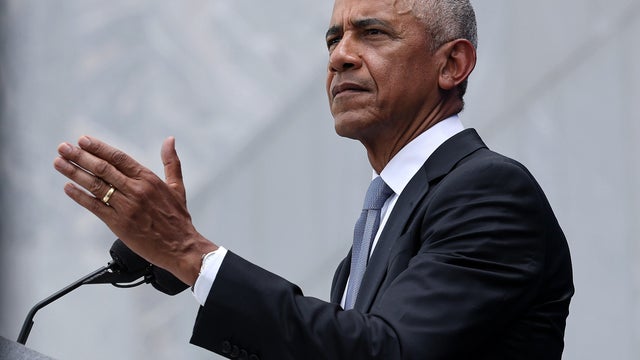
The Obama Presidential Center, museum and library opens in Chicago with a star-studded grand opening ceremony and public watch party on Midway Plaisance.

Calls for a slowdown in AI development sparked a global selloff in tech stocks on Monday. Jessica Inskip, the director of investor research at StockBrokers.com, joins "The Daily Report" to discuss.
While artificial intelligence leaders are uniting to slow development, lawmakers are split over the government's role in regulating the industry and how to balance safety concerns with efforts to stay ahead of China in the AI race. Democratic Rep. Sam Liccardo of California joins CBS News with his take.
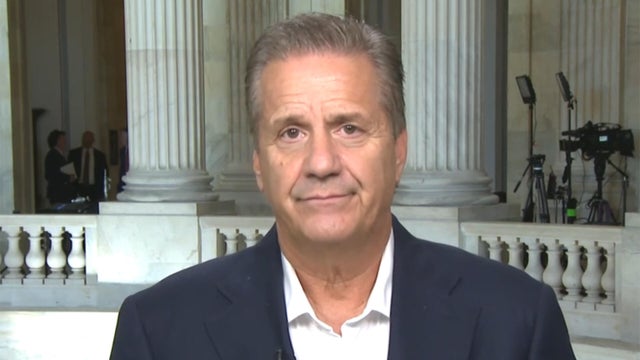
President Trump is urging Congress to pass the Protect College Sports Act. It would establish new guidelines and protections for name, image and likeness payments, and regulate issues like the transfer portal and how much teams can spend on their rosters. University of Arkansas head coach John Calipari joins to discuss his support for the bill.
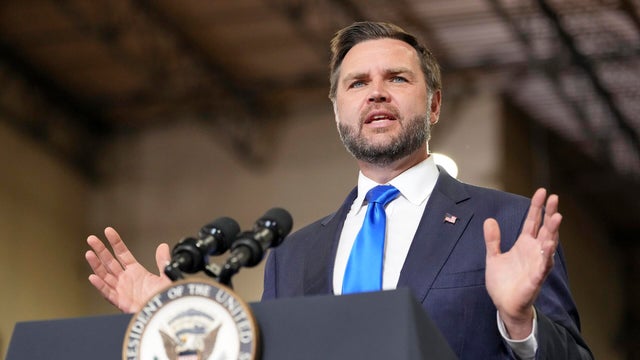
Vice President JD Vance announced on Monday that people suspected of defrauding COVID-era programs will be barred from future federal loans.
On Capitol Hill, lawmakers returning from the summer recess are weighing in with differing views on how much government regulation on artificial intelligence is necessary. New York Times congressional correspondent Robert Jimison joins to discuss.