Will daylight saving time soon be a thing of the past?
Daylight saving time is returning in March 2024 the same way the twice-a-year time change has resumed for the last 17 years, only to end as usual in November 2024.
Watch CBS News
Daylight saving time is returning in March 2024 the same way the twice-a-year time change has resumed for the last 17 years, only to end as usual in November 2024.
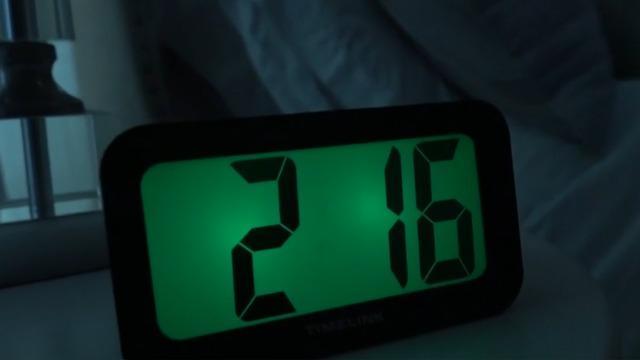
Sleep experts are warning that daylight saving time causes the body certain harm as it adapts to the changes. CBS News' Michael George reports on the concerns about health and safety being raised as Americans prepare for the Sunday shift.
With daylight saving time on the horizon, some parents are already worried their children don't get enough sleep. Research shows that more than 18% of children aged 5 to 9 are given melatonin to sleep, and 19% of adolescents take it as well. Dr. Celine Gounder, CBS News medical contributor and editor at large for Public Health at KFF, has more.

60 Minutes' Andy Rooney was a morning person and not a fan of Daylight Saving Time.
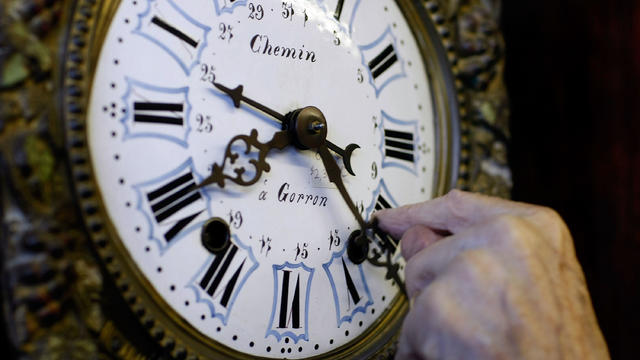
Daylight saving time for 2023 will end in early November with most Americans having to "fall back" for the biannual time change and turn their clocks back an hour.
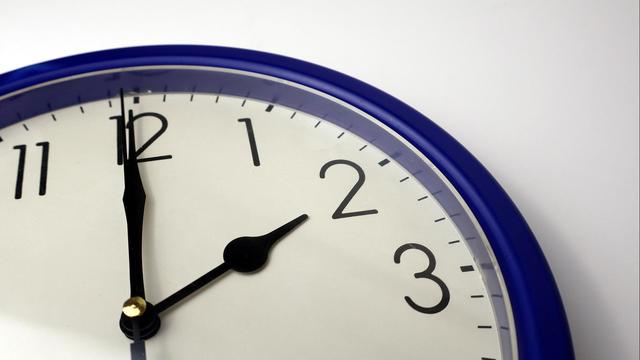
Daylight saving time comes to an end on Sunday. Dr. Shelby Harris, clinical psychologist and director of sleep health at Sleepopolis, joins CBS News to discuss how the switching of schedules can impact your health and what you can do to ease the transition.

The country's caretaker premier predicted "all sorts of problems" before announcing a postponement of the switch to Daylight Saving Time. He was right.

In case you missed it, a daughter's TikTok helped save her family restaurant and the U.S. Army is resurrecting a once familiar slogan to garner recruits.

Health experts warn springing forward one hour for daylight saving time can have a negative impact on your health. Dr. Beth Ann Malow, a neurology and pediatrics professor at the Vanderbilt University Medical Center, joins CBS News to discuss the concerns.
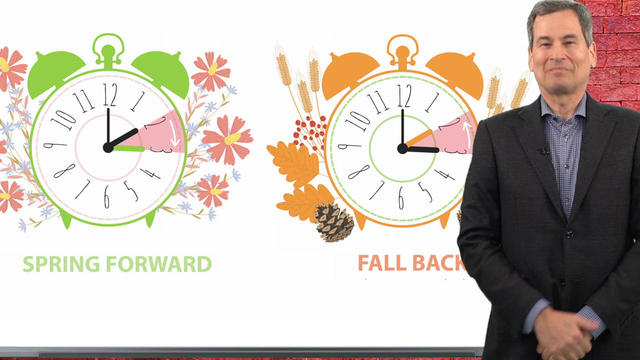
It's that time of year when we turn the clocks back an hour, and supposedly get an extra hour of sleep. There are arguments against adopting a spring-ahead/fall-behind life – or for making Daylight Saving Time permanent.
Every March, clocks spring forward to daylight saving time. Every November, they fall back to standard time.

There is a 16% increase in deer-vehicle collisions in the week following the shift to standard time, according to the study.
Six in 10 Americans said they preferred making daylight saving time permanent, according to a poll.

There's little support for switching clocks back and forth.
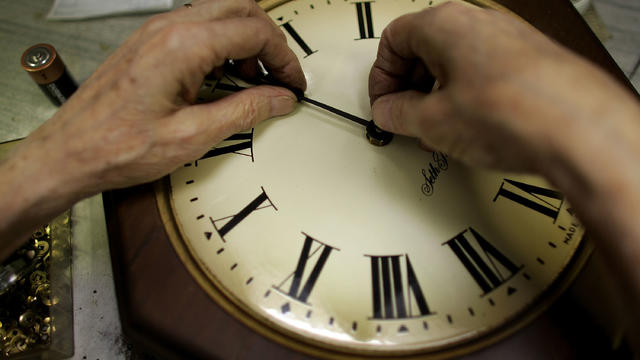
Transitioning to year-round DST is uniting Republicans and Democrats. But the economic benefits are murky, at best.
"The good news is if we can get this passed, we don't have to do this stupidity anymore," Senator Marco Rubio said on the Senate floor.
"Darkness in the evening is far deadlier than darkness in the morning," University of Washington professor Steve Calandrillo told Congress.
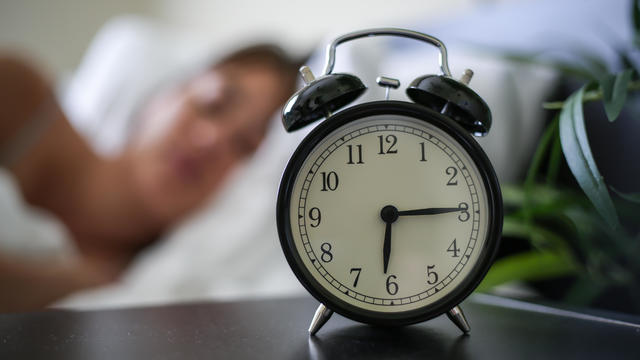
Losing an hour of sleep could do more than just make you feel tired. Get expert tips on how to adjust to the time change.