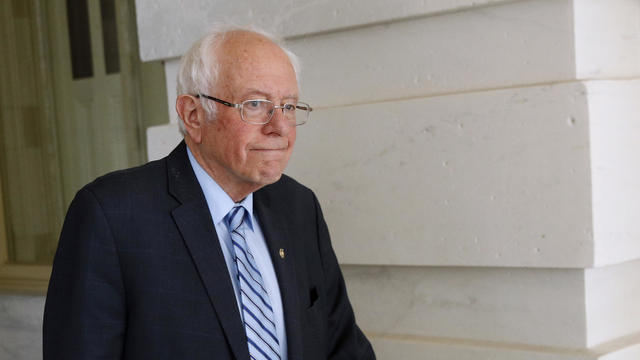
Sanders, Khanna seek bolstering production of PPE
The act would provide an additional $75 billion to the Federal Emergency Management Agency
Watch CBS News
The act would provide an additional $75 billion to the Federal Emergency Management Agency

The Justice Department filed a statement of interest in support of Lighthouse Fellowship Church in Chincoteague Island, Virginia.
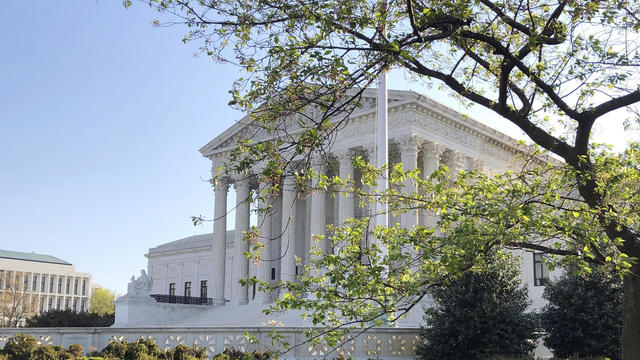
The Supreme Court heard arguments by telephone conference and provide live audio for the press and the public for the first time ever.

The Australian Daily Telegraph reports a dossier from an intelligence alliance between the U.S., U.K., Canada, Australia and New Zealand alleges China misled and shielded information on the coronavirus outbreak. CBS News intelligence and national security reporter Olivia Gazis joined CBSN with the latest.

Lenders have been curbing or canceling credit cards "at the worst possible time" for many families in financial limbo.
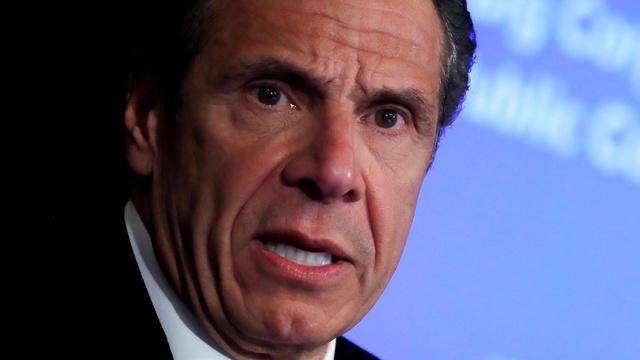
At his daily news briefing, New York Governor Andrew Cuomo outlined how the state will determine when different regions can safely begin to reopen businesses. Watch his remarks.
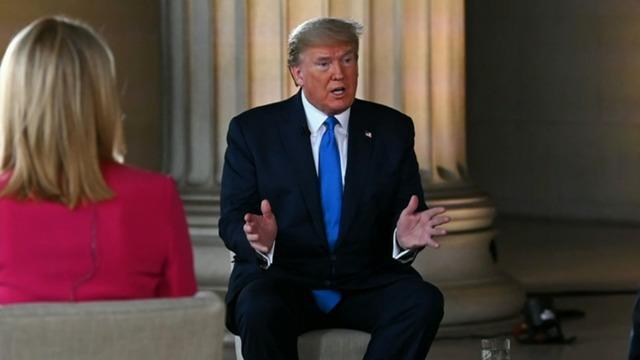
President Trump is acknowledging the coronavirus death toll may be higher than he had previously predicted, but he is still encouraging states to reopen their economies. In an appearance Sunday on Fox News, the president said as many as 100,000 Americans could die. CBS News White House correspondent Paula Reid joined CBSN with more on the president's response.
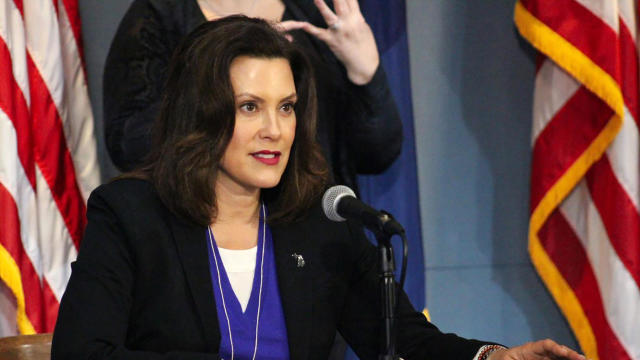
"Some of the outrageousness of what happened at our capitol depicted some of the worst racism and awful parts of our history in this country," she said.
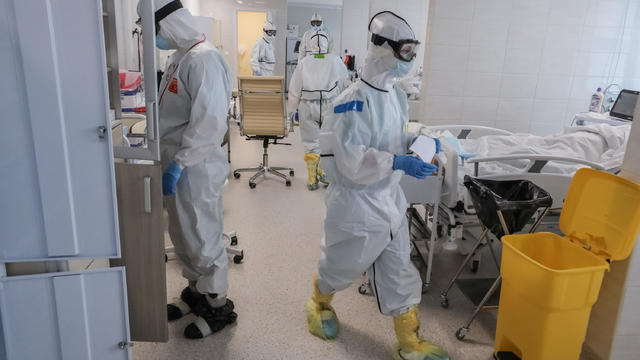
The death toll isn't rising too fast, however, and the spike may well be down to increased testing, but the next few days will be crucial.

The FDA has granted emergency authorization for a coronavirus antibody test from Roche that claims to be 100% accurate in finding antibodies in blood and 99.8% accurate in detecting the lack of antibodies. Dr. Shoshana Ungerleider joined CBSN to discuss that plus other developments in fighting the pandemic.
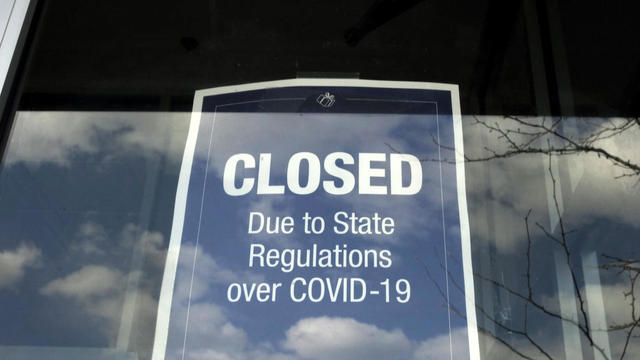
This week on 60 Minutes: Americans unemployed by coronavirus share their stories; Then, small, medium-sized farmers on edge while trade war bailout money goes to some surprising recipients; And, rural Texas hospitals and clinics are going broke.
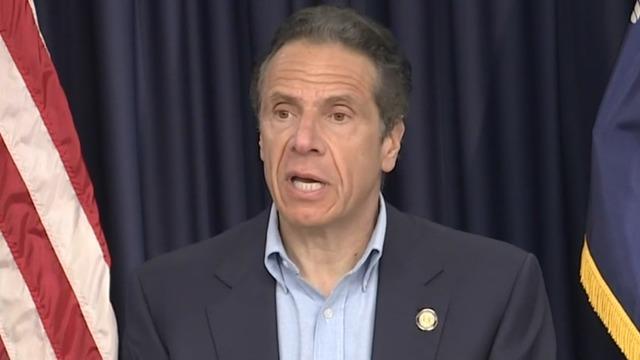
"We can't go into this mad scramble again," Cuomo said.

"After two weeks at home in bed, weak, fighting pneumonia, and really scared, I went to the hospital. I found an overworked, nearly overwhelmed staff."
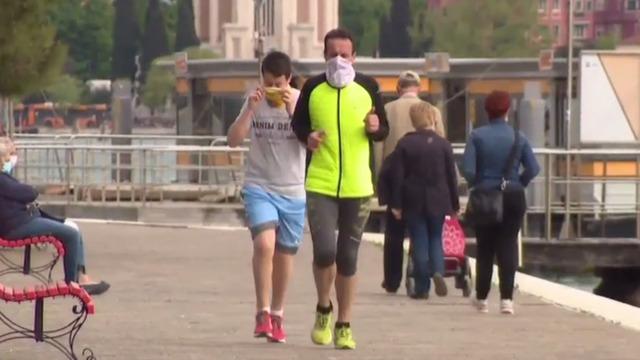
Slowly and cautiously, several hard-hit European countries are easing restrictions on people and businesses.
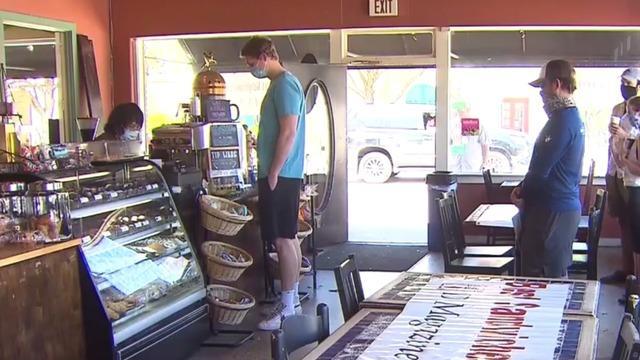
The new Payroll Protection Program has processed more than $500 billion in loans to help small businesses survive the coronavirus lockdown, but critics say the PPP isn't doing what it was meant to. The loans will be forgiven only if businesses spend 75% of the money on their employees in just eight weeks. But, Ed O'Keefe reports that some workers have concerns about going back to work.

"The virus is now in Yemen," and health officials warn there's little left in the desperately poor, war-ravaged country to stop it.

Forty child welfare workers submitted video diaries to CBS News about how the outbreak is putting kids and workers at risk.
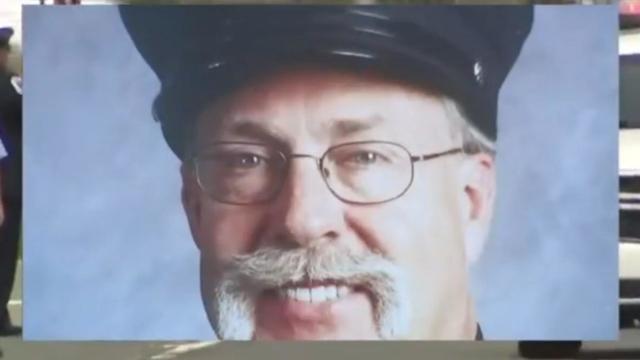
There was a massive procession — including hundreds of first responders — that escorted Paul Cary's body to Newark Liberty Airport for his journey home.

Even CEO Wayne LaPierre took a salary cut.

This week we sat down with Illinois Governor JB Pritzker, Gilead Sciences CEO Daniel O'Day and FDA Commissioner Dr. Scott Gottlieb for the latest on the battle against COVID-19.
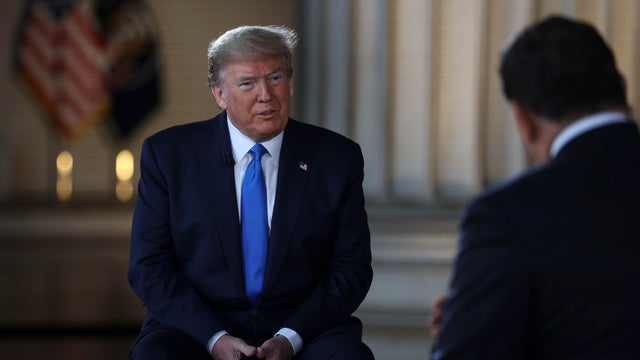
But he says he believes states can gradually lift lockdowns while protecting people from the coronavirus pandemic.

Official leading COVID-19 response says number of new cases coming down, but not fast enough with hospitals still struggling.

With shutdowns devastating a nation where millions were already barely surviving, one official says it's time to learn to "live with the virus."
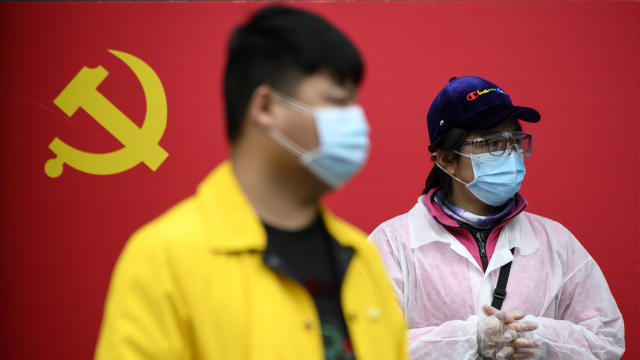
Report obtained by Associated Press shows Bejing tried to stock up as it covered up word on extent of COVID-19 and how contagious it was.
An estimated 70% of the human population may need to be immune to halt the pandemic, researchers say.