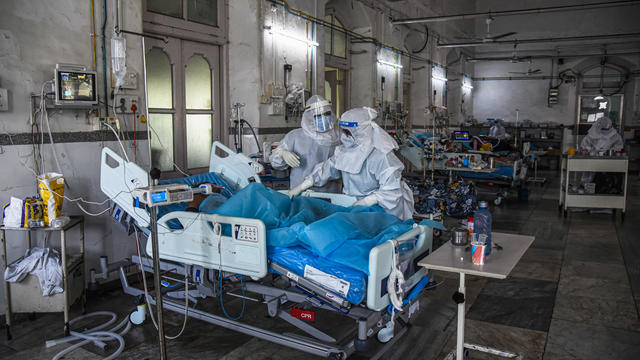
New deadly illness poses a challenge in India in COVID patients
The country has reported more than 28,000 cases of a rare fungal infection, now increasingly seen in COVID-19 patients and survivors.
Watch CBS News
The country has reported more than 28,000 cases of a rare fungal infection, now increasingly seen in COVID-19 patients and survivors.
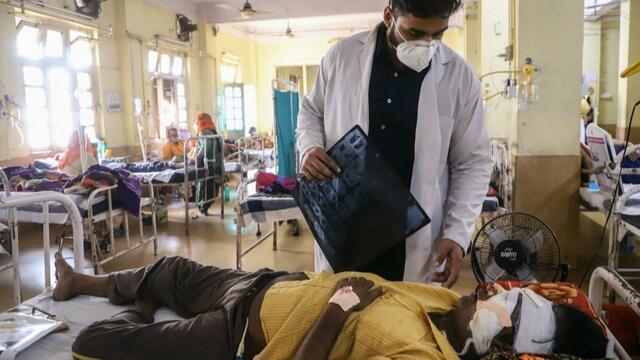
In addition to its ongoing COVID-19 crisis, India is now dealing with Mucormycosis, a fungal infection that can be deadly, especially when a patient's immune system is weakened by the coronavirus. More than 28,000 Indians have contracted the infection, officials say. Chris Livesay has more.

Masks weren't required inside Radio City Music Hall but proof of vaccination was.

CBS News senior foreign correspondent Elizabeth Palmer reports from Tehran on what Ebrahim Raisi’s win means for the U.S.

Missed the second half of the show? The latest on the future of work after COVID-19, Ibrahim Raisi winning Iran’s presidential election, Fiona Hills input on U.S. sanctions on Russia and Lonnie Bunch, head of the Smithsonian Institution, on preserving history.
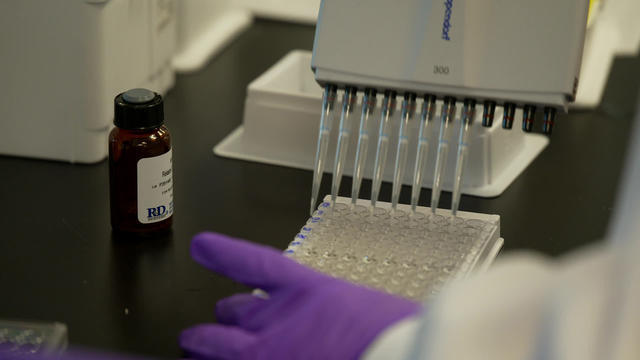
By using messenger ribonucleic acid (or mRNA) as a platform for delivering vaccinations, biotech companies like Moderna have been able to rewrite COVID vaccines swiftly to address newly-emergent variant strains. And now, fighting COVID is just the beginning, as Moderna plans to use mRNA to change the way we treat or prevent other diseases. National Public Radio correspondent Allison Aubrey reports.
Dr. Scott Gottlieb calls for a "different vaccine delivery strategy" to reach the unvaccinated going into the fall.
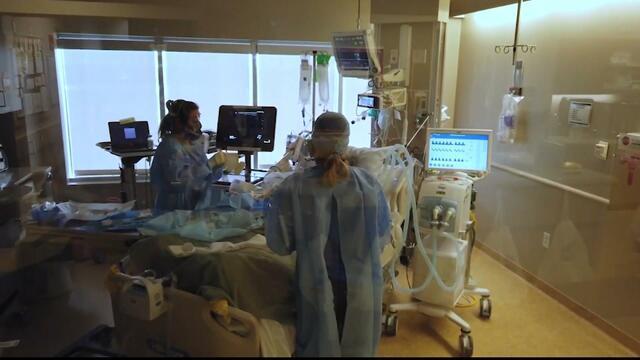
CBS News senior national correspondent Mark Strassmann reports from Atlanta on the declining vaccination rate across the country.

Today on "Face the Nation," back from his trip abroad, President Biden returns home to face familiar problems.
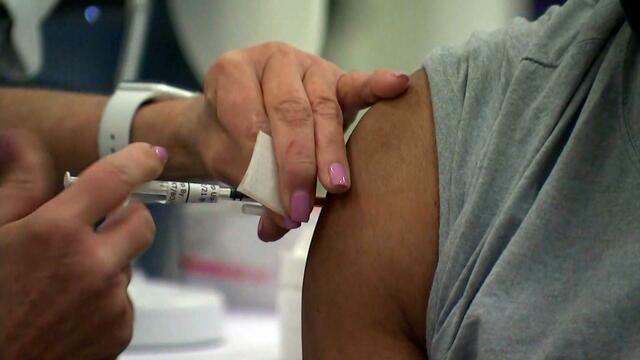
While many states with high COVID-19 vaccination rates are lifting restrictions and easing back to normal, states with low vaccination rates are facing increased coronavirus cases. The more contagious and lethal Delta variant could fuel further outbreaks. Lilia Luciano reports.
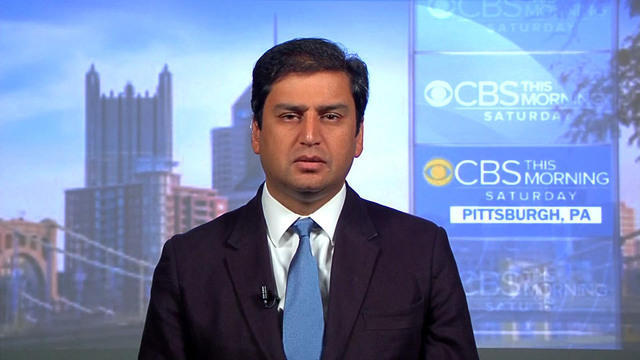
Doctor Amesh Adalja, Senior Scholar at the Johns Hopkins Center for Health Security at the Bloomberg School of Public Health, joins “CBS This Morning: Saturday” to discuss the dangers of the highly infectious Delta variant and the need for all Americans to get vaccinated.

Heavy rain and powerful winds of Tropical Storm Claudette are bearing down on the already storm-weary central Gulf Coast. The system is about 45-miles South of New Orleans and is moving North. Omar Villafranca reports from Mississippi's coast.
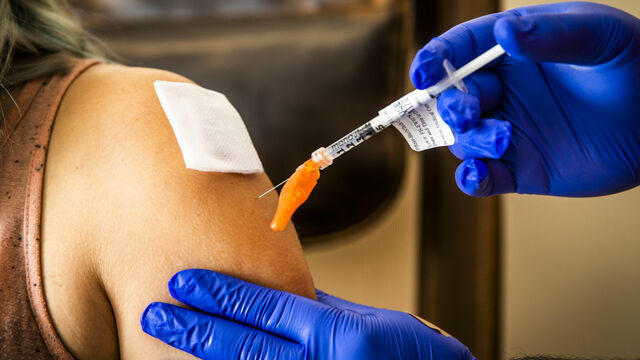
The head of the CDC is anticipating the Delta coronavirus variant will become the dominant strain in the U.S. in the coming months. Dr. Ebony Jade Hilton, co-founder and medical director of Goodstock Consulting and an associate professor of anesthesiology and critical care medicine at the University of Virginia, joins CBSN's Lana Zak to discuss the day's coronavirus headlines.
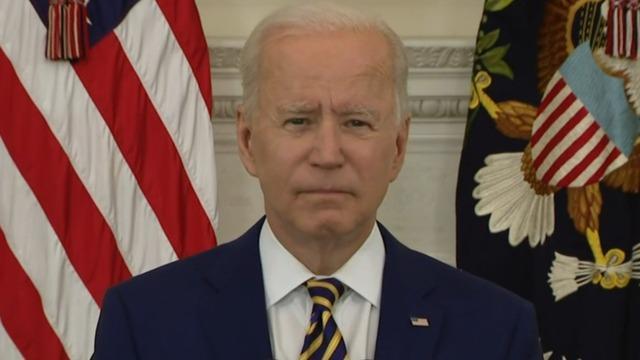
President Biden said Friday the U.S. is on the precipice of a "summer of joy, summer of freedom" thanks to COVID-19 vaccines, and he encouraged Americans to continue getting vaccinated. Watch his remarks.
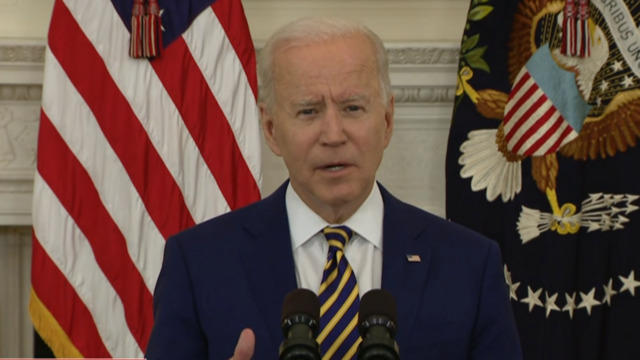
President Biden announced Friday that the U.S. reached a new milestone in administering 300 million shots in 150 days. However, the president's goal of getting 70% of Americans vaccinated by July 4 will likely fall short. Nancy Cordes has more.

CBS News' Nichelle Medina reports on bike manufacturers' struggle to keep up with demand as summer approaches.

Bike sales grew 55% between December 2020 and February 2021, causing a nationwide shortage heading into the summer.
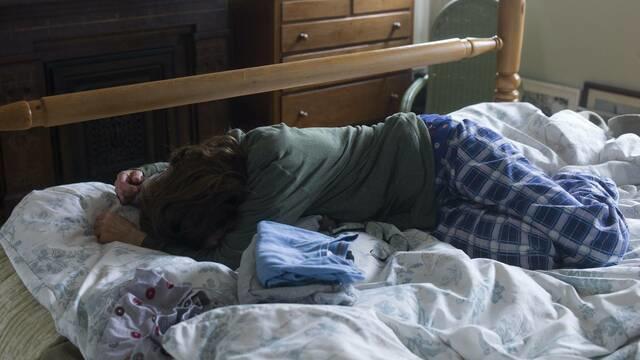
The COVID-19 pandemic has brought renewed urgency to the issue of paid family leave with grassroots organization COVID Survivors for Change joining advocacy group Paid Leave for All to lobby Congress on the issue. The plight of patients experiencing long-term symptoms is a particular area of concern as well as the trauma of bereavement and isolation, which is also taking a massive toll on people across the country. Chris Kocher, the executive director of COVID Survivors for Change, joined CBSN to talk about the difficulties facing survivors and families.
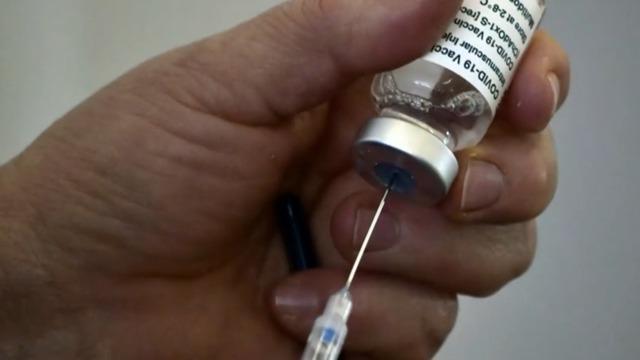
Lagging vaccination rates in some states are threatening to widen an already large divide in America. Dr. Bob Lahita, director of the Institute for Autoimmune and Rheumatic Diseases at St. Joseph Health, joined CBSN to discuss the importance of getting inoculated and how the virus affects the brain, among other developments.
Pay has also been a deterrent for teachers who feel they aren't appropriately compensated for the demands of the job.

Rep. Adam Schiff, Fiona Hill, and more appear on Sunday's "Face the Nation"
As the school year begins to wind down, there is a growing nationwide teacher shortage that is expected to carry into the fall. The pandemic didn't cause the shortage, but experts say it did make it worse. Meg Oliver takes a look at the shortage and what can be done to address it.
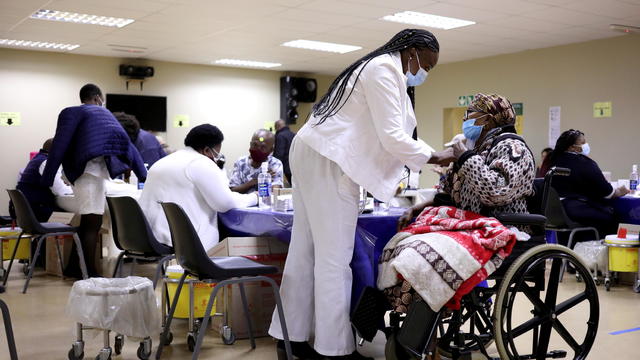
Health officials say health measures and vaccination campaigns must be "scaled up fast" as almost two dozen nations face a "sobering trajectory."

A shift to remote learning devastated families of children with special needs. According to NPR, many parents watched their kids lose academic, social and physical skills. Phyllis Wolfram, the executive director for the Council of Administrators of Special Education, joined CBSN's Lana Zak to discuss how the pandemic impacted children with disabilities and where the nation's special education system fell short.

The Delta variant, which was first detected in India, is now spreading around the globe. U.S. health officials say the Moderna and Pfizer mRNA vaccines are effective against the dangerous strain, but unvaccinated communities are still at high risk for infection. Dr. Annalee Baker is an emergency medicine physician at NYU Langone Health. She joined CBSN's Lana Zak to discuss.